Browse the page as: Customer
MENU
blachodachowka panelowa modulowa VERONA wide
NEW

Verona - Modular roof tile - Panel roof tile

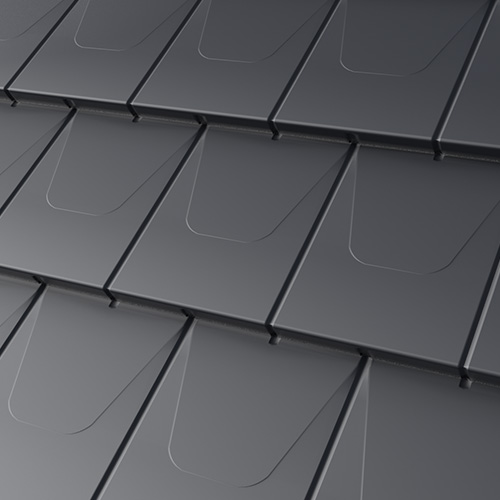
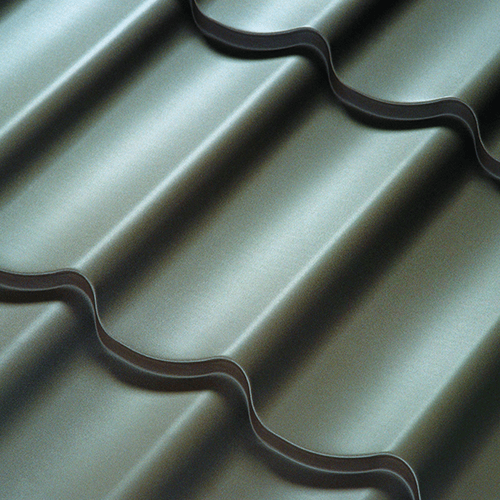
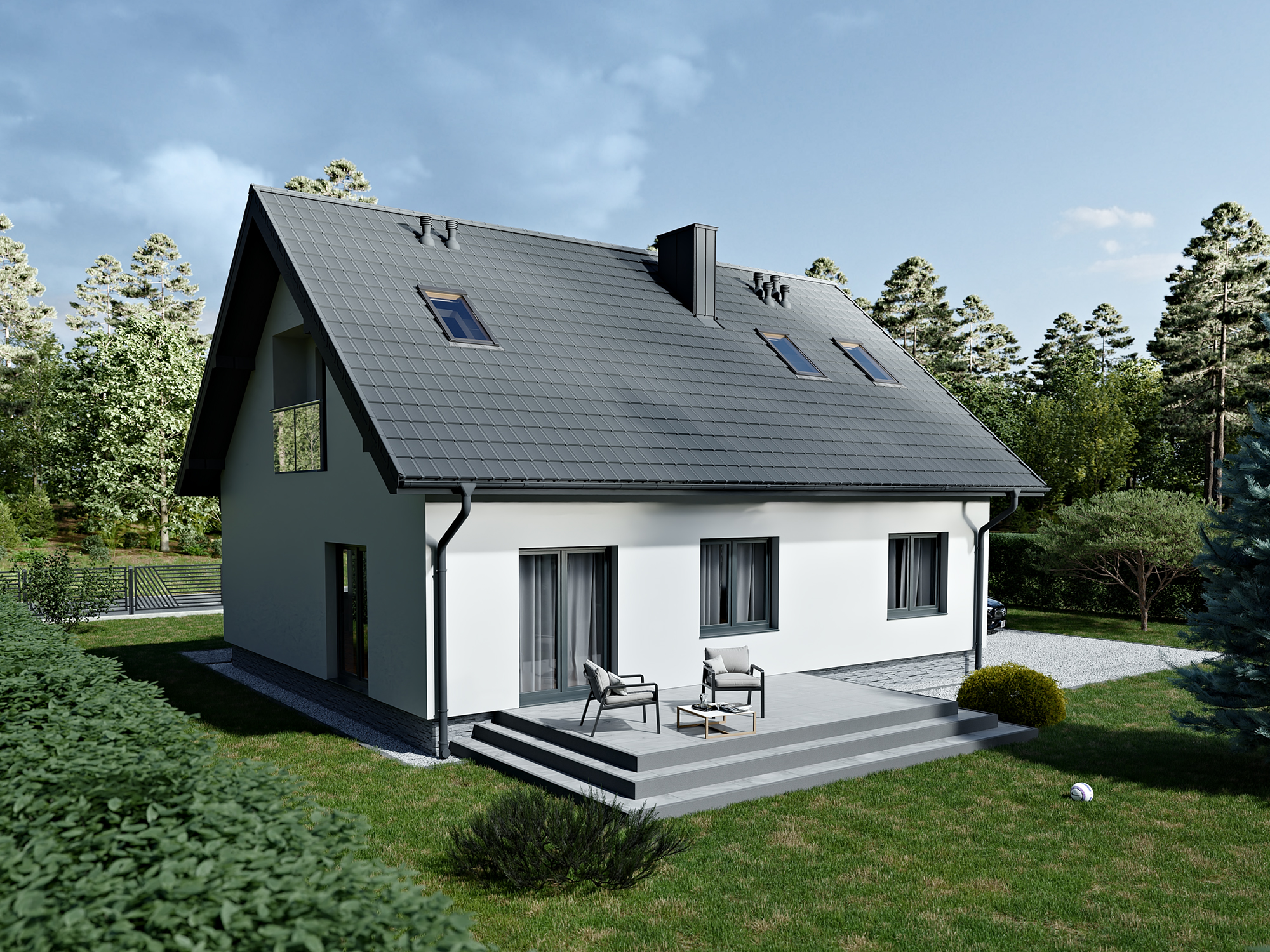
Verona – a modular roof tile featuring a beautiful, symmetrical design and an elegant texture thanks to its nano-wave pattern. Short lead time in anthracite (7016) and black (R033).
Product Description

Blachodachowka panelowa VERONA

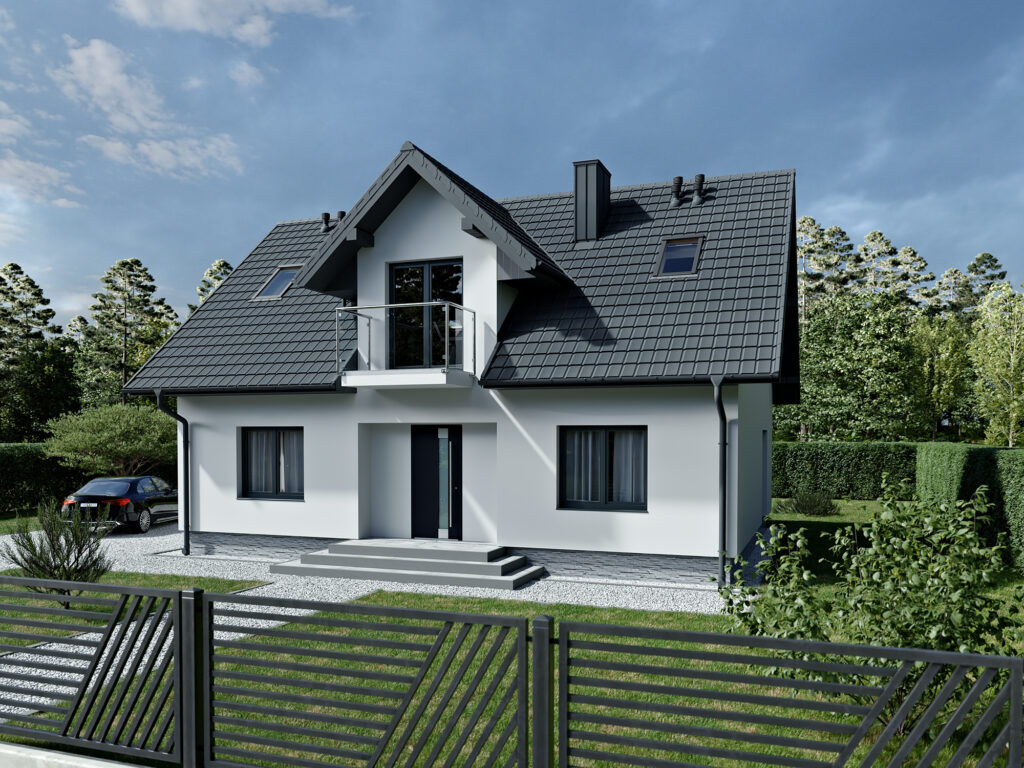
The Beauty of Symmetry. VERONA Metal Roof Tiles—New Product

An excellent option for investors who appreciate modern and unconventional design. NEW – VERONA.

The VERONA modular panel roof tile is another model in the flat metal roof tile family. The main inspiration for its profile came from the flat metal roof tiles that are extremely popular among our customers who appreciate minimalist design. In addition, we drew on the experience we gained while developing and optimizing the profiles of roof coverings such as the TP26 SUPER and STAND-UP SEAM ROOF PANELS.

The result of this work is an exceptionally interesting and unique panel roof tile, featuring a geometric and harmonious shape, which also offers high practical value. The VERONA panel roof tile is available only in the nano-wave variant, which is well known to our customers from our other products.

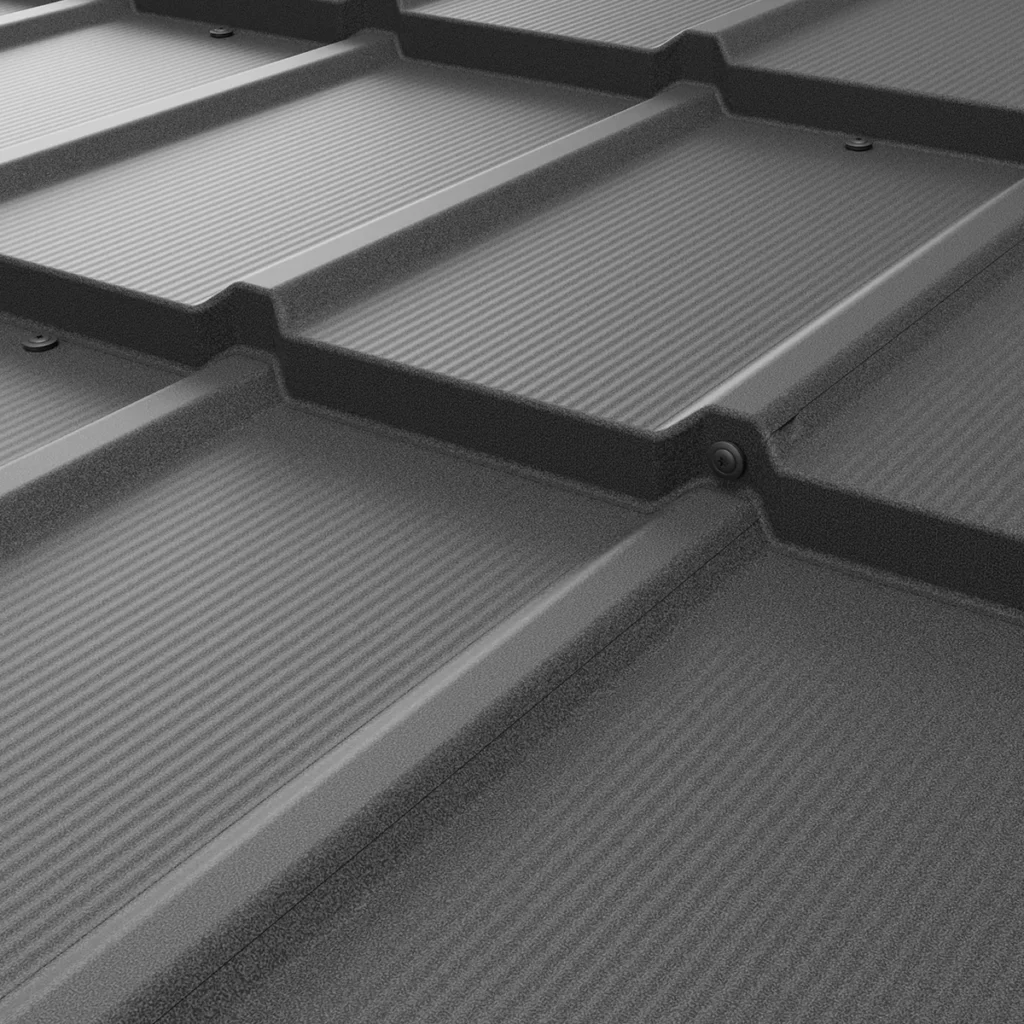
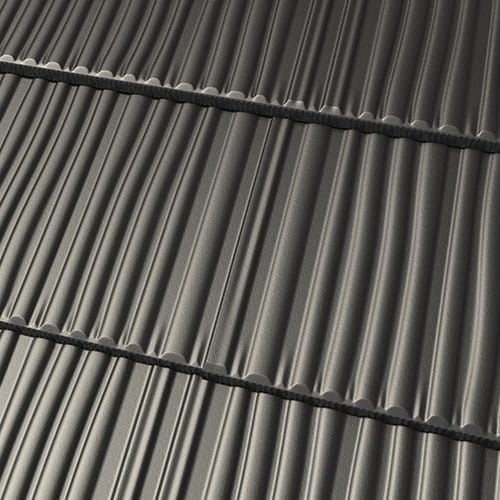
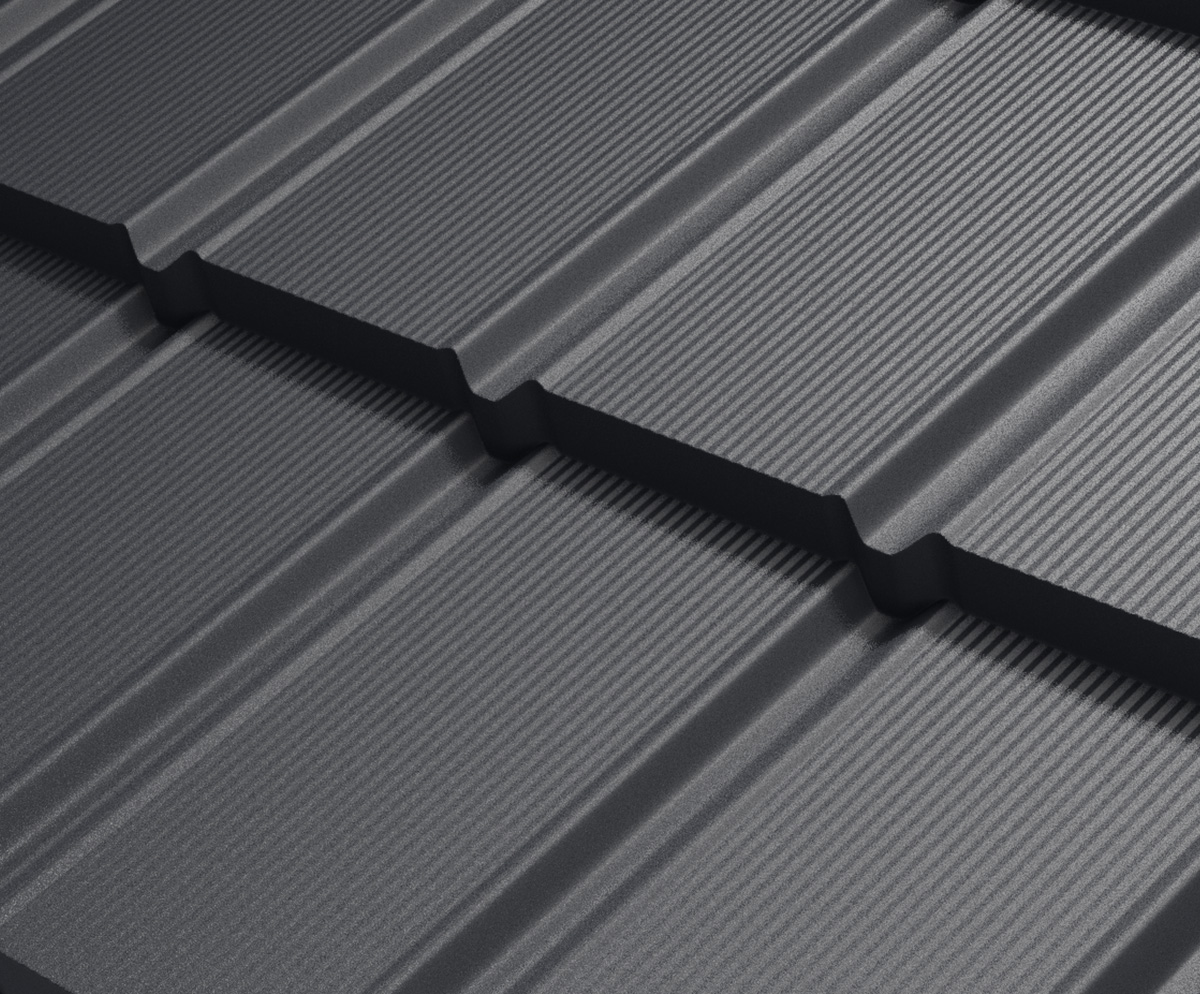
Nanofala is a solution that’s extremely popular among our customers; it has already been used in standing-seam panels and TIGRA metal roof tiles, and it turned out to be a huge success. The corrugations are so subtle that from a distance they look like a flat surface, yet they reinforce the panel, improving its rigidity.

As with any roof covering, roof ventilation is extremely important for VERONA metal roof tiles . Proper ventilation prevents deterioration, damage, and even leaks in the roof. Learn more about Ventilation. We offer a wide range of accessories and add-ons designed to improve Ventilation.

Ventilation

Blachodachowka panelowa VERONA, Blachy Pruszyński

Standard flashings

Ventilation eaves batten

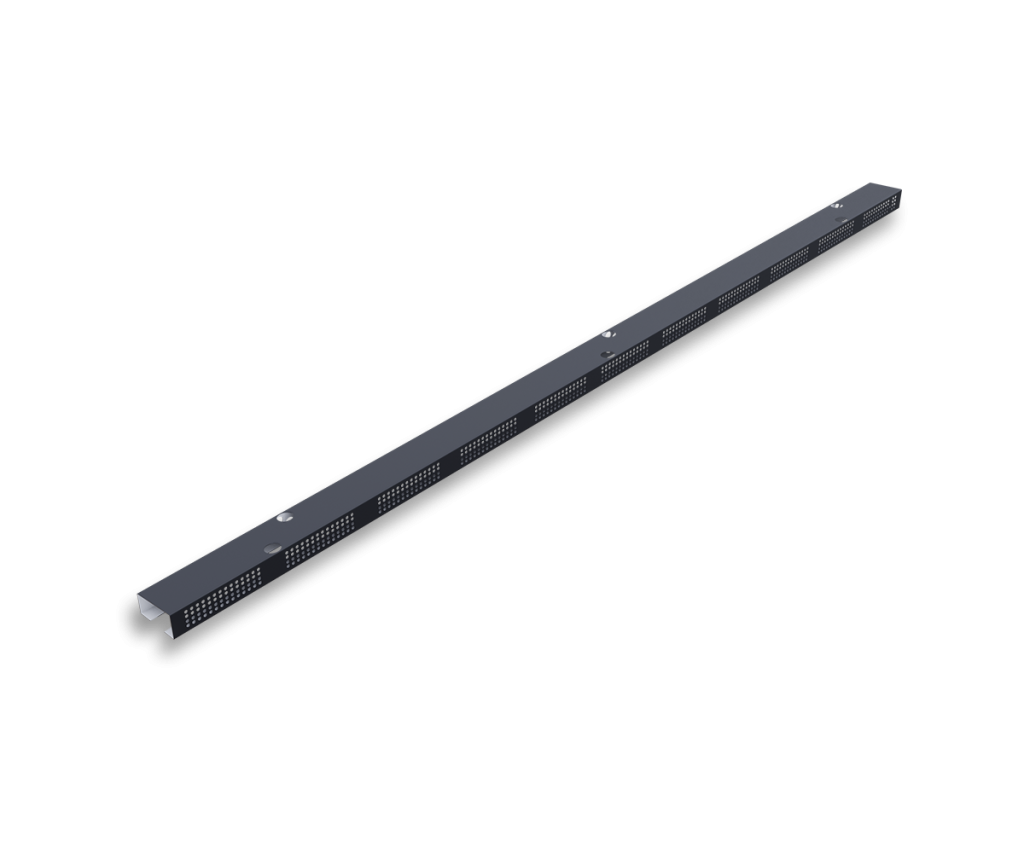
Ensures free intake of ventilation air under the roofing. Properly profiled, it provides full support for the roof tile. Precisely planned perforation ensures air flow and protects the roof slope against animals entering. Read more about roof slope ventilation HERE.
Eaves battens are available in our offer in the STANDARD FLASHINGS section.

Akcesoria

Ridge tape

Ridge tape, placed under the ridge, ensures unrestricted exhaust of air from under the roof slope, and thanks to its structure, simultaneously protects the roof crest against birds or rodents nesting. Made of special materials combined with lead strips, they ensure easy installation and excellent adhesion to the roof slope. Read more about the role of ridge tape in ventilation HERE..
Ridge tapes are available in our offer in the ROOF ACCESSORIES section.

Soffit

Perforated soffit

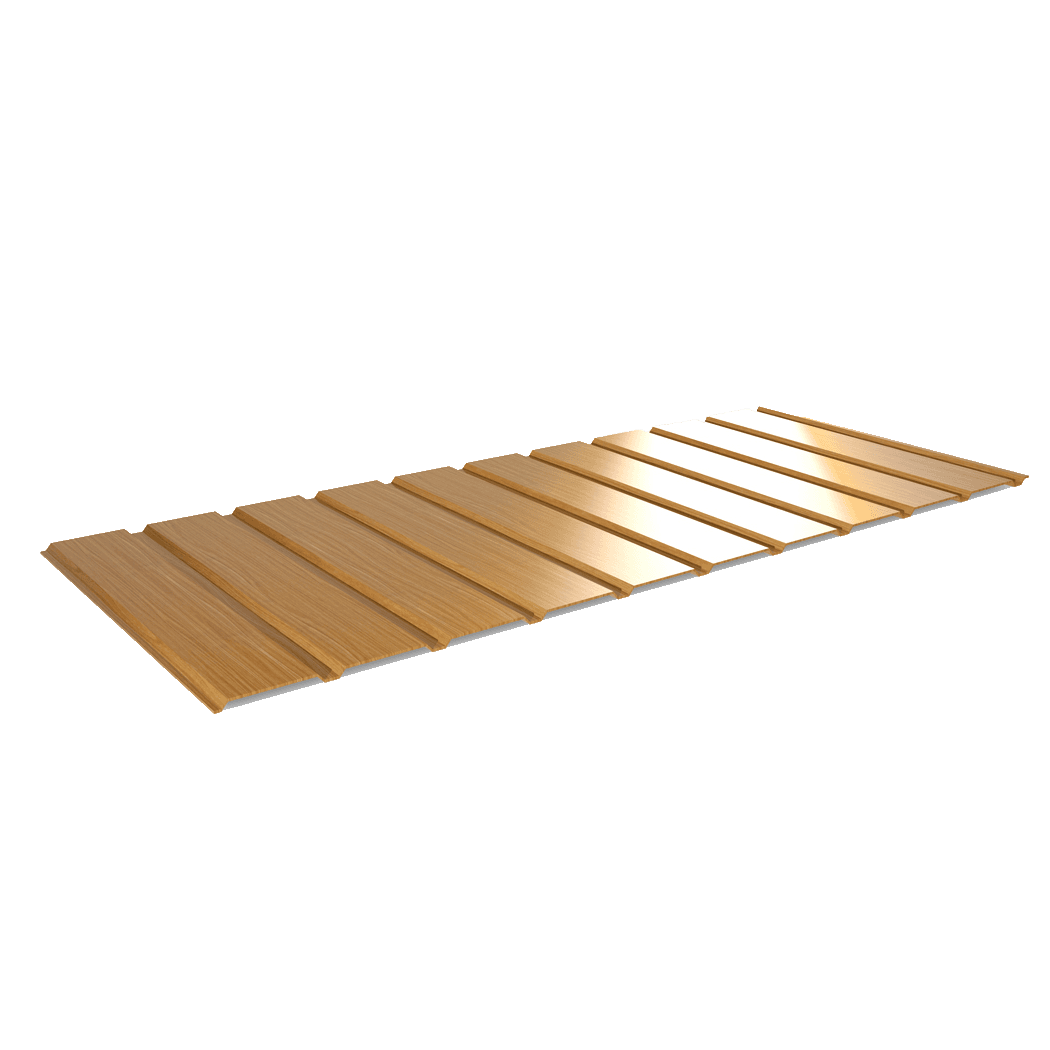
Perforated soffit is the best choice when it comes to combining the ventilation function of the eaves with protection against unwanted guests such as martens or mice. Machine perforation facilitates the airflow up the roof slope, and the material – metal sheet is an insurmountable barrier for animals. Read more about ventilation HERE.
Soffits available in our offer can be found in the SOFFITS section.

Under-ridge strip

Under-ridge strip VERONA

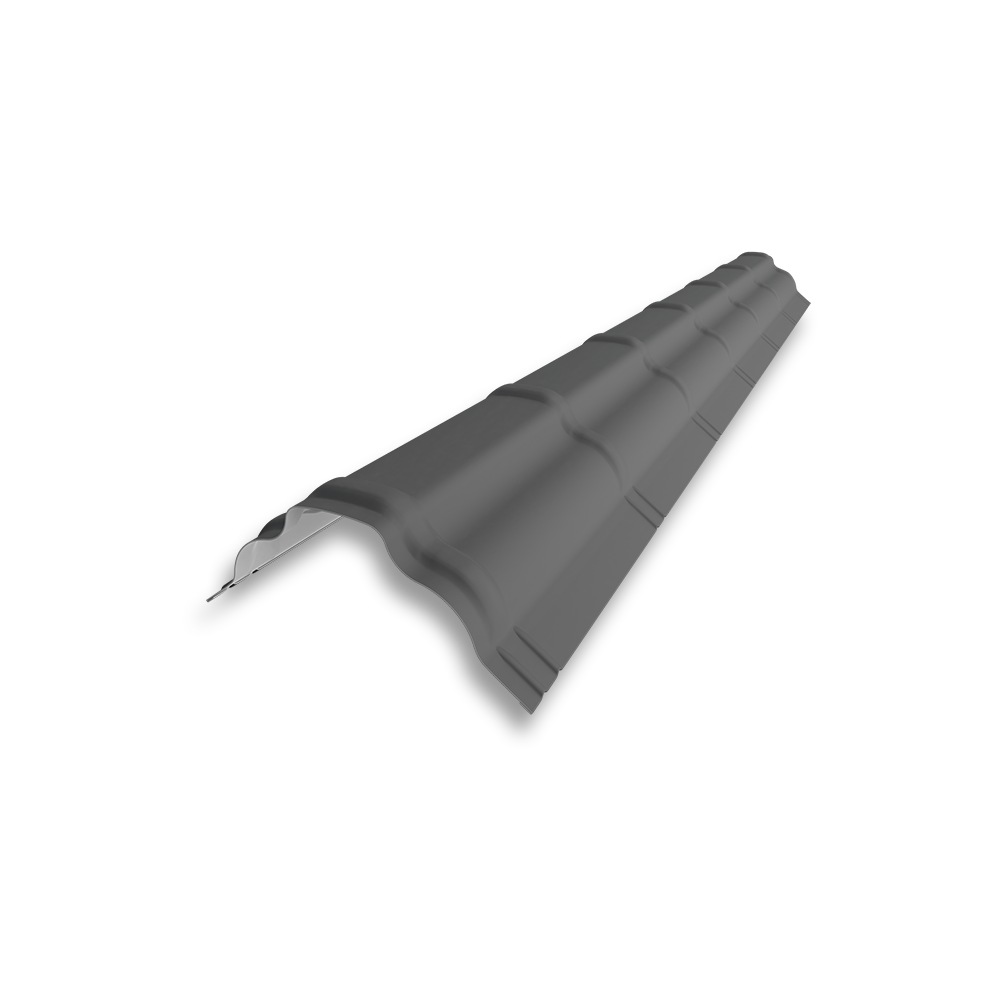
A special under-ridge strip has been designed for the VERONA panel roof tile, dedicated to its profile and application. Its design ensures proper airflow under the roof slope, while enhancing the aesthetic value of VERONA. It is also an essential element for ridge installation.

Choose a coating:
More information about coatings
PURMATmatte polyurethane

Technical specification of the coating

coating thickness
50 µm
corrosion resistance
High ★★★★
UV resistance
High ★★★★
machinability
High ★★★☆
aesthetic warranty
up to 30 years
technical warranty
50 years

Available colours

PUM RR 033
PUM R033
PUM RAL 7016
PUM RAL 7016
TOPMAT®matte polyester (Arcelor DE)

Technical specification of the coating

coating thickness
35 µm
corrosion resistance
High ★★★★
UV resistance
High ★★★★
machinability
High ★★★☆
aesthetic warranty
20 years
technical warranty
35 years

Available colours

TOPMAT RR 033
TOPMAT R033
TOPMAT R750
TOPMAT R750
TOPMAT RAL 7016
TOPMAT RAL 7016
TOPMAT RAL 7042
TOPMAT RAL 7042
TOPMAT RAL 8017
TOPMAT RAL 8017
The Pruszyński Company guarantees that each individual order will be produced in the same color (shade). However, due to the complexity of the coating processes, slight variations in shade may occur between individual shipments; therefore, our responsibility for color is limited to a single shipment.

When reordering sheet metal for a specific batch, please indicate on the order form or inform your sales representative that this is a follow-up order and provide a color sample. To ensure color consistency between sandwich panels and other components, such as flashings, please order them from a single supplier.

Inspiration

Technical specification

Technical Information

A new design of panel roof tiles from the flat metal roof tile family: the two-module panel roof tile.

Safer to assemble—the recommended assembly method is from the ridge down (the roofer works with battens).
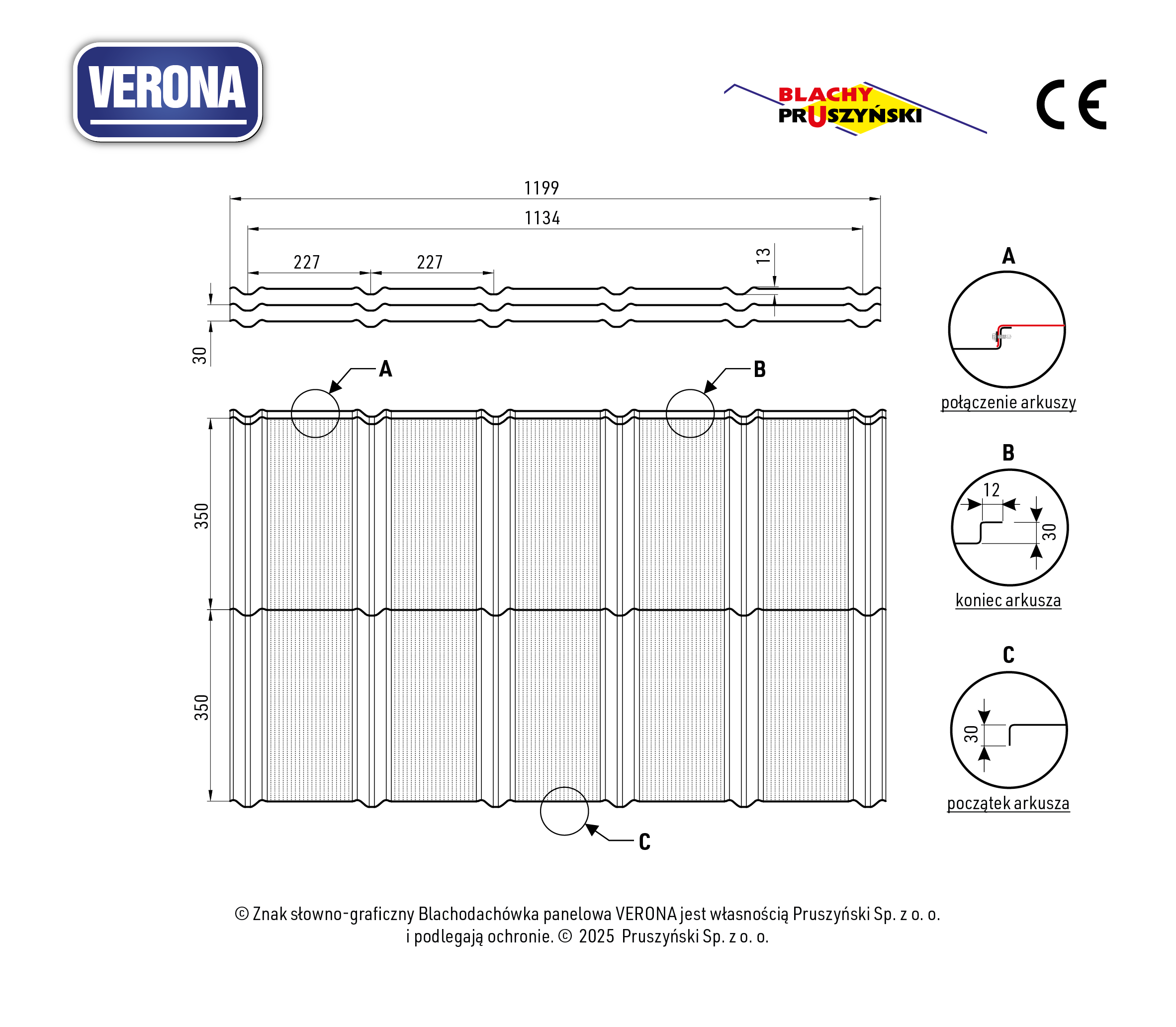
Module length:
350 mm
embossing height:
30 mm
profile height:
13 mm
usable width:
1,134 m
Overall width:
~1,199 mm
min. roof slope
20°
VERONA RYSUNEK przekroj

Recommendations

Transport and Storage

  • If you are picking up the goods with your own vehicle, the vehicle should have an open loading platform that allows for easy loading and unloading.
  • On the construction site, the panels should be stored in their original packaging, under a roof. Storage under these conditions should not exceed 3 weeks from the date of manufacture. After this time, the packaging must be opened, and the panels must be separated with spacers to allow for free air circulation. The maximum storage period should not exceed 6 months from the date of manufacture, under penalty of voiding the Warranty.
  • Protective films are used to provide additional protection for coated sheet metal against mechanical damage, stress, and impacts that may occur during transportation, handling, or forming. Protective films never exempt the user from the obligation to properly secure the sheets during storage or to protect them from the harmful effects of chemicals during processing. It is recommended to gradually remove the protective film from the finished profiles, one piece at a time, before installing the wall and roof components on the building. The protective film should be removed from the sheet metal surface within three weeks of the sheet’s date of manufacture, provided the product is stored properly—that is, at a positive temperature, away from high humidity, and out of direct sunlight. Failure to maintain proper storage conditions may shorten the time for removing the film to three days from the date of delivery.
  • Improper storage can make it difficult to remove the protective film and leave adhesive residue on the sheets.

Maintenance and Cleaning

  • To extend the service life of roofs and facades made of coated sheet metal, they should be inspected and maintained regularly.
  • Inspection – Once a year (preferably in the spring), you should inspect the roof and exterior walls to detect any damage early on.
  • Cleaning Metal Sheets – Roofs and facades made of coated metal sheets require cleaning at least once a year. Dirt that accumulates on the sheet metal can cause uneven discoloration (due to uneven exposure to UV rays) and reduce corrosion resistance (dirt traps moisture on the sheet metal, gradually damaging it). Dirty and stained areas can be cleaned with a soft brush and water (max. 60°C). If necessary, a mild detergent may be added to the water (pH 6–7, max. 10% solution). Pressurized water (max. 100 bar) may also be used for cleaning; however, the water jet must not be directed too close to the sheet’s surface (min. 30 cm), nor should it be directed perpendicular to the surface. At the joints, the water stream should be directed downward to prevent pressurized water from entering the gaps around the joints. Old coatings must be handled with extreme caution. Wash from top to bottom, and always rinse the cleaned area thoroughly with clean water immediately afterward.
  • Do not use scouring powders, nitro solvents, chlorine-based solutions, aromatic cleaning agents, or products containing ammonium chloride (salmiak) or sodium salts.
  • Damage — Any repairs to damage that may occur during the Warranty period should be discussed with the roof/facade contractor and may be performed only with the contractor’s approval. Repairs to small areas are performed using air-drying touch-up paints. Painting large areas is generally only possible using special industrial paints designed for the renovation of coatings. The area to be painted should be limited only to those spots that require it (scratches down to the metal layer, corrosion spots, etc.). Surface preparation for painting must be performed in accordance with generally accepted principles. Always thoroughly remove all traces of corrosion—preferably using special brushes or fine-grit sandpaper. Then, the surface to be repaired must be thoroughly dusted, degreased, and cleaned. To degrease the surface, you can use extraction gasoline or water with added surfactants (preferably with 1–2% ammonia solution). The repaired areas may show color differences compared to the original sheet metal colors due to natural weathering (aging of the paint under the influence of UV radiation).
  • Organically coated steel sheets must not be used in:
    • an environment in constant contact with highly saline water,
    • contact with construction chemicals, including concrete, plaster, wet wood, etc.,
    • in an environment exposed to harsh chemicals
    • in combination with materials having a different electrochemical potential
  • CAUTION—Health and safety rules must be strictly observed during inspections, cleaning, maintenance, and repairs.
  • Pruszyński Company is not liable for any accidents that may result from performing the above activities

Installation Notes

Wooden grill grate:

  • It is recommended to use battens with a minimum width of 50 mm (depending on the roof pitch and the length of the roof surface).
  • The counter-battens should be at least 40 mm high (depending on the roof pitch and the length of the roof surface). Be sure to adjust the dimensions of the battens to match the rafter spacing.
  • For the substructure, we recommend using dry structural lumber of Class C24 or KVH.
  • Counter-battens are used to secure roofing membrane (pre-covering roofing membrane—FWK) to the rafters. Metal roof tile panels are attached directly to the battens.
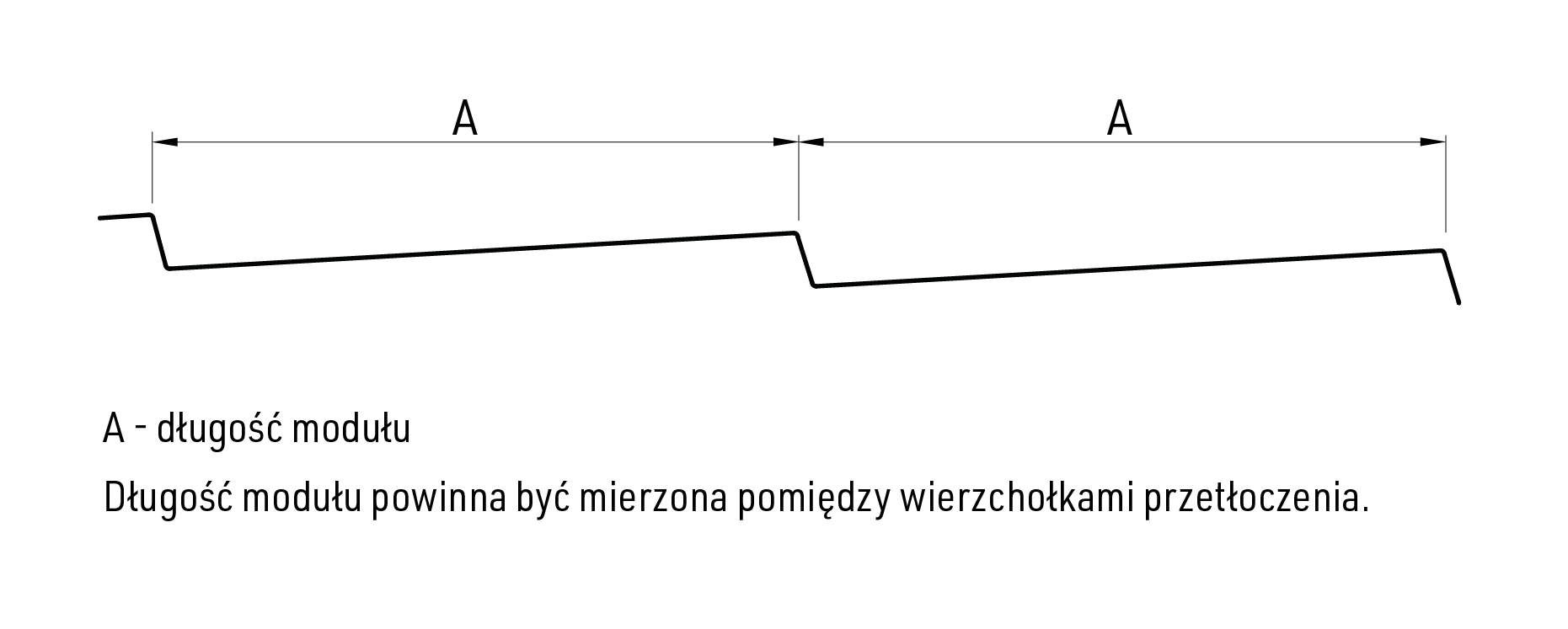
  • The optimal distance between the first and second battens should be 270 mm. The spacing between battens for panel roof tiles should be 350 mm. This is due to the length of the panel roof tile module. Keep in mind that the module length is measured according to the diagram below.

  • Roofs with slopes of less than 20º require a watertight pre-covering. This allows for the achievement of a Class 1 or Class 2 watertight rating (a watertight underlayment or a rainproof underlayment).

We also invite you to review the full version of the Assembly Manual, which you can find on our website under the “Downloads” tab in the “Contractor” section .
Do you have any questions?

Modular roof tiles provide good thermal insulation?
Proper thermal insulation is provided by the insulation layer installed beneath the roof covering, which is designed to prevent heat loss from the building and ensure appropriate indoor temperatures.
How often are battens placed under modular roof tiles?
It is assumed that for panel roof tiles, the ridge spacing should be 350 mm—exactly the length of a typical metal roof tile module. However, recommendations may vary in specific cases. All information regarding assembly recommendations and assembly instructions can be found on our website in the product sheet, under the “Assembly Notes” section.
What should you look for when choosing metal roof tiles?
When choosing metal roof tiles, pay attention to the quality of the base material (coated sheet metal), the technical specifications (resistance to weather conditions such as rain, snow, wind, UV radiation, etc.), the shape of the roof, and, above all, the protective coatings used and the terms of the manufacturer’s Warranty. You can learn more about this topic in the article below: WHAT TO LOOK FOR WHEN BUYING METAL ROOF TILES
What is the difference between modular roof tiles and standing seam metal roofing?
Modular roof tiles and standing seam metal roofing are two types of metal roofing that differ primarily in appearance and construction. Standing seam metal roofing consists of long sheets, custom-ordered to fit the roof’s dimensions, which feature a built-in click-type “lock” with an integrated, concealed mounting strip. Modular roof tiles, on the other hand, are sold in standard, small-sized sheets, which provide greater flexibility during assembly. Additionally, standing seam panels can be made from sheet metal up to 0.70 mm thick, while panel-type roofing sheets are available only in a thickness of 0.50 mm.
How long will a roof made of modular roof tiles last?
The durability of a roof depends on many factors, such as: the quality of the materials used, including the wood used to construct the roof framing; the type of protective coating; climatic conditions; and proper roof installation. Regular inspections and maintenance of the roof are essential to maximize its lifespan. It is generally accepted that a roof made of modular roof tiles can last over 20 years before it needs to be replaced. It is also advisable to use products from reputable manufacturers who offer performance warranties on their products, such as Blachy Pruszyński Company, which offers warranties ranging from 15 to even 50 years on modular roof tiles, depending on the protective coating selected.
Standard flashings

You might find this interesting:

Standard flashings

View the offer

Other items in this category

tigra plus blachodachowkabig square Tigra Plus
Modular roof tile - panel type
See product
Blachodachowka FIORD Fjord
Modular roof tile - panel type
See product
Blachodachowka PLASKA Flat
Modular roof tile - panel type
See product
Blachodachowka PLASKA PLUS Flat Plus
Modular roof tile - panel type
See product
Blachodachowka panelowa REGLE Regle
Modular roof tile - panel type
See product
Blachodachowka panelowa MODUS Modus
Modular roof tile - panel type
See product
Blachodachowka LOARA Loara
Modular roof tile - panel type
See product
Blachodachowka REN Ren
Modular roof tile - panel type
See product
Blachodachowka SZAFIR Sapphire
Modular roof tile - panel type
See product

Explore our selection of accessories

He'll choose the best accessories for his roof!

Omega Ridge (large) Omega Ridge (large)
Roof flashings - Ridge flashings
See product
Łata okapowa wentylacyjna Ventilation eaves batten
Roof flashings - Ventilation flashing
See product
Podbitka z blachy trapezowej TP-7 bez perforacji T-7P, unperforated
Trapezoidal Sheets Soffit
See product

Articles

Company Events, What's new
Official Opening of the New Kraków Branch Office in Chrzanów

Official opening of the Kraków branch’s new headquarters in Chrzanów. The modern warehouse and office facilities improve product availability and streamline order fulfillment for customers in Małopolska and Silesia. This investment marks another step in the expansion of our branch network and provides tangible support for contractors.

Read more
Business, Company Events, What's new
The FincoStal brand disappears from the market - there is a full connection with Pruszyński sheet

Please be advised that on 01/03/2023 the Fincostal brand will be fully connected to Pruszyński sheet. Considering the interests of our contractors and clients, we took steps for this process to take place maximally smoothly, without any impact on the continuity of the offer and conditions.

Read more
Trade Show, Training, What's new
Budma 2023 - in a moment the start of the largest construction fair. We invite you to our stand.

The beginning of the year is full of unique industry meetings. After Dachforum 2023, which turned out to be a huge success, time for Budma, i.e. the largest event of the construction industry.

Read more