- Offer
Products
Additional services and products
- Download
- Good to know
- Training
- Promotional program
- Inspirations
- About company
- Szukaj
- Contact us
- EN
MENU

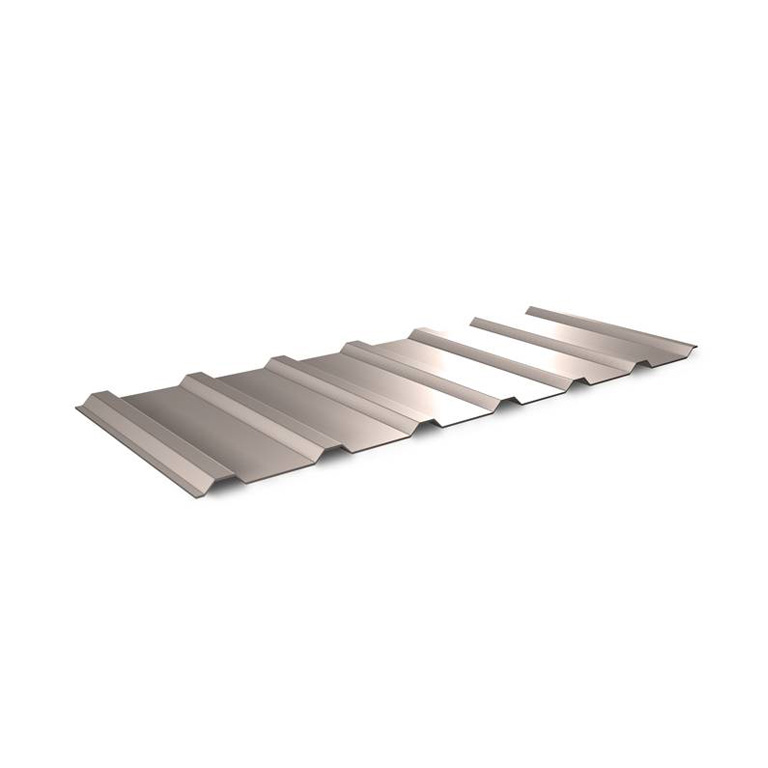
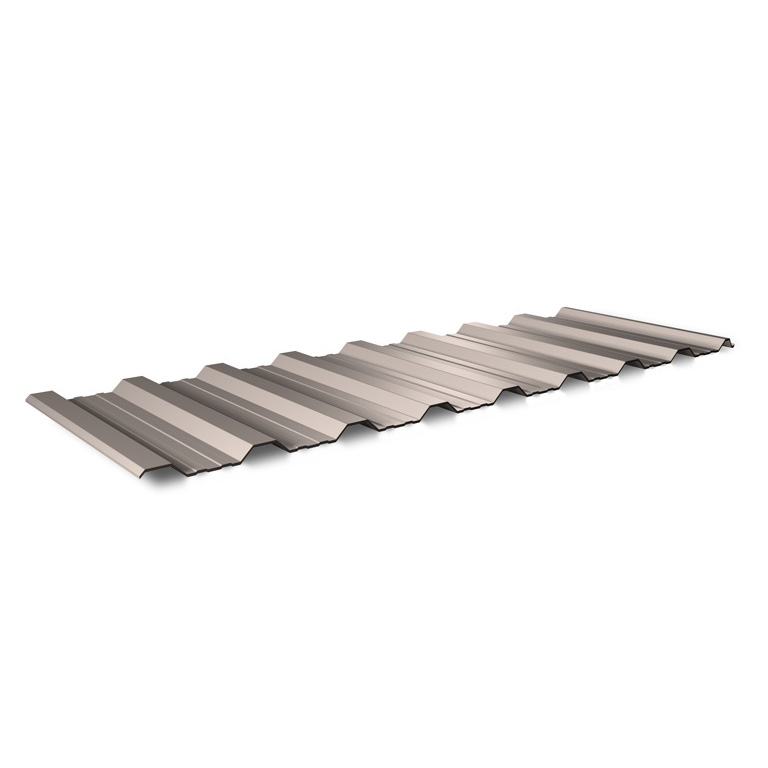
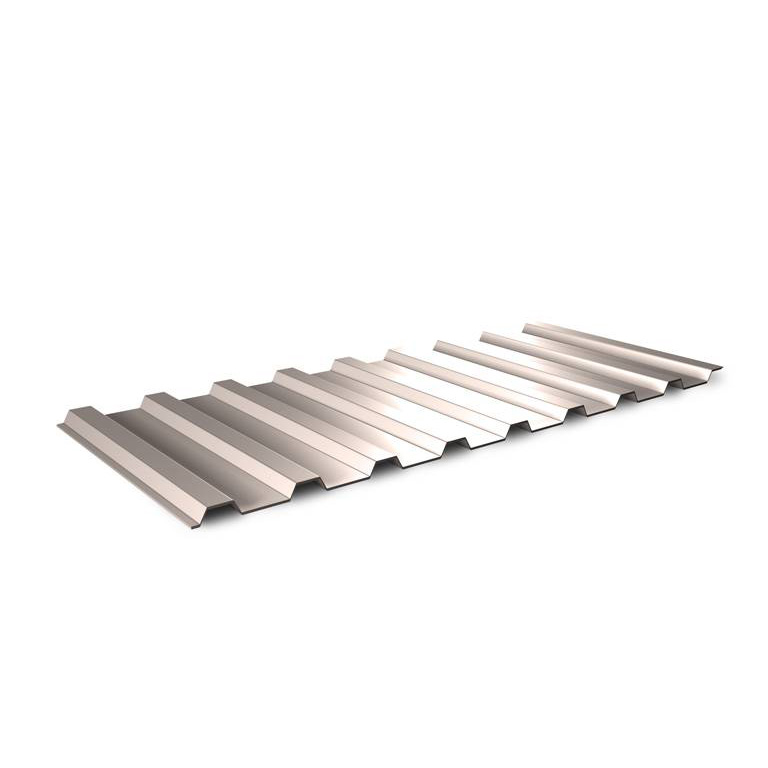
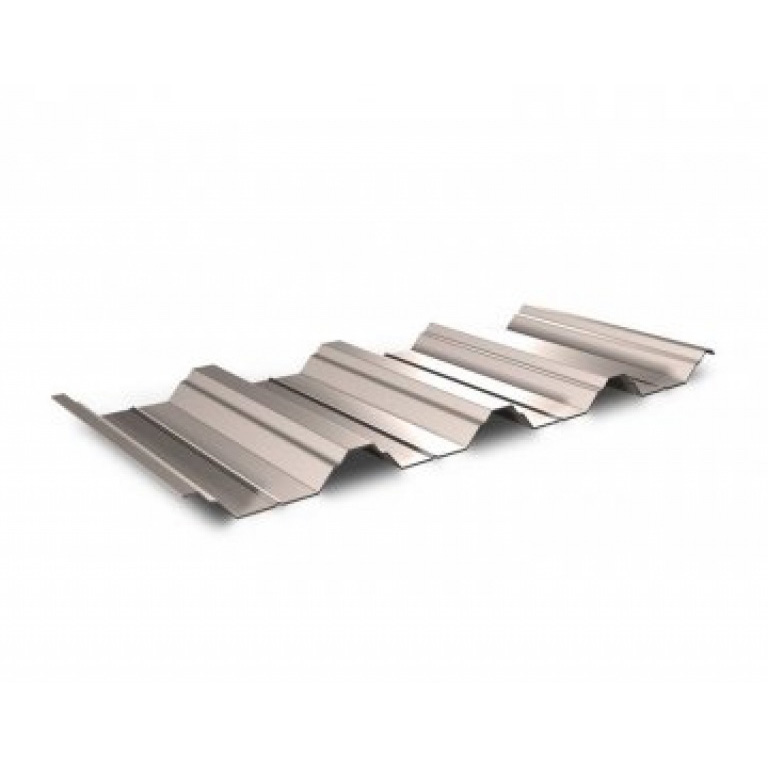
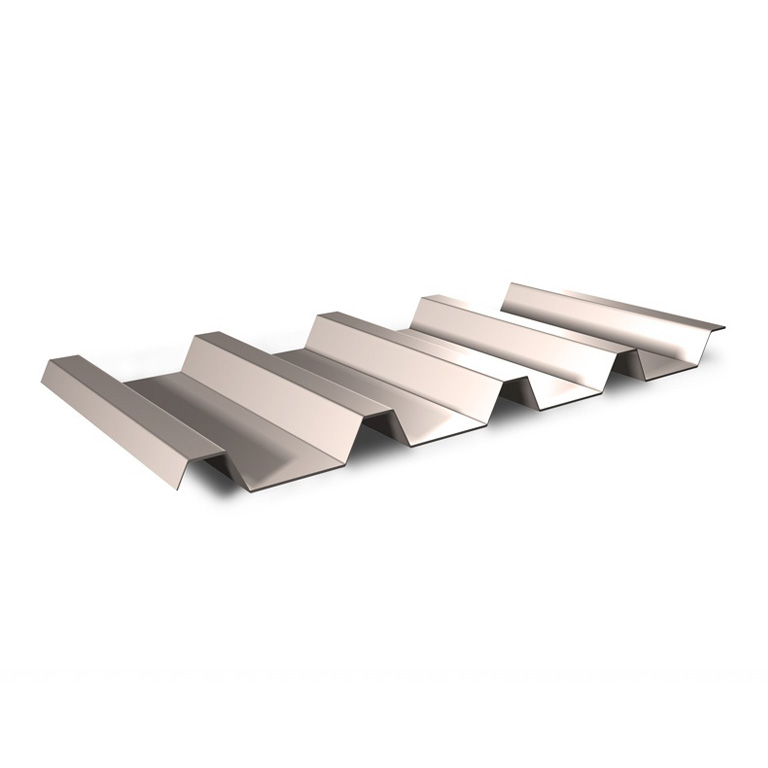
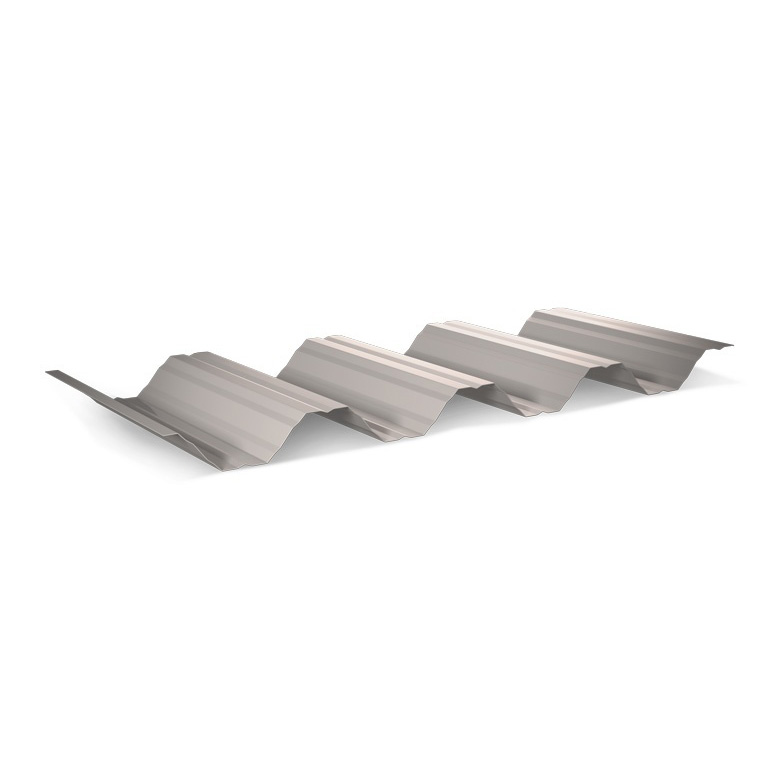
Trapezoidal roofing sheets are highly sought after as the most economical building materials with a wide range of applications. Trapezoidal roofing has been widely used for years in residential, industrial, and commercial construction. A wide selection of protective coatings, modern color schemes, and ease of installation have made trapezoidal sheet metal a popular choice for modern buildings with simple forms, where geometric shapes and minimalist styling predominate. It can replace metal roof tile roofing because, like metal roof tiles, it does not add significant weight to the roof structure.
We invite you to learn more about our trapezoidal roofing sheets.
T14, T18, T18DR, T18D-O, T18P, T20, TP26SUPER, T35E, T40, T45, T45P, T50P, T55P, T60P, T92P
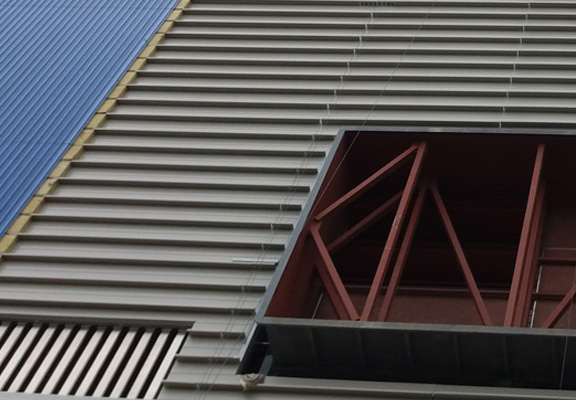
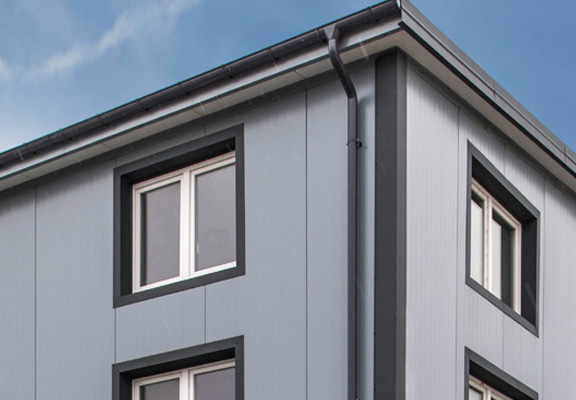
We also encourage you to explore our full range of trapezoidal sheets, categorized by application (facades, structures).

Trapezoidal sheets are a lightweight roofing material that can be used with almost any roof pitch. According to standards, they can be used even with a pitch as low as 4° (for trapezoidal sheets with a T35 profile or higher). It is characterized by strength and rigidity, and thanks to its profile—which is higher than that of typical metal roof tiles—it effectively drains rainwater from the roof.
Trapezoidal sheets vary in sheet type and profile height —those used for roofing have a profile height ranging from 14 to 60 mm (T14–T60) and are made of galvanized or coated sheet metal, as well as AZ (galvalume) coated sheet metal. Sheets with a smaller profile (from T6 onward) and trapezoidal sheets are also used on facades, for building fences, or for garage doors. Higher profiles (above T60) are used for roofs with large spans and in load-bearing structures.


A major advantage of trapezoidal sheets is that they can be used as roof coverings for virtually any roof pitch (depending on the height of the trapezoidal profile). When considering assembly speed and material cost, trapezoidal sheets work best on large, simple roofs, much like tailored roof tiles.
Since roofing metal sheets are considered a “lightweight” roof covering, it’s worth considering them even if the roof structure isn’t designed to support heavy roofing materials (such as roof tiles) or if the previous roof covering was made of roofing metal sheets.
Trapezoidal sheets have been a popular building material for years because they are highly versatile. They are most commonly used for roofing:

The trapezoidal roofing sheets offered by the Blachy Pruszyński Company are manufactured in accordance with the PN-EN 14782 standard and bear the CE mark. For over 30 years, our products have been used on construction sites in Poland and throughout the European Union.
Among their most important advantages, it is worth mentioning:
The Pruszyński Company’s trapezoidal sheets provide a warranty for the highest quality products at a good price, as confirmed by numerous industry awards.
The trapezoidal sheets available on the market are made of steel or aluminum sheet with a thickness ranging from 0.50 mm to 1.50 mm. In addition to the type of sheet, products in this category differ in their protective coating: zinc, galvanized, polyester, or polyurethane—which protect the sheet’s core from rust and moisture, and in the case of polyurethane coatings, also from discoloration and mechanical damage. Therefore , the type, thickness, and protective coating of the sheet metal should be selected based on the type of building and its intended use (e.g., outbuilding, industrial hall), as well as the surrounding environment and the atmospheric or environmental factors affecting the roof coverings. Trapezoidal sheets also vary in profile height, which ranges from 14 to 60 mm; compared to other trapezoidal sheets, this is an average value.
Currently, our product line includes over a dozen roof coverings that vary in material type and thickness, roll width, effective width, total width, and finish type—all of which affect their resistance to weather conditions:
All trapezoidal sheets from the Blachy Pruszyński Company are manufactured in accordance with the PN-EN 14782 standard and bear the CE mark. These products can also be used on building facades, as well as for fences and garage doors.
To make the roof tight, durable and aesthetic, the Pruszyński company offers the necessary accessories for all metal roofing tiles: screws, gąsiui and other flashings matching the color of the roofing tiles, as well as sealing tapes, fitting paints and flat metal sheets for unusual roofing.
The price of trapezoidal sheets is an important factor for an investor, but they should also take into account the service life of the roofing material. High-quality galvanized trapezoidal sheets offer excellent resistance to mechanical damage and moisture, so they’re worth considering for the roof of a single-family home that’s exposed to these elements. However, in such cases, it’s worth choosing a version with a protective coating, which will provide additional protection against UV rays and water. Trapezoidal sheets with a polyester coating are the most commonly chosen solution for roofing. If the homeowner opts for the best, polyurethane protective coating, such as PURLAK or PURMAT manufactured by the Blachy Pruszyński Company, they can receive a product warranty of up to 50 years.
Due to its distinctive geometric shape, trapezoidal sheets are well-suited for homes built in a modern, minimalist style. Homeowners typically choose a roofing color associated with and accentuating this style—graphite, gray, or metallic. Industrial facilities, warehouses, and manufacturing plants have different requirements for specific types of sheet metal, and zinc-coated steel roofing is much more common in these settings.
Product / profile height | Required roof pitch depending on profile height for trapezoidal roofing sheets | |
Recommended pitch in º (degrees) according to the Manufacturer | Roof pitch in º (degrees) according to the standard | |

| 6º-9º – with an overlap of min. 300mm 9º – with an overlap of min. 200mm 9º – with an overlap of min. 150mm | 6º – with an overlap of minimum 300 mm 9º – with an overlap of minimum 150 mm |
Trapezoidal sheets with a profile < 35 mm | ||

| 6º – with an overlap of min. 300mm 6º-9º – with an overlap of min. 200mm 9º – with an overlap of min. 150mm | 4º – with an overlap of minimum 300 mm 6º – with an overlap of minimum 150 mm |
Trapezoidal sheets with a profile ≥ 35 mm | ||
We also encourage you to explore our full range of trapezoidal sheets and profiles, designed for both exterior walls and construction trapezoidal profiles,