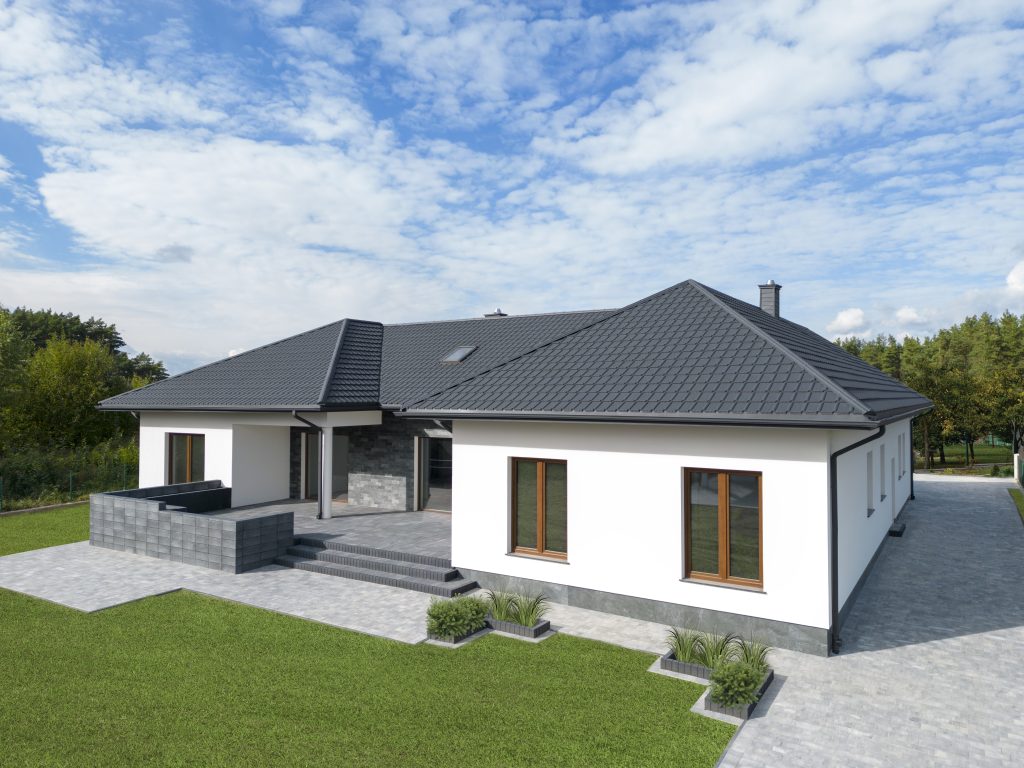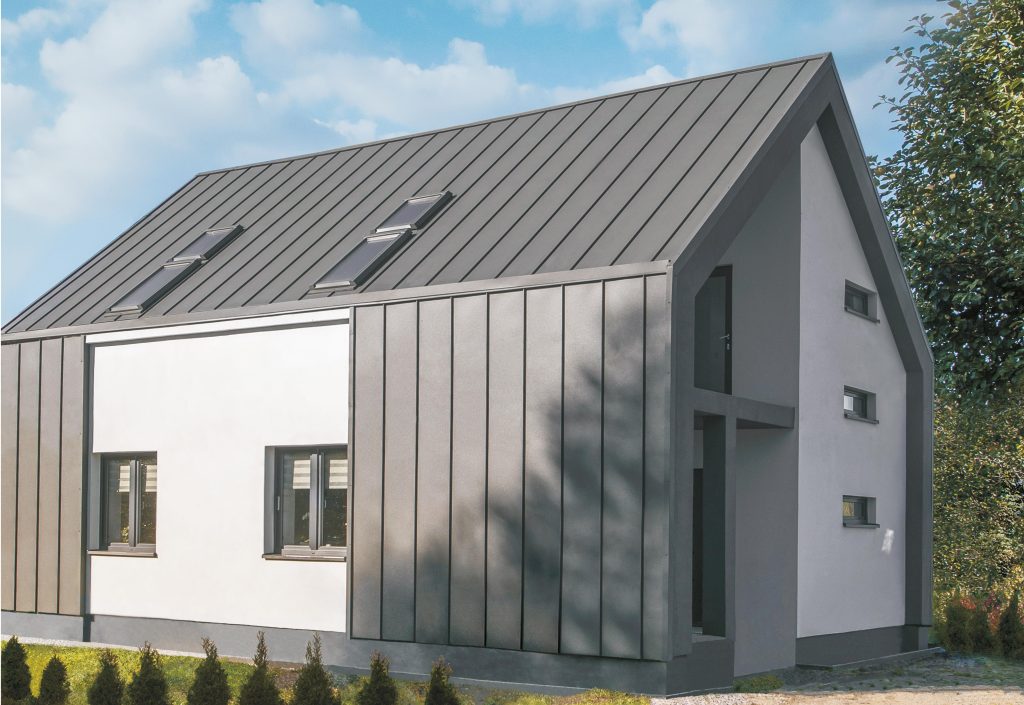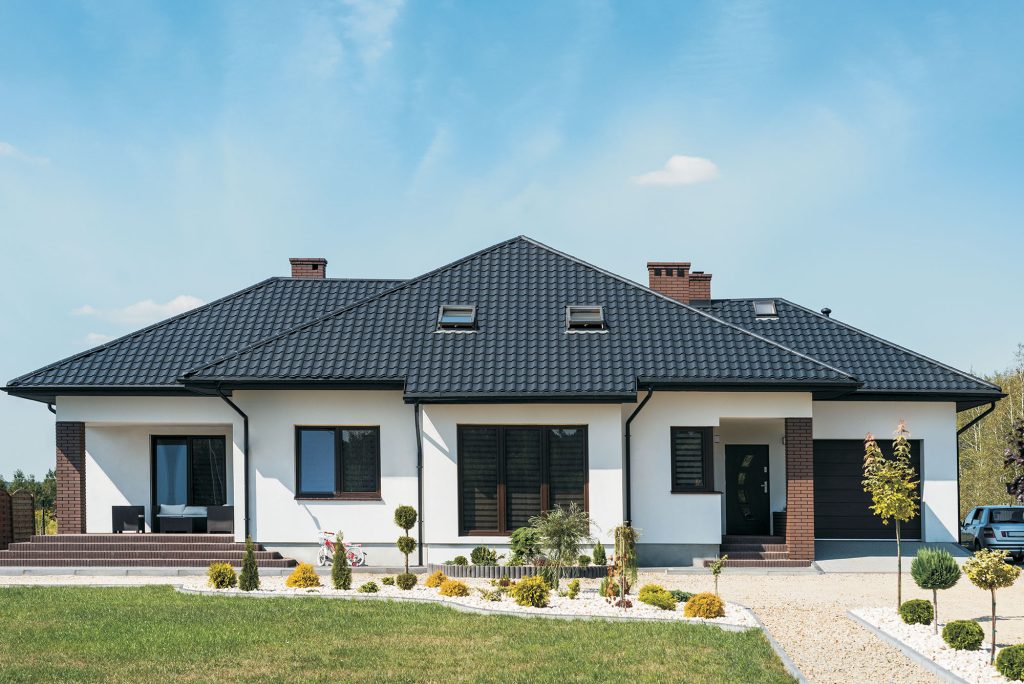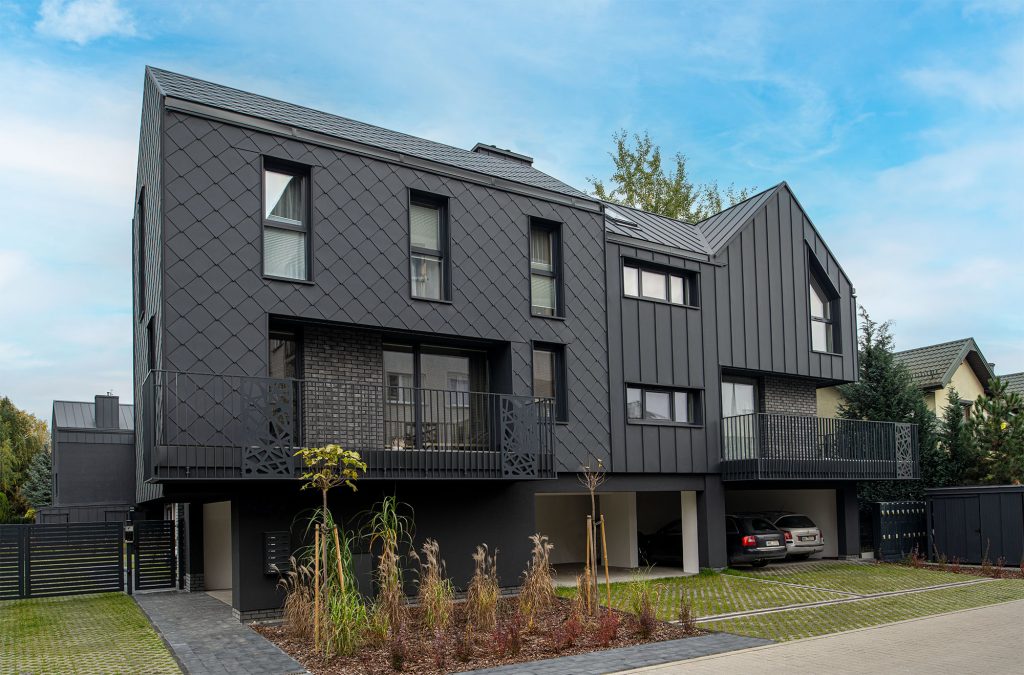
Soffit is a product used to provide an attractive finish to the eaves of a roof. Its assembly is relatively inexpensive and straightforward. It is available in a wide range of colors, allowing it to be matched to the roof or the homeowner’s individual needs. In addition to its aesthetic benefits, it plays an important role in protecting the roof structure and vulnerable areas from the adverse effects of moisture and strong winds.
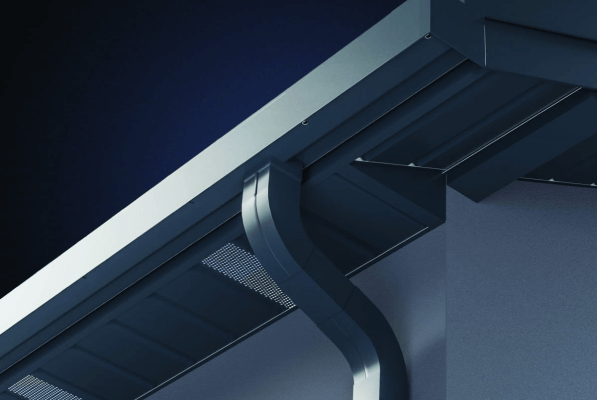
Soffit, also known as roof underlayment, is installed on the protruding structural elements—the rafters—that extend beyond the wall line. The use of soffit panels ensures that the raw, less-than-aesthetic roof structure is covered with a stylish product that also provides protection against external factors (including weather conditions such as rain and wind).
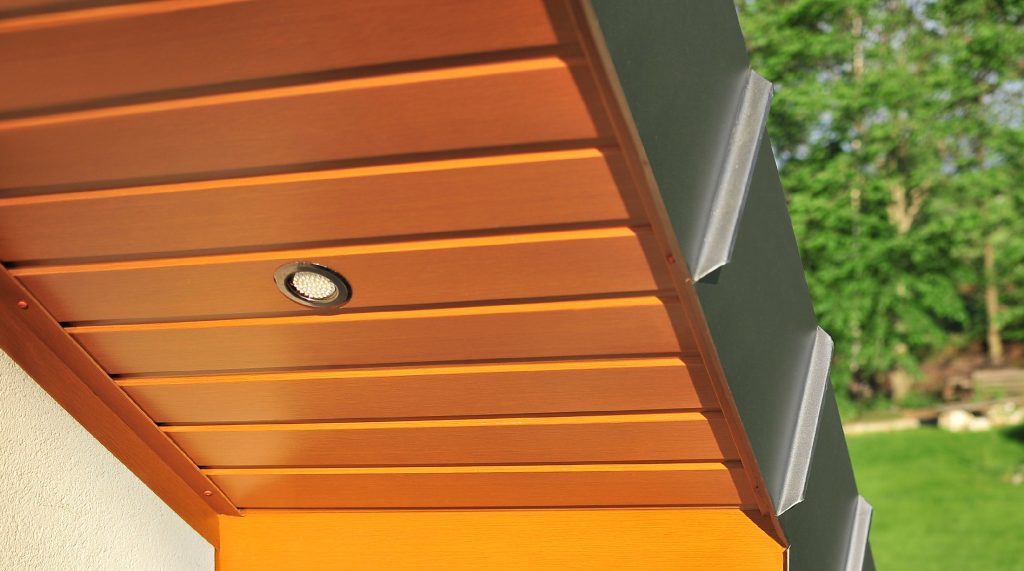
Soffit is primarily used as an aesthetic covering for roof structural elements. However, the soffit’s visual function is often not the only important aspect. It is also used to protect the roof from animals or insects settling there. Exposed structural elements are an ideal place for hornets or birds to settle and build their nests. Another important function is protection against strong winds; the soffit’s role is to prevent the roof deck from being lifted by extreme gusts, which have been occurring quite frequently in our region recently. The soffit also serves as a protective barrier against rain and moisture.
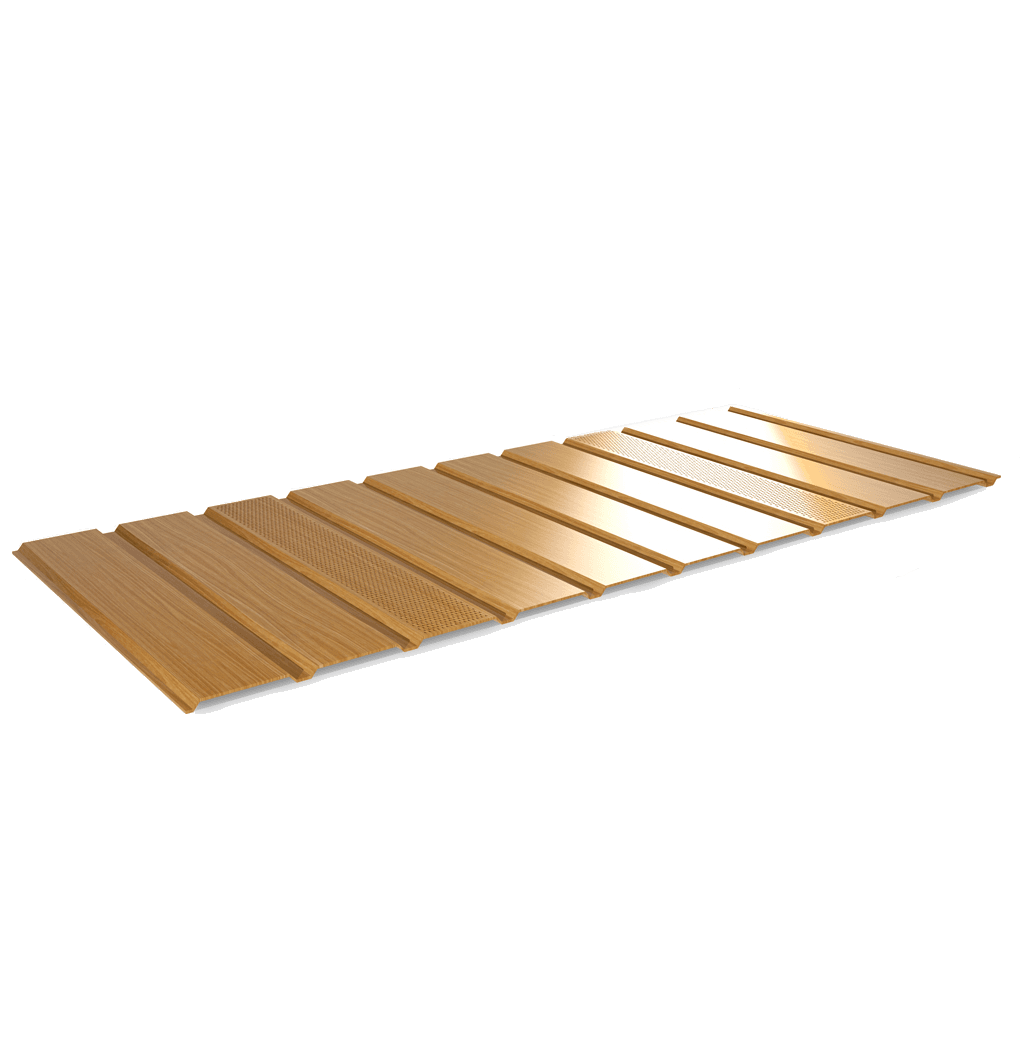
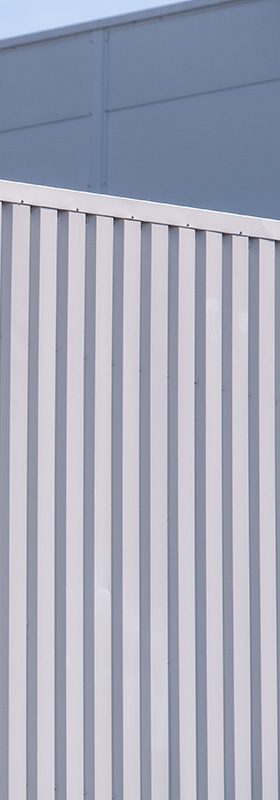
Soffit made from steel-coated sheet metal from the Blachy Pruszyński Company is available in two versions: standard TP-7 trapezoidal sheets and TP-7P perforated sheets. The perforations in the sheets are designed to ensure adequate ventilation of the roof deck on roofs with a watertight pre-covering (roofing felt, EPDM membrane).


Many customers choose to use profiled metal soffits, and they all praise this solution. Among the most commonly cited reasons for their high satisfaction with this choice are:
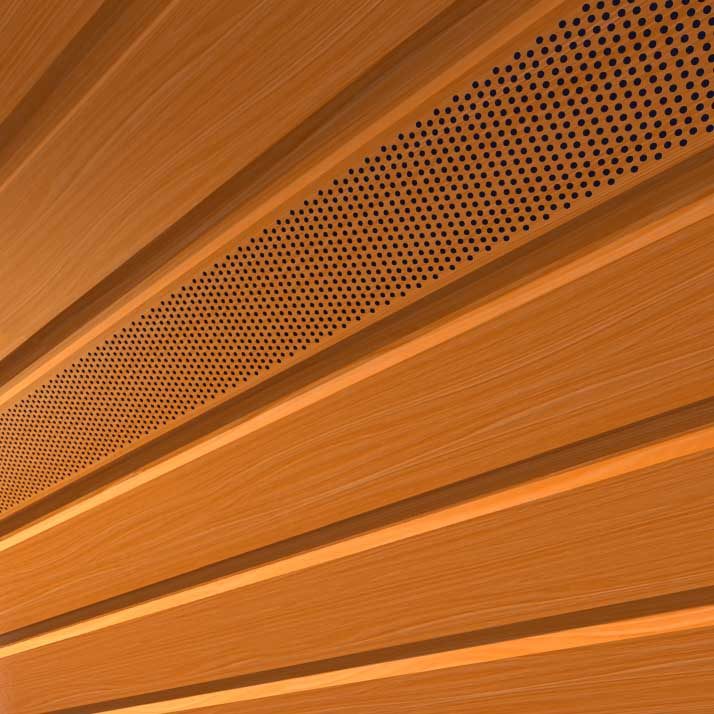
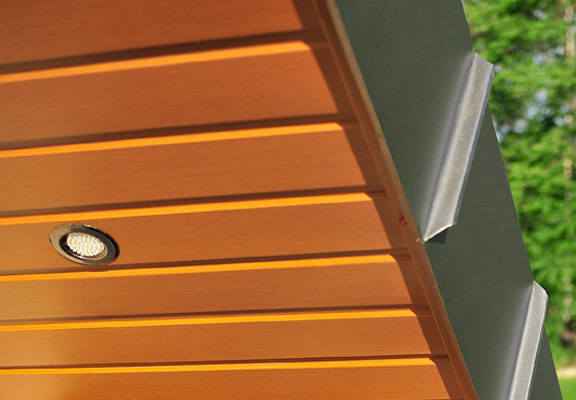
Soffit panels can be installed either parallel to or perpendicular to the wall of the house. However, because shorter panels are used when performing perpendicular assembly, this method is more commonly used. The first step is to accurately measure the soffit (it can be made to virtually any size), which minimizes the need for additional cutting of the metal sheets and reduces unnecessary waste. The next step is to plan the ventilation openings (proper ventilation is essential for the roof to function correctly for many years), which are not as straightforward, and it is definitely worth consulting an experienced roofer on this matter. You may also consider assembling pre-perforated sheet metal to ensure optimal ventilation of the roof covering. Another common solution is installing lighting in the soffit, the layout of which should be planned before the soffit is assembled.
The soffit assembly itself can be carried out in various ways. A popular assembly method involves using a fascia board and installing battens and laths, which ensure the soffit is properly and securely fastened.
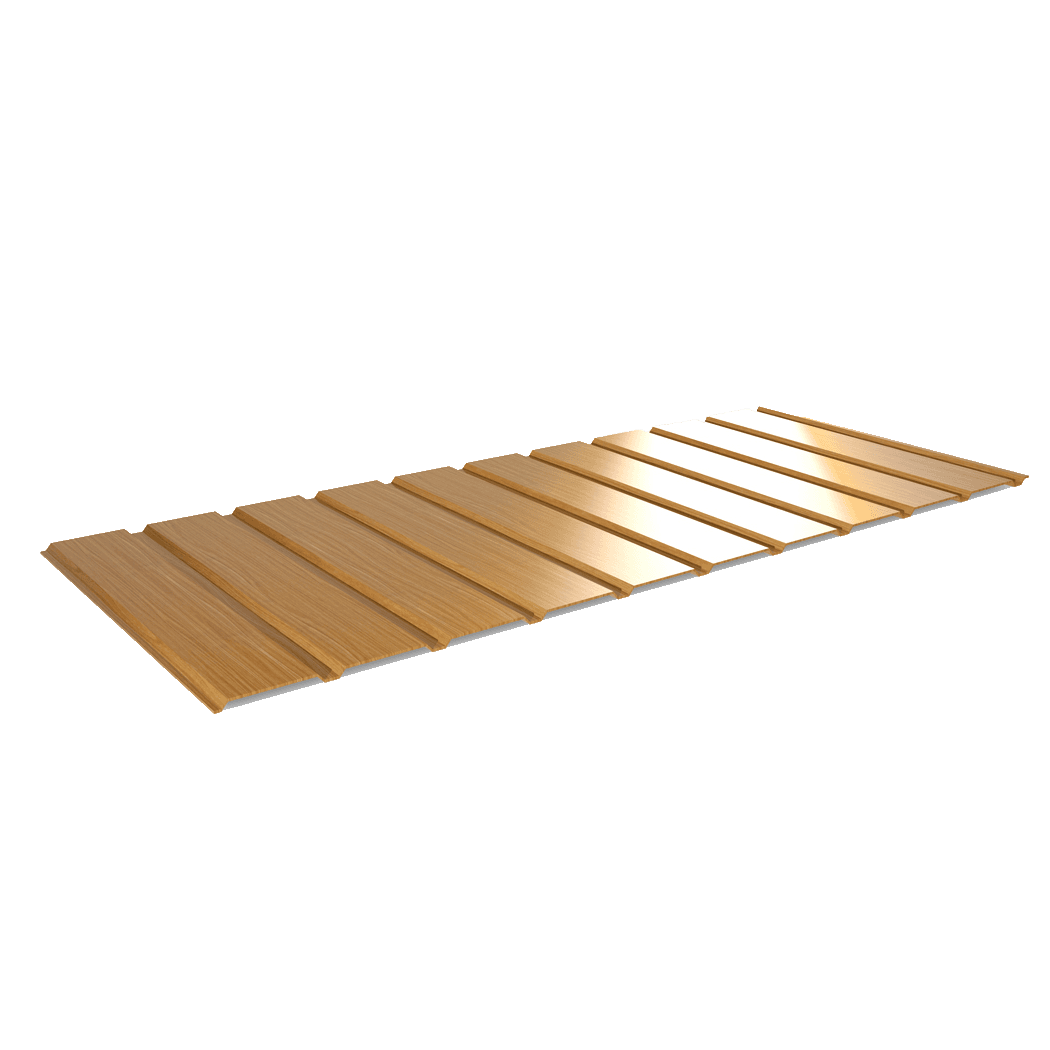
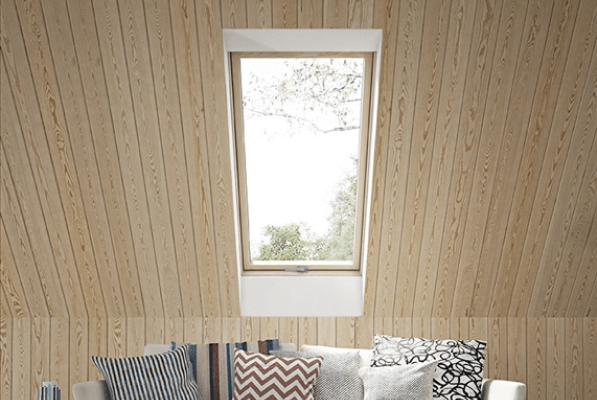
Soffits are available in a standard, wide range of colors and coatings, as well as in wood-grain finishes such as golden oak or walnut—but that’s not all.
Available colors include:
A soffit made of sheet metal (the material used in its production is galvanized and coated steel sheet) is, above all, an inexpensive and easy-to-assemble product that does not discolor due to UV radiation. Soffit made of perforated TP-7P trapezoidal sheet metal is a solution that has all the attributes needed to replace the PVC soffits commonly used. Wooden soffits are a style that appeals to many homeowners; however, they are more expensive and require regular maintenance later on (such as preservation treatments and painting with wood preservatives). PVC soffits, often available in a wide range of colors (including wood-grain finishes), tend to discolor and may fade after a few years of use due to exposure to sunlight. Metal sheeting has advantages over other soffit materials, whether in terms of ease of assembly or the absence of discoloration; however, it is not the only option for an aesthetically pleasing eave finish, and the choice of the optimal solution should be carefully considered.
It is definitely worth installing soffit, if only to protect the eaves from the elements and prevent insects and birds from nesting under the roof. Soffit also provides a very attractive finish to the eaves, and its availability in colors that can be matched to the roof coverings ensures that it forms a cohesive whole with the roof.
To make the roof tight, durable and aesthetic, the Pruszyński company offers the necessary accessories for all metal roofing tiles: screws, gąsiui and other flashings matching the color of the roofing tiles, as well as sealing tapes, fitting paints and flat metal sheets for unusual roofing.
In our offer you will find a rich list of high -quality light roofing covers at attractive prices. We encourage you to familiarize yourself with our products!!