MENU
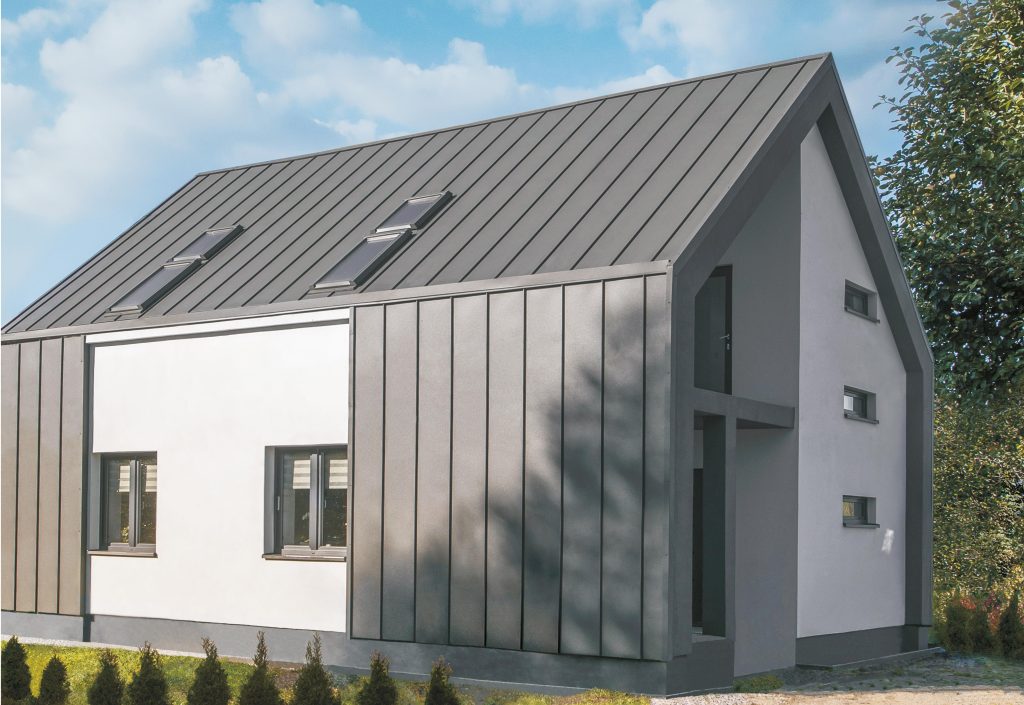
With the rise of minimalism in architecture, the traditional “standing seam” roofing method has made a comeback in a new form as “standing seam” roof panels. Modern technologies have extended the lifespan of this type of roof covering, reduced assembly time, and made it possible to create new visual effects on roofs. The distinctive pattern that standing-seam roof panels create on a roof surface has found its place in religious architecture, historic townhouses, and palaces, as well as in designs for modern public buildings and single-family homes. These versatile building materials can be found not only on roofs but also on facades. Like metal roof tiles, standing seam metal panels do not place a heavy load on the roof structure due to their light weight; they are resistant to corrosion and adverse weather conditions. The unique pattern they create on the roof surface makes them a highly aesthetic and modern roofing material.
If you see long strips of sheet metal on the roof, it is most likely a “standing seam” roof. This is one of the oldest roofing methods in construction, which in the past required a high level of manual skill from contractors and was very time-consuming. New technologies have introduced many improvements; for example, the sheets are now manufactured as panels, factory-formed standing seams have replaced hand-formed ones, and the panels are joined by pressing adjacent seams together—the smaller one against the larger one. Modern panels are approximately 50–55 cm wide, while their length can vary as needed by the builder.
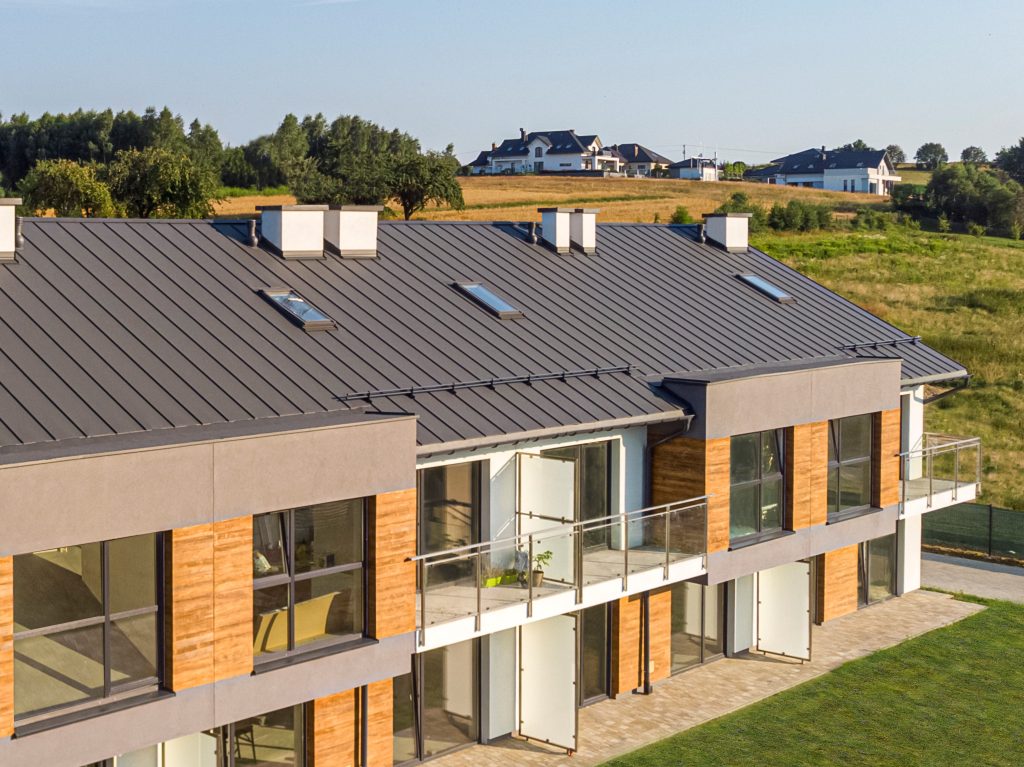
As the leading manufacturer of metal roof tiles on the Polish market, we make every effort to ensure that our products are easy to assemble and minimize the risk of damage to the metal sheets by the roofing crew. That is why the standing-seam panels in our product line feature pre-drilled mounting holes, beveled edges for assembly on the starter strip, and, most importantly, special locks that allow the panel to be detached if necessary, minimizing the risk of damage. The panels are connected via a snap-fit mechanism without the need to bend the seam.
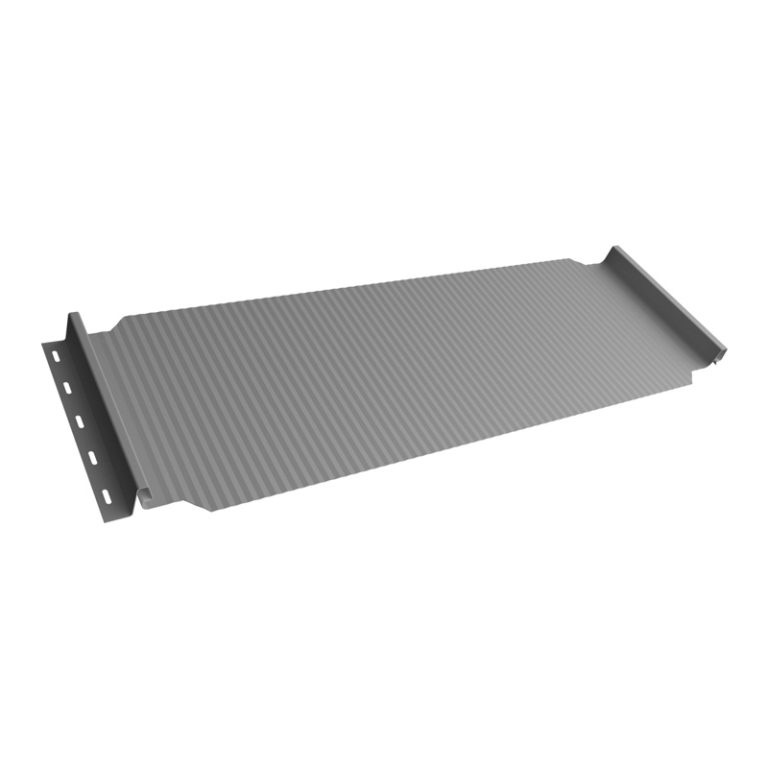
The Pruszyński Company’s standing seam panels are made of the highest-quality galvanized steel with a thickness of 0.50 mm, and for panels with flat embossing, as much as 0.70 mm. To minimize the waviness of the sheet metal on the surface caused by the material’s thermal expansion, we have introduced three types of longitudinal profiling (e.g., the nano-wave panel). This results in another benefit for the investor or designer— more options for roof and facade design. The roofing panel is available with various protective coatings (glossy polyester, matte polyester, and polyurethane) and in many color options. The PURMAT and PURLAK polyurethane coatings provide the highest level of protection, and we offer a warranty of up to 50 years on them.


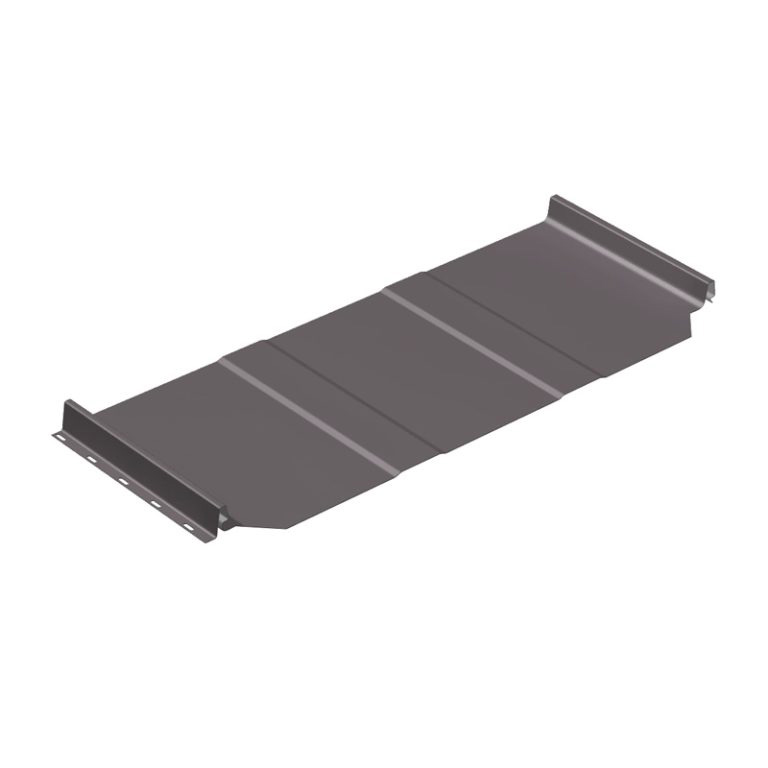
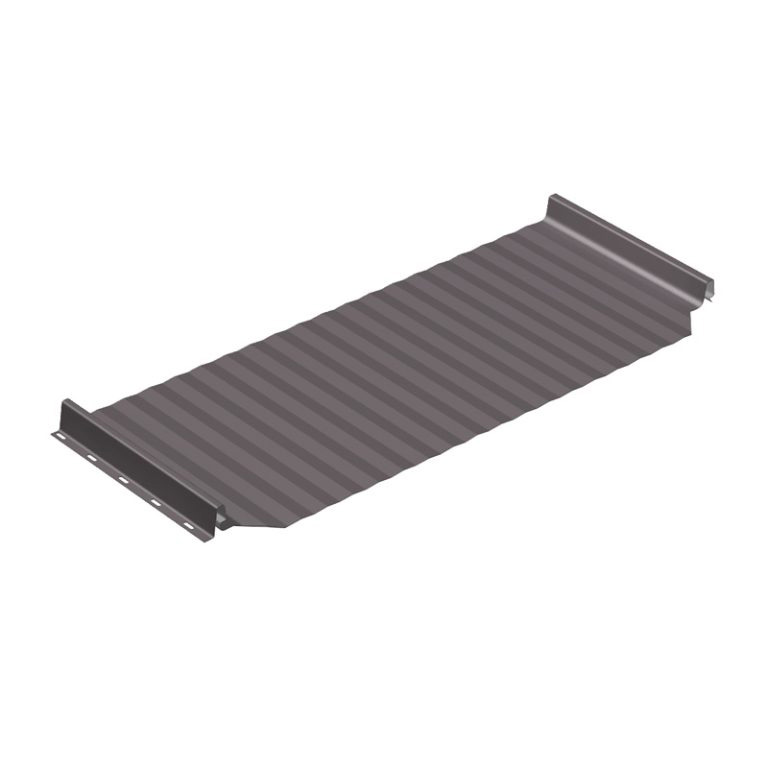
Our company offers 4 models of STANDING SEAM panels with4 types of surfaceprofiling: flat, corrugated, and trapezoidal. These are:
The usable width of the panels is 510 mm, and the height of the seam is 25 mm. The panels are manufactured to any length, depending on the dimensions and shape of the roof. We recommend that the minimum sheet length be no less than 0.5 running meters, and the maximum length no more than 7 running meters. The exception is the nano-corrugated panel, which, thanks to its reinforced rigidity, can be up to 9 running meters long. The panels have pre-drilled mounting holes that facilitate attachment to the structure. A simple rule will help you choose the right panel model: the smaller the roof pitch, the larger the standing seam should be.
The minimum recommended assembly temperature for PD510 roof panels is +5°C.
It is worth noting that our roof panels—PD510P-S, PD510T-S, PD510F-S, andPS 510 NANO —feature machine-cut interlocking tabs that allow them to be assembled on a starter strip. The products that, together with the panels, make up the system are the accessories recommended for their assembly: screws, nails, and sealing tapes from the Pruszyński Company .
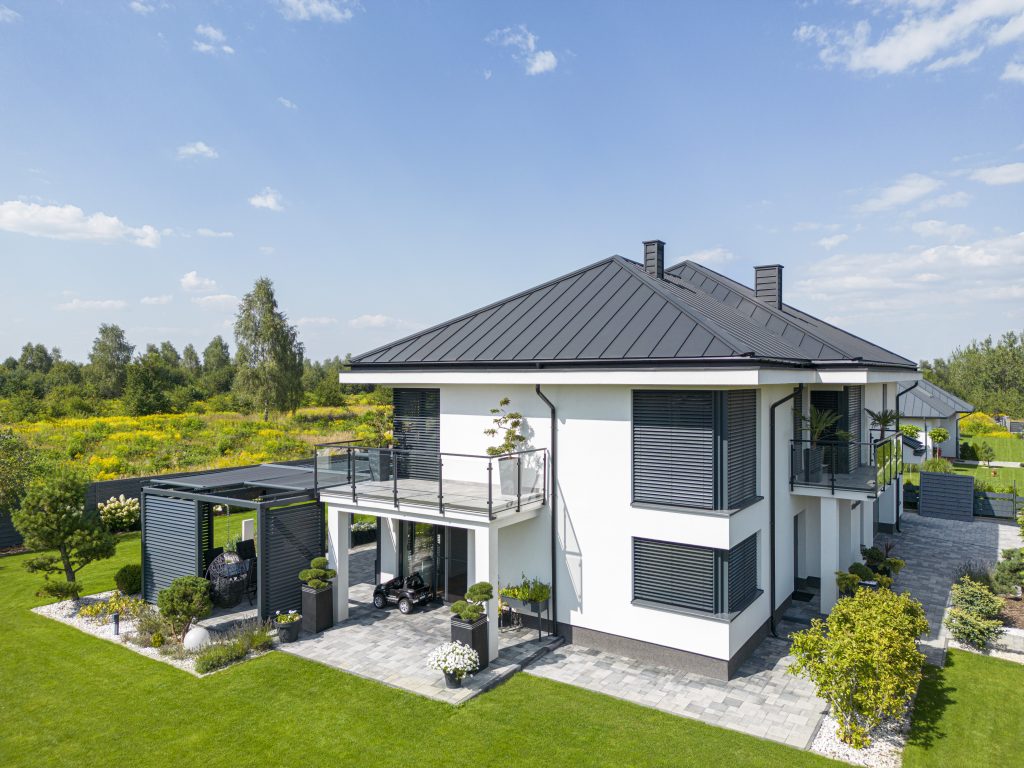
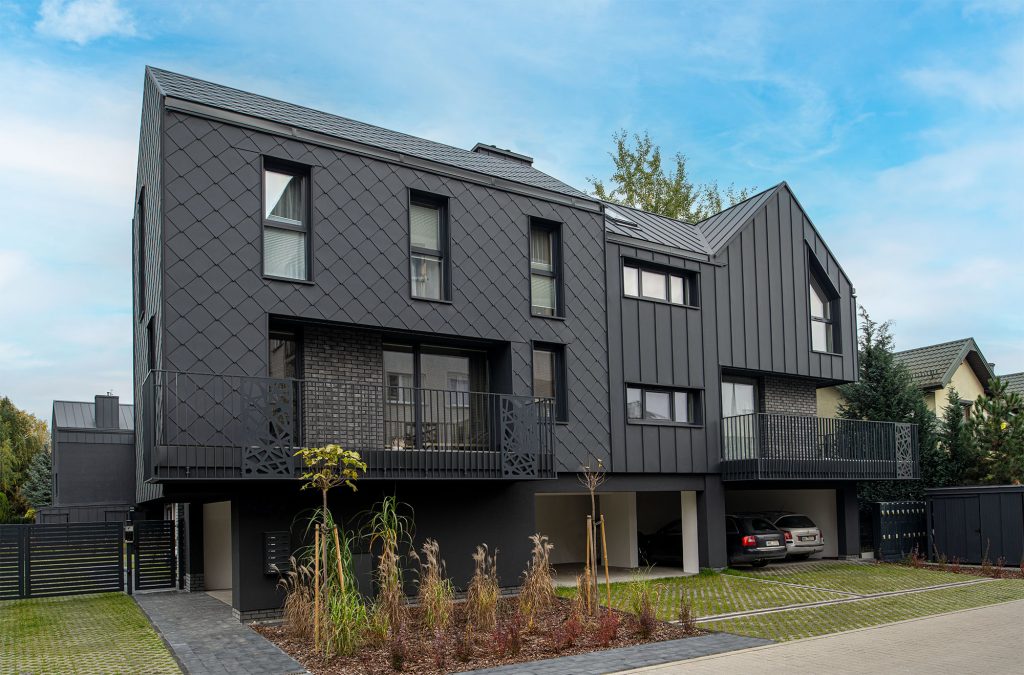
From an aesthetic standpoint, the effect of flush strips separated by a standing seam looks best on a large roof, which appears lighter and more geometrically harmonious. That is why standing-seam metal roofing is one of the most popular choices for “modern barn”-style buildings, which typically feature a simple structure and an uncomplicated gable roof. In this case, the starkness of the metal is often softened by the use of wooden facade elements, which evoke a sense of homeliness. Standing-seam roof panels work very well as roof coverings for modernist-style commercial, office, and retail buildings.
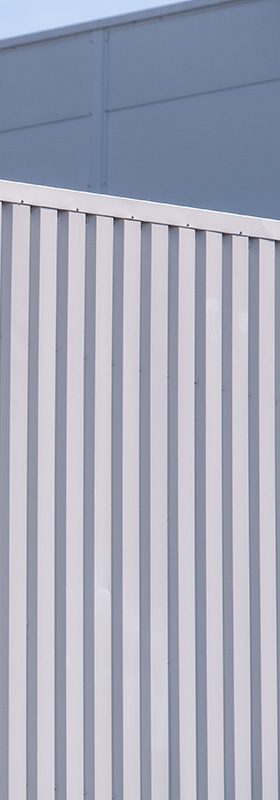
Standing-seam panels have also become popular as elevation panels —when installed on gable walls, they provide additional protection against driving rain, snow, and wind, thereby improving the thermal performance of rooms prone to heat loss. Aesthetically speaking, the building gains stylistic cohesion and architectural interest.
Standing-seam panels can be installed on buildings with a roof pitch of at least 8 degrees (14%). Assembly is possible on both ventilated roofs and those with solid sheathing. The panels are installed perpendicular to the eave, creating a distinctive effect of flush strips separated by a standing seam. Thanks to the many design features incorporated into our manufacturing process, the assembly of roof coverings is quick and efficient.
To achieve a uniform surface finish and enjoy a beautiful, well-functioning roof, it’s worth choosing the highest-quality material, as guaranteed by the Blachy Pruszyński Company. The second requirement is the quality of the roofing team’s work. They should have experience with standing seam panel assembly and ensure that, at every stage of the work—from transportation to assembly—the sheet metal and protective coatings that affect the durability and aesthetics of the entire roof are properly protected.
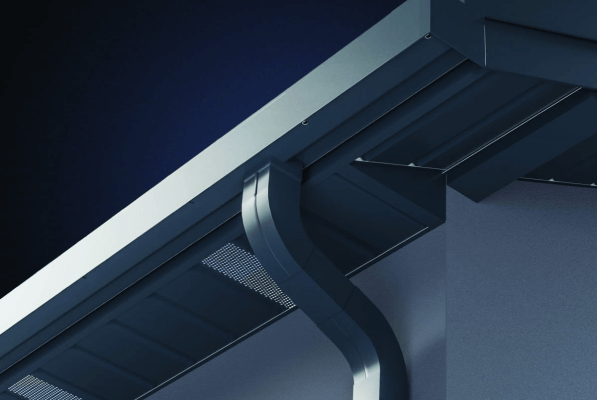
To ensure that the roof is watertight, durable, and aesthetically pleasing, the Pruszyński Company offers all the necessary accessories for metal roof tiles: screws, ridge caps, and other flashings color-matched to the metal roof tiles, as well as sealing tapes, touch-up paints, and flat metal sheets for creating custom roofing details.
We invite you to explore our wide selection of roof coverings, designed to suit all architectural styles.