Browse the page as: Customer
MENU
Kaseton elewacyjny K2 - z zamkiem skośnym

Facade cassettes K2 - with acute angle of lock

Product Description

Kasetony elewacyjne

Facade cassettes

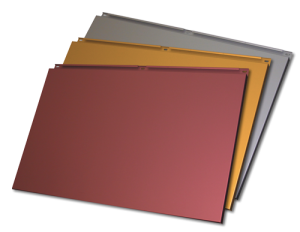
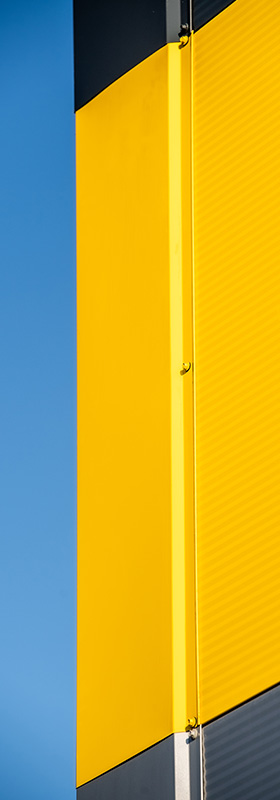
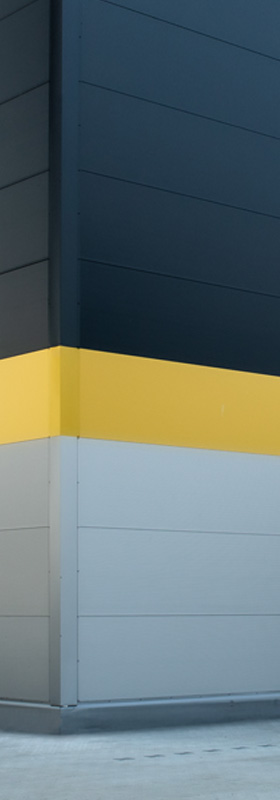
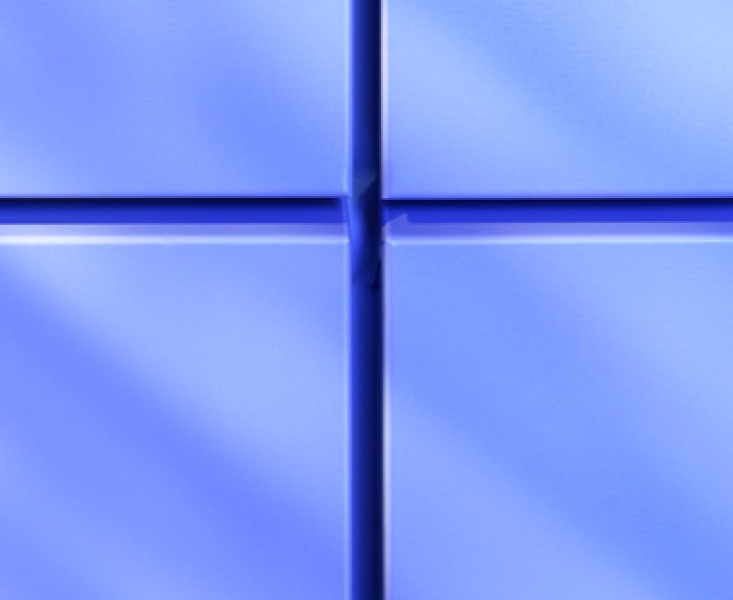
Our product range includes cassette panels with a bevelled joint (K2), available in two material options.

Our product range includes cassette panels with a bevelled joint (K2), available in two material options.

Steel facade panels are designated as KS-2, while those made of aluminum are designated as KA-2. Detailed technical parameters are presented in the tables below.

Cassette panels with a straight joint (K1) are similarly available in two material options – steel and aluminum.

Inspiration

Multi-storySingle-family home

Single-family home in Ostrava

PD-510 Standing Seam Roof Panels

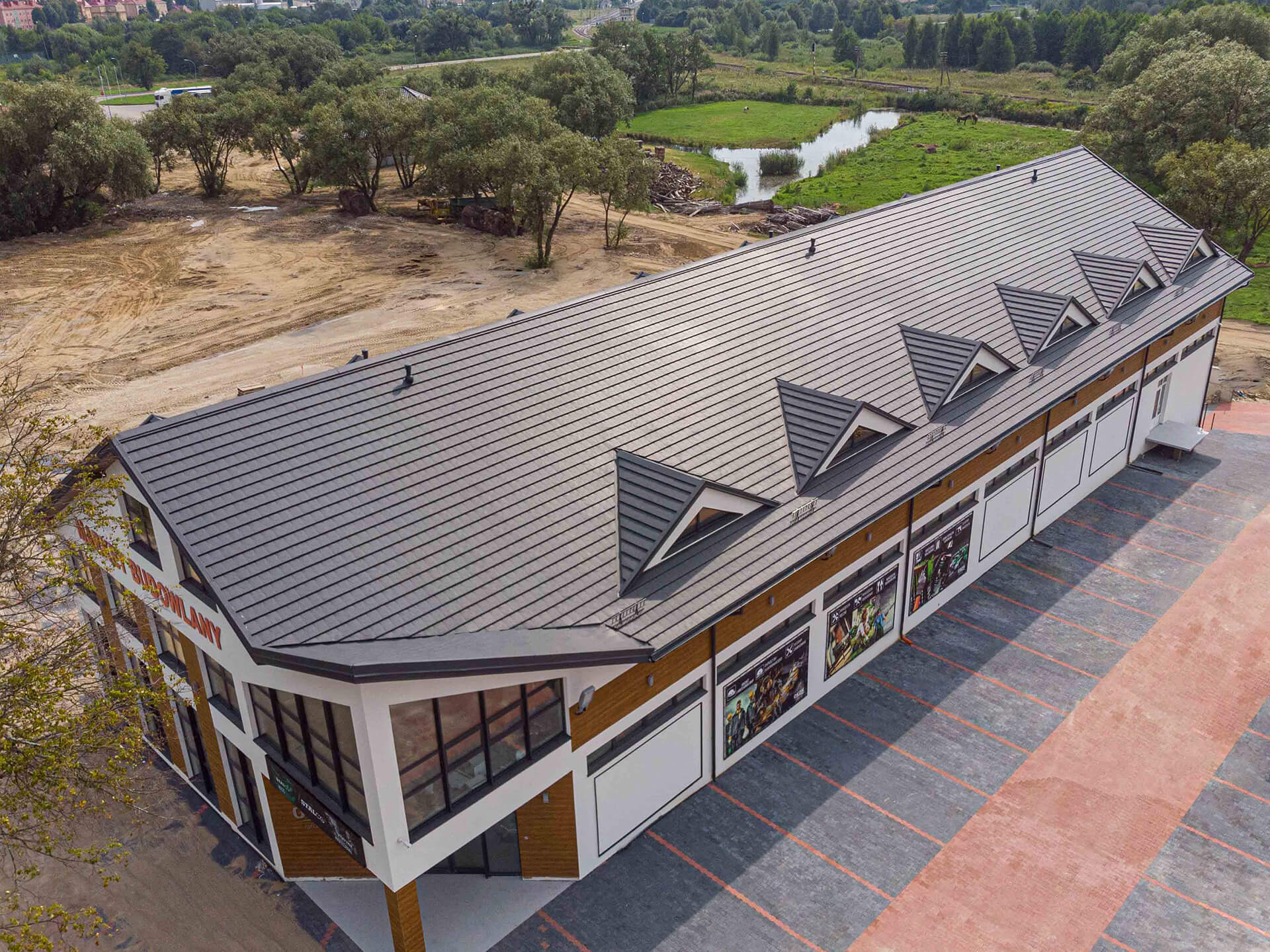
Commercial Investments

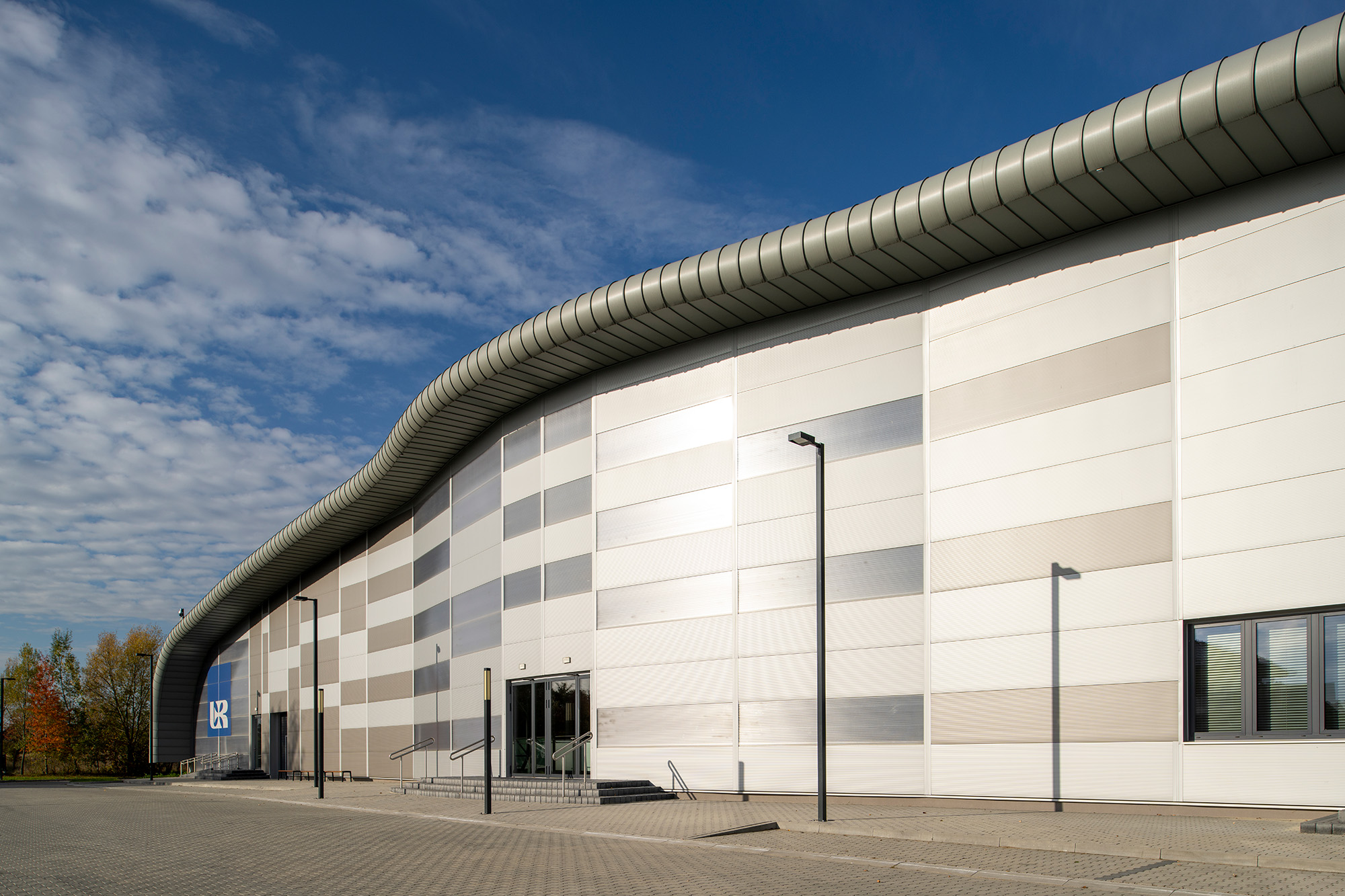
University Sports Center in Rzeszów

University Sports Center in Rzeszów

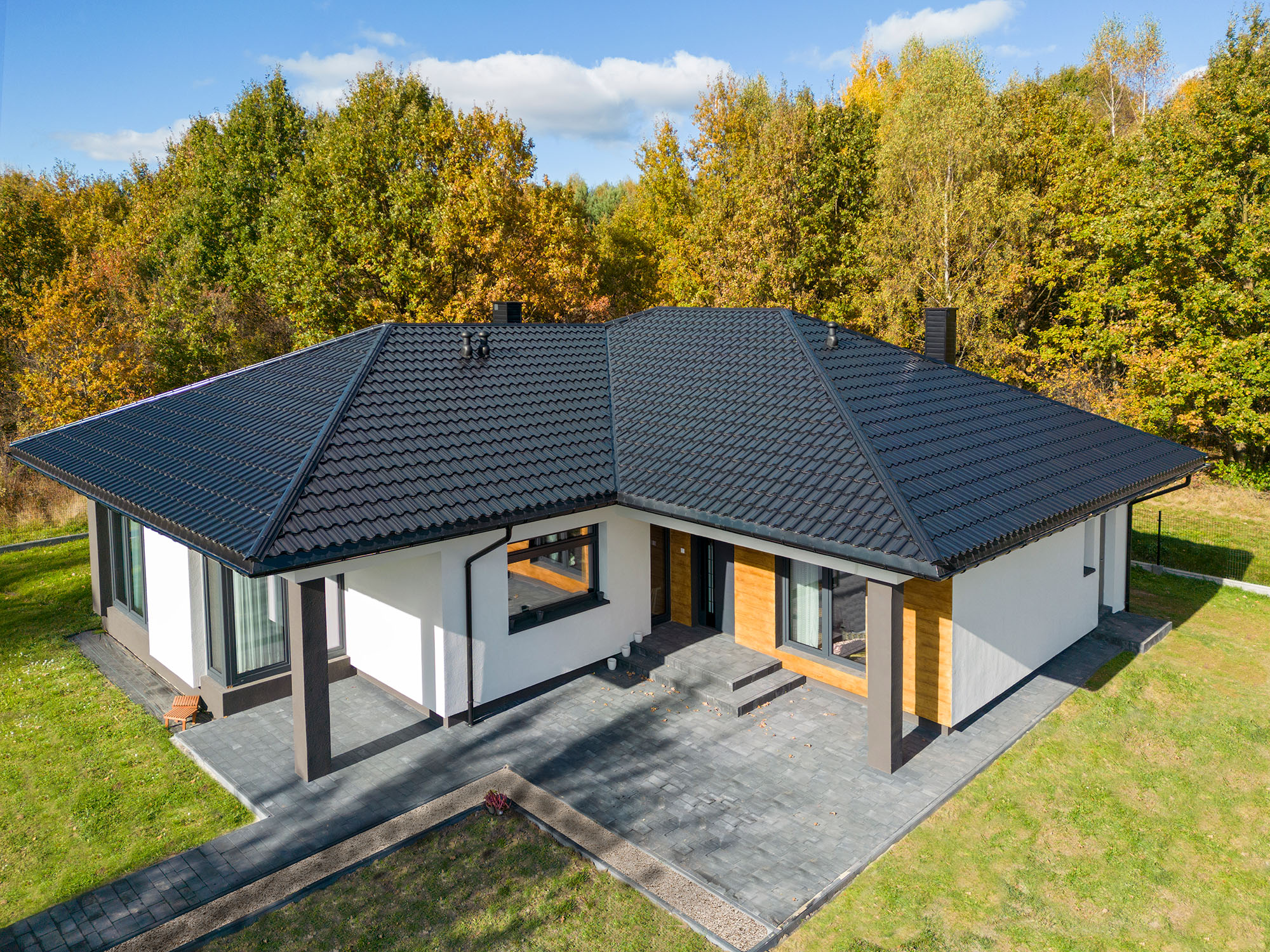
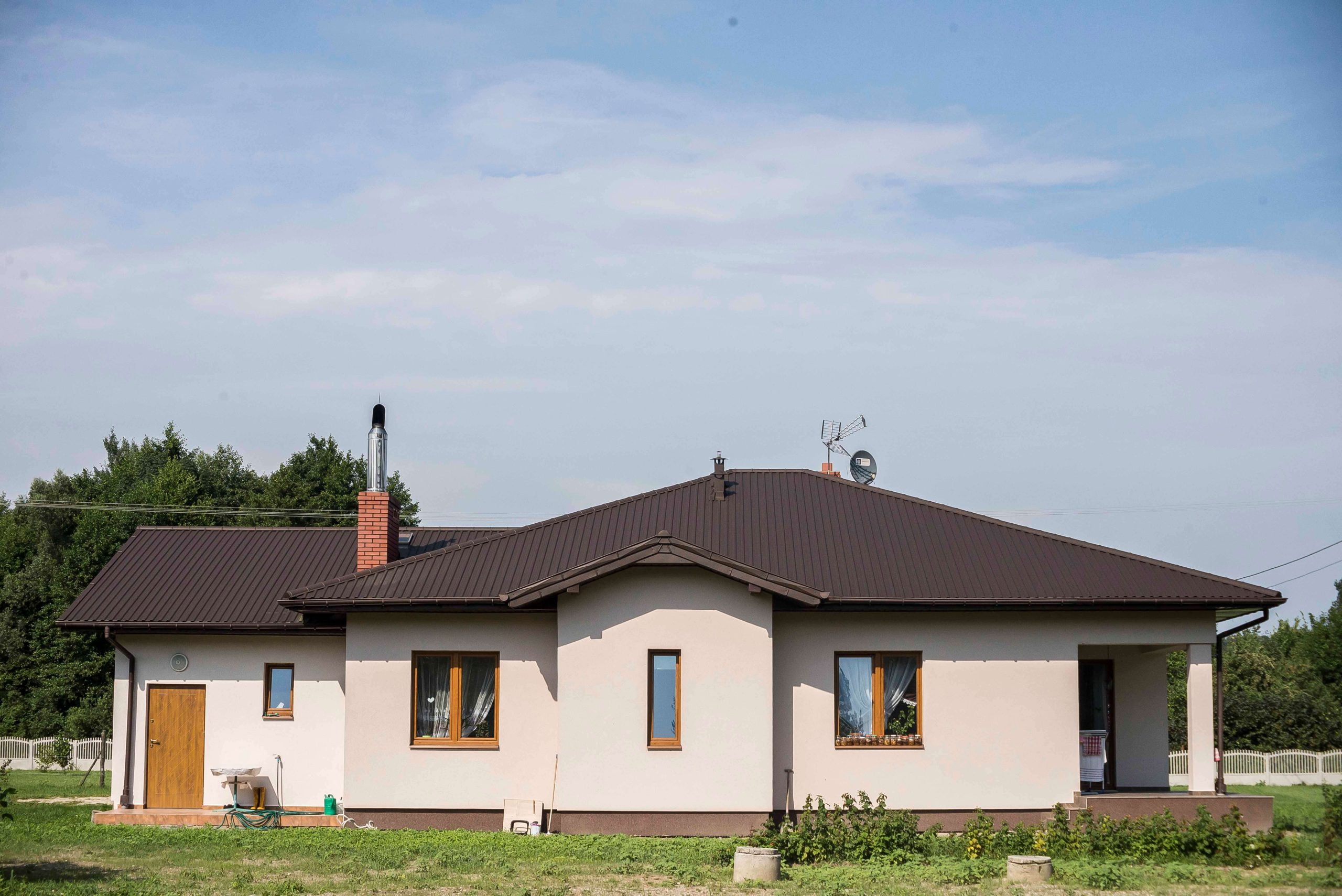
Single-family home

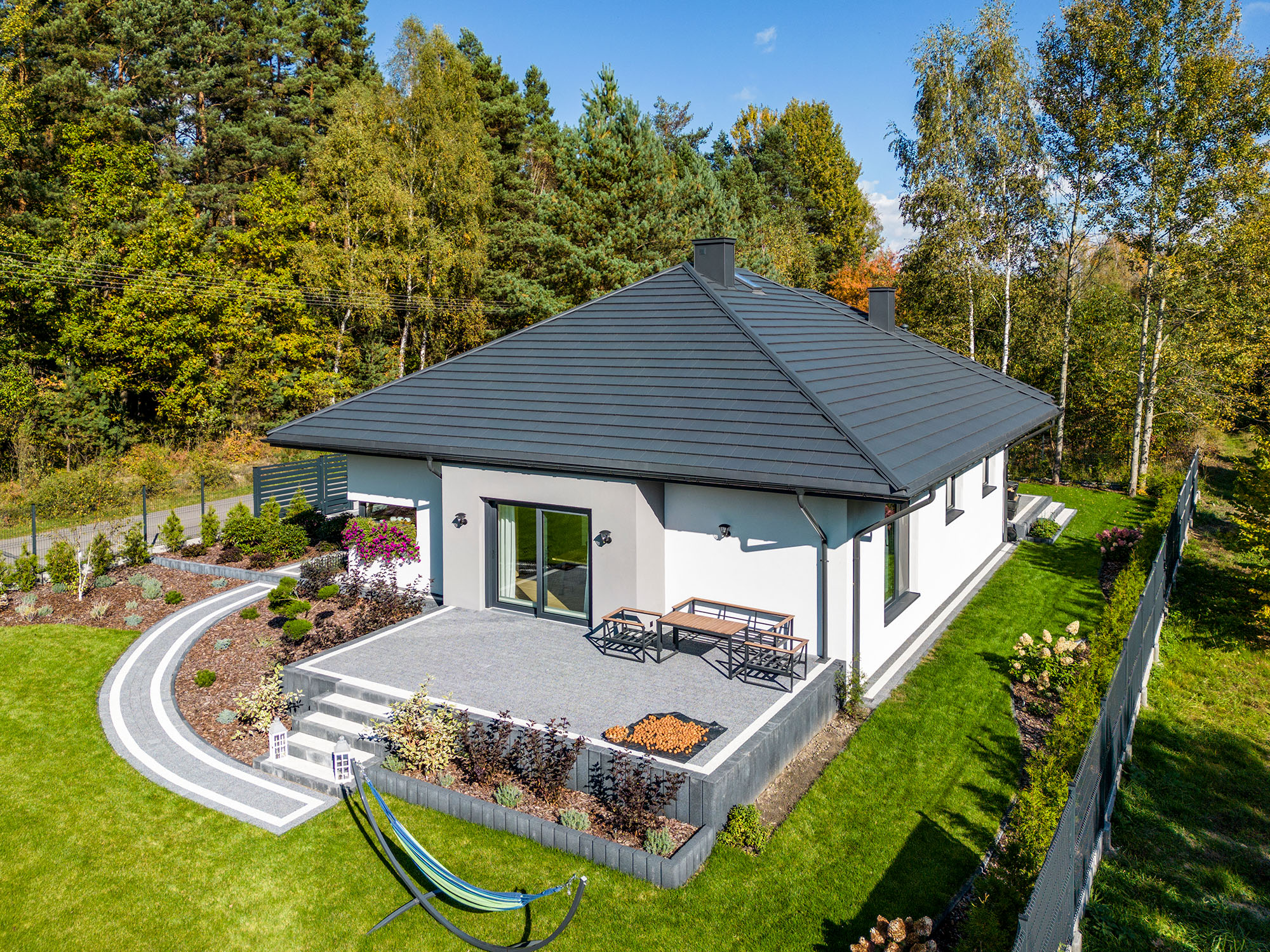
Single-family home in Stąporków

MODUS Metal Roof Tile

Commercial Investments

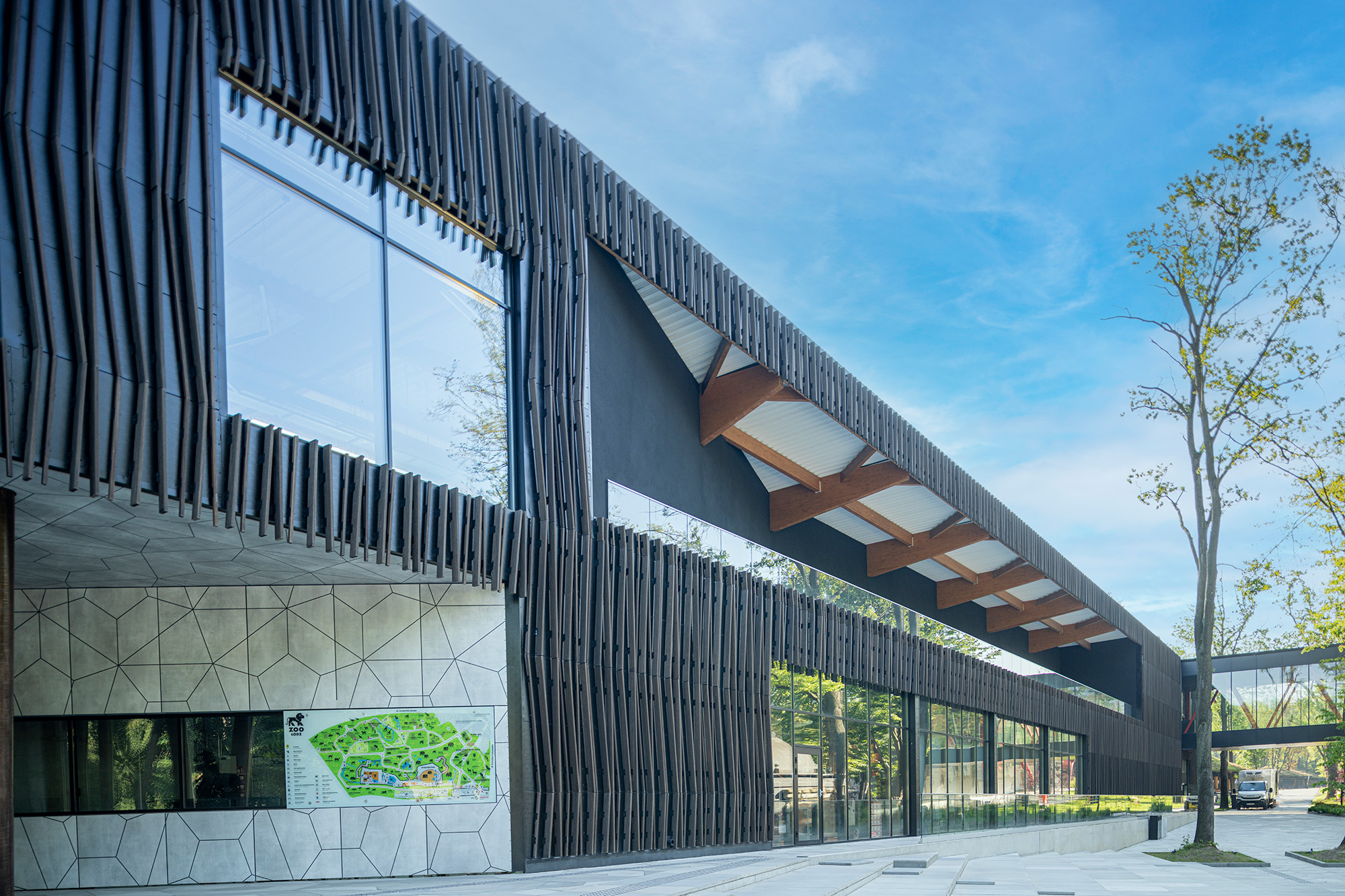
Orientarium, Łódź Zoo

The Breeding and Exhibition Orientarium Building at the Łódź Zoo

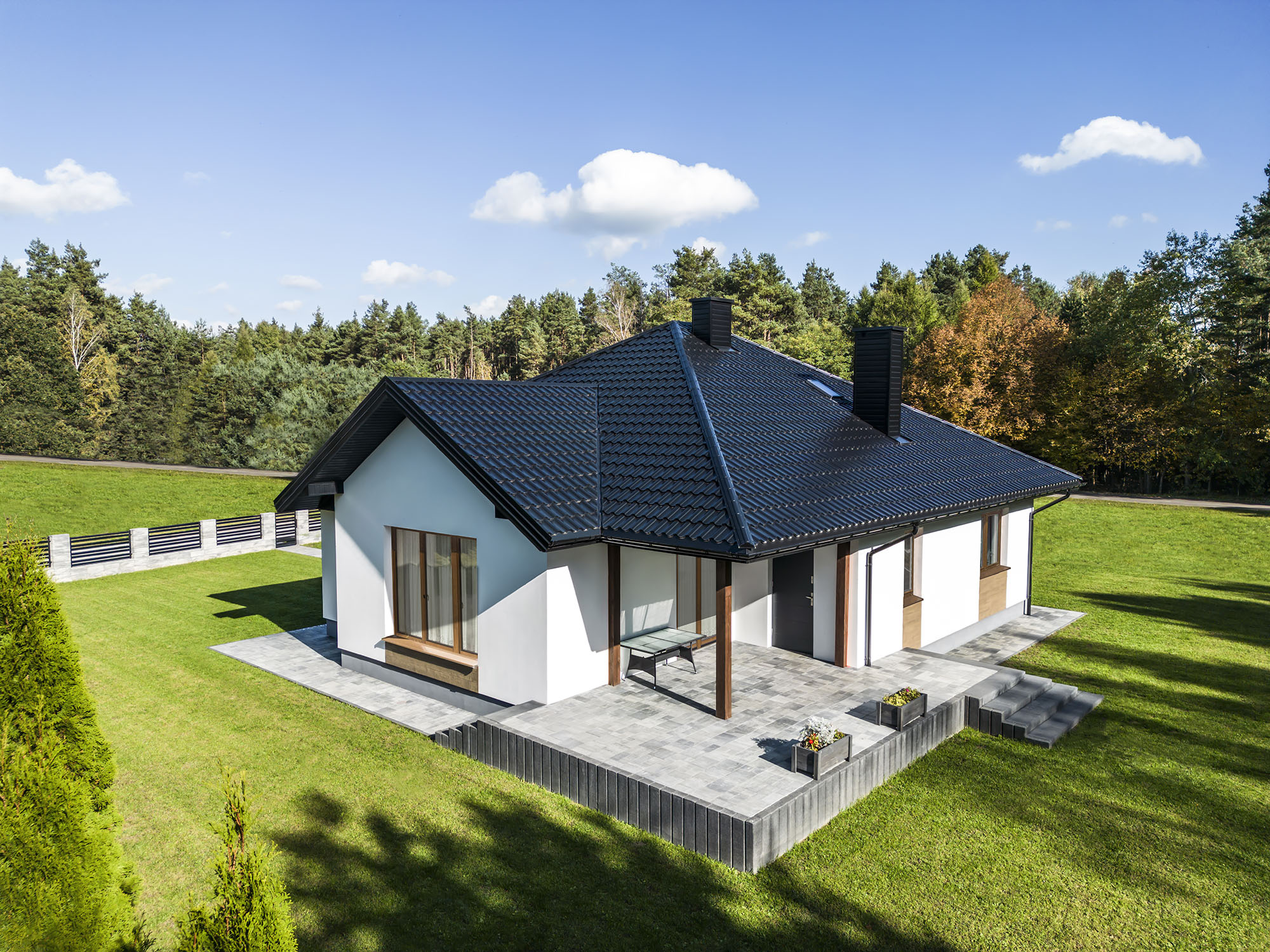
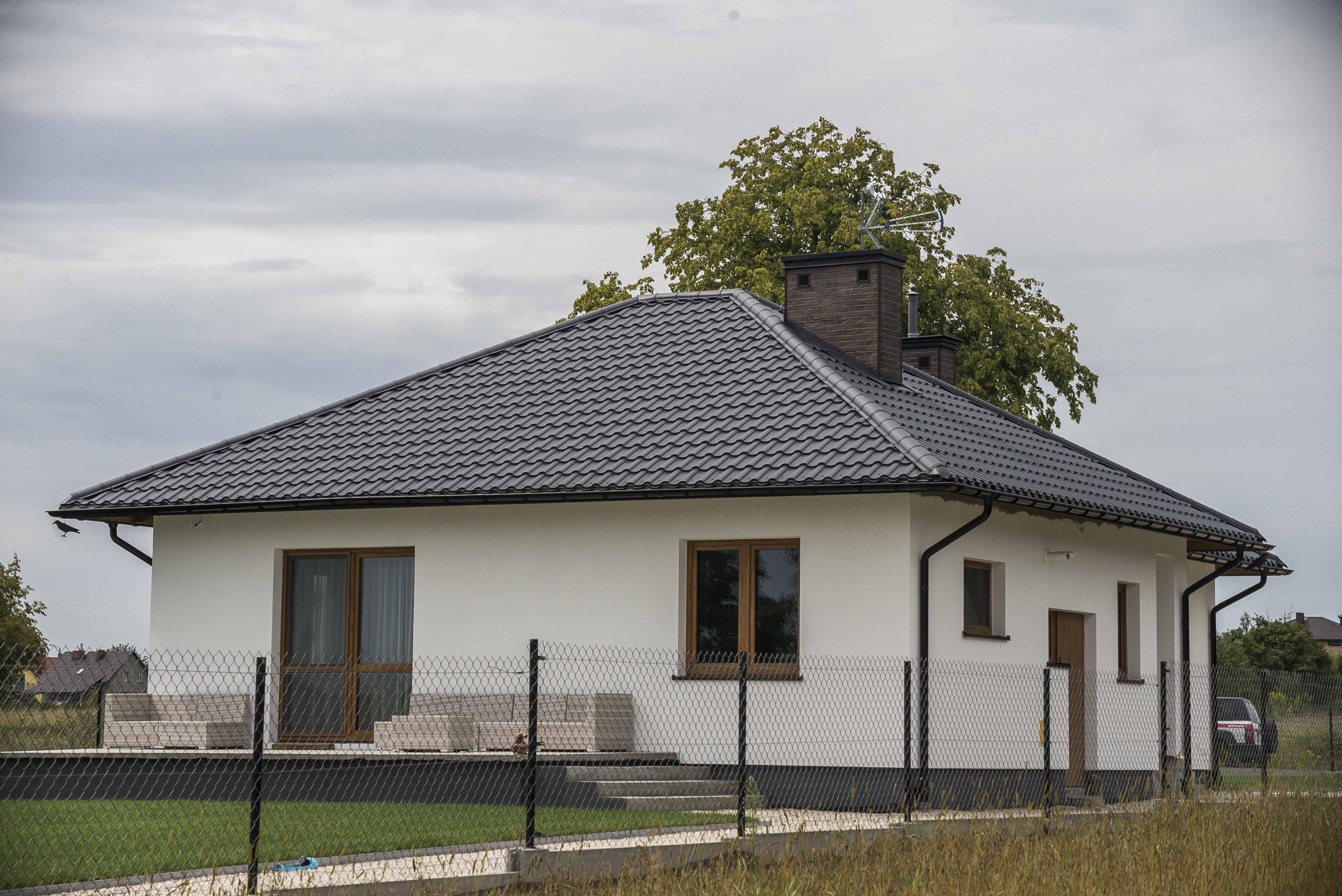
Single-family home

A single-family home in the village of Tumlin

MODUS Metal Roof Tile

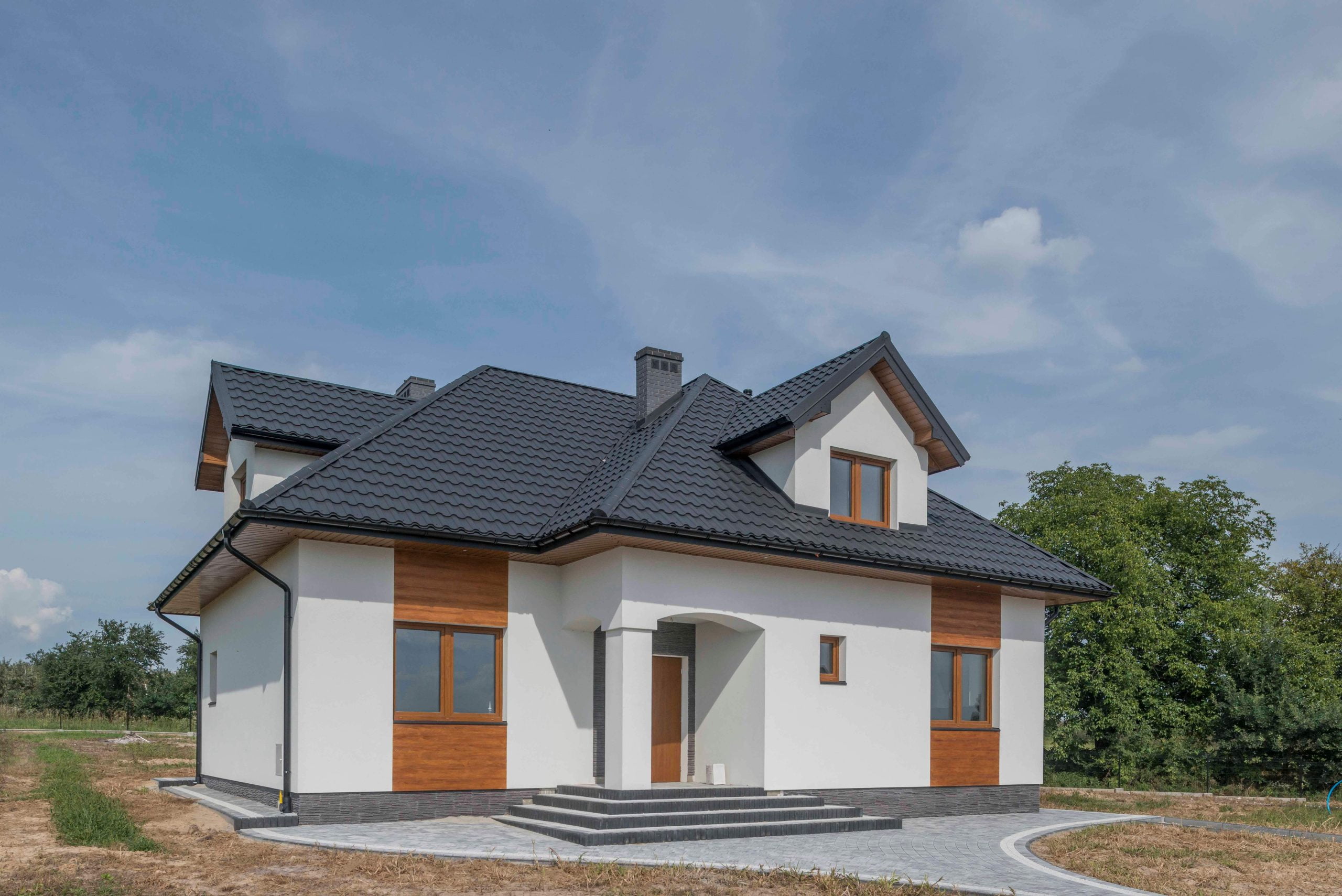
Multi-storySingle-family home

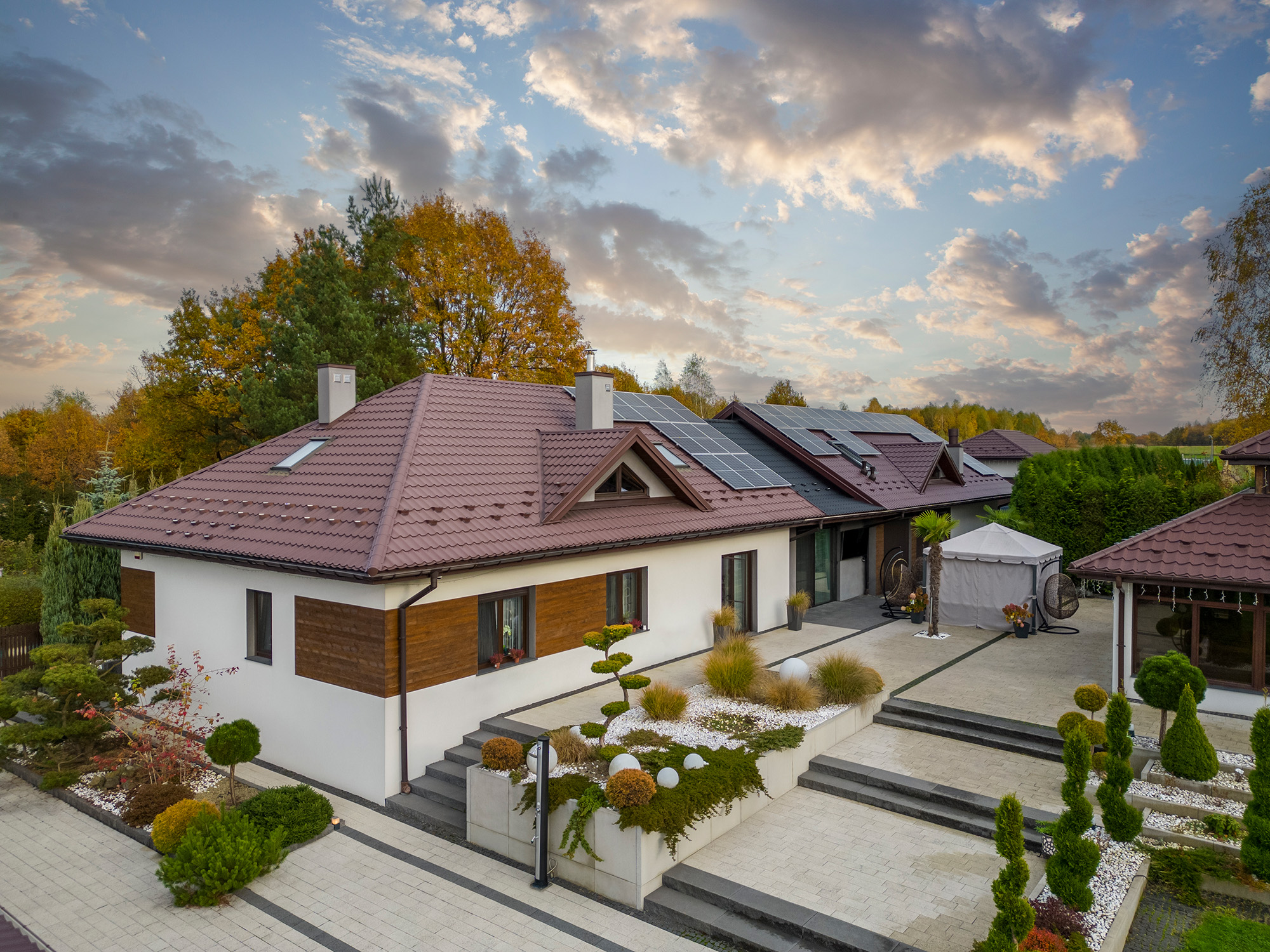
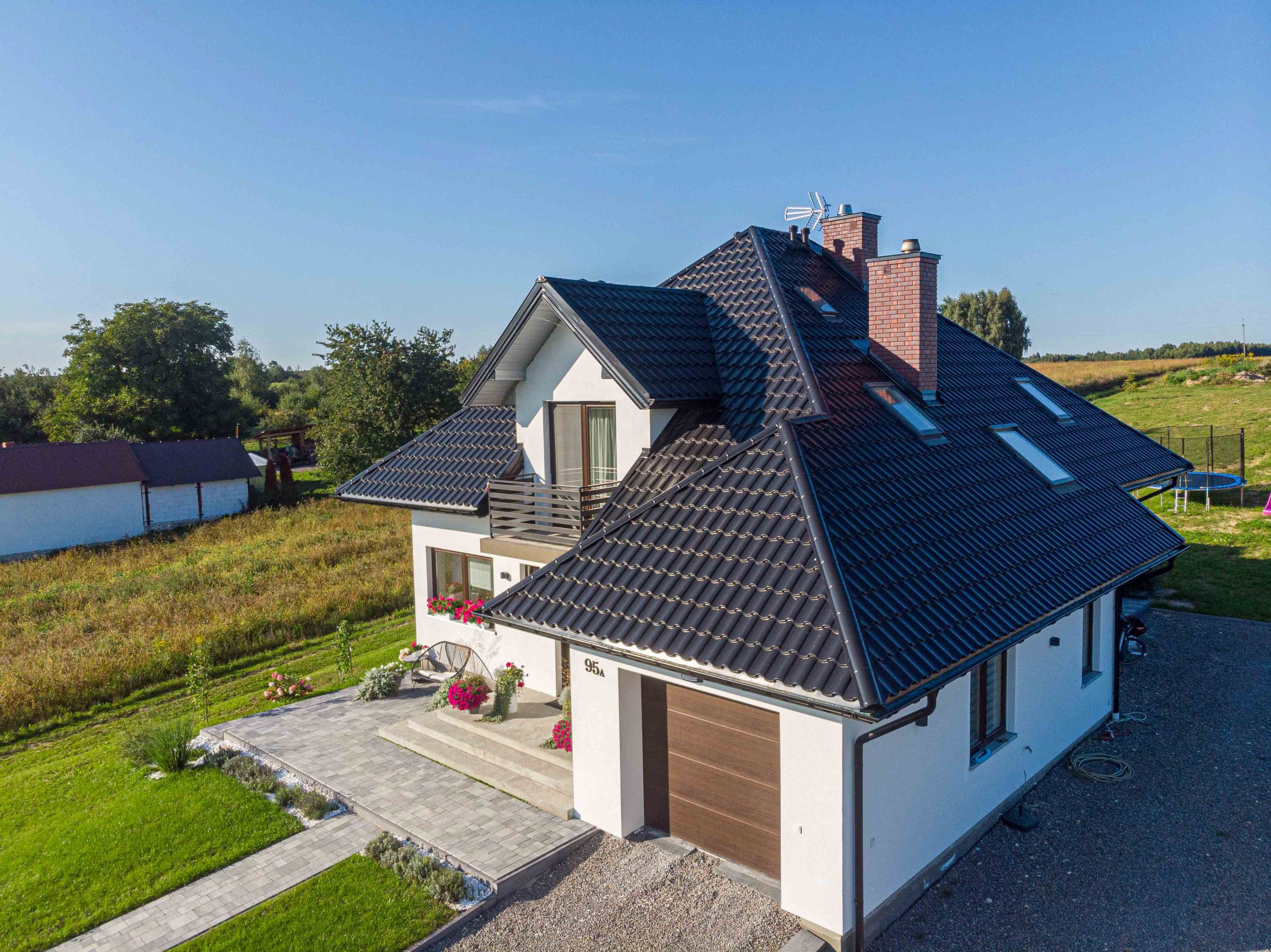
Single-family home in the village of Przeczów

OPTIMA Metal Roof Tile

Commercial Investments

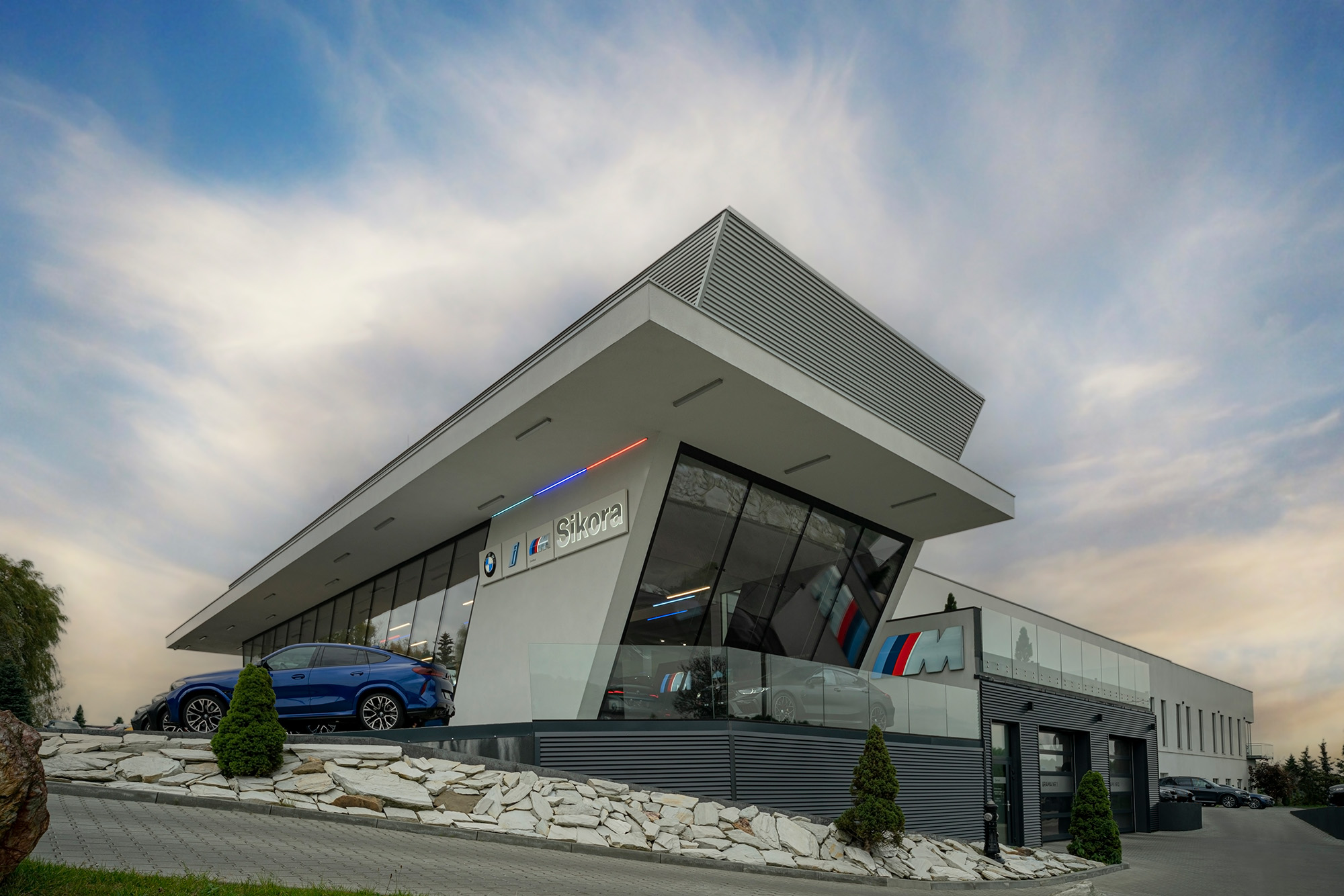
Car dealership in Mikołów

BMW M Dealership in Mikołów

One-storySingle-family home

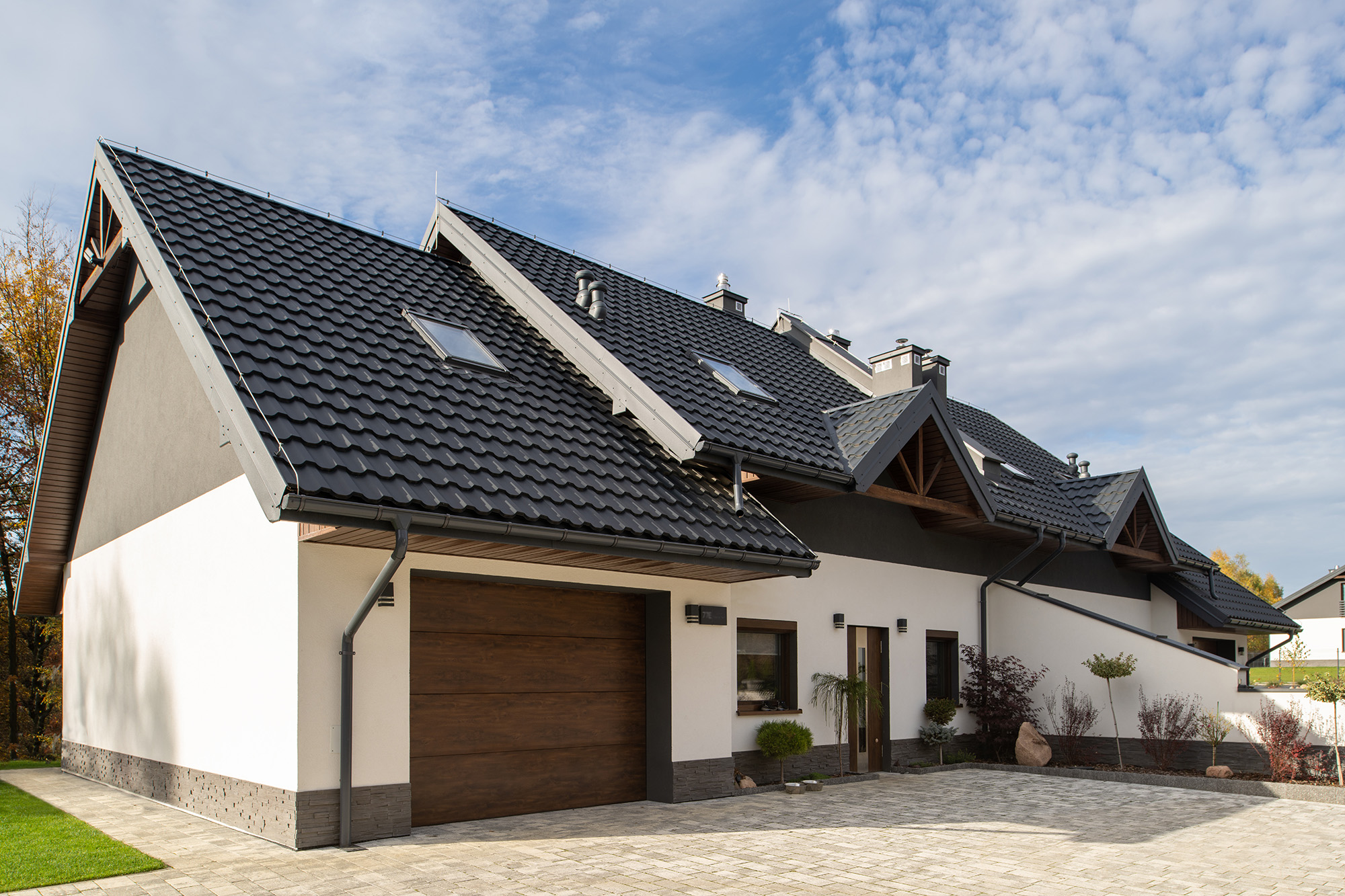
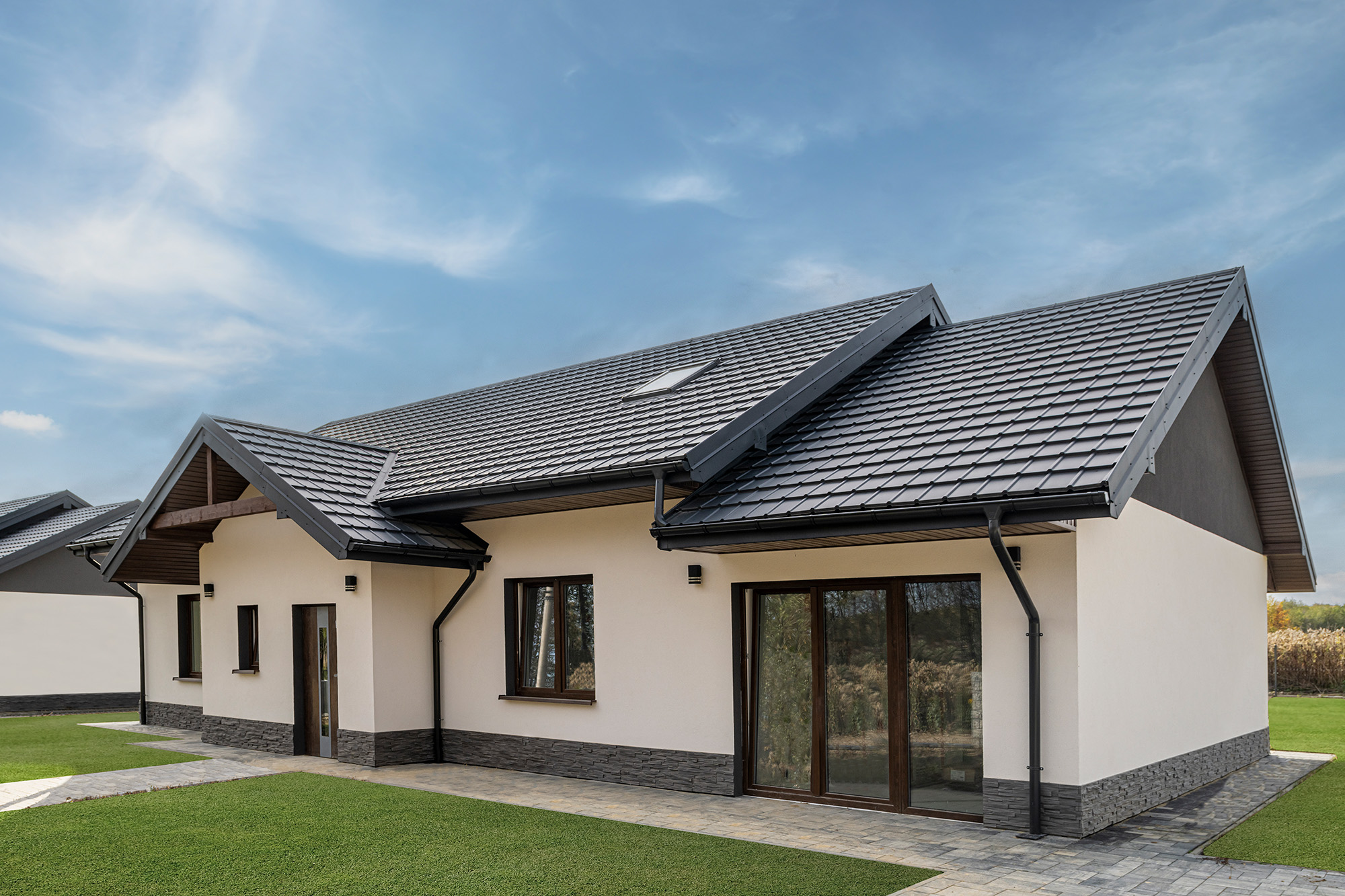
A single-family home and a garden shed in Wola Rzędzińska

SZAFIR Metal Roof Tile

One-storySingle-family home

Single-family home in Wola Rzędzińska

REN Metal Roof Tile

One-storySingle-family home

Single-family home in Rytwiany

MODUS Metal Roof Tile

Multi-storySingle-family home

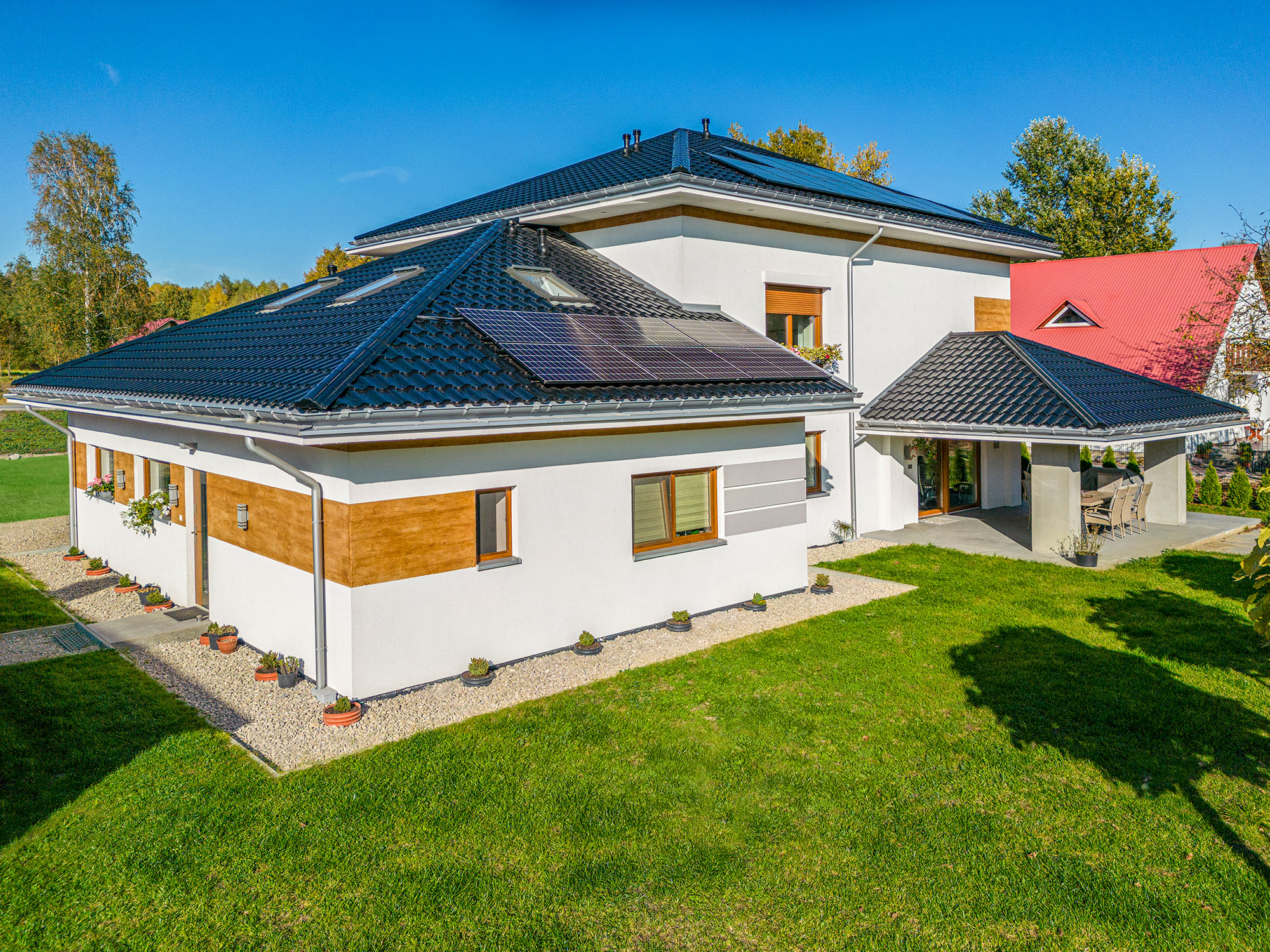
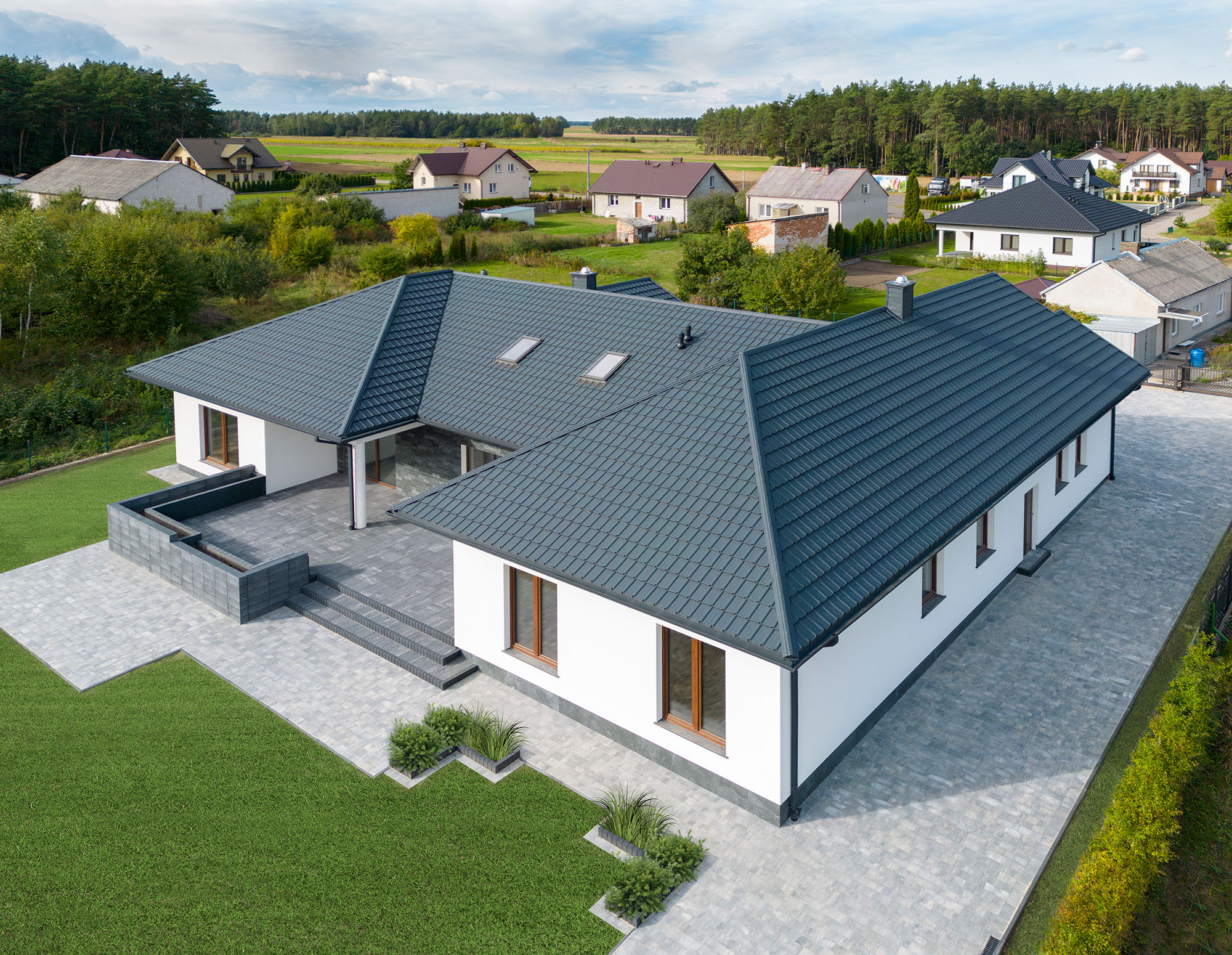
Two-story single-family home in Józefów

STAND-UP SEAM ROOF PANELS

Single-family home

Single-family home in Białystok

REGLE Roof Panels

One-storySingle-family home

Single-family home in Bydgoszcz

STAND-UP SEAM ROOF PANELS

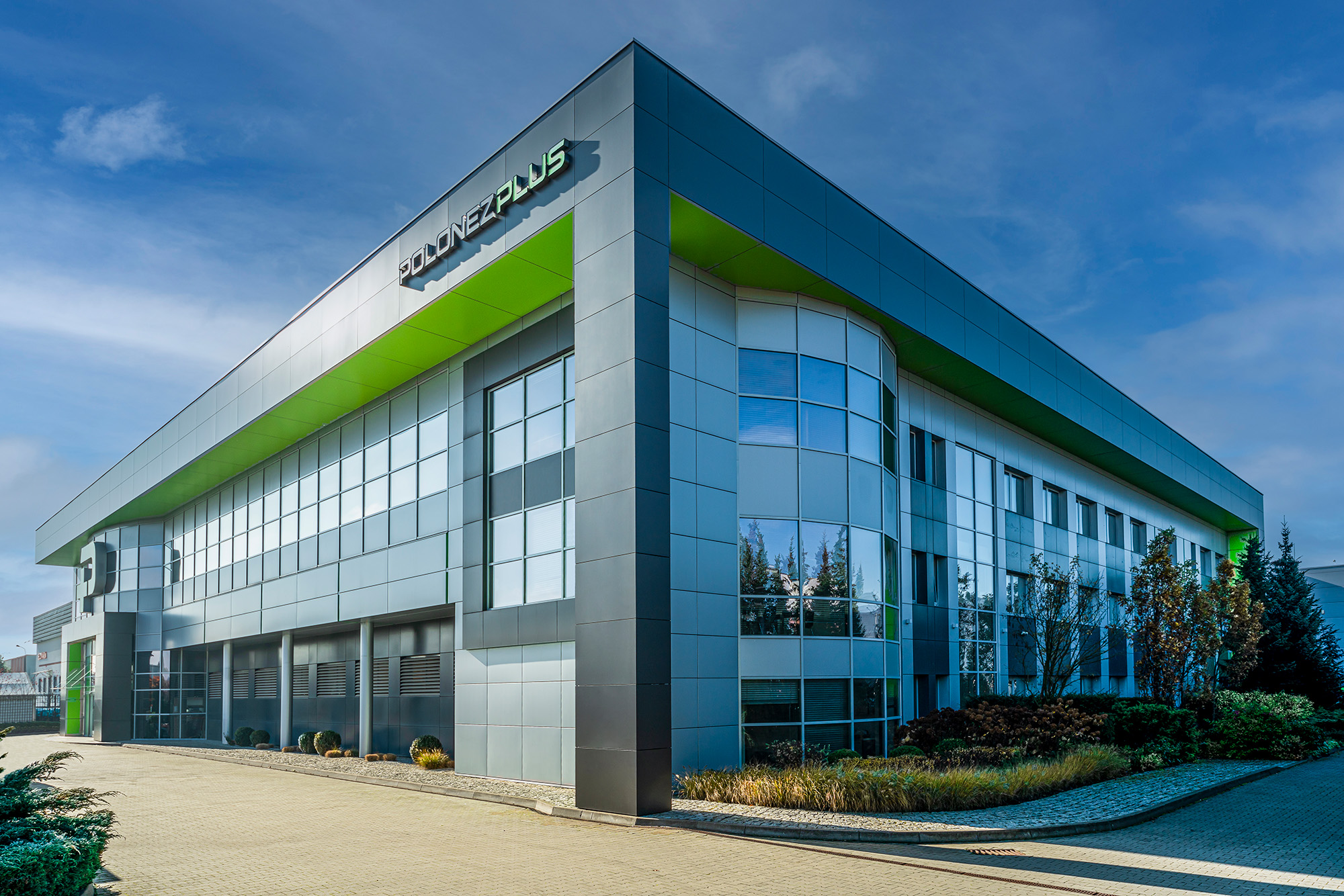
Commercial Investments

Polonez Plus in Kielce

The Polonez Plus manufacturing plant in Kielce

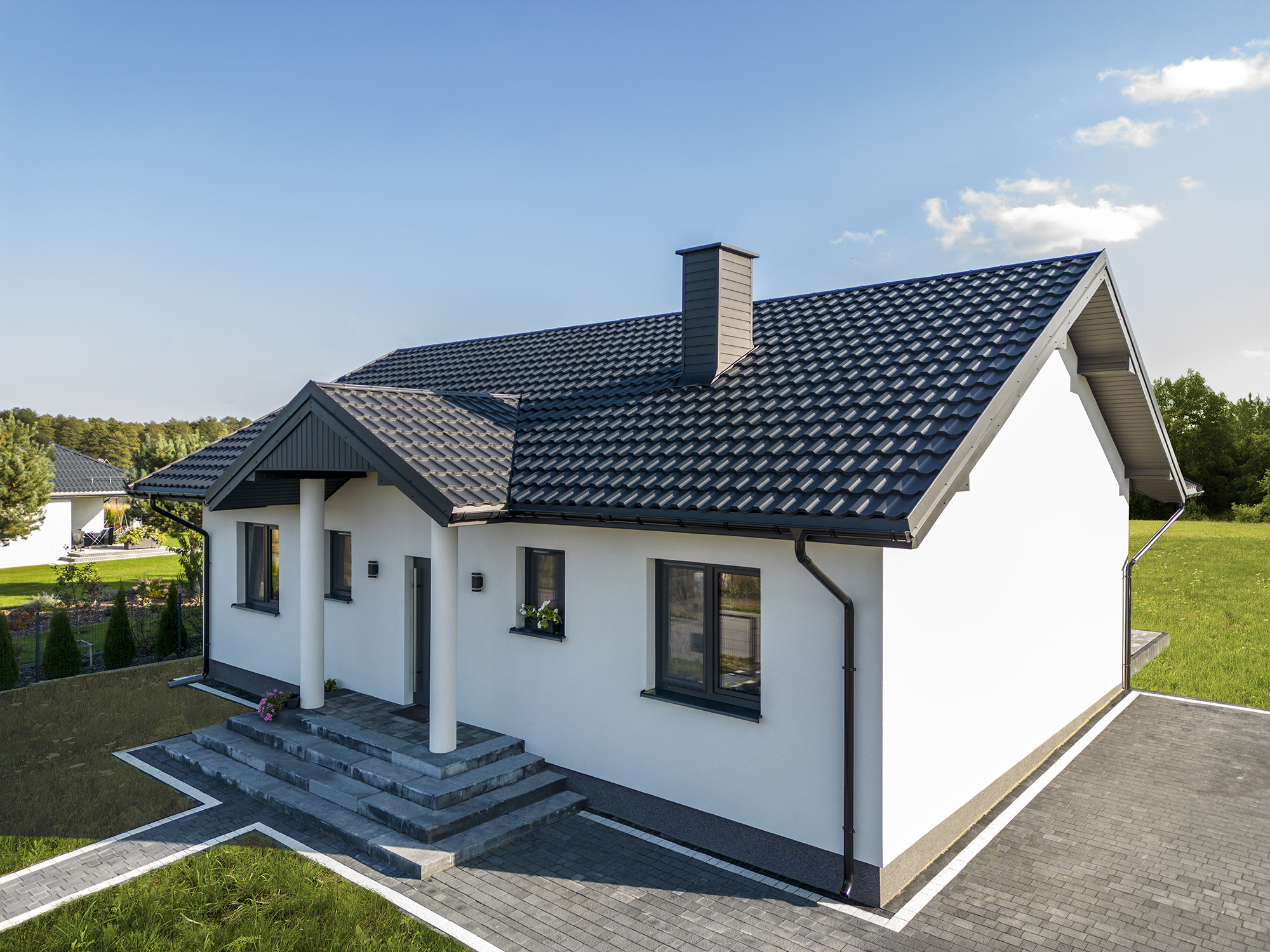
One-storySingle-family home

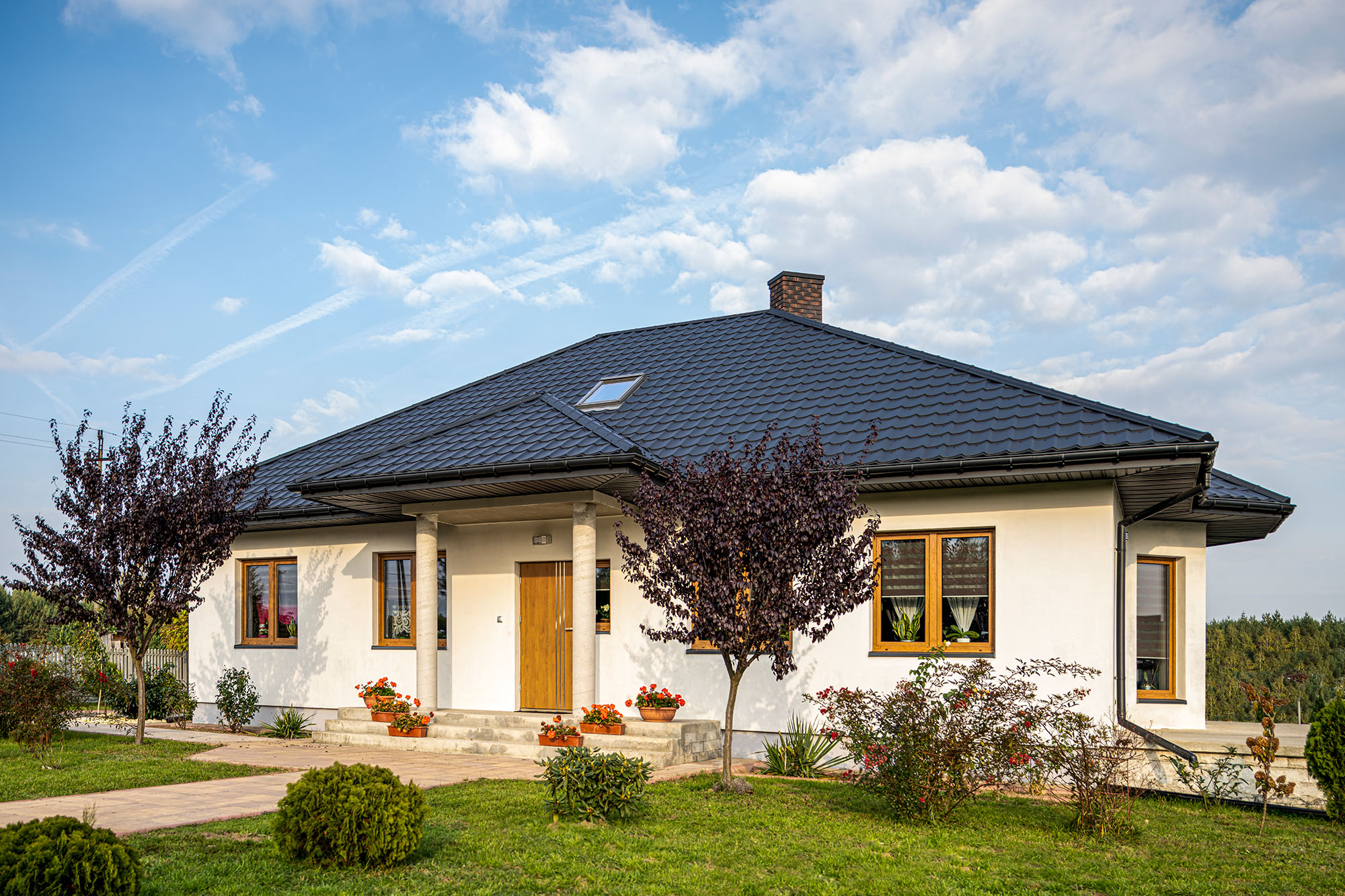
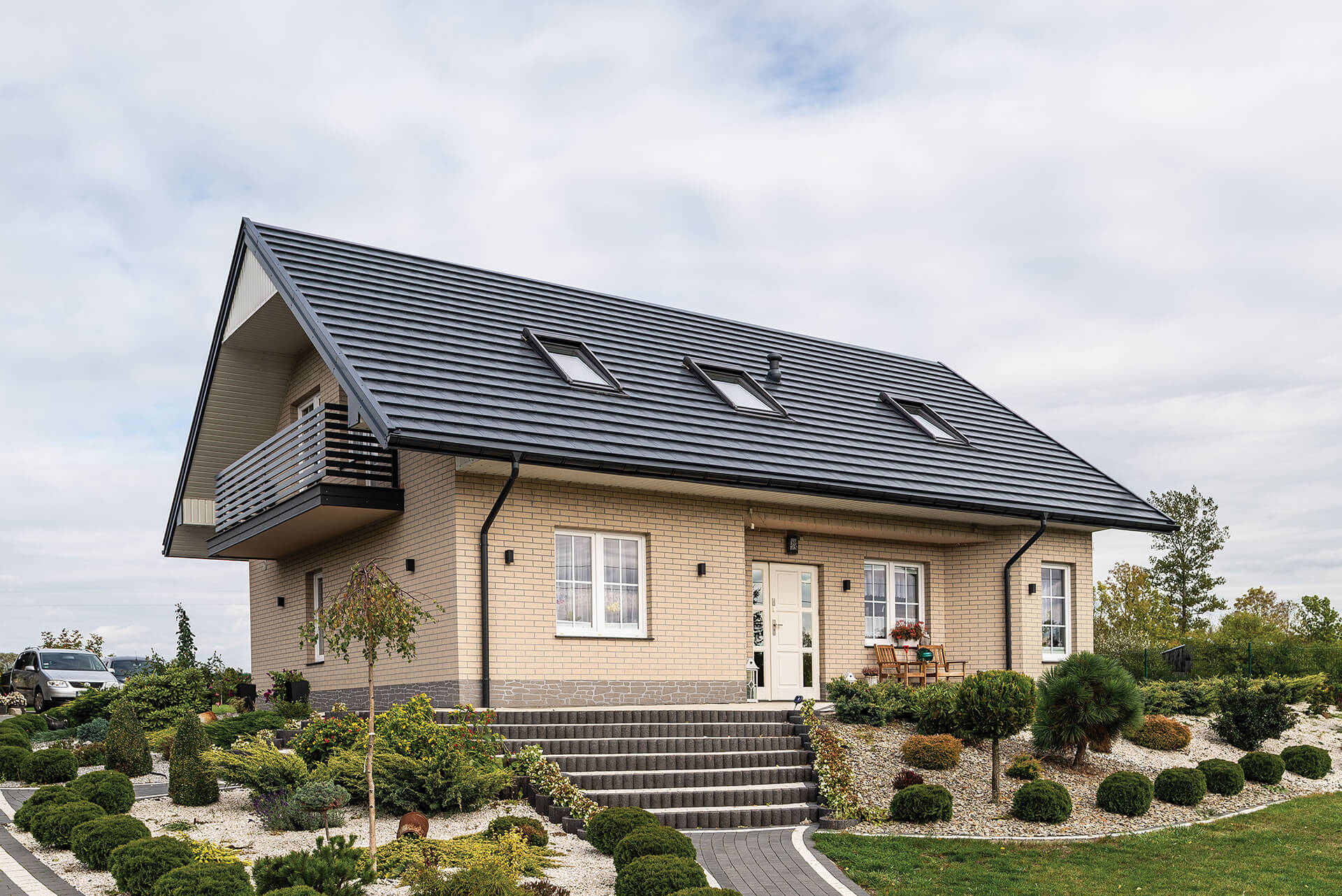
Single-family home in Końskie

REN metal roof tiles combine durability and aesthetics

Commercial Investments

Pex-Pool Plus Dębica

Pex-Pool Plus Dębica

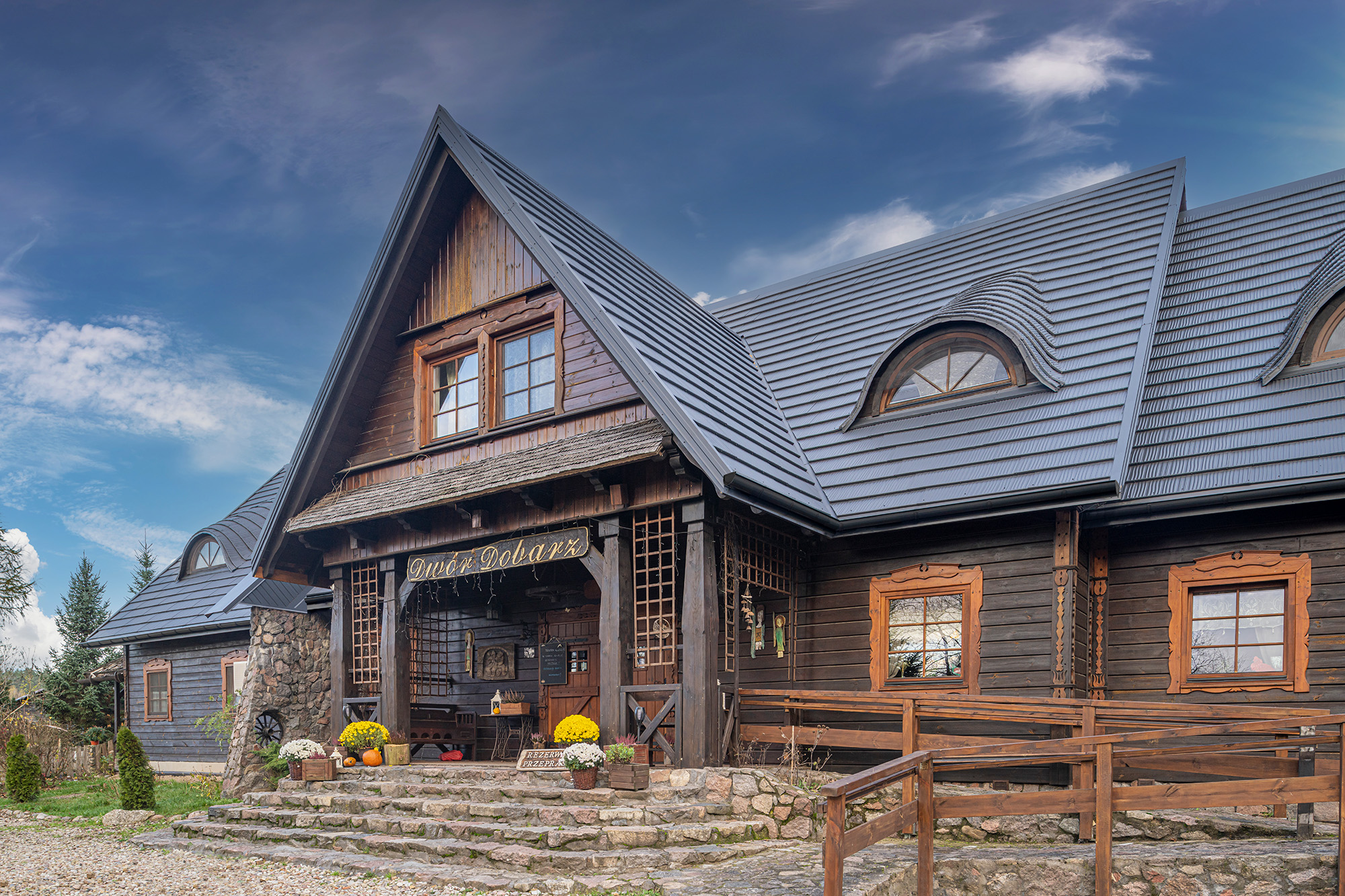
Commercial Investments

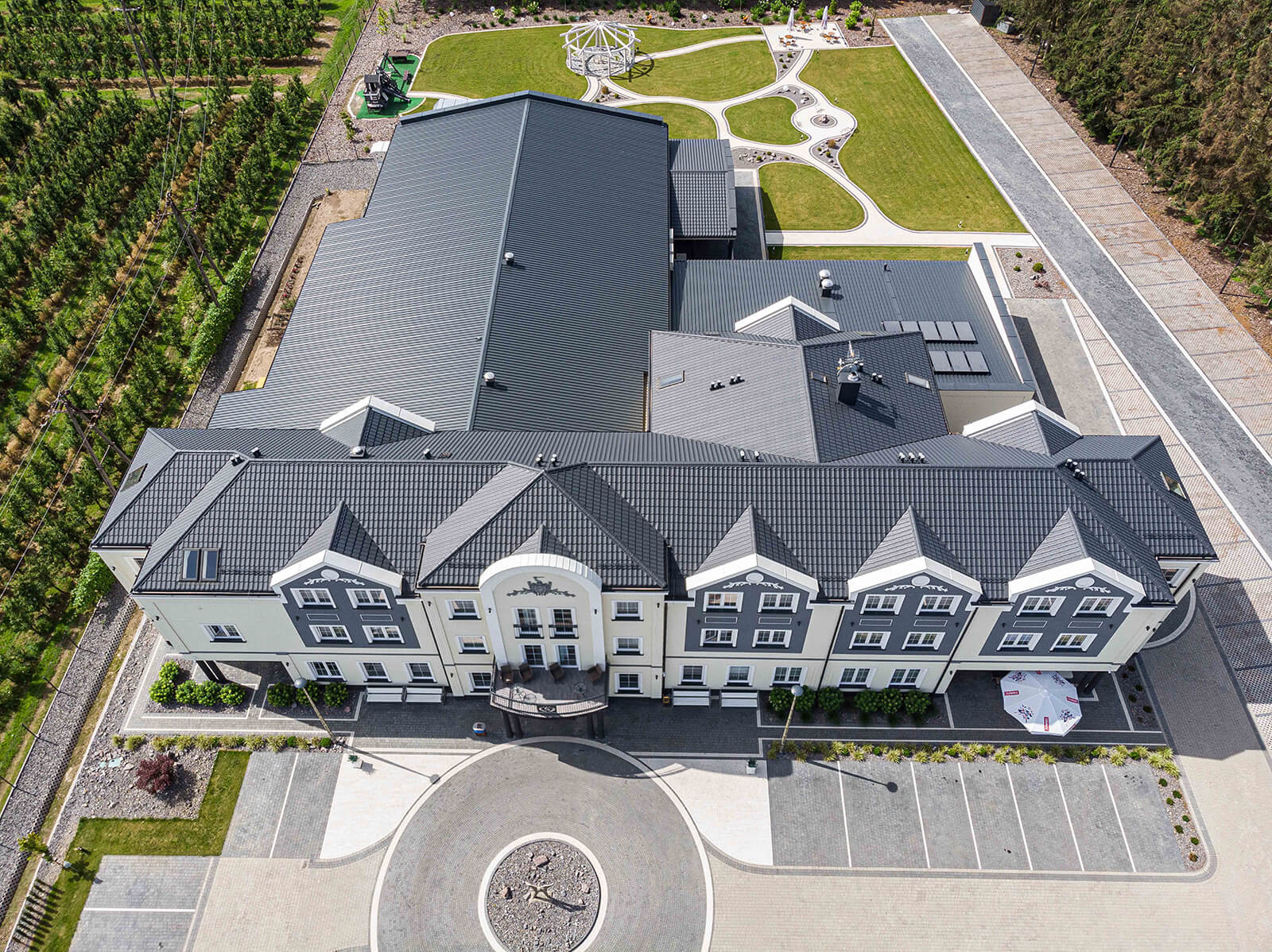
"Dwór Dobarz" Guesthouse

REGLE roof panels, imitation wood shingles, Zakopane style

One-storySingle-family home

Single-family home in Stąporków

The PŁASKA PLUS metal roof tile is an excellent choice for modern construction, and its flat surface is very popular among developers.

One-storySingle-family home

Single-family home in Wola Rzędzińska

TIGRA Metal Roof Tiles — the perfect solution for homeowners looking for a flat roof surface

One-storySingle-family home

Single-family home in Wymysłowo

The RUBIN metal roof tile is a harmonious blend of classic style and functionality.

One-storySingle-family home

Single-family home in Białystok

A classic with a modern twist. FIORD metal roof tiles used to cover a single-story house with a modern design.

Single-family home

Single -family House Tuczępa

Single-family home

A single -family house in Rytwiny

Single-family home

Single -family house, Staszów

Single-family home

Villa Niepołomice

Single-family home

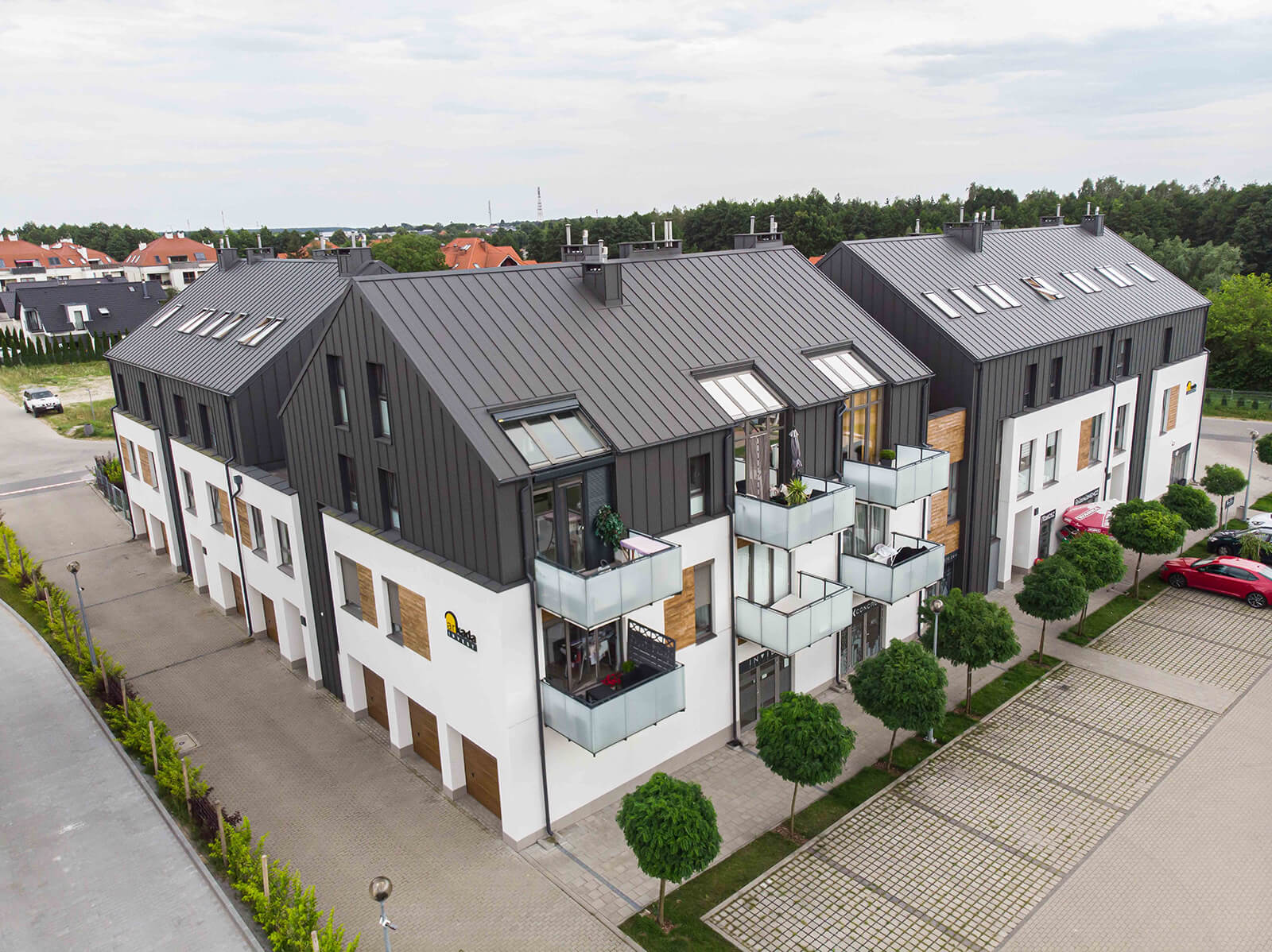
Arkadia Investment housing estate

Commercial Investments

Sevilla Gold Hotel

Single-family home

Single-family home, Pliskowola

Commercial Investments

Arena Grupa Azoty in Puławy

Commercial Investments

Kielce Bus Station

Avant-garde design in a public building

Single-family home

A single -family house in Rudna near Rzeszów

Flat metal sheet, single -family house in Rudna

Single-family home

Gable-roofed house in Końskie

Commercial Investments

Flat metal tile market, Orzysz

Single-family home

Trapeze

Single-family home

Modus

Single-family home

Detached house complex roof. Modus roof tile

Modus metal roof tile, multi -track roof

Commercial Investments

Mercedes

Mercedes

Commercial Investments

Leroy Merlin

Leroy Merlin

Technical specification

Technical Information

Option for an additional powder coating layer
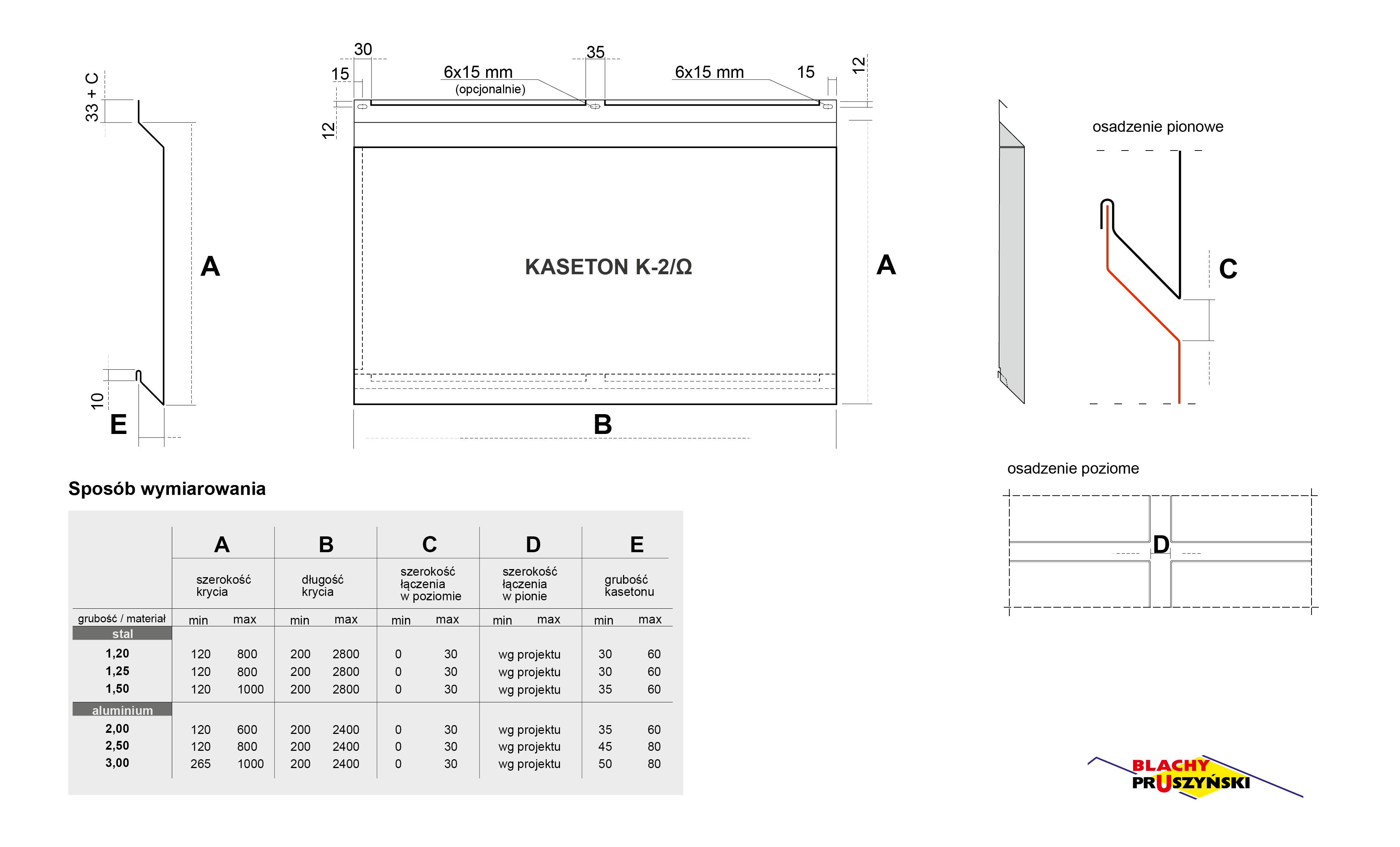
Usable width - A:
120 - 1000 mm
Effective length - B:
200 - 2800 mm
Horizontal joint width - C:
do 50 mm
Vertical joint width - D:
acc. to design
Cassette thickness - E:
30 - 80 mm
Material:
KS-1 stal/ KA-1 aluminium
Sheet metal thickness:
1,20 - 1,50 / 2,00-3,00
Coating:
poliester * / prism / poliuretan
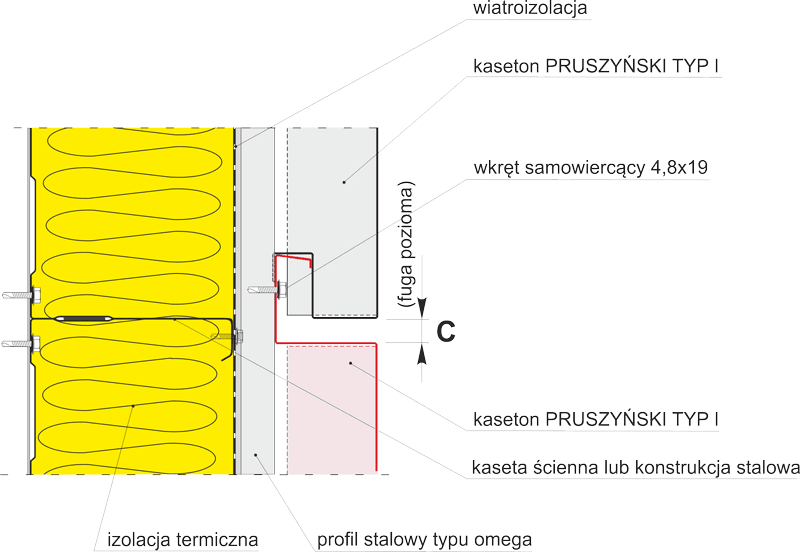
Kaseton elewacyjny K2 - z zamkiem skośnym - przekroj

Facade Cassette System

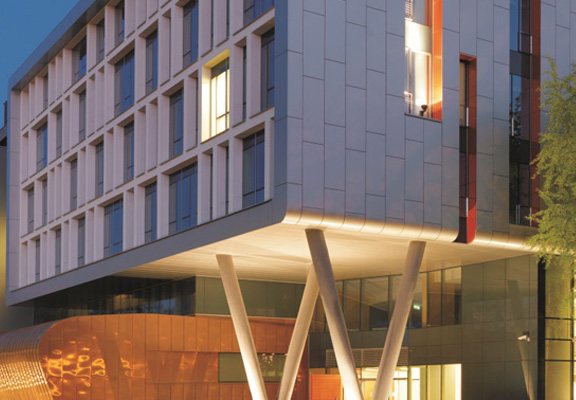
facade cassette systemAesthetics, functionality, and the durability of the building materials used are of paramount importance for any construction project. Thanks to the use of increasingly modern products with higher strength and performance parameters, it has become possible to freely experiment with shapes and colors when designing facades, whether for residential or industrial buildings. To meet the expectations of its customers, the Blachy Pruszyński Company is introducing a new facade cladding system that fully meets the highest quality standards and is characterized by versatility and a wide variety of options.
Facade Cassette SystemThe Facade Cassette System requires that the installation strips be clearly marked in order to avoid any inaccuracies that could affect the system’s airtightness and aesthetic quality.

The wide range of colors available for these panels allows you to manipulate the visual effect and create facades that stand out favorably from their surroundings.

The manufacturing process and quality control system ensure high precision in workmanship and strict adherence to dimensions, which significantly contributes to the accuracy and ease of assembly.

The Pruszyński coffered ceiling system is available in a standard version intended for horizontal installation only. The system is manufactured from galvanized coated sheet metal with a thickness of 1.2 mm to 1.5 mm or aluminum sheet with a thickness of 2.0 to 3.0 mm. The fastening system has been designed to ensure the greatest possible ease and speed of installation while maintaining the durability and airtightness of the joints between the individual system components.

The system’s technical specifications are presented in the table below:

Material and thickness

Effective width – A

Effective length – B

Horizontal joint width – C

Vertical joint width – D

Cassette thickness – E

STEEL

(mm)

min

max

min

max

min

max

min

max

min

max

1,20

175

600

100

2400

0

50*

as per design

35

50*

1,25

175

800

100

2600

0

50*

as per design

35

50*

1,50

175

1000

100

2800

0

50*

as per design

35

50*

ALUMINIUM

(mm)

min

max

min

max

min

max

min

max

min

max

2,00

175

900

100

2400

0

50*

as per design

30

50*

2,50

175

1000

100

2600

0

50*

as per design

30

50*

3,00

175

1000

100

2800

0

50*

as per design

30

50*

* – For non-standard dimensions, please contact the Sales Department
Fastening Technology

Facade cassettes - installation technology

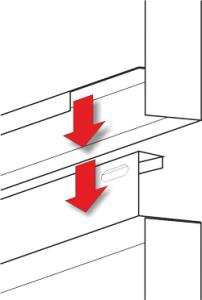
For all types of coffers, the system provides for open joints with concealed fasteners. Horizontal joints can be of any width and depend solely on the design concept. The recommended dimensions for vertical gaps should range from 10 to 30 mm.

The Pruszyński Facade Cassette System also includes a substructure based on dedicated Omega profiles. Documentation related to both the cassettes and the profiles can be found in the “DOWNLOADS” section.

Horizontal connections

The width of horizontal joints may vary depending on the design concept. A standard width ranging from 5 to 30 mm is assumed.
Facade cassettes - Installation Technology

Vertical Connections

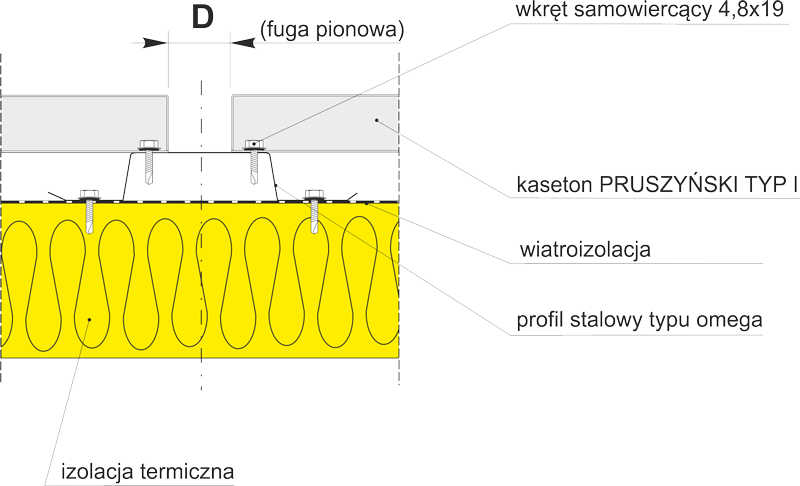
Facade cassettes Type I

Facade cassettes Type I

Vertical gaps (D) should be between 10 and 30 mm.

Cross-section of a wall in a lightweight structure
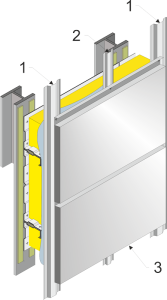
Facade panel—cross-section of a wall in a lightweight building

  1. Omega-type main steel profile
  2. Omega-type steel support profile
  3. Pruszyński Company facade cassette

It is recommended to use Omega 50 mounting brackets manufactured by the Blachy Pruszyński Company, to which the individual panels are attached using self-tapping screws.

OMEGA 30/90 – made of coated steel sheet with the same thickness and color as the OMEGA 30/50 panel – made of galvanized steel sheet with the same thickness as the panel – the so-called support profile

Facade cassettes - mounting profile

Depending on the size of the coffers, a support structure may be required. The maximum spacing for intermediate profiles (OMEGA 30/50) is shown below.
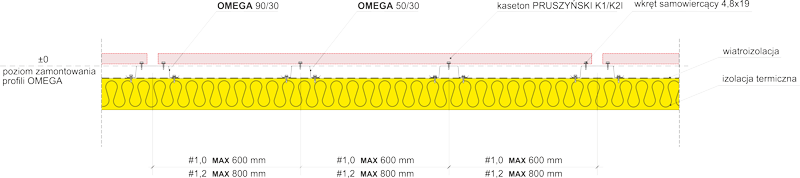
Facade cassettes - cross-section

Facade cassettes – cross-section

Corners and Finishes

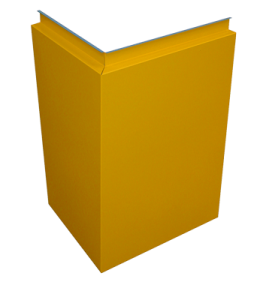
Facade panels - corners and trim

For a facade to function properly and fulfill its intended purposes, it is essential to use flashing and closures that protect the building from the elements—and, above all, from rain. Corners are finished using standard system components with dimensions tailored to the type of panel. Window perims are sealed using custom-made trim. To ensure proper ventilation of the building, the joints between the panels should not be completely airtight; they should allow for natural air circulation and water drainage.

Design Work

The care taken during the design phase pays off during the project’s implementation in the form of cost savings and visual appeal. It is important to remember that using standardized system components significantly reduces both material and installation costs.

It is important to select the correct thickness and type of sheet metal for the panels used, which depends, among other factors, on the wind zone, the surface area and height of the facade, and the dimensions of the panels themselves. It is strongly recommended to use a so-called starter strip, which significantly reinforces the system.

Given the wide range of options for customizing individual projects, the Investment Department provides information regarding installation and project implementation and assists with and oversees each project at every stage of its implementation.

Because the system requires the facade to be divided into horizontal and vertical sections by the installation crews, precision and accuracy are essential. Any inaccuracy resulting, for example, from improper leveling of the building or failure to maintain vertical alignment will be immediately visible on the facade.

For more information, contact:
Investment Department
Tel. 022/738 62 22
Fax 022/73861 51
Email: inwestycje@pruszynski.eu

Color Scheme

The color scheme is customized for each order.

Recommendations

Transport and Storage

  • If you are picking up the goods with your own vehicle, the vehicle should have an open loading platform that allows for easy loading and unloading.
  • “Manual” unloading should be carried out by an adequate number of people; that is, for long sheets (approx. 6 mb), 6 people should be involved, three on each side, taking special care not to slide the sheets over one another, bend the side edges, or stretch them. Deformation of the sheets during unloading and handling causes subsequent problems with their proper installation.
  • The most appropriate method is to unload the goods in the manufacturer’s packaging using mechanical equipment.
  • On the construction site, the panels should be stored in their original packaging, under cover. Storage under these conditions should not exceed 3 weeks from the date of manufacture. After this time, the packaging should be opened, and the panels should be separated with spacers to allow for free air circulation. The maximum storage period should not exceed 6 months from the date of manufacture, under penalty of voiding the warranty.
  • Protective films are used to provide additional protection for coated metal sheets against mechanical damage, stress, and impacts that may occur during transportation, handling, or profiling. Protective films never exempt the user from the obligation to properly protect the metal sheets during storage or from the harmful effects of chemical agents during the processing. It is recommended to remove the film from the finished profiles gradually, piece by piece, before installing the wall and roof components on the building. The protective film should be removed from the sheet metal surface within three weeks of the sheet’s date of manufacture, provided the product is stored properly—that is, at a positive temperature, away from high humidity, and without direct exposure to sunlight. Failure to maintain proper storage conditions may shorten the timeframe for removing the film to three days from the date of delivery.
  • Improper storage can make it difficult to remove the protective film and leave adhesive residue on the sheets.

Cutting and Assembly

  • Use electric shears with a rotating head to cut sheet metal. After completing the installation, be sure to clean the surface of any metal shavings, screws, etc. If the surface is damaged, perform the necessary (spot) touch-up as soon as possible, using paint that matches the original color of the sheet metal.
  • If a grinder is used, complaints will not be accepted.
  • For technical reasons, the final installation of the panels should take into account the convexity of the panels’ front surfaces (installation with a deflection arrow) in order to compensate for the resulting stresses.
  • To facilitate proper installation of the panels, it is recommended to use angle brackets that maintain a uniform deflection on all installed panels.

For additional information, please refer to the installation instructions for each specific product.
Maintenance and Cleaning

  • To extend the service life of roofs and facades made of coated metal sheets, they should be inspected and maintained regularly.
  • Inspection – Inspection of the roof/facade should be carried out once a year (preferably in spring) in order to detect any damage at an early stage.
  • Cleaning Metal Sheets – Roofs and facades made of coated metal sheets require cleaning at least once a year. Dirt that accumulates on the sheet metal can cause uneven discoloration (due to uneven exposure to UV rays) and reduce corrosion resistance (dirt traps moisture on the sheet metal, gradually damaging it). Dirty and stained areas can be cleaned with a soft brush and water (max. 60°C). If necessary, a mild detergent (pH 6–7, max. 10% solution) may be added to the water. Pressurized water (max. 100 bar) may also be used for cleaning; however, the water jet must not be directed too close to the sheet’s surface (min. 30 cm) nor perpendicular to the surface. At the joints, the water jet should be directed downward to prevent pressurized water from entering the gaps around the joints. Old coatings must be handled with extreme care. Cleaning should be performed from top to bottom, and the cleaned area must always be thoroughly rinsed with clean water immediately afterward.
  • Do not use scouring powders, nitro solvents, chlorine solutions, aromatic agents, or products containing salmiak (ammonium chloride) or sodium salts.
  • Damage — Any repairs to damage that may occur during the warranty period should be discussed with the roof/facade contractor and may be performed only with the contractor’s approval. Repairs to small areas are performed using air-drying touch-up paints. As a general rule, painting large areas is only possible using special industrial paints designed for the renovation of coatings. The area to be painted should be limited only to those areas that require it (scratches down to the metal layer, corrosion spots, etc.). Surface preparation for painting should be performed in accordance with generally accepted principles. Always thoroughly remove all traces of corrosion—preferably using special brushes or fine-grit sandpaper. Then, the surface to be repaired must be thoroughly dusted, degreased, and cleaned. To degrease the surface, use extraction gasoline or water with added surfactants (preferably with a 1–2% ammonia solution). The repaired areas may show color differences compared to the original sheet metal colors due to natural weathering (aging of the paint under the influence of UV radiation).
  • Organically coated steel sheets must not be used in:
    • an environment in constant contact with highly saline water,
    • contact with construction chemicals, including concrete, plaster, wet wood, etc.,
    • in an environment exposed to aggressive chemicals
    • in combination with materials having a different electrochemical potential
  • NOTE – Occupational Health and Safety (OHS) regulations must be strictly observed during inspection, cleaning, maintenance, and repair operations.
  • Pruszyński Sp. z o.o. is not liable for any accidents that may result from failure to perform the above actions.

Do you have any questions?

Does the roof need maintenance?
Yes, every roof requires periodic inspections to check for any damage. Most products offered by the Blachy Pruszyński Company are available with various types of specialized coatings (covered by Warranty) that increase the service life and durability of metal roofing. Maintenance mainly involves removing soot and chimney dust, which, if left for an extended period, can damage the metal sheeting. Particular attention should be paid to the areas around chimneys, which are critical due to more demanding operating conditions. If localized damage to the paint coating is noticed during an inspection of the roofing, touch-up painting should be performed. In such situations, the best solution is to use dedicated touch-up paints matched to the specific coating. The Blachy Pruszyński Company offers such paints as part of its regular product line, and it is strongly recommended to use the company’s products that are recommended for the specific coating.
Is it possible to install copper flashings on a steel roof?
Caution must be exercised when using copper, as copper oxides are highly corrosive and cause corrosion of other metals. For this reason, it must not be combined with other types of metals on buildings (copper reacts upon contact and causes electrolytic corrosion of other metals).
Can I use an angle grinder to cut sheets?
Modern roof coverings preclude the use of angle grinders for cutting. Using this method to cut the material will void the Warranty.
An angle grinder generates a great deal of heat during operation and cutting, which in turn damages the edges of the sheet metal as well as its protective coating. Additionally, the metal shavings produced during operation become embedded in the sheet metal’s surface, creating potential corrosion sites.
The proper way to cut sheet metal is to use automatic nibblers or hand shears. These tools use mechanical force to cut the sheet metal without exposing it to extreme temperature fluctuations. Additionally, it’s worth remembering that after cutting, it’s a good idea to protect the cut edges with a dedicated protective varnish or special paint.
Why are metal roof tiles recommended for renovating old roofs?
This is directly related to its light weight. In the case of old roofs, the roof trusses of renovated houses are often already somewhat worn down by time. Therefore, it is safer to use metal roof tiles, which weigh around 4.7 kg/m², rather than ceramic roof tiles, which are nearly ten times heavier. However, it’s always a good idea to have a specialist inspect the condition of the roof truss and confirm whether it requires renovation or replacement after all. In such cases, the safety of the building’s residents or employees, as well as the installation crew, is always the top priority. In most situations, however, the condition of the structure allows for the use of metal roof tiles without major issues, whereas the use of ceramic roof tiles would no longer be possible.
How can I advertise a product? Where can I find more information?
Complaints should be filed at the wholesale store where the purchase was made. If the wholesale store in question has closed (is no longer in business), the completed complaint form should be sent directly to Pruszyński Company at the following address: pruszynski@pruszynski.com.pl

A complaint form is available in the "Downloads / Forms" section or directly here: COMPLAINT FORM
How to register and how does the warranty work?
In order to register the warranty, download the warranty registration available in files for download / printing or directly:
Warranty registration and send it completed to the following address: guarantee@pruszynski.eu

The warranty begins to apply on the day of purchase of the goods. Registration of warranty is necessary to quickly identify the purchased batch of goods.
Trapezoidal sheets

You might be interested in this:

Trapezoidal sheets

Check our offer

Other items in this category

Check out these products—you might find them interesting too

Articles

CSR, Sponsoring sportowy
A Fierce Battle Between Byśkiniewicz and Siatkowski for Victory in the Małopolska Rally

Łukasz Byśkiniewicz and Daniel Siatkowski took 2nd place in the Valvoline Małopolska Rally. After a fierce battle and nearly 150 km of special stages, the TVN TURBO RALLY TEAM crew finished just 7.3 seconds behind the winners, solidifying their position as runners-up in the RSMP.

Read more
Charitable Activities, CSR, Honorable mentions and prizes
Krzysztof Pruszyński Wins the Mazovian Gentleman D. Award — Recognized for Years of Community Service

Krzysztof Pruszyński, president of the Pruszyński Company, was awarded the prestigious title of “Mazovian Gentleman D.” in the “Friend of People with Disabilities” category. This award recognizes the entrepreneur’s long-standing commitment to the development of local social, educational, and inclusion initiatives.

Read more

Honorable mentions and prizes
Blachy Pruszyński Company Wins Prestigious “Construction Brand of the Year 2026” Awards

The Blachy Pruszyński Company is once again among the highest-rated construction brands in Poland. In the 2026 Construction Brand of the Year Ranking, the company won three awards and received the “Tradespeople-Friendly Brand” distinction. This is yet another confirmation of the quality of its products, which are highly valued by contractors and roofers.
Read more