Do you have any questions?
What types of flashings are available for metal roof tiles?
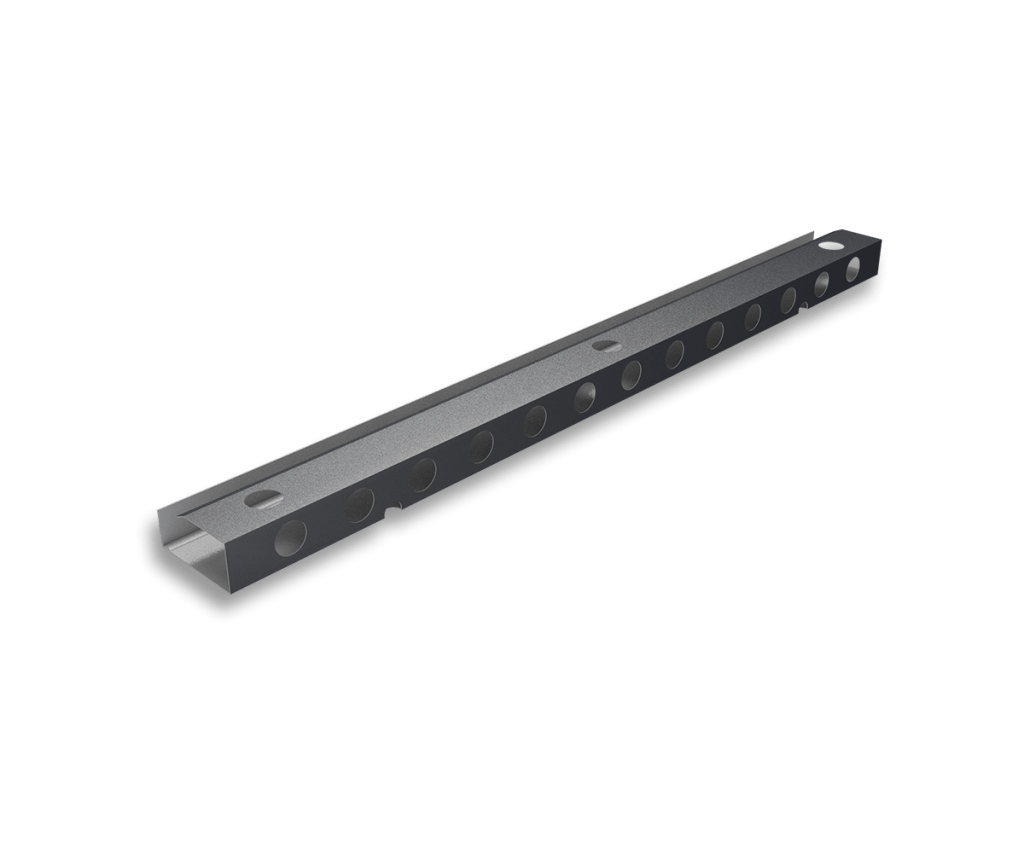
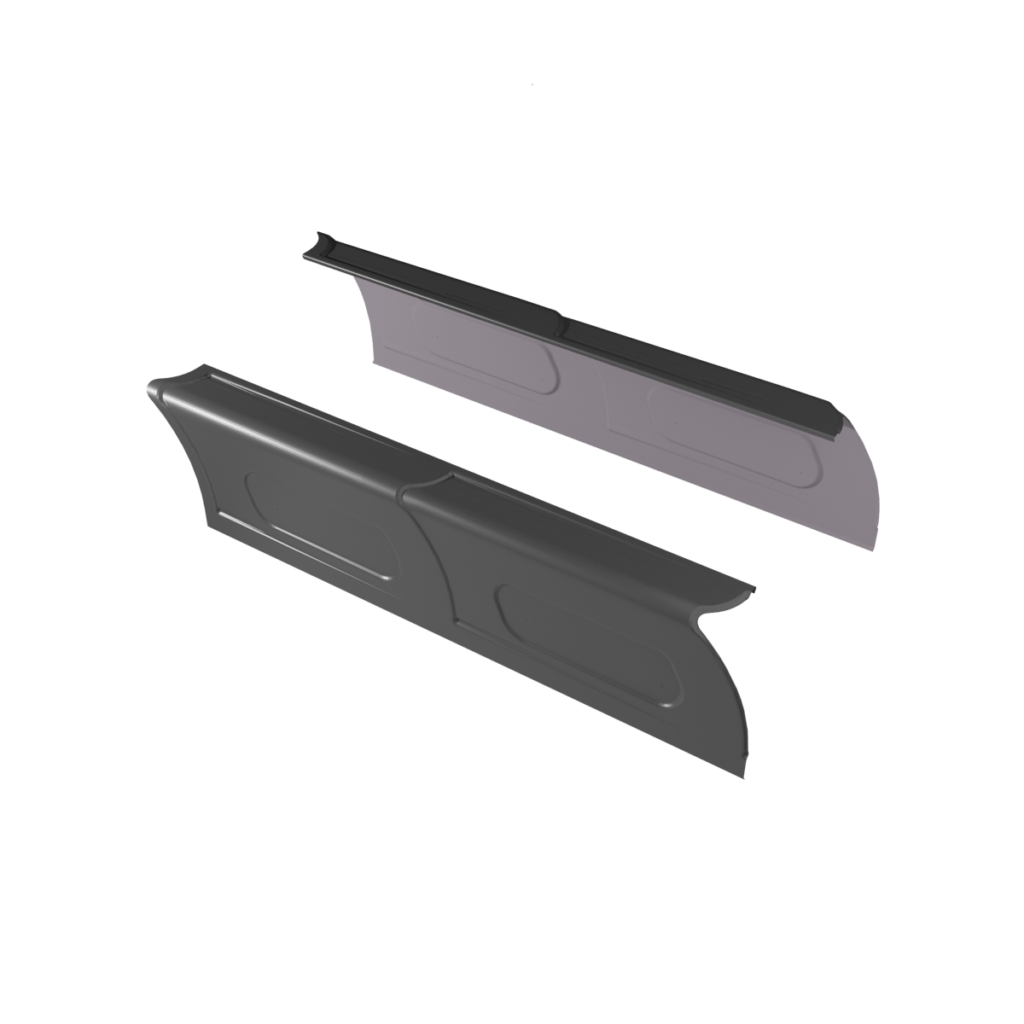
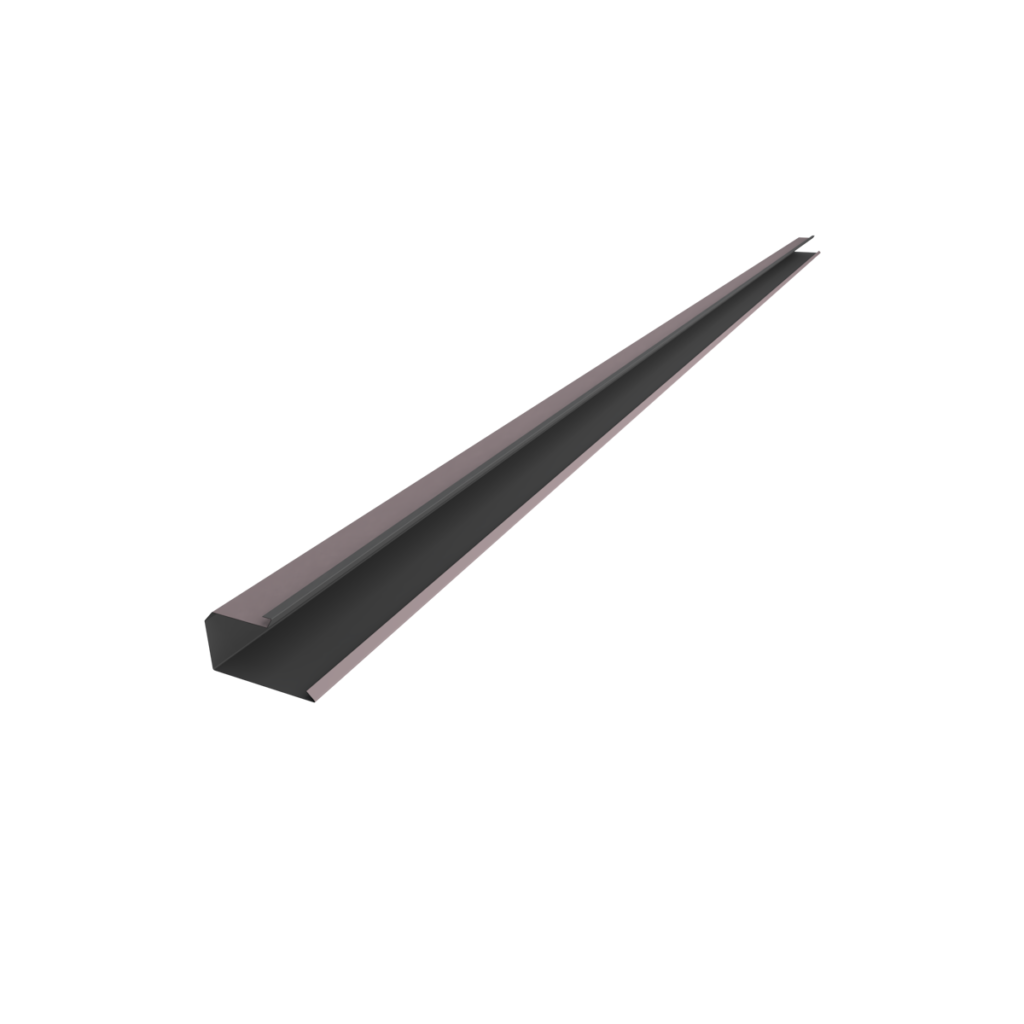
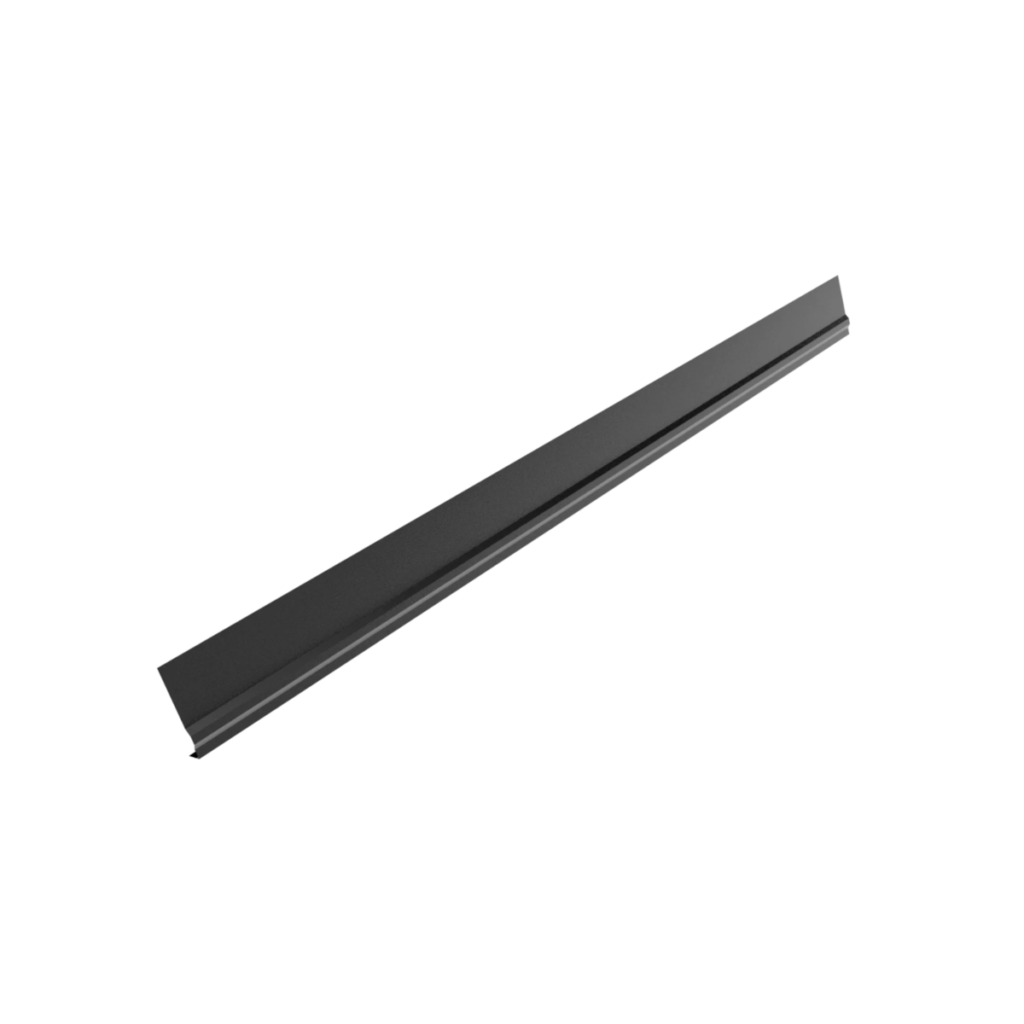
The basic flashings for modular roof tiles include: modular barge flashing, Upper barge flashing and side barge flashings, Omega and barrel-shaped ridge caps, ventilation eaves battens, valley gutters, sidewall flashings, under-gutter strips, over-gutter flashing, and drainage gutters. You can find all the flashings available in our product range at this link:
TYPICAL METAL FLASHINGS
How do you prepare metal roofing tiles for coating?
You can paint metal roof tiles yourself or hire professionals. However, before applying the paint, you must properly prepare the surface. Clean the roof of dirt, dust, and other debris, then apply a suitable primer (this will ensure good paint adhesion to the metal roof tiles). Only after completing these steps can you begin painting. Note! Use only paint specifically designed for metal roof tiles.
Does the roof need maintenance?
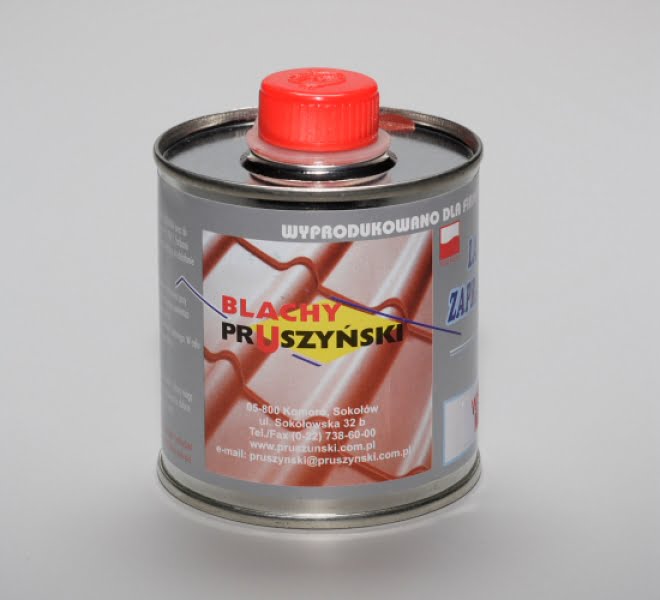
Yes, every roof requires periodic inspections to check for any damage. Most products offered by the Blachy Pruszyński Company are available with various types of specialized coatings (covered by Warranty) that increase the service life and durability of metal roofing. Maintenance mainly involves removing soot and chimney dust, which, if left for an extended period, can damage the metal sheeting. Particular attention should be paid to the areas around chimneys, which are critical due to more demanding operating conditions. If localized damage to the paint coating is noticed during an inspection of the roofing, touch-up painting should be performed. In such situations, the best solution is to use dedicated touch-up paints matched to the specific coating. The Blachy Pruszyński Company offers such paints as part of its regular product line, and it is strongly recommended to use the company’s products that are recommended for the specific coating.
Is it possible to install copper flashings on a steel roof?
Caution must be exercised when using copper, as copper oxides are highly corrosive and cause corrosion of other metals. For this reason, it must not be combined with other types of metals on buildings (copper reacts upon contact and causes electrolytic corrosion of other metals).
Can I use an angle grinder to cut sheets?
Modern roof coverings preclude the use of angle grinders for cutting. Using this method to cut the material will void the Warranty.
An angle grinder generates a great deal of heat during operation and cutting, which in turn damages the edges of the sheet metal as well as its protective coating. Additionally, the metal shavings produced during operation become embedded in the sheet metal’s surface, creating potential corrosion sites.
The proper way to cut sheet metal is to use automatic nibblers or hand shears. These tools use mechanical force to cut the sheet metal without exposing it to extreme temperature fluctuations. Additionally, it’s worth remembering that after cutting, it’s a good idea to protect the cut edges with a dedicated protective varnish or special paint.
Why are metal roof tiles recommended for renovating old roofs?
This is directly related to its light weight. In the case of old roofs, the roof trusses of renovated houses are often already somewhat worn down by time. Therefore, it is safer to use metal roof tiles, which weigh around 4.7 kg/m², rather than ceramic roof tiles, which are nearly ten times heavier. However, it’s always a good idea to have a specialist inspect the condition of the roof truss and confirm whether it requires renovation or replacement after all. In such cases, the safety of the building’s residents or employees, as well as the installation crew, is always the top priority. In most situations, however, the condition of the structure allows for the use of metal roof tiles without major issues, whereas the use of ceramic roof tiles would no longer be possible.
What is the difference between T14 and T18 trapezoidal sheets?
T14 and T18 trapezoidal sheets differ in the number of corrugations across the sheet’s width and in profile height, with the T14 having a profile height of 14 mm and the T18 having a profile height of 18 mm (it is slightly “taller,” but also slightly stiffer than the T14 trapezoidal sheet). Due to their profile height, both types of trapezoidal sheets are intended for use in residential construction, such as for fences, garage roofs, sheds, or barns. For house roofs, on the other hand, customers more often choose trapezoidal sheets with a slightly higher profile, such as the dedicated
TP26 - SUPER or
the very popular T35E