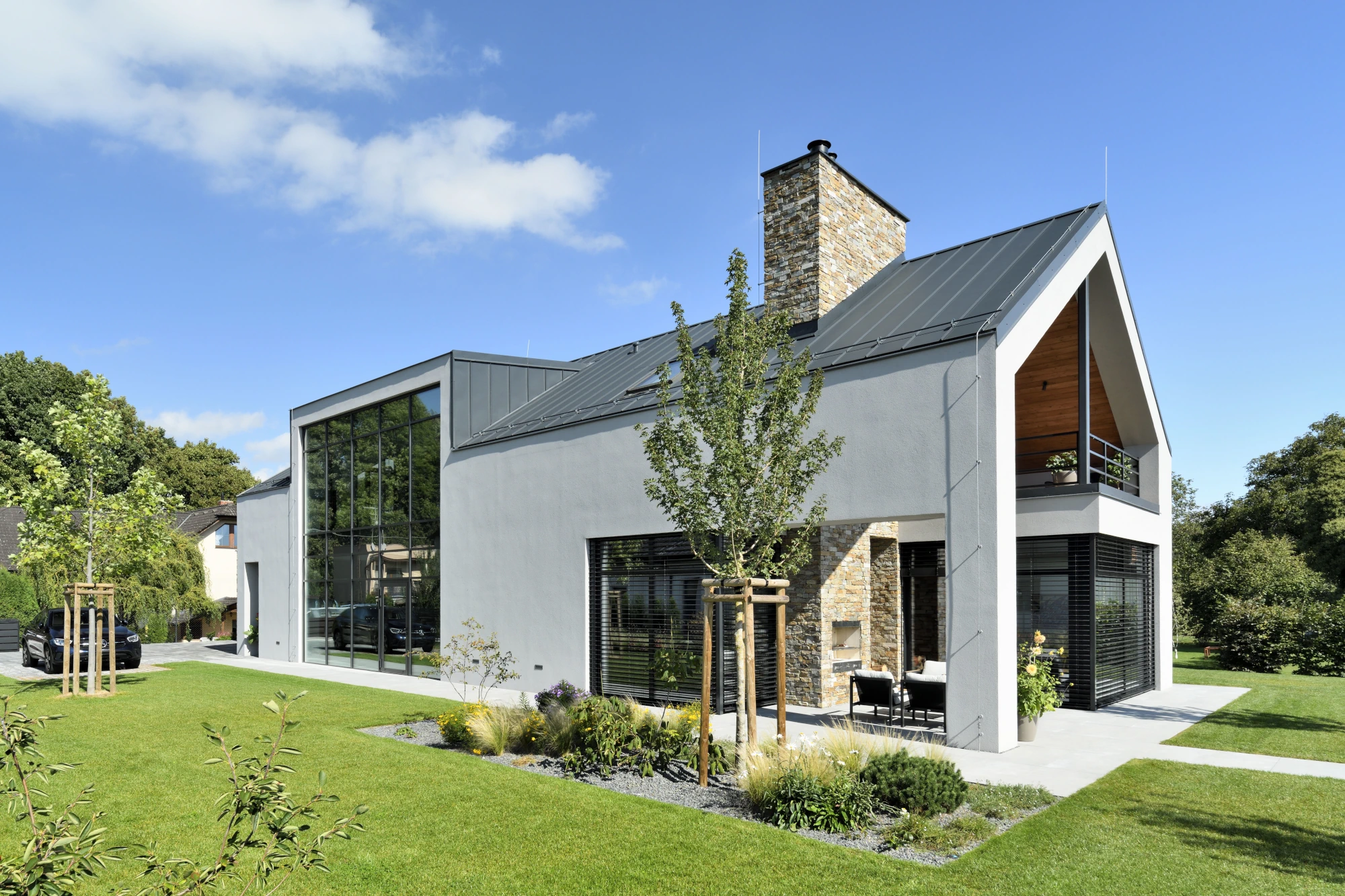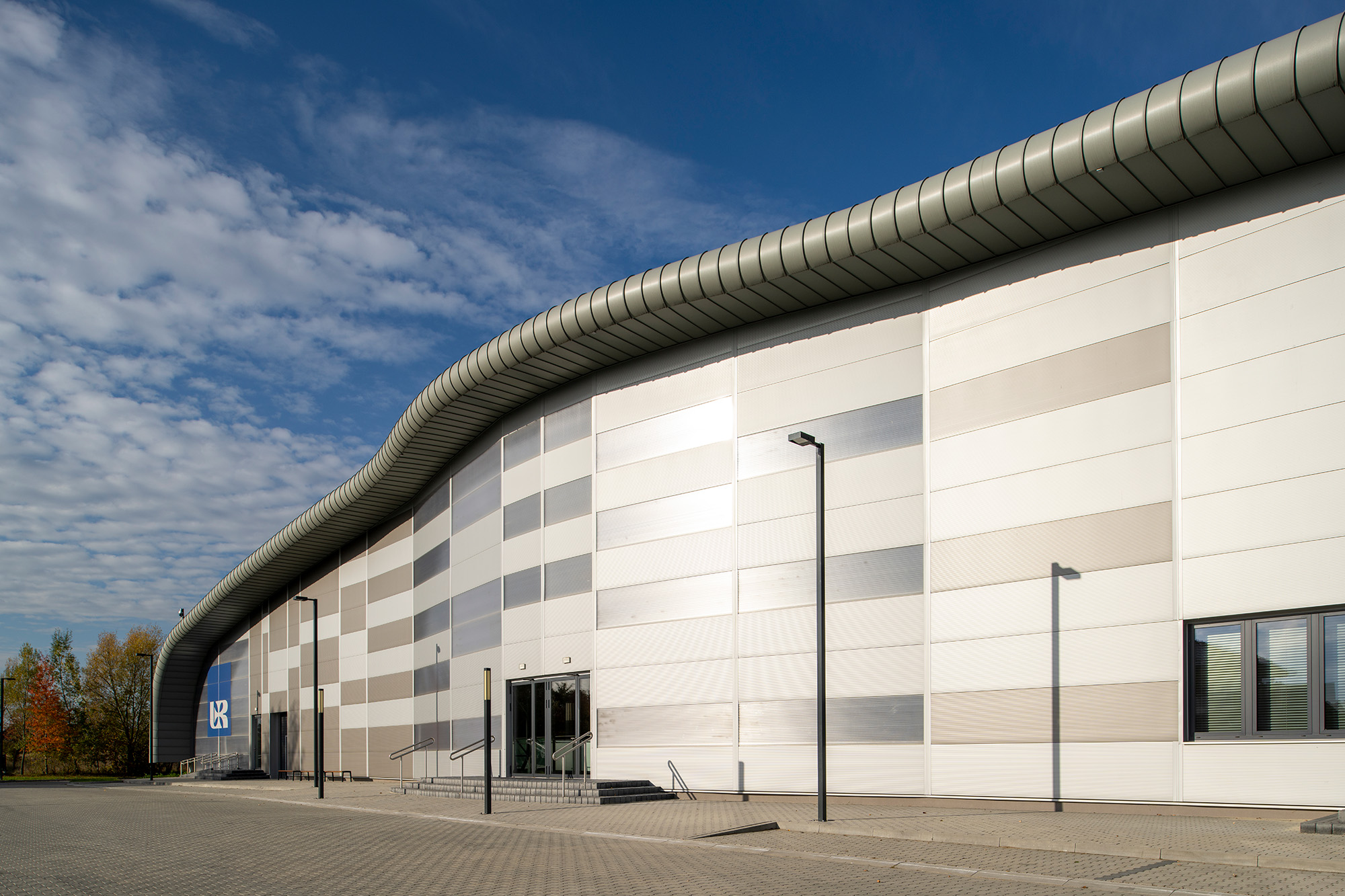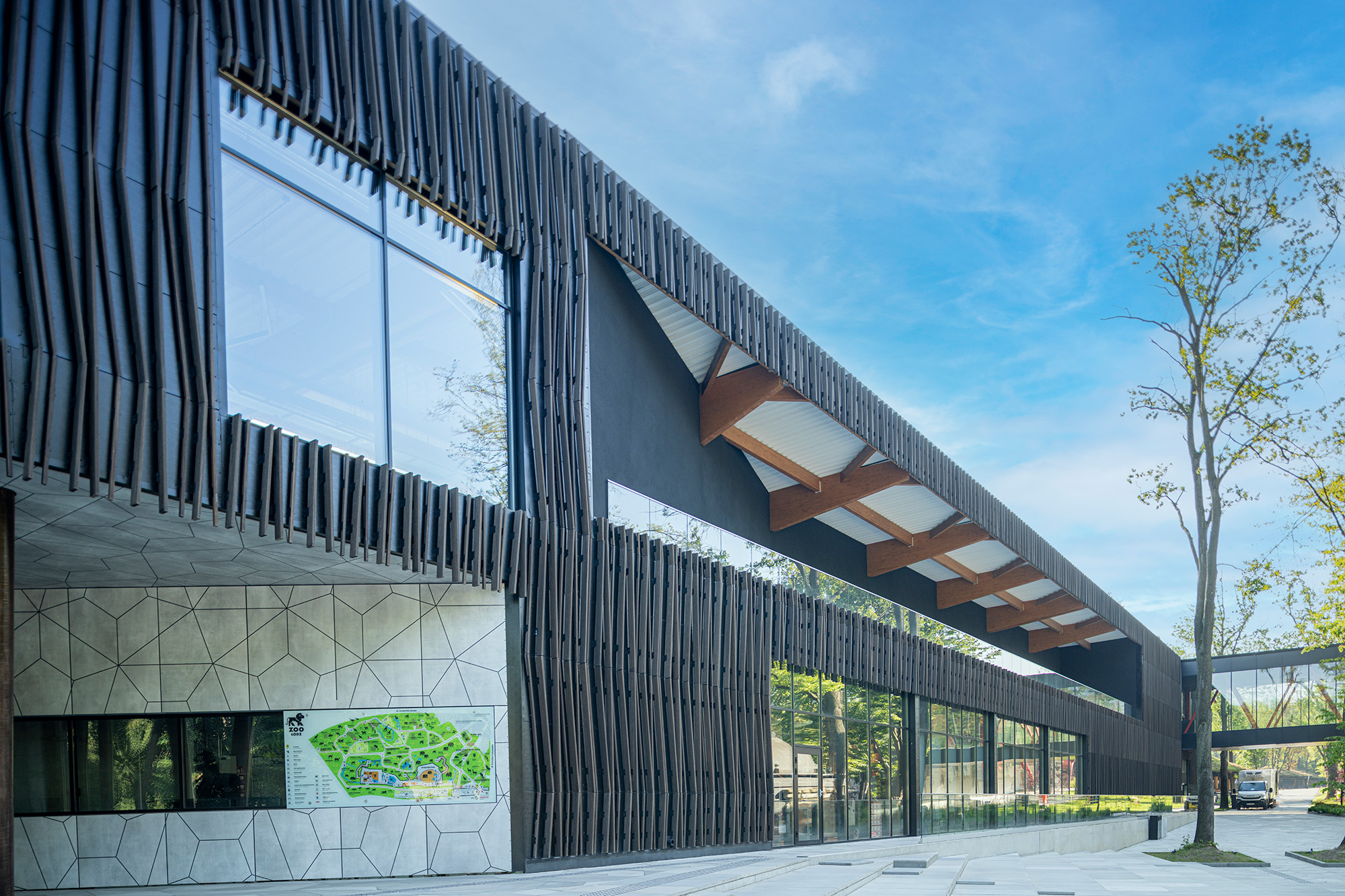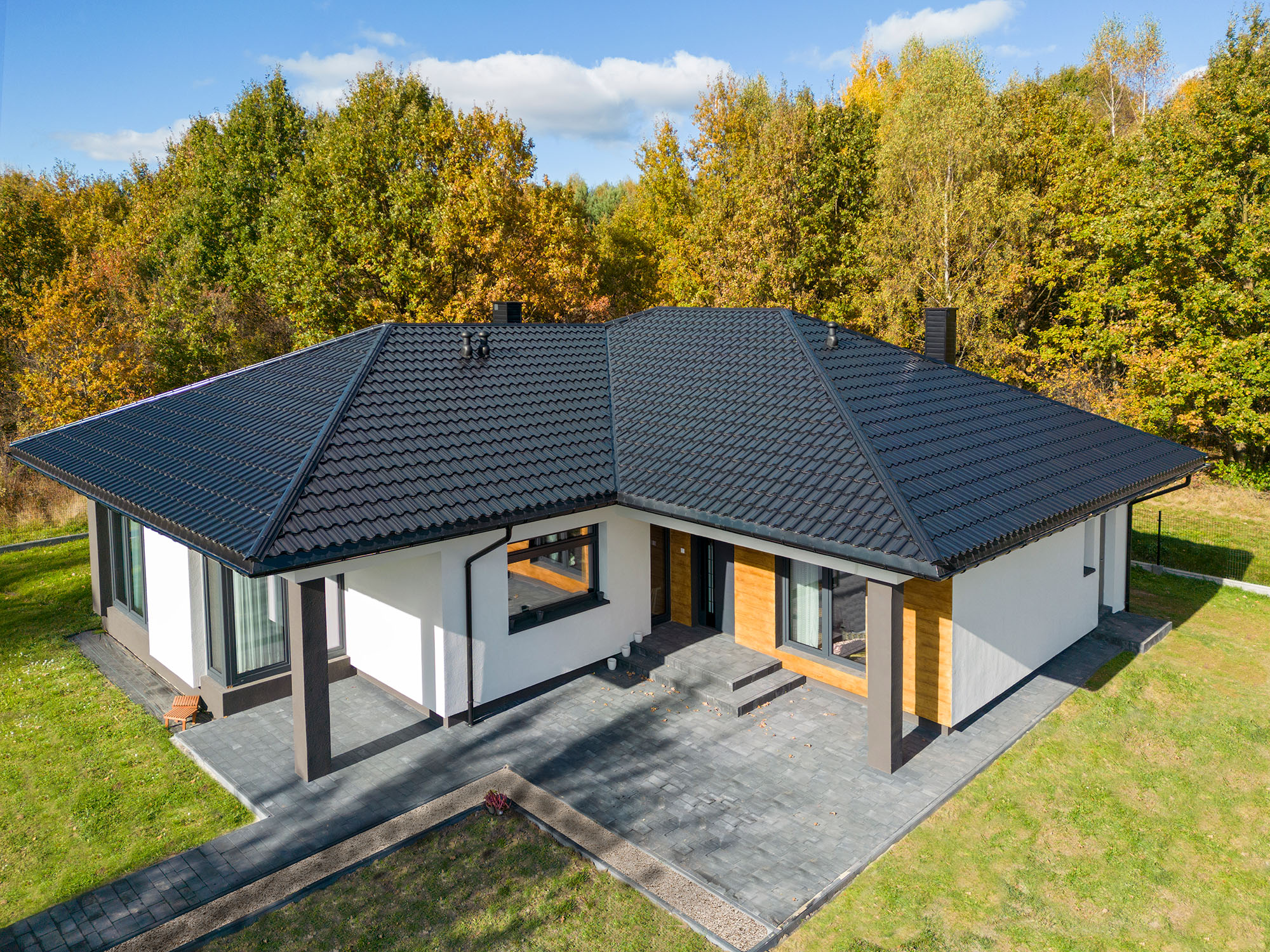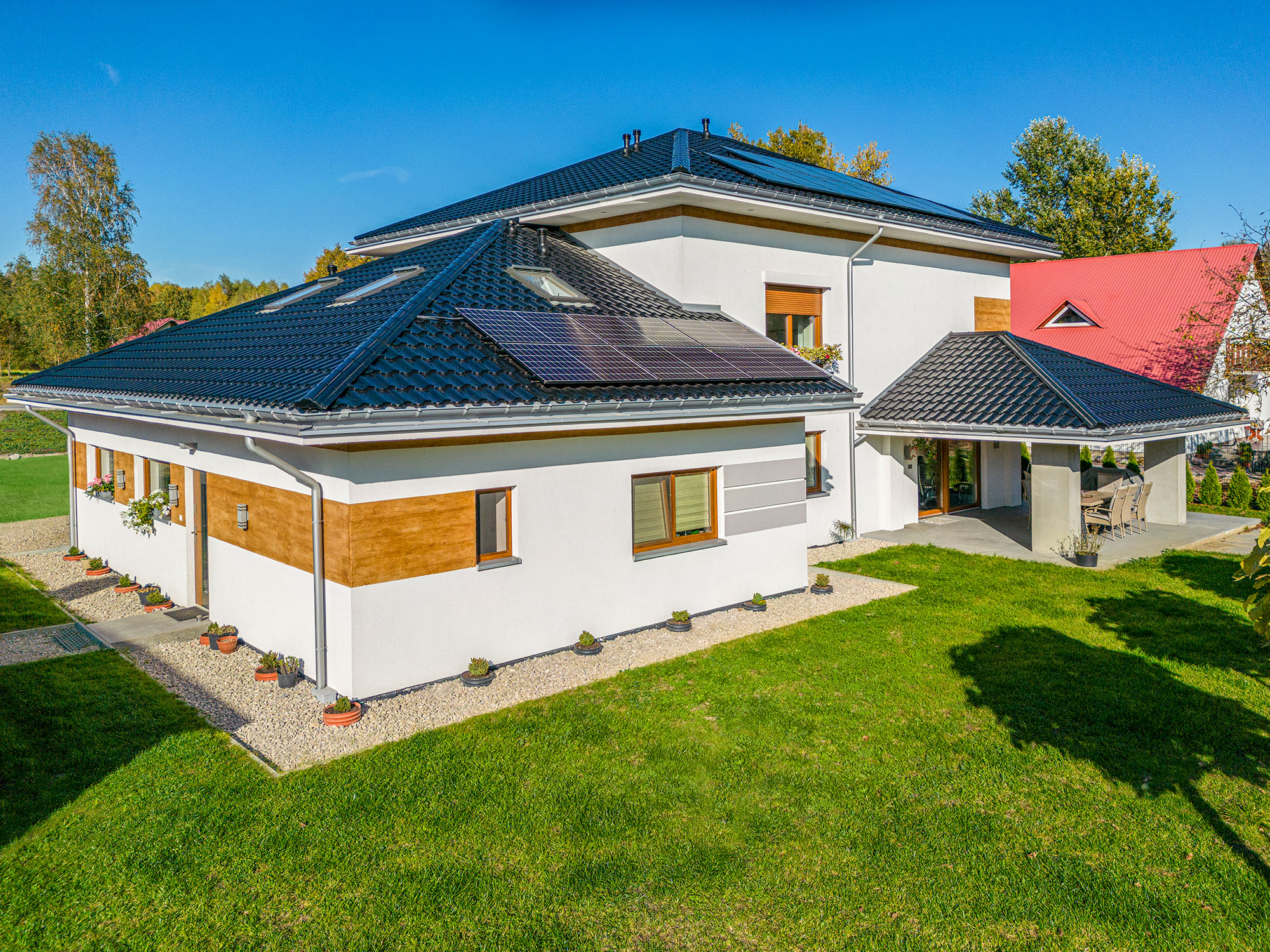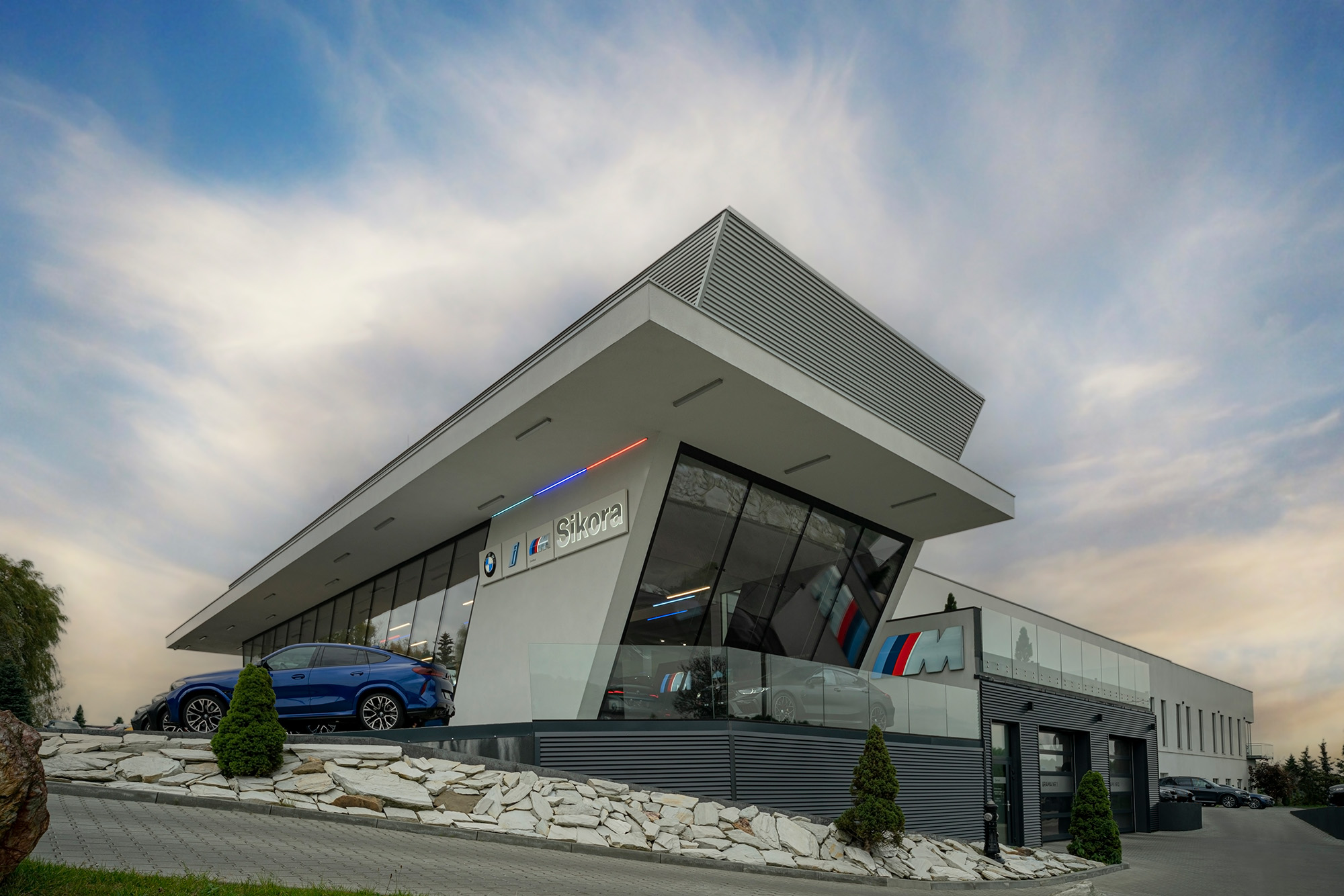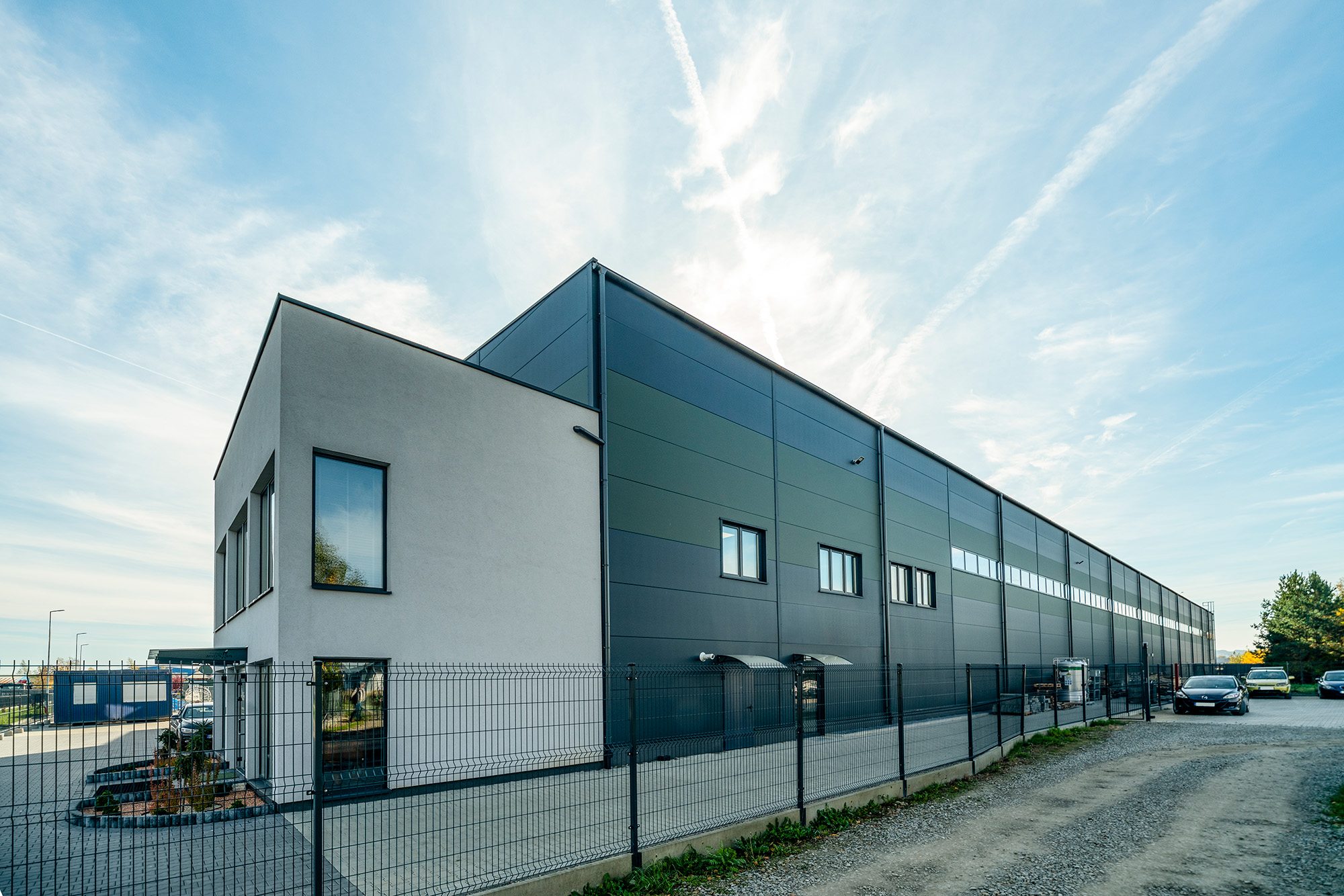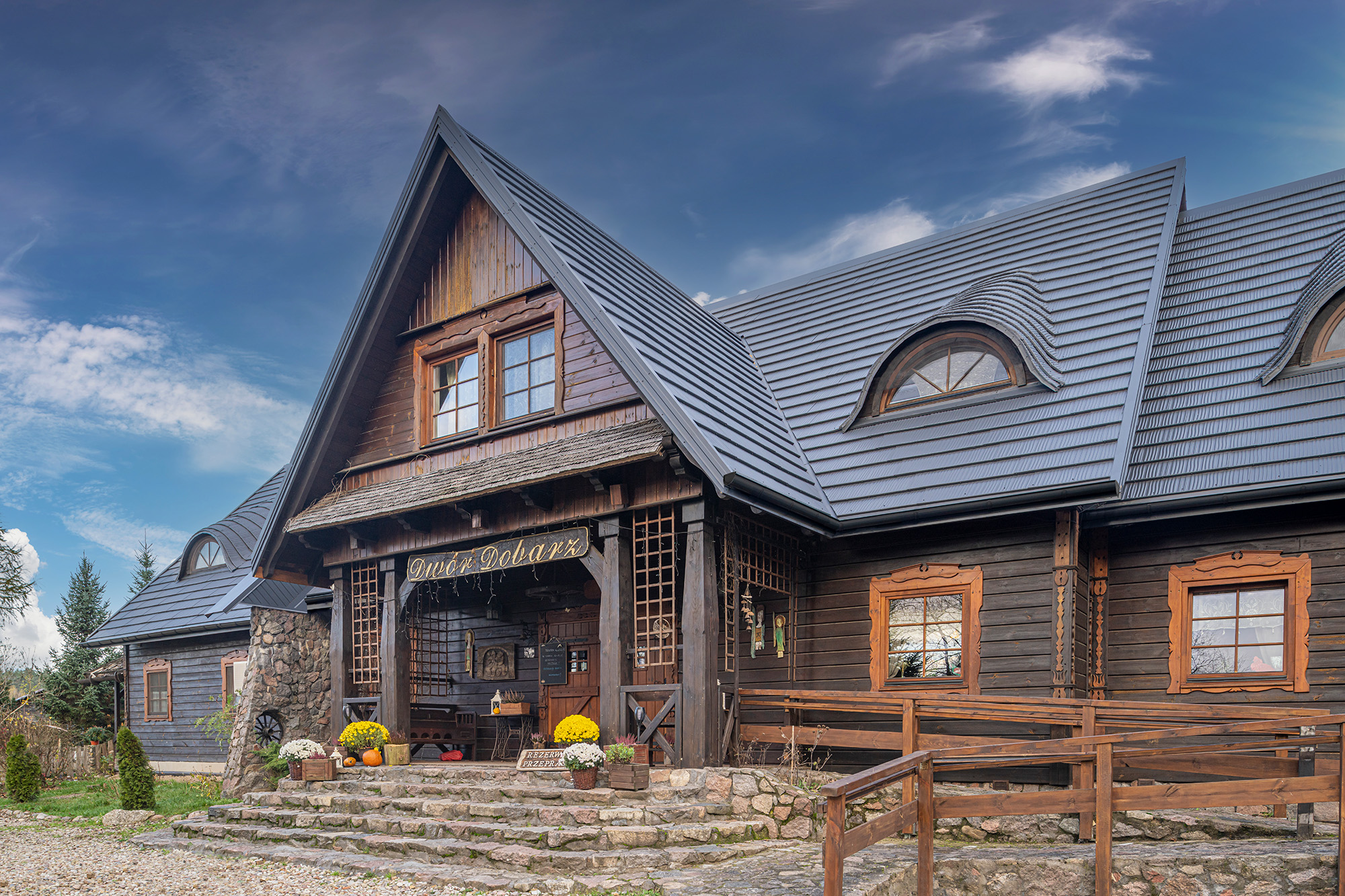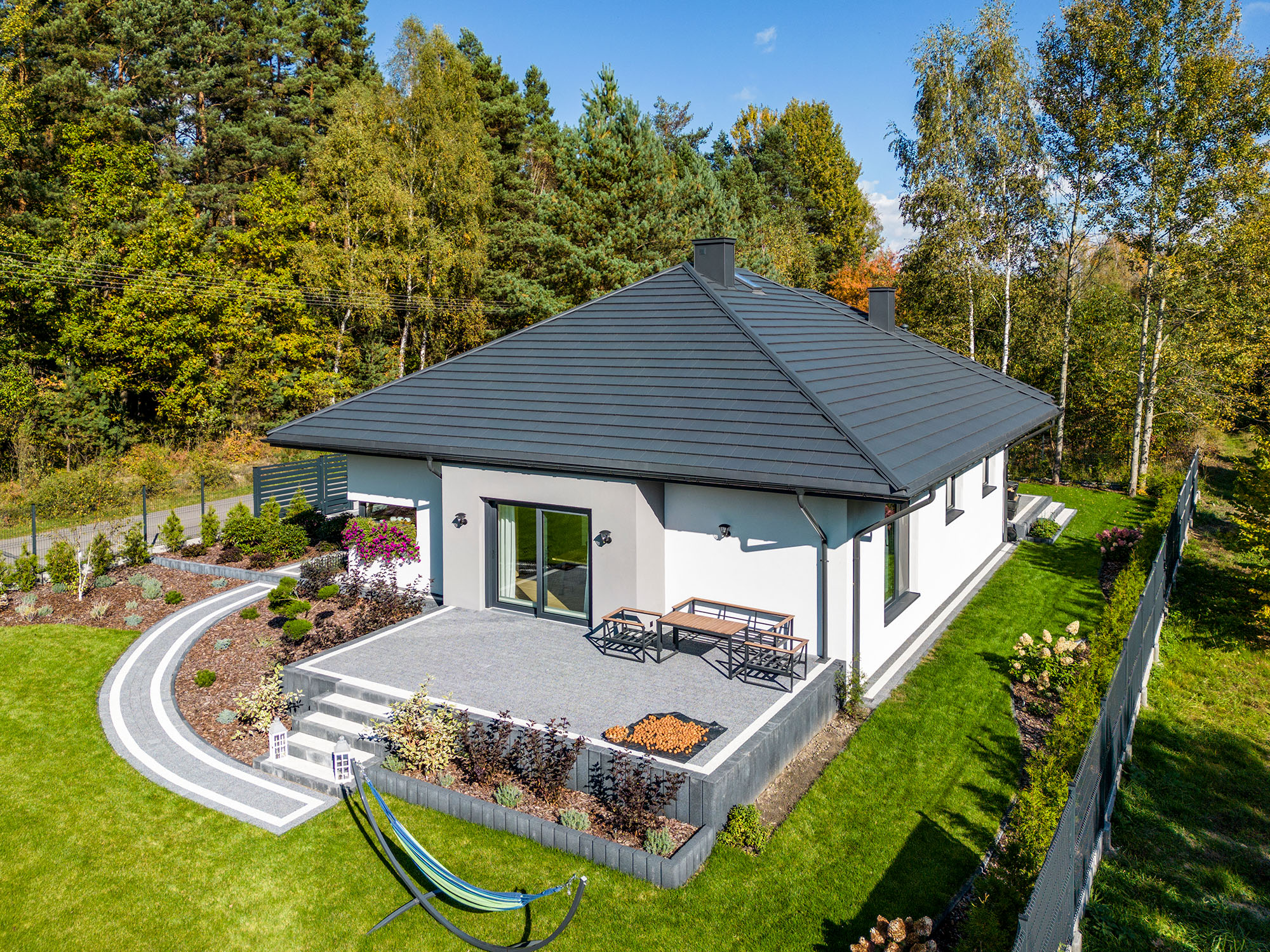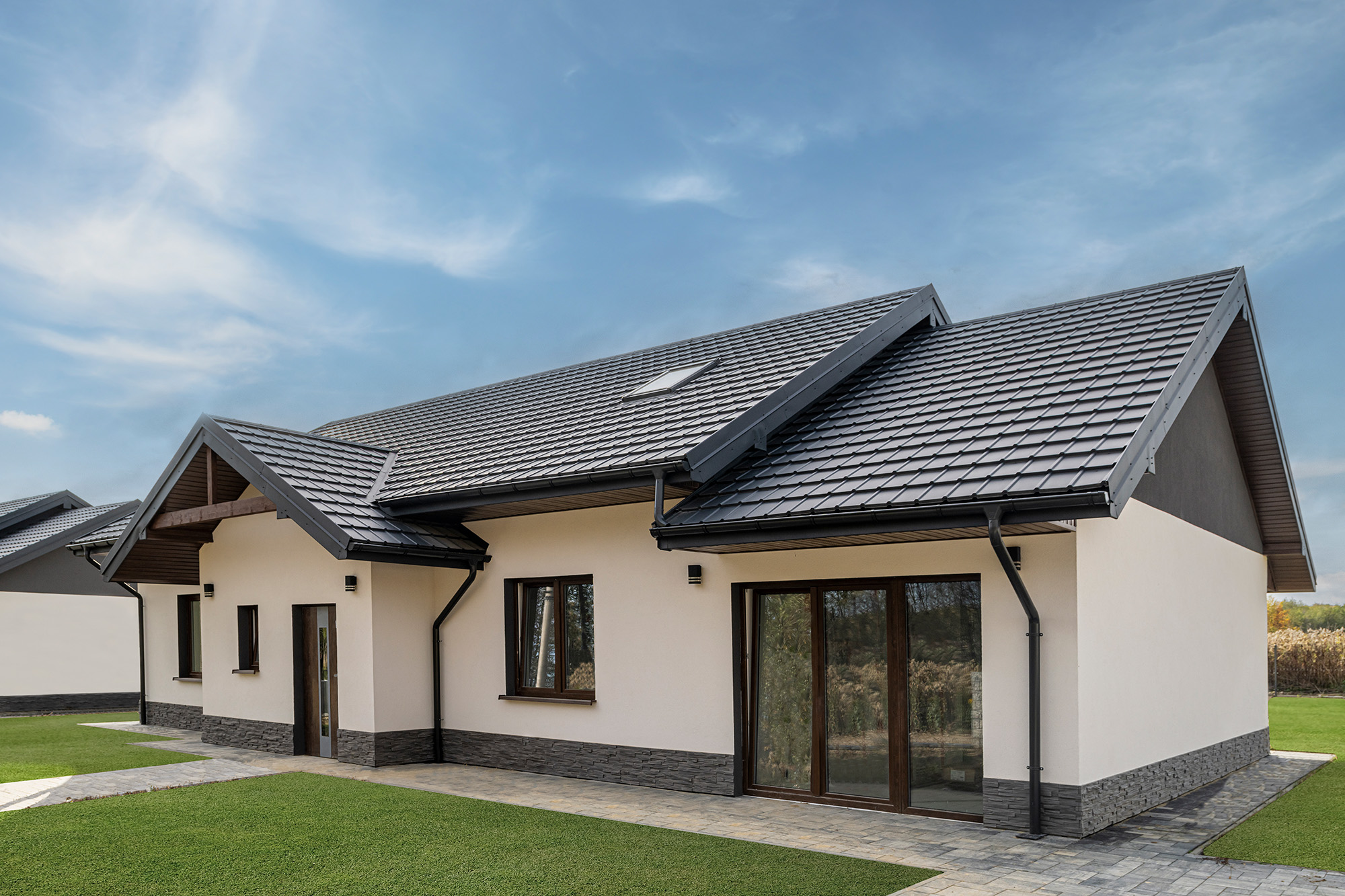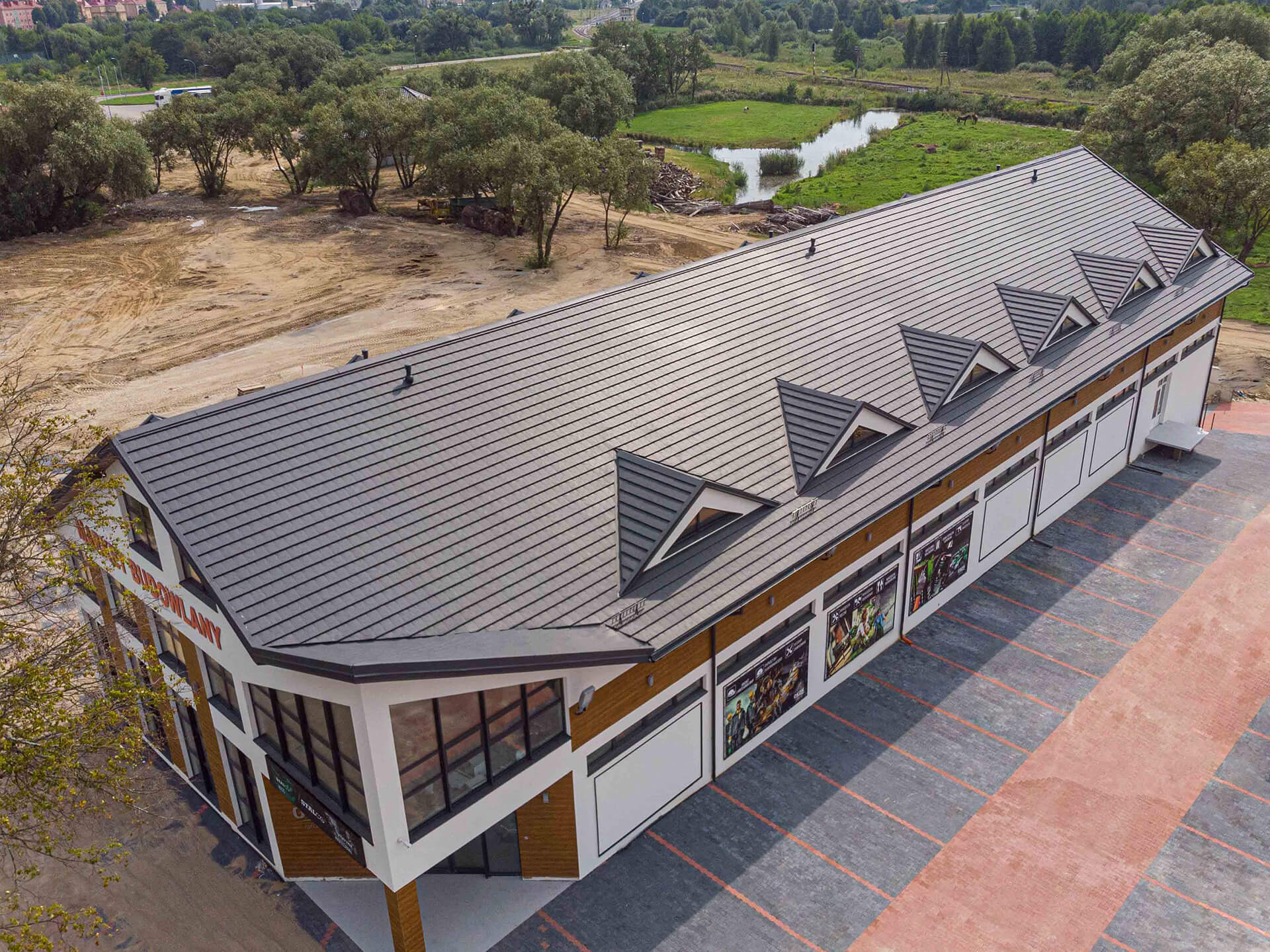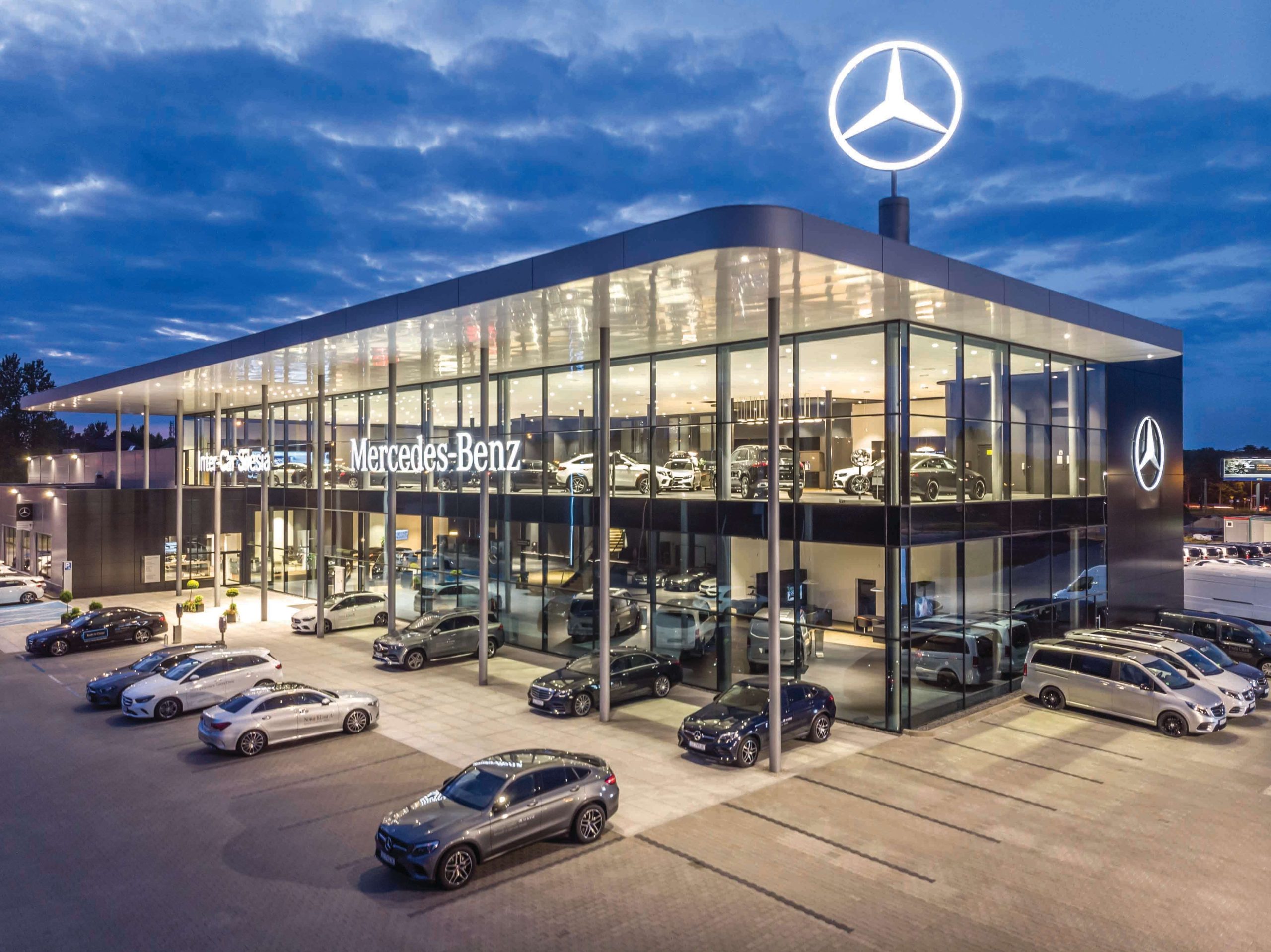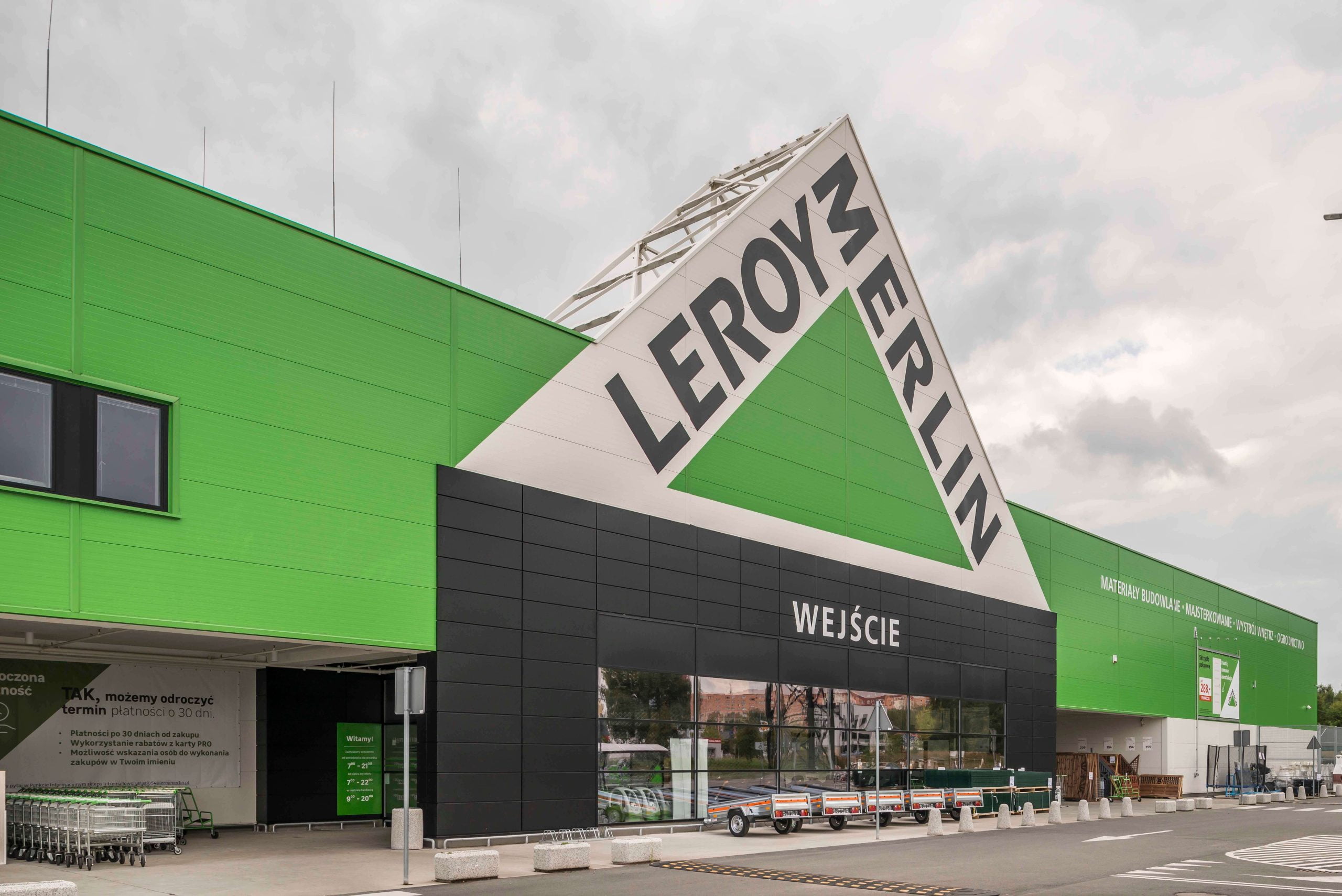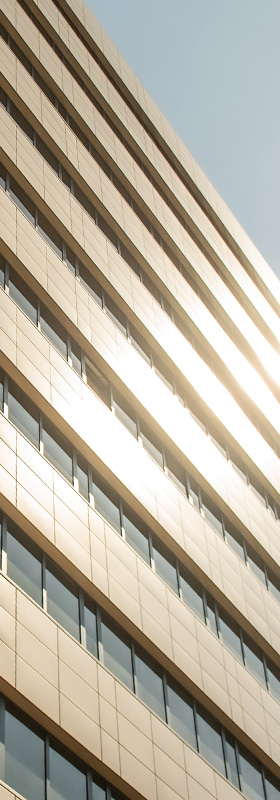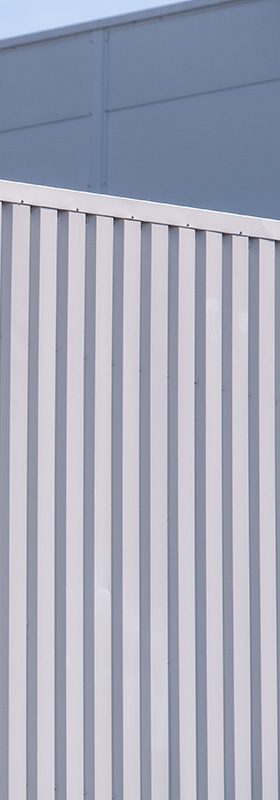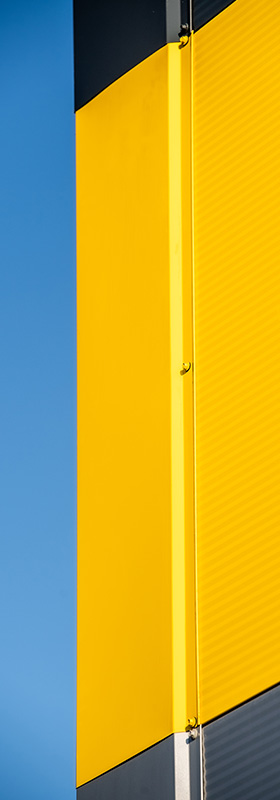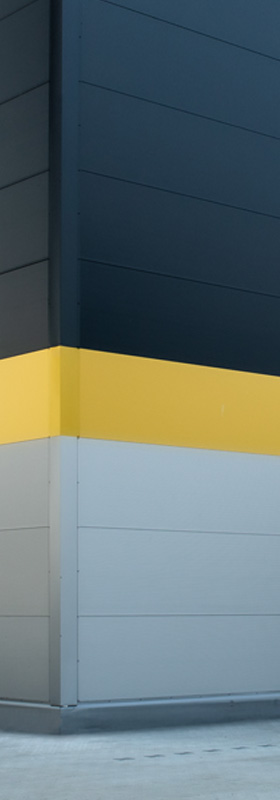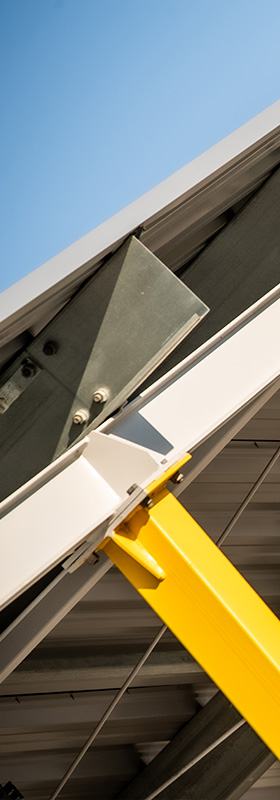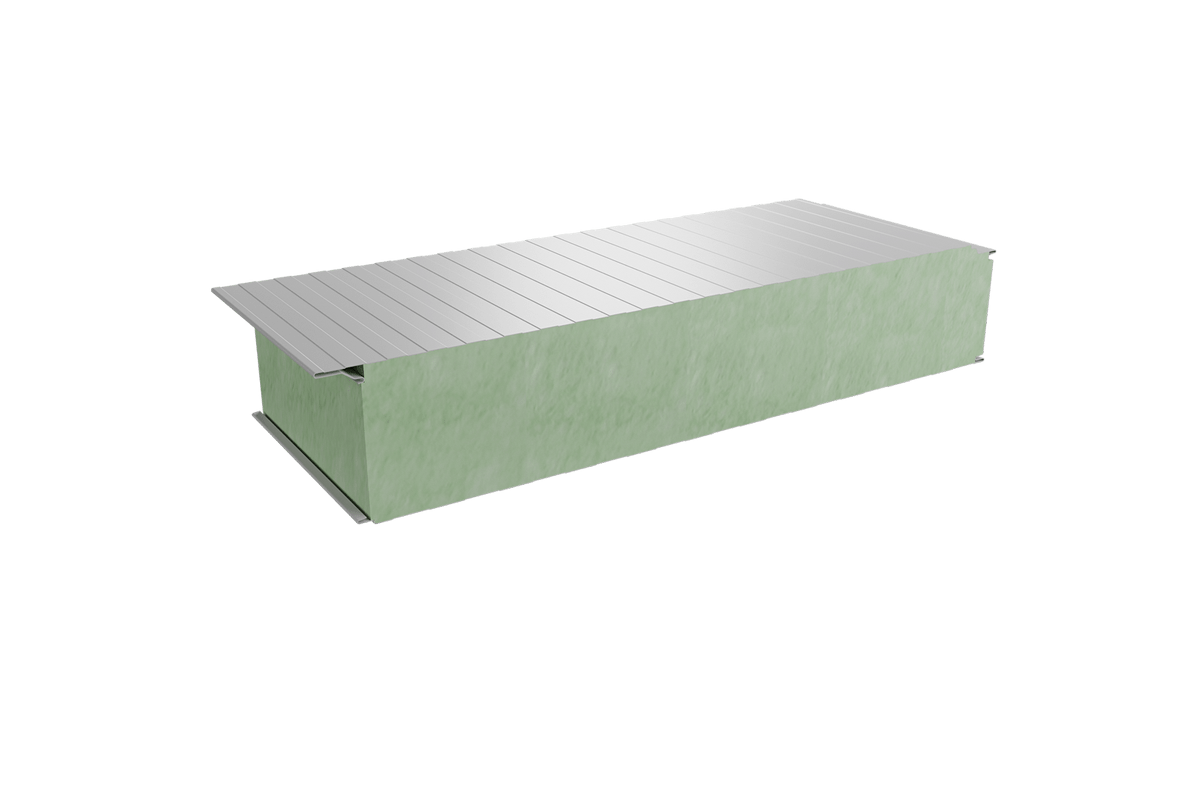
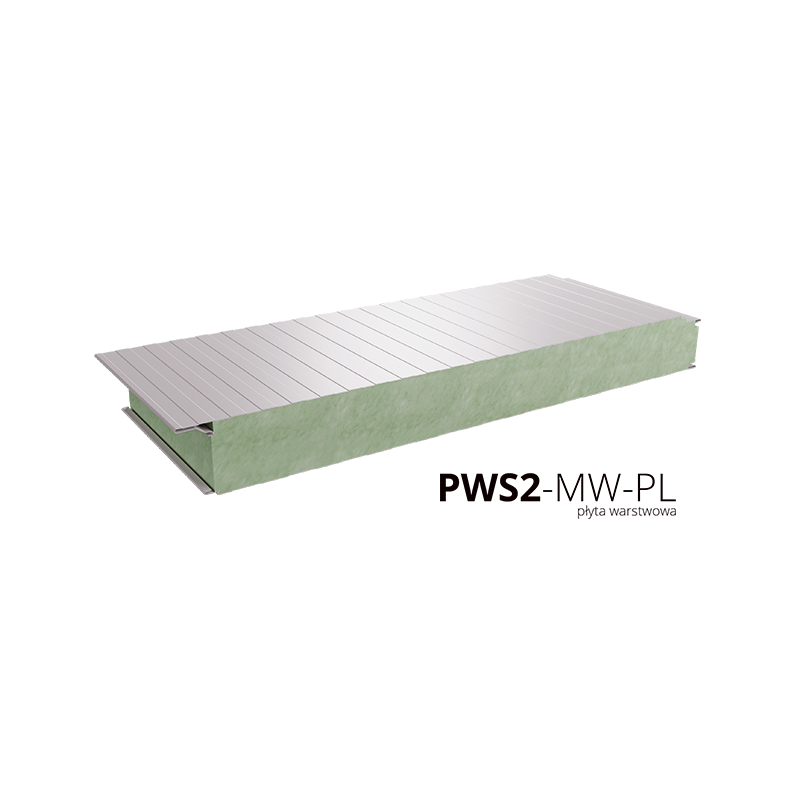
A wall plate with a core of mineral wool (PWS2-MW) is another, much more advanced generation of this product. Along with the introduction of a new generation, we have also expanded the product range available to customers, with a hidden lockboard (PWS2-MW-PL). What is very important, the new variant has been designed specifically for synergy with our other products, including a core with polyurethane foam core (PWS-PIR-ST, PWS-PIR-PL).
The use of dedicated hidden lock solutions as well as parameters allows you to easily combine both products on investments, giving greater flexibility in design and also achieving the desired physical parameters in specific segments of the building.
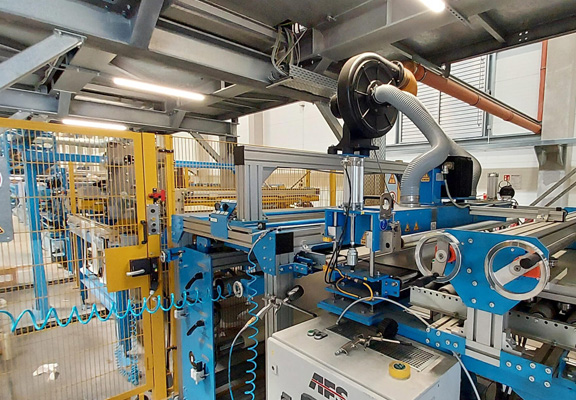
PWS-MW construction product: crafted from superior materials on Europe’s most advanced production line dedicated to this product range





* Flat outer profiling (P), available only from the thickness of sheet metal above 0.6 mm

Dopuszczalne długości płyt w zależności od koloru okładziny (długość minimalna - 2,5 mb) dla układów jednoprzęsłowych.
16 m dach / 16 m ściana

12 m dach / 12 m ściana





















9 m dach / 9 m ściana
















UWAGA – III grupa – kolory ciemne
Biorąc pod uwagę, że kolory ciemne z grupy III podlegają znacznie większym obciążeniom termicznym niż kolory bardzo jasne i jasne z grupy I i II, należy zwracać szczególną uwagę podczas projektowania, aby spełnione były następujące warunki:
* Dla płyt w kolorach ciemnych rekomendowane są układy jednoprzęsłowe; w przeciwnym wypadku na podporach pośrednich mogą wystąpić nieakceptowane przez Inwestora odkształcenia okładziny zewnętrznej płyty. Pofalowania, o których mowa spełniają wymagania normy PN EN 14509 pod względem dopuszczalnych odchyłek jednak mogą być przyczyną reklamacji.
** Maksymalne długości płyt powinny być zgodne z wytycznymi producenta w zależności od rodzaju płyty i ich zastosowaniem (dach/ściana) – patrz DŁUGOŚCI PŁYT.
*** Montaż płyt w kolorach ciemnych jest możliwy przy temperaturach od 10oC do 35oC. Warunek ten musi być bezwzględnie przestrzegany. Montaż w temperaturach niższych niż 10oC (lub wyższych niż 35oC) może doprowadzić do deformacji i trwałego uszkodzenia płyty w czasie eksploatacji budynku (w skrajnych przypadkach również podczas montażu). Deformacje i uszkodzenia płyty są w tym przypadku wywoływane dużą wydłużalnością okładzin (np. przy temperaturach latem) w stosunku do długości początkowej (długości okładziny w czasie montażu).
Montaż płyt w kolorach jasnych i bardzo jasnych jest możliwy w zakresie temperatur od +5oC do +35oC.
The basic technical and physical parameters of the product can be found in the tables and combinations below. In order to familiarize yourself with the values of our products, please contact us directly at the email address: inwestycje@pruszynski.eu
In terms of approvals and certificates – full documentation is in the download section
| Thermal trasmittance value – Uc (W/m2K) | 0,20 |
| Fire resistance | EI90 (o↔i) (pion 7,5m)EI120 (o↔i) (pion 6,0m) |
| Flame propagation by wall/ reaction to fire | NRO / A2-s1, d0 |
| Airborne sound insulation (dB) | Rw30 |
| Sound absorption (αw) | NPD |
Recommendations for the selection of plates in the context of thermal loads
When designing, the temperature differences between layered panel cladding should be taken into account. Temperature gradients resulting from the temperature difference between the T1 outer temperature and the T2 internal temperature depend on several factors:
the purpose of the object (temperature range inside the object – T2)
facility location – location relative to the sun
The color of the outer cladding (T1).
Depending on the latitude, height above sea level and distance from the sea on the European continent, four different levels of winter temperature (T1 – outer cladding) are used:
0, -10°C,
0, -20°C, (e.g. Poland)
0, -30°C, (e.g. Scandinavian countries)
The temperature of the external cladding for roof plates covered with a snow cover layer is 0°C.
The external temperature during the winter -20 °C was adopted for calculations.
The temperature of the T1 outer cladding has a maximum value in the summer and it depends on the color and degree of surface reflection. T1 values, which are minimal for calculations of the load capacity (SGN) and suitable for calculations of the limit state of use (SGU), are as follows:
where RG- is the degree of reflection of the radius in relation to magnesium oxide = 100%
The table below has a classification divided into color groups for individual colors available in the assortment of Pruszyński Sp. z o.o.
Recommended means of transport for sandwich panels:
Layered boards should be stored in packages (posts), it is allowed to store a maximum of two packages one on top of
The following table is given max. The number of discs that can be arranged in one package.
| Panel thickness | PWS |
| 60 mm | 18 pcs |
| 80 mm | 14 pcs |
| 100 mm | 11 pcs |
| 120 mm | 9 pcs |
| 140 mm | 8 pcs |
| 160 mm | 7 pcs |
| 180 mm | 6 pcs |
| 200 mm | 5 pcs |
| 220 mm | 5 pcs |
| 240 mm | 4 pcs |
| 260 mm | 4 pcs |
ATTENTION !!!
In the case of wall panels with visible fastening, the upper side of the panels in the package is a facade side, which should be paid special attention!
In order to extend the durability period of roofs and facades made of coated sheets, they should be regularly controlled and preserved.
Pruszyński Sp. z o.o. He is not responsible for any accidents arising from the above -mentioned activities.
Łukasz Byśkiniewicz and Daniel Siatkowski took 2nd place in the Valvoline Małopolska Rally. After a fierce battle and nearly 150 km of special stages, the TVN TURBO RALLY TEAM crew finished just 7.3 seconds behind the winners, solidifying their position as runners-up in the RSMP.
Read moreThe Białowieża Forest, hundreds of kilometers of challenging routes, and the unique atmosphere of a cycling adventure. Our company was well represented at the Ultra Duch Puszczy 2026. Blachy Pruszyński was a partner of the event, actively supporting one of the most recognizable ultra-cycling events in Poland.
Read moreToday, a professional salesperson must combine sales skills with technical knowledge. That is why the training courses organized at the Training Center in Sokołów help develop skills that lead to better customer service, more effective sales, and the building of long-term business relationships.
Read more