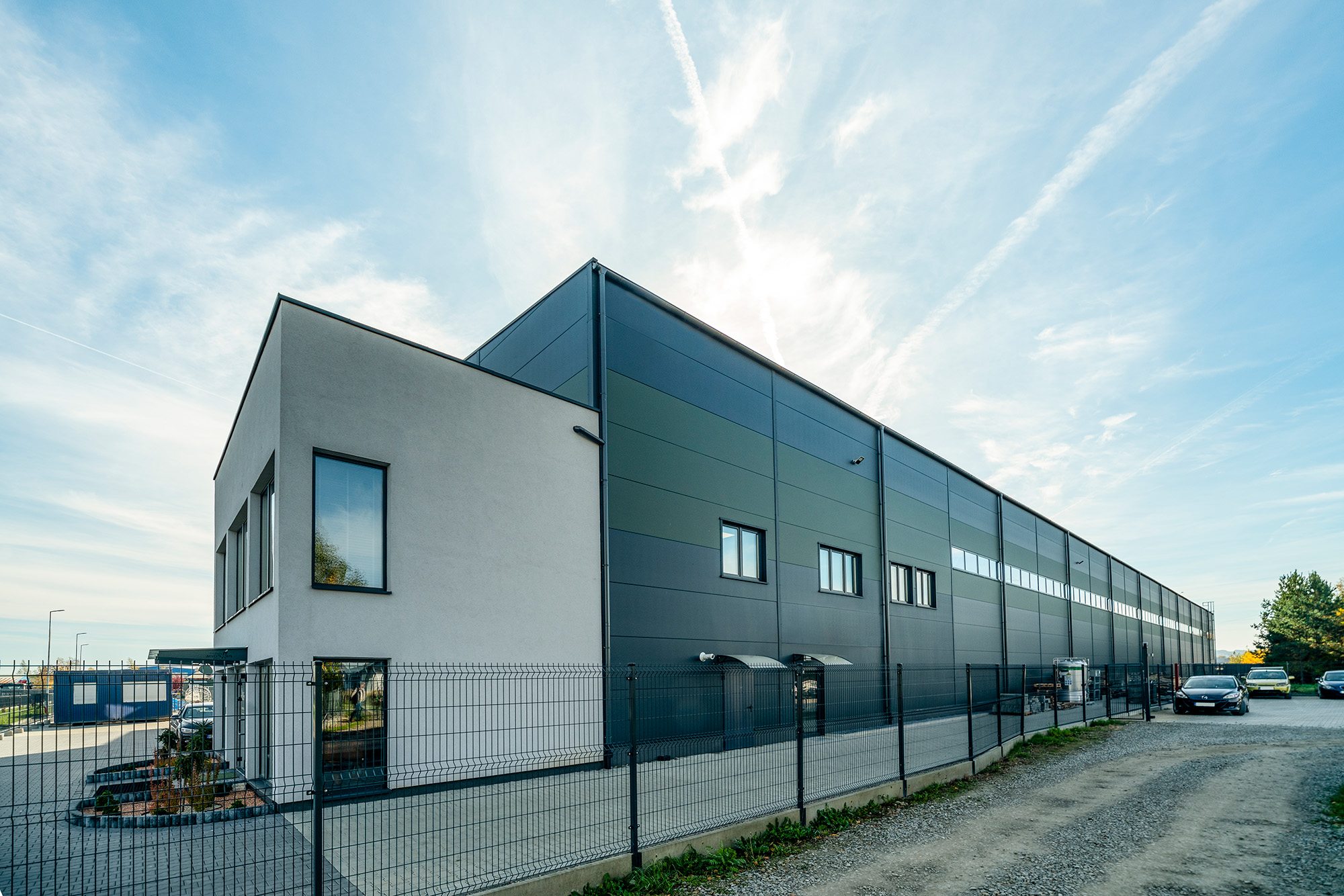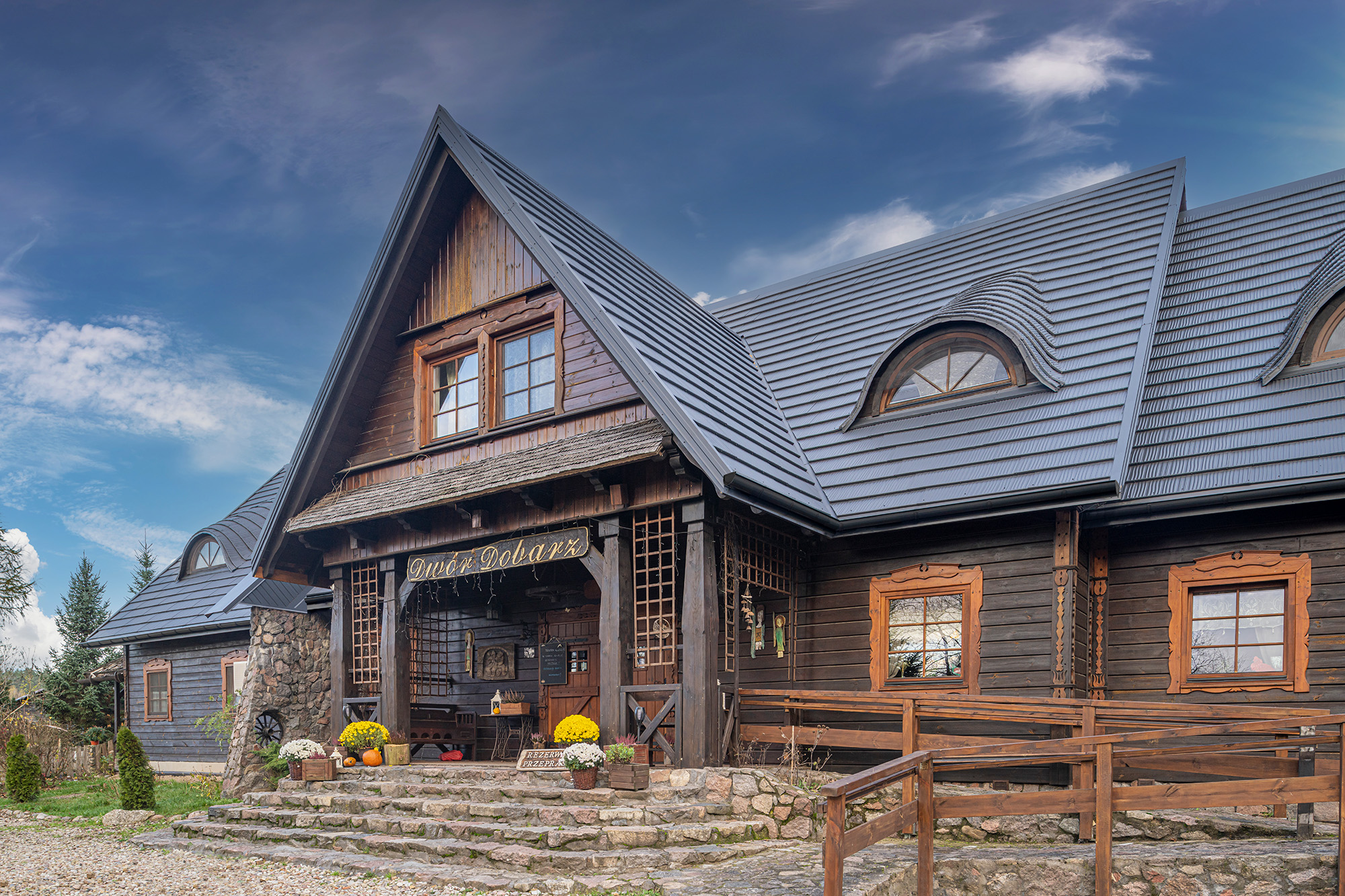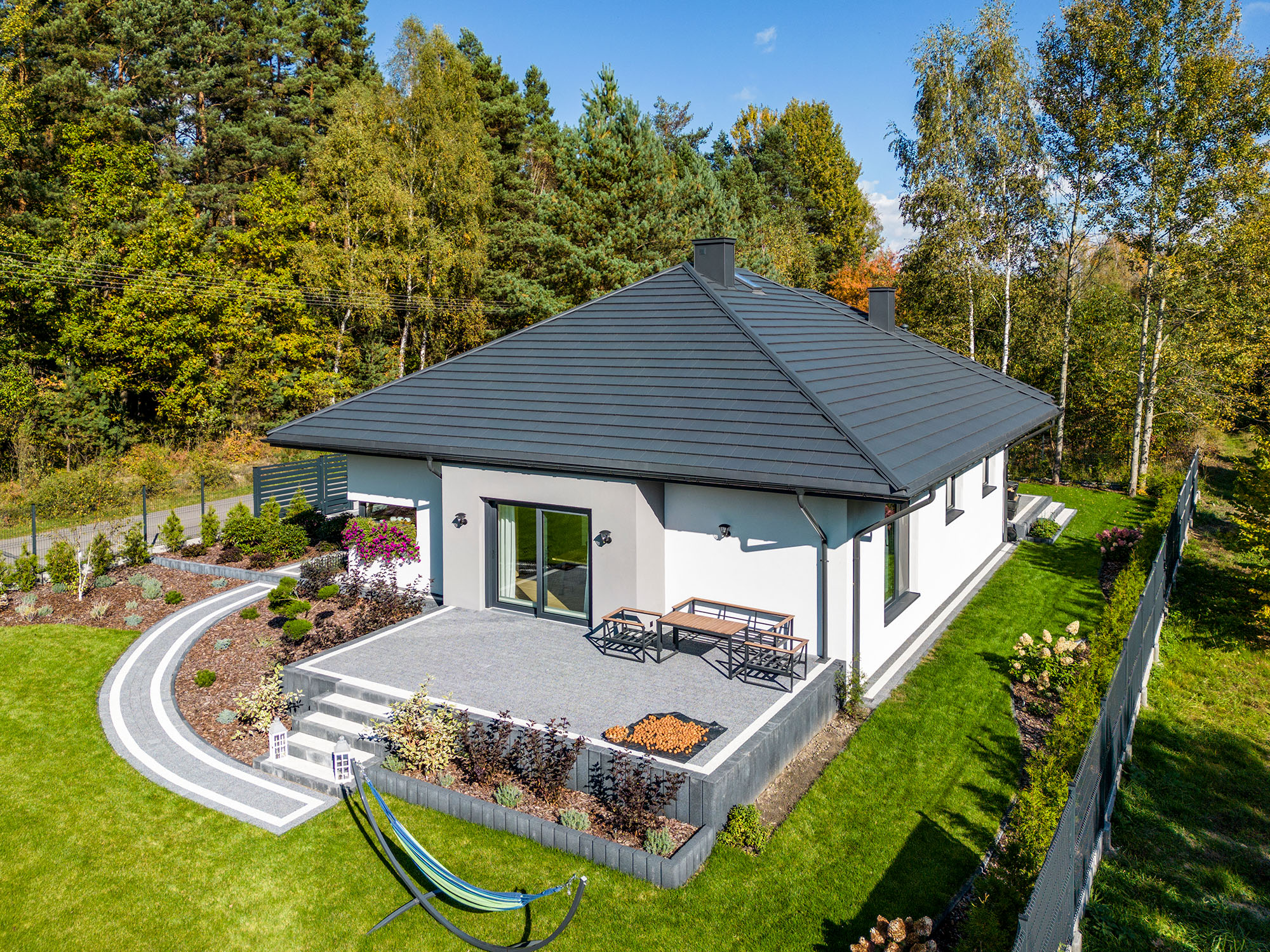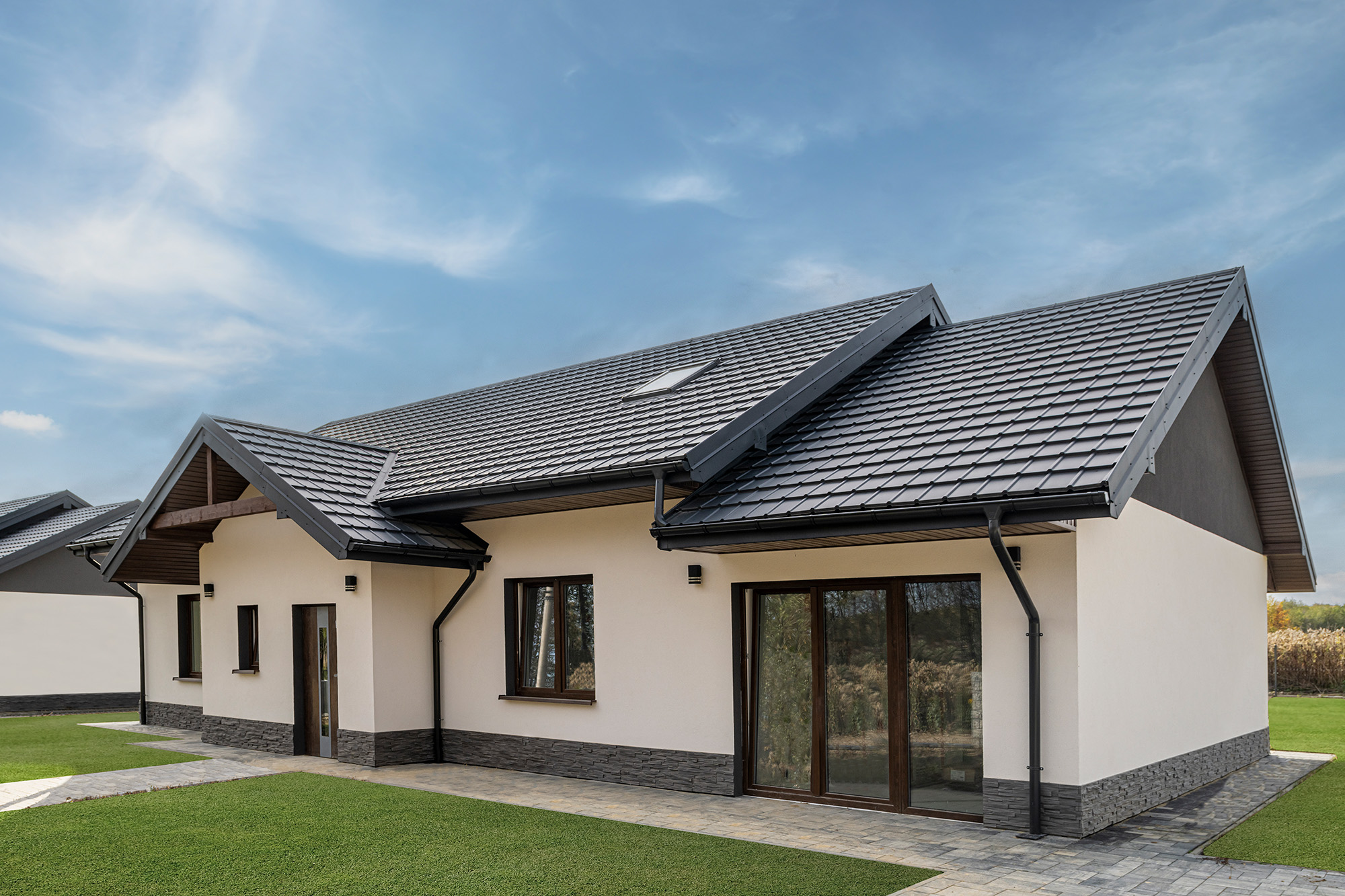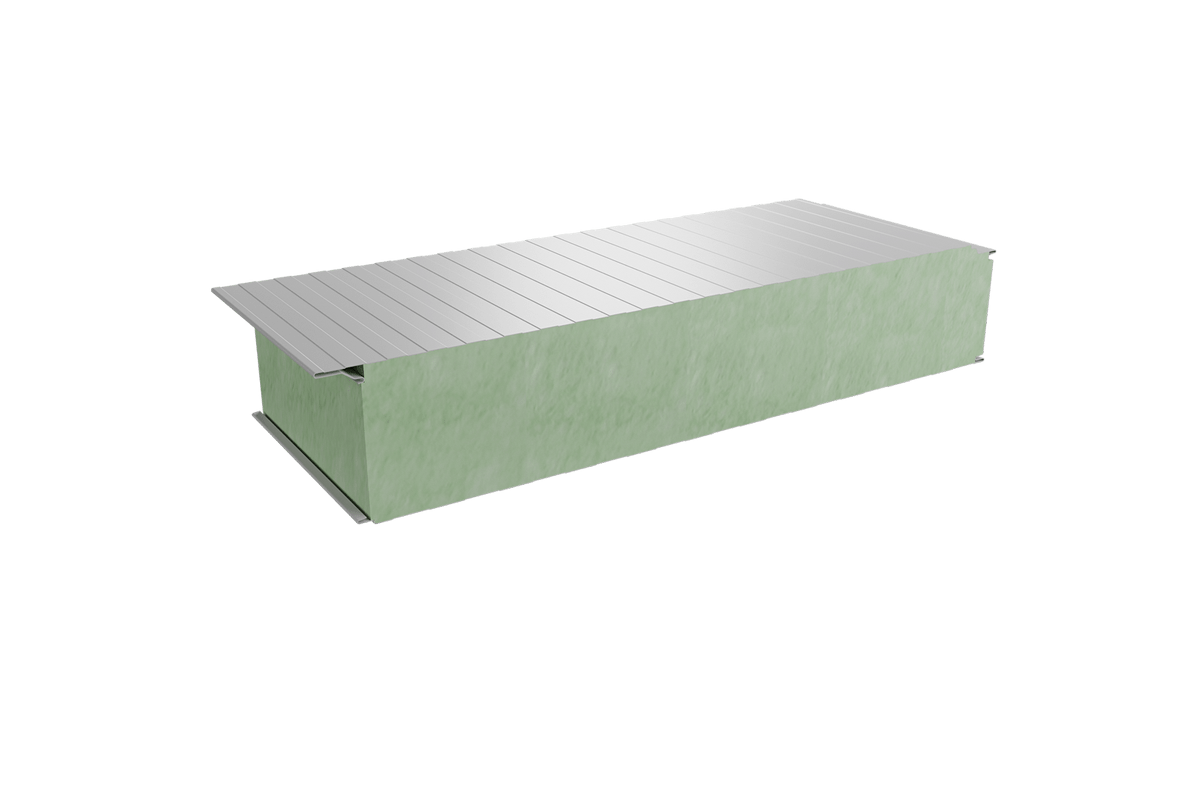
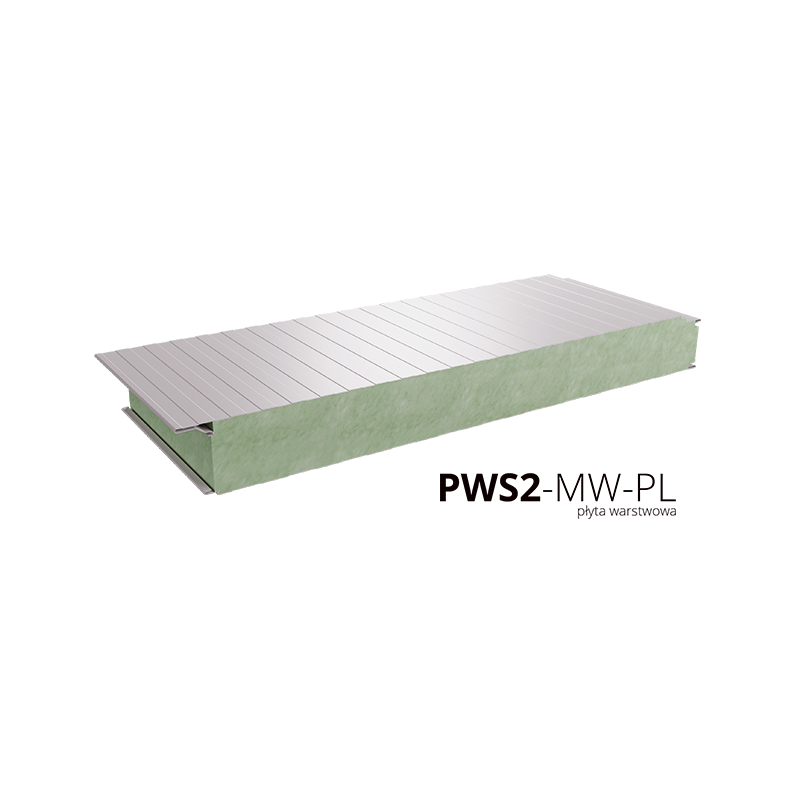
The wall panel with a mineral wool core (PWS2-MW) represents yet another, much more advanced generation of this product. With the introduction of this new generation, we have also expanded the product range available to customers to include a panel with a Hidden joint (PWS2-MW-PL). Crucially, this new variant was designed specifically to work in synergy with our other products, including the panels with a polyurethane foam core (PWS-PIR-ST, PWS-PIR-PL).
The use of specialized Hidden joint solutions and specific technical specifications makes it possible to seamlessly integrate both products into a construction project, providing greater design flexibility and enabling the achievement of desired physical characteristics in specific areas of the building.
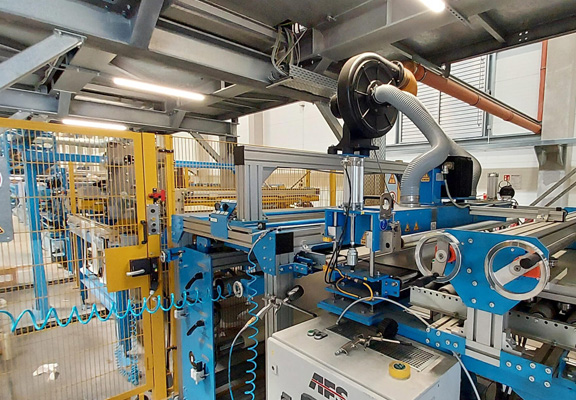
PWS-MW construction product: crafted from superior materials on Europe’s most advanced production line dedicated to this product range





You will find the product’s basic technical and physical specifications in the tables and lists below. For more detailed information about the benefits of our products, please contact us directly at the following email address: inwestycje@pruszynski.eu Regarding approvals and certificates—the complete documentation can be found in the section DOWNLOADS* External flat profiling (P), available only for sheet thicknesses greater than 0.6 mm
Permissible panel lengths depending on the cladding color (minimum length: 2.5 running meters) for single-span systems. The assembly of panels exceeding the recommended lengths is the responsibility of the client.
16 m dach / 16 m ściana

12 m dach / 12 m ściana





















9 m dach / 9 m ściana
















NOTE – Group III – dark colors
Given that dark colors in Group III are subject to significantly higher thermal loads than very light and light colors in Groups I and II, special care must be taken during the design process to ensure that the following conditions are met:
* For dark-colored panels, single-span configurations are recommended; otherwise, deformations in the panel’s exterior cladding may occur at intermediate supports, which are not acceptable to the Investor. The corrugations in question meet the requirements of the PN EN 14509 standard in terms of permissible deviations; however, they may be grounds for a complaint.
** The maximum panel lengths should comply with the manufacturer’s guidelines, depending on the type of panel and its application (roof/wall)—see PANEL LENGTHS.
*** Assembly of dark-colored panels can be performed at temperatures ranging from10°Cto35°C. This condition must be strictly observed. Assembly at temperatures below10°C(or above35°C) may lead to deformation and permanent damage to the panel during the building’s service life (and, in extreme cases, even during assembly). In this case, panel deformation and damage are caused by the high elongation of the cladding (e.g., at summer temperatures) relative to its initial length (the length of the cladding at the time of assembly).
Assembly of light- and very light-colored panels can be performed at temperatures ranging from+5°Cto+35°C.
Failure to follow the above guidelines may result in surface deformation of the panels and localized loss of stability, for which the manufacturer assumes no liability. For colors not listed in the table, please contact a Pruszyński Company technical advisor. The color of the panel may be changed only with the designer’s approval.
When designing, temperature differences between the claddings of sandwich panels must be taken into account. The temperature gradients resulting from the difference between the outdoor temperatureT1 and the indoor temperatureT2 depend on several factors:
Depending on latitude, elevation above sea level, and distance from the sea, four different winter temperature levels are used on the European continent (T1—exterior cladding):
The temperature of the outer cladding for roof panels covered with a layer of snow is0°C.
An outdoor temperature of -20 °Cduring the winter was used for the calculations.
The temperature of the exterior cladding,T1, reaches its maximum value in the summer and depends on the color and reflectivity of the surface. TheT1 values, which are the minimum values for strength-of-resistance (SGN) calculations and are appropriate for serviceability limit state (SGU) calculations, are adopted as follows:
whereRG is the reflectance of the beam relative to magnesium oxide = 100%
The table below shows a classification by color group for the individual colors available in the Pruszyński Company product line.
Recommended modes of transportation for sandwich panels:
Sandwich panels should be stored in stacks; a maximum of two stacks may be stacked on top of each other
The table below lists the maximum number of panels that can be stacked in a single stack.
| grubość płyty | PWS |
| 60 mm | 18 pcs. |
| 80 mm | 14 pcs. |
| 100 mm | 11 pcs. |
| 120 mm | 9 pcs. |
| 140 mm | 8 pcs. |
| 160 mm | 7 pcs. |
| 180 mm | 6 pcs. |
| 200 mm | 5 pcs. |
| 220 mm | 5 pcs. |
| 240 mm | 4 pcs. |
| 260 mm | 4 pcs. |
ATTENTION!!!
For wall panels with visible fastening, the top side of the panels in the package is the facade side; please pay special attention to this!
To extend the service life of roofs and facades made of coated sheet metal, they should be inspected and maintained regularly.
Pruszyński Company Sp. z o.o. is not liable for any accidents that may occur as a result of performing the above activities.
The 2026 season brought Łukasz Byśkiniewicz and Łukasz Jastrzębski a string of strong results and a spot on the podium in the RSMP overall standings. They finished the final Wisła Rally in 3rd place, securing the title of Second Polish Vice-Champions.
Read moreMichał Cieślak has become the WBC junior heavyweight world champion! Blachy Pruszyński Company, after winning the interim title in 2025, was awarded the full championship belt. This marks the next stage in the career of the Polish boxer, who has been among the world’s best for years. More major challenges lie ahead for him.
Read moreThe Academy of Crafts is embarking on the next phase of its activities. During the annual meeting in Sokołów, plans were made for upcoming training sessions, participation in trade shows and industry events, and other initiatives. The new Brand Ambassador, Paweł Francuz, also attended the meeting. Ryszard Piwowski, who has been associated with the Academy for many years, was named Honorary Ambassador.
Read more