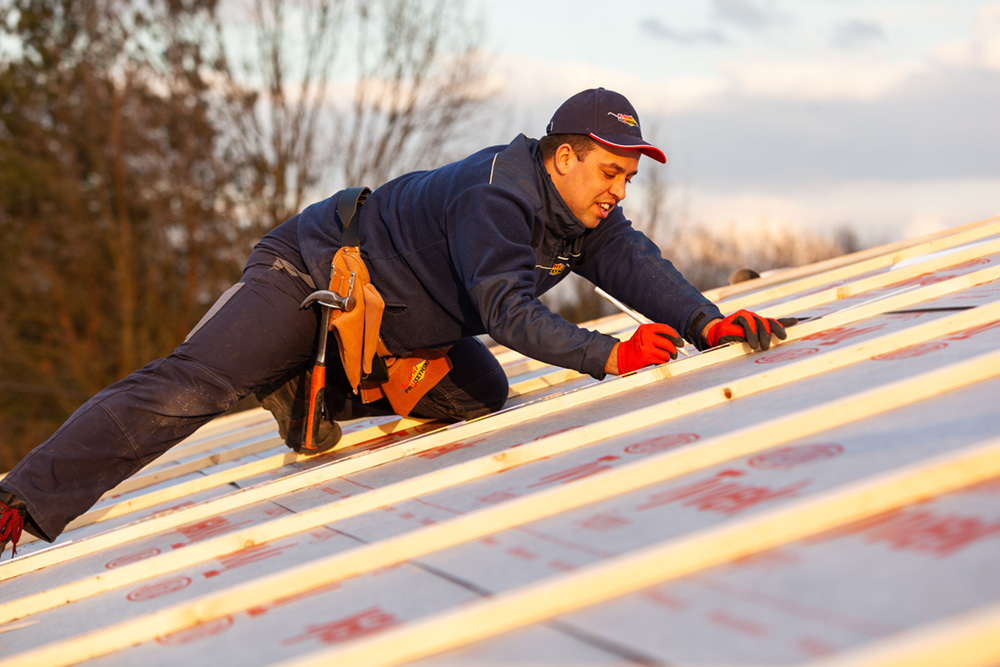
The roof is one of the most demanding parts of a building—exposed to the elements, structural loads, and the passage of time. That is why a roofer’s work must combine skill, experience, and knowledge of materials to ensure the roof’s durability and functionality, as well as the safety of the entire structure.
In this post, you’ll learn about the most common problems:
The “Investor’s Guide” series is a practical compendium of knowledge on the investor–contractor relationship. The articles guide readers through the entire construction process—from thorough preparation for the first meeting, through a detailed analysis of cost estimates, to a substantive technical inspection. The series clarifies the division of responsibilities on the construction site, defining the scope of a roofer’s work and the standards for project documentation. Effective communication is key—the guide teaches how to ask the right questions at every stage of the project to avoid misunderstandings and unforeseen expenses. Together, this guide enables you to build a roof based on mutual trust, clear guidelines, and the highest quality of workmanship.
In this article, we explain, What to expect from a roofer on a construction site, and where their responsibility ends, because although it is said that they “build a roof,” in practice they are responsible for the roofing material, the pre-covering, and the details that ensure watertightness—such as membranes and Flashings—as well as the assembly of components on the roof surface in accordance with the manufacturers’ guidelines; At the same time, they use modern systems that increase the durability of the work, but they do not have full control over the roof framing structure, the design, or the materials specified by the client, Therefore, the client should not expect the contractor to be held responsible for others’ mistakes, and it is crucial to clearly define the scope of work at the very beginning of the collaboration, which reduces the risk of problems and streamlines the project’s execution.
The foundation of any roof construction project is the proper assembly of roofing materials. The roofer is responsible for selecting the necessary materials in accordance with the design and the client’s actual needs. Ceramic roof tiles, metal roof tiles, and sheet metal components have different applications, so their selection cannot be left to chance.
Ceramic roof tiles are valued for their durability and unique properties, but they aren’t always the ideal choice. Depending on the roof’s construction and weather conditions, lighter materials may be the best solution. A good roofer can assess each situation and recommend solutions and materials tailored to the specific roof design.
The method of installation is also crucial—proper fastening and placement of the roof tiles affect the quality and safety of the entire roof.
Ensuring that a roof is airtight and watertight is the foundation of every roofer’s work. Without proper airtightness, all other elements lose their value. Even the best-fitting materials will not function properly if water seeps through gaps or leaks.
Therefore, assembly of the roofing requires precision, knowledge of waterproofing principles, and proper layering. Ensuring watertightness is not a single step—it is a series of procedures, ranging from the correct assembly of the membrane, through the proper joining of components, to the proper installation of flashings and details.
Proper ventilation of the roof deck is equally important. A lack of ventilation leads to water vapor condensation inside the roof structure, which over time damages the insulation materials and wood. A professional roofer knows that roof ventilation must be ensured through properly installed ventilation gaps, vents, and the correct placement of components. Ventilation guarantees the roof’s long-term durability and ensures it remains functional for many years.
Every step—from ensuring waterproofing, through roof ventilation, to the final details—is critical to ensuring the roof’s functionality for years to come.
Roof coverings cannot be considered without taking their technical layers into account. Membranes, foils, and insulation are essential for providing protection against moisture and heat loss. Their use helps improve the energy efficiency of the roof and, consequently, of the entire building.
A roofer must have the skills needed to properly install these layers. The roof’s functionality and the building’s comfort over the years depend on them.
In roofing, details are crucial. Flashings around chimneys, roof valleys, and roof windows require precision and skill. Specialized roofing tools, such as sheet metal shears, are used for this purpose, allowing for precise cutting and fitting of sheet metal components.
Roof components such as gutters and ventilation systems also affect the roof’s functionality. Their proper assembly is a key part of a roofer’s work.
In practice, even the best roof coverings will not function properly if the drainage and ventilation components are not assembled correctly. That is why their assembly is one of the most challenging aspects of a roofer’s work—requiring both experience and a high level of technical skill.
Roof repairs and regular maintenance are essential measures for preventing serious damage. A roofer should regularly inspect the condition of the materials on the roof and address the first signs of wear and corrosion.
In practice, this means not only performing repairs but also providing advice on modernization. As a result, the roof can retain its properties for a long time, without the need for costly renovations.
Working at heights requires not only courage, but above all, knowledge of health and safety regulations. Workplace safety is an aspect that cannot be overlooked—proper safety measures are crucial for every project.
Roofers should regularly participate in training to develop their skills and keep up with new technologies. The Polish Roofers Association is an organization that supports roofers in this regard. Roofing as a profession requires continuous improvement—both through practice and education, which often begins as early as vocational school, where students also collaborate with this organization.

A modern roofer is a specialist who must be familiar with modern technologies and materials. The work of every roofer in the 21st century is not just a traditional craft—it also requires knowledge of advanced tools and procedures.
Modern technologies currently used in roofing include:
Thermal imaging – helps identify thermal bridges, gaps, and thermal insulation issues that can lead to heat loss. Using thermal imaging, a roofer can assess the quality of an existing roof and pinpoint areas that require additional thermal insulation.
Drones and photogrammetry—they enable accurate roof measurements and inspection of the roof covering’s condition without having to climb onto the roof. Safety procedures are much simpler as a result, and the measurement data is extremely precise.
Modern membranes and materials—TPO, PVC, and EPDM—are materials that require special assembly procedures. Their use enables the construction of more durable and energy-efficient roofs.
Documentation systems—software for photography, roof condition mapping, and material estimation—speed up a roofer’s work and reduce errors. Every phase of the job can be accurately documented.
Calculators and apps—specialized tools for work planning and estimating material quantities—ensure precision and prevent waste.
The combination of traditional craftsmanship and modern technologies is a hallmark of a professional roofer. It is precisely thanks to the advanced procedures and systems used by professionals that a roofer can speed up the construction process while ensuring higher-quality work. Modern technologies do not replace experience—they enhance it and make it more effective.
Training in modern technologies is part of continuous professional development. The Craft Academy regularly organizes training sessions on new materials and assembly guidelines so that roofers can stay up to date with changes in the industry and install roofing materials in accordance with the manufacturer’s assembly instructions and guidelines.
A roofer is responsible for the quality of the work performed, the proper use of materials, and compliance with the design specifications. Their job includes ensuring the watertightness, durability, and safety of the roof structure.
It is his skill that determines whether the roofing material will be weather-resistant. Experience, precision, and knowledge of the technology are all very important in the work of every roofer.
However, not all factors are within the contractor’s control. Weather conditions cannot be controlled, and they often affect the pace of the contractor’s work. They can either delay or speed up the construction process.
Equally important is the quality of the materials provided by the client. If these materials are of poor quality, even the best roofing work may not produce the expected results. In such situations, the roofer’s role is to provide advice and point out potential risks.
Roofing work is a process that requires time and the right conditions. Knowing and following safety rules must always be a priority, which is why weather-related breaks are a necessity, not a sign of negligence.
A roofer carries out the project but is not responsible for any errors in it. Even the highest level of skill cannot replace a properly designed roof structure.
High-quality materials come at a price. Ceramic roof tiles or high-quality metal roof tiles ensure durability, but they require a greater financial investment. It’s worth investing in proven solutions, as they directly impact safety and functionality.
The foundation is a detailed contract between the customer and the roofer that specifies the scope of work during Assembly and future maintenance, the type of materials, and the costs. Such a document eliminates misunderstandings and clearly defines the obligations of both parties.
It’s a good idea to check the roofer’s experience, their previous projects, and whether they’ve completed any training. It’s also important to determine whether the work will be performed by the roofer personally or by one of their employees.
It’s a good idea to ask the roofer about the technologies they use, their Warranty, and their insurance. Knowledge of the job market and the availability of specialists also affect the course of the project.
Carefully selecting a contractor allows you to tailor the scope of work to your actual needs and avoid problems during the construction phase.
Roofing is a profession that requires knowledge, experience, and continuous professional development. It combines traditional craftsmanship with the use of modern technology, allowing roofers to create durable and functional structures at heights.
The roof is a key element of a building—it ensures safety, insulation, and comfort. That is why choosing the right specialist is of the utmost importance.
It’s worth investing in a professional who has the right skills, attends training sessions, and understands the importance of details. A well-installed roof covering provides a warranty for durability, safety, and peace of mind for years to come. The result of work that is sometimes invisible but absolutely essential to the entire structure.
As a professional, a roofer is required to review the documentation provided before beginning work. If the design contains glaring errors (e.g., incorrect roof pitch angles for a given roofing material), the contractor should report this to the client or the construction manager. If the contractor fails to do so and performs the work improperly, he or she may share liability for any resulting damage.
Under the Civil Code, the contractor is liable under the warranty for defects in the property for 5 years from the date of delivery of the property. However, it is important to distinguish between the (statutory) warranty and a warranty, which a roofer may (but is not required to) issue on their own terms as additional protection for the investor.
The contractor is not liable for hidden material defects (e.g., microcracks in the sheet metal), but is required to inspect the goods upon delivery to the construction site. If the roofer installs material that is visibly damaged, scratched, or does not comply with the manufacturer’s specifications, the client may file a claim for defective workmanship.
The report should include confirmation that the work was performed in accordance with the design, an assessment of the watertightness of the flashings, verification that the gutter assembly was assembled correctly, and a list of any necessary corrections. A report signed without reservations serves as the basis for the roofer’s final settlement and, for the client, as the starting point for the Warranty period.
The construction manager is responsible for overall safety on the construction site; however, as a business owner, the roofer is required to provide his employees with appropriate safety equipment (harnesses, ropes, scaffolding). The developer may be held liable if they have grossly neglected to ensure safe working conditions on their property.

At first glance, a roof is simply a layer of covering that protects a house from […]
Read moreWhen purchasing roof coverings and roofing services separately, the homeowner assumes greater responsibility for selecting materials […]
Read moreA roofing estimate is one of the most important documents during a roofing project—whether you’re building […]
Read moreChoosing a roofer is one of the key decisions when building a house or renovating a […]
Read moreThe first meeting with a roofer largely determines how the project will proceed. Preparing thoroughly for […]
Read moreA well-prepared investor finds it easier to make decisions when choosing a roofer and reduces the […]
Read more