Browse the page as: Customer
MENU
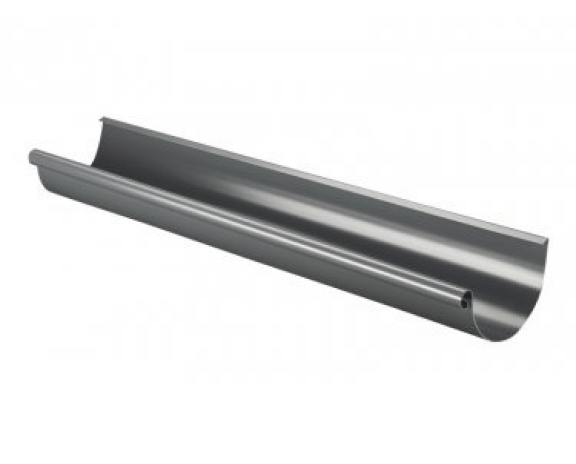
Niagara stalowa - rynna

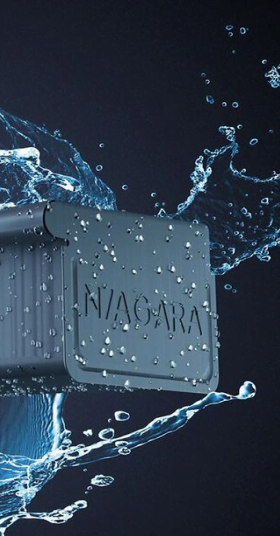
NIAGARA Round - Gutter

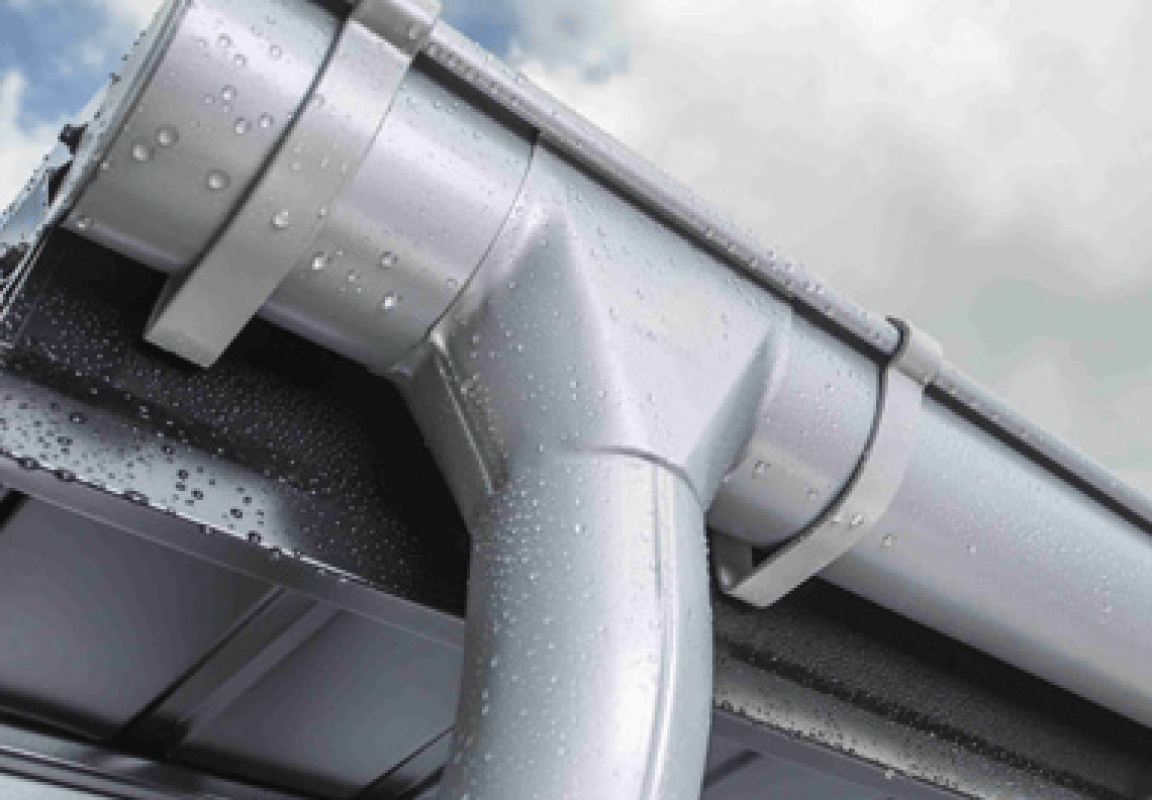
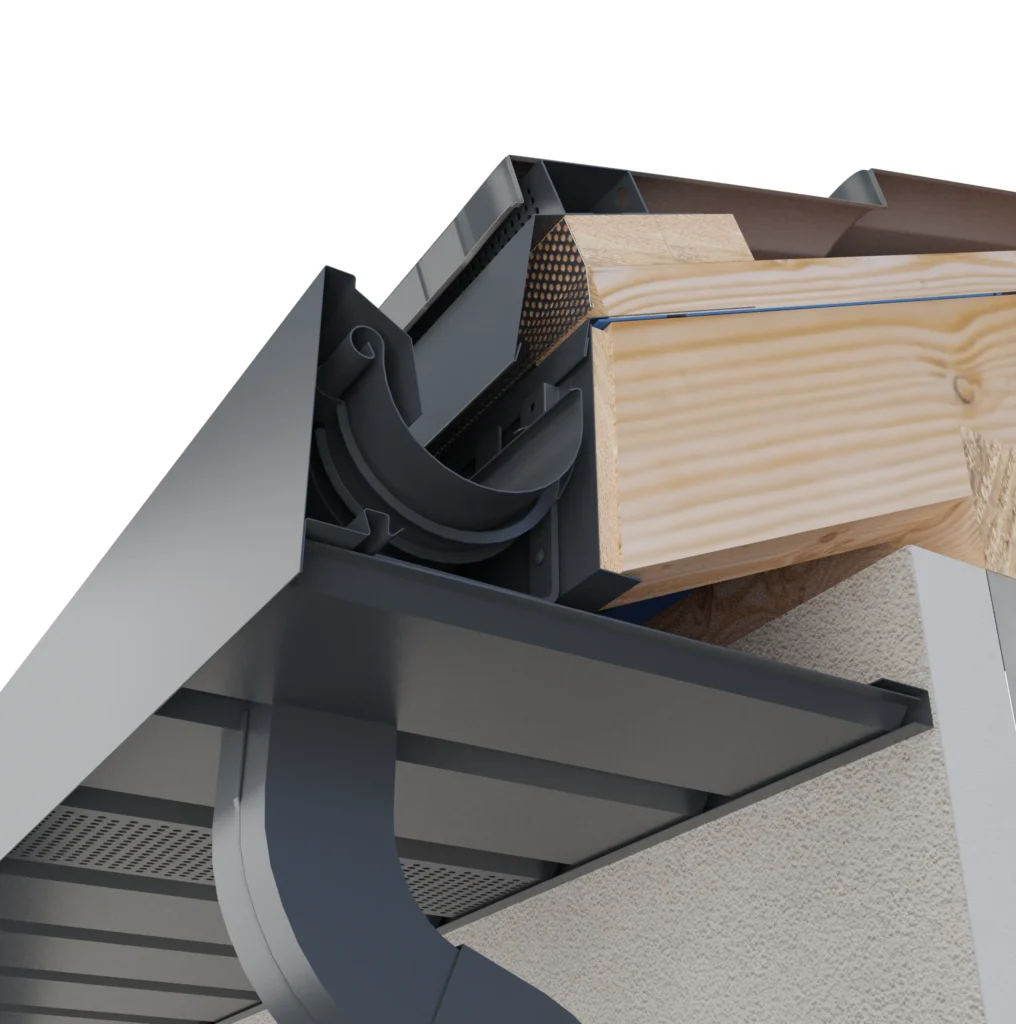
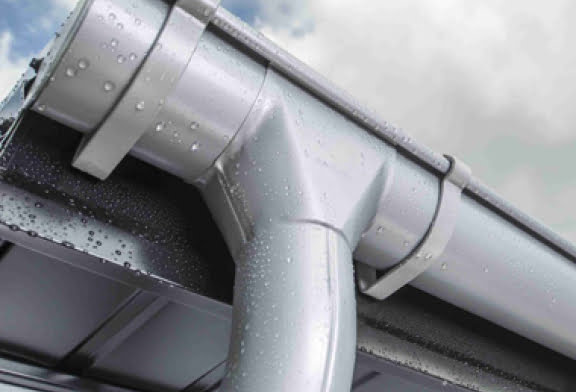
NIAGARA Round System—gutter components with a classic, semicircular profile. Straight gutter. It is used in three different configurations within the entire NIAGARA Round drainage system.
Product Description – Gutter

rynny polokragla NIAGARA

Gutter – NIAGARA Round (polyurethane)

A metal gutter coated with a polyurethane finish that enhances its resistance to corrosion, UV radiation, and changing weather conditions. It is suitable for both new construction projects and renovations. It effectively drains rainwater from the roof into drain pipes, protecting the building’s facade and foundation.

Features:

  • high durability and resistance to damage
  • effective corrosion protection
  • resistance to sun and rain
  • an attractive, smooth finish
  • easy integration with the gutter system

Variants:

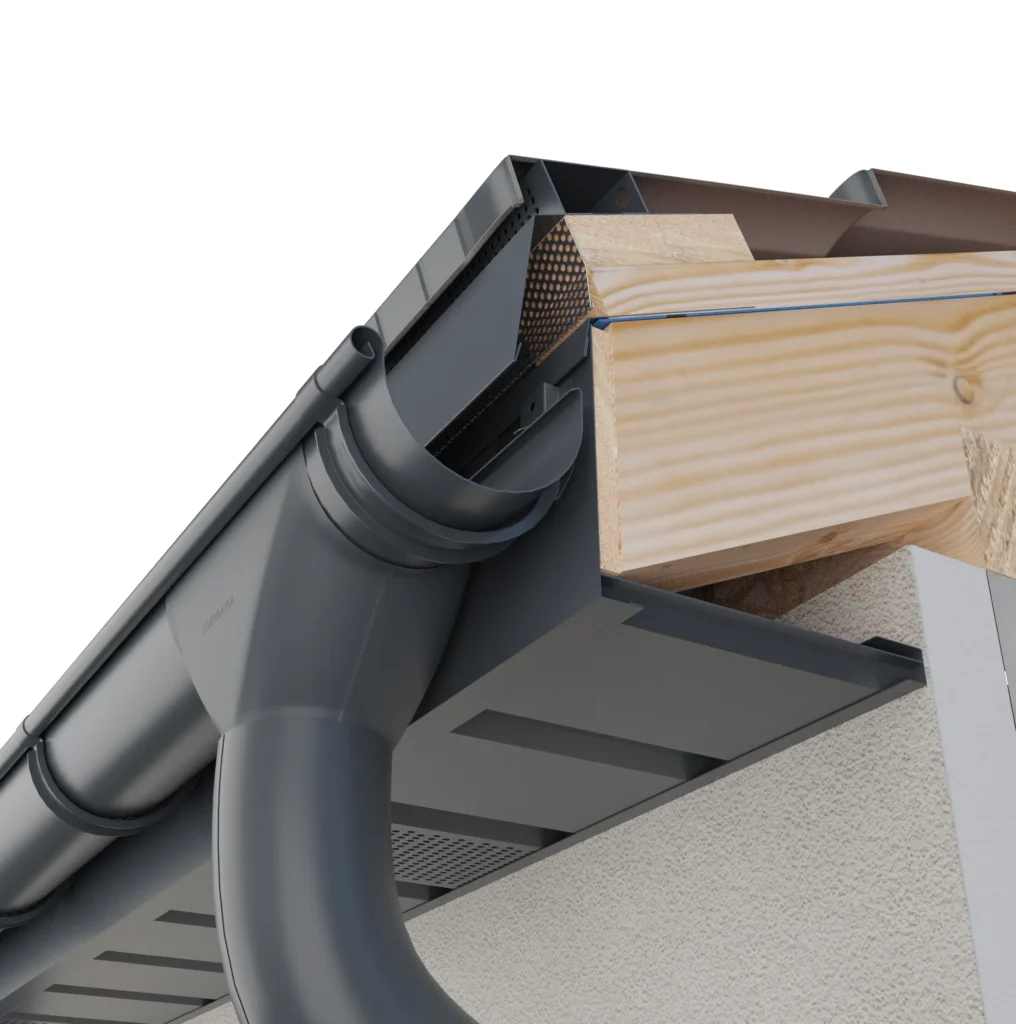
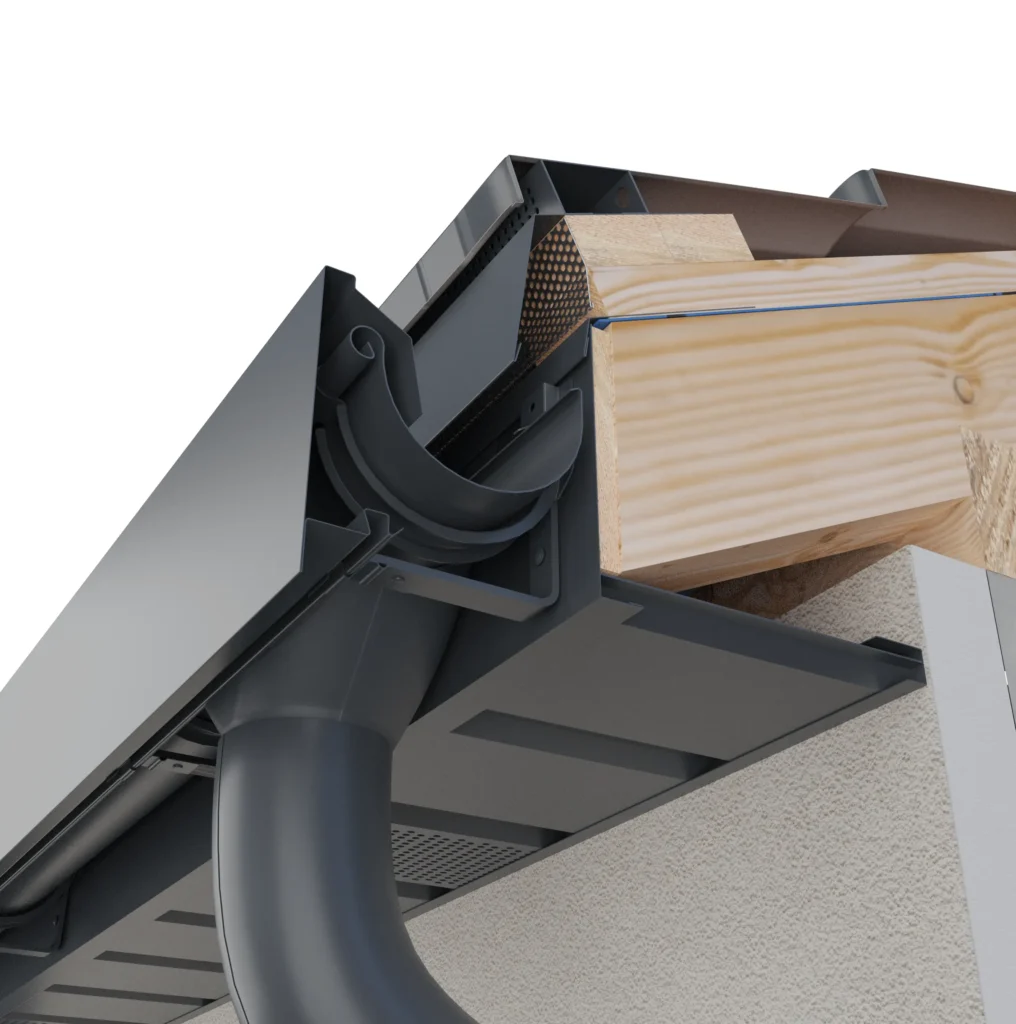
  • Classic (no fascia)
  • with a front fascia (round pipe)
  • with a front fascia and soffit (square pipe)

Components of the NIAGARA Round System

System configurations

Available sizes for the NIAGARA Round gutter system:

Available sizes for the NIAGARA Round gutter system:

The wide range of configurations and sizes available for the NIAGARA Round system (polyurethane coating) ensures its versatility and adaptability to various types of buildings. The choice of system depends on the type of building and the roof area. Depending on the roof area, dual-pipe systems can be used to optimize water drainage efficiency. The systems that offer the widest range of options are: NIAGARA Round (no fascia) and NIAGARA Galvanized

Single-Family Housing

  • 110/90 System

  • 125/90 System

  • 125/100 System

  • 150/100 System
  • Industrial Construction

  • 150/100 System

  • 150/120 System

  • 150/150 System

  • 190/120 System

  • 190/150 System
  • Available colors

    All colors in the NIAGARA Round system are available in top-quality polyurethane coatings that ensure long-lasting performance and reliability. This is particularly important for a gutter system that is constantly exposed to prolonged contact with water and harsh operating conditions.

    R028
    R028
    RAL 7016
    RAL 7016
    RAL 7024
    RAL 7024
    RAL 8004
    RAL 8004
    RAL 8017
    RAL 8017
    RAL 9005
    RAL 9005
    RAL 9006<br><span style="font-size: 7pt;">SILVER</span>
    RAL 9006
    SILVER
    RAL 9007<br><span style="font-size: 7pt;">SILVER METALLIC</span>
    RAL 9007
    SILVER METALLIC
    RAL 9010
    RAL 9010

    The Pruszyński Company guarantees that each individual order will be produced in the same color (shade). However, due to the complexity of the coating processes, slight variations in shade may occur between individual shipments. Therefore, liability for color is limited to a single shipment.

    Therefore, when reordering gutter system components from a specific batch, please be sure to indicate on the order form or inform your sales representative that this is a follow-up order and to provide a color sample. To ensure color consistency among the gutter system components, as well as other elements such as flashings, please order them from a single supplier.

    Technical specification

    Recommendations

    Transport i składowanie

    Rynny, rury i inne elementy systemu należy przewozić czystymi, suchymi i zadaszonymi środkami transportu. Nie wolno dopuścić do ich zamoknięcia podczas transportu i składowania, gdyż na skutek ich kontaktu z wodą może rozpocząć się pierwszy etap procesu patynowania, charakteryzujący się powstawaniem  białego nalotu na powierzchni materiału.

    • Magazynowanie krótkotrwałe: Na placu budowy rynny, rury i inne elementy systemu powinny stać na paletach w fabrycznym opakowaniu, pod zadaszeniem. Elementy do czasu montazu bezwzględnie należy chronić przed zamoczeniem.
    • Magazynowanie długotrwałe: Pomieszczenia, w których przechowuje elementy wykonane z blachy ocynkowanej, powinny być suche i przewiewne, a panująca w nich temperatura nie może być niższa niż 0°C. Składowane materiały należy zabezpieczyć przed wilgocią i oddzielić od aktywnych środków chemicznych.

    Technical Specifications and Cross-Section

    NIAGARA Round Drainage System Component. Gutters are components installed directly along the edge of the roof. Thanks to a wide range of mounting components (hooks, connectors, covers, end caps), the gutter can be installed in several ways, depending on the roof structure. The NIAGARA Steel system gutters are made of the highest-quality steel and coated with a protective polyurethane coating (50 μm). Thanks to the use of these materials, we can be sure of color stability as well as high resistance to weather conditions. Polyurethane is characterized by very high resistance to corrosion and color fading compared to the commonly used PLASTISOL.

    Material
    Blacha stalowa min. DX51D+Z o grubości nominalnej 0,64mm
    Powlekana ogniowo w sposób ciągły, powłokami metalicznymi
    Coating
    Poliuretan połysk (grubość 50 µm) | Obustronna, powłoka organiczna, grubość nominalna po obu stronach materiału
    Size (mm)
    110 / 125 / 150 / 190
    Length (meters)
    2 / 3 / 4
    NIAGARA stalowa - rynna - przekrój

    Availability and Sizes

    The NIAGARA gutter system, thanks to its wide range of sizes and dedicated components, allows for extensive customization to meet the needs of any project. To view the full product range and availability, please refer to the list below:

    AVAILABILITY AND SIZE CHART:

    Available lengths

    Depending on the selected system configuration (gutter depth / downspout diameter), the components of the NIAGARA Round (steel) system are available in various lengths. These lengths are determined by the manufacturing process as well as transportation and storage conditions at the installation site.


    Configurations
    SystemyDługość
    SystemyDługość
    SystemyDługość
    SystemyDługość

    Do you have questions?

    Does the roof need maintenance?
    Yes, every roof requires periodic inspections to check for any damage. Most products offered by the Blachy Pruszyński Company are available with various types of specialized coatings (covered by Warranty) that increase the service life and durability of metal roofing. Maintenance mainly involves removing soot and chimney dust, which, if left for an extended period, can damage the metal sheeting. Particular attention should be paid to the areas around chimneys, which are critical due to more demanding operating conditions. If localized damage to the paint coating is noticed during an inspection of the roofing, touch-up painting should be performed. In such situations, the best solution is to use dedicated touch-up paints matched to the specific coating. The Blachy Pruszyński Company offers such paints as part of its regular product line, and it is strongly recommended to use the company’s products that are recommended for the specific coating.
    Is it possible to install copper flashings on a steel roof?
    Caution must be exercised when using copper, as copper oxides are highly corrosive and cause corrosion of other metals. For this reason, it must not be combined with other types of metals on buildings (copper reacts upon contact and causes electrolytic corrosion of other metals).
    Can I use an angle grinder to cut sheets?
    Modern roof coverings preclude the use of angle grinders for cutting. Using this method to cut the material will void the Warranty.
    An angle grinder generates a great deal of heat during operation and cutting, which in turn damages the edges of the sheet metal as well as its protective coating. Additionally, the metal shavings produced during operation become embedded in the sheet metal’s surface, creating potential corrosion sites.
    The proper way to cut sheet metal is to use automatic nibblers or hand shears. These tools use mechanical force to cut the sheet metal without exposing it to extreme temperature fluctuations. Additionally, it’s worth remembering that after cutting, it’s a good idea to protect the cut edges with a dedicated protective varnish or special paint.
    Why are metal roof tiles recommended for renovating old roofs?
    This is directly related to its light weight. In the case of old roofs, the roof trusses of renovated houses are often already somewhat worn down by time. Therefore, it is safer to use metal roof tiles, which weigh around 4.7 kg/m², rather than ceramic roof tiles, which are nearly ten times heavier. However, it’s always a good idea to have a specialist inspect the condition of the roof truss and confirm whether it requires renovation or replacement after all. In such cases, the safety of the building’s residents or employees, as well as the installation crew, is always the top priority. In most situations, however, the condition of the structure allows for the use of metal roof tiles without major issues, whereas the use of ceramic roof tiles would no longer be possible.
    How can I advertise a product? Where can I find more information?
    Complaints should be filed at the wholesale store where the purchase was made. If the wholesale store in question has closed (is no longer in business), the completed complaint form should be sent directly to Pruszyński Company at the following address: pruszynski@pruszynski.com.pl

    A complaint form is available in the "Downloads / Forms" section or directly here: COMPLAINT FORM
    How to register and how does the warranty work?
    In order to register the warranty, download the warranty registration available in files for download / printing or directly:
    Warranty registration and send it completed to the following address: guarantee@pruszynski.eu

    The warranty begins to apply on the day of purchase of the goods. Registration of warranty is necessary to quickly identify the purchased batch of goods.
    A moss appeared on the roof tile from the north side or is there a way to remove it?
    Mosses and lichens most often attack roof tiles on shaded sections of the roof, especially when the house is located near a forest or in an area sheltered by trees. They are particularly fond of natural ceramic and cement roof tiles, as well as metal roofing. But they can also appear on glazed ceramic roof tiles with a very smooth surface. It’s only a matter of time.

    In such situations, we recommend using a specialized product designed to remove algae, moss, and lichen—for example, products from ALTAX. Most products of this type are relatively easy to use — simply spray the moss and lichen generously, and after a few days, rinse the dead vegetation with water—most of it should wash away on its own, and the rest should be removed with a brush and clean water (without detergents). It’s also worth remembering that once the roof has dried, you should spray its surface again with a suitable protective treatment and let it dry. This will protect the surface from regrowth, as the protective treatments will significantly delay the process.

    Keep in mind that fungicides and algicides are strong chemicals, so you must exercise extreme caution when applying them. Gloves and safety goggles are required. Another very important aspect is to protect the area around the building so that water containing chemicals does not run directly into the soil or flower beds. The best solution is to block the outlets of downspouts, for example by placing plastic barrels or containers underneath to catch the water containing the chemicals.

    ALTAX - Manufacturer's Website