A roof isn’t a simple job—it’s a complex system of layers, details, and decisions that are made on the scaffolding, not at a desk. A client who understands this process and can communicate with the contractor as an equal has a real chance of avoiding mistakes—whether building a new roof or renovating an existing one.
In this post, you’ll learn about the most common problems:
The “Investor’s Guide” series is a practical compendium of knowledge on the investor–contractor relationship. The articles guide readers through the entire construction process—from thorough preparation for the first meeting, through a detailed analysis of cost estimates, to a substantive technical inspection. The series clarifies the division of responsibilities on the construction site, defining the scope of a roofer’s work and the standards for project documentation. Effective communication is key—the guide teaches how to ask the right questions at every stage of the project to avoid misunderstandings and unforeseen expenses. Together, this guide enables you to build a roof based on mutual trust, clear guidelines, and the highest quality of workmanship.
In this article, you’ll learn what questions to ask your roofer during the project and how to monitor the progress of the work. Roofing is a complex process involving several stages—from preparing the substrate, through the pre-covering layers, to the final roofing material and finishing details. A homeowner who understands the workflow can better assess the quality of the work and respond more quickly to any potential problems. It is therefore crucial to know how the work progresses step by step, how often to stay in touch with the contractor, and what questions to ask at each stage.
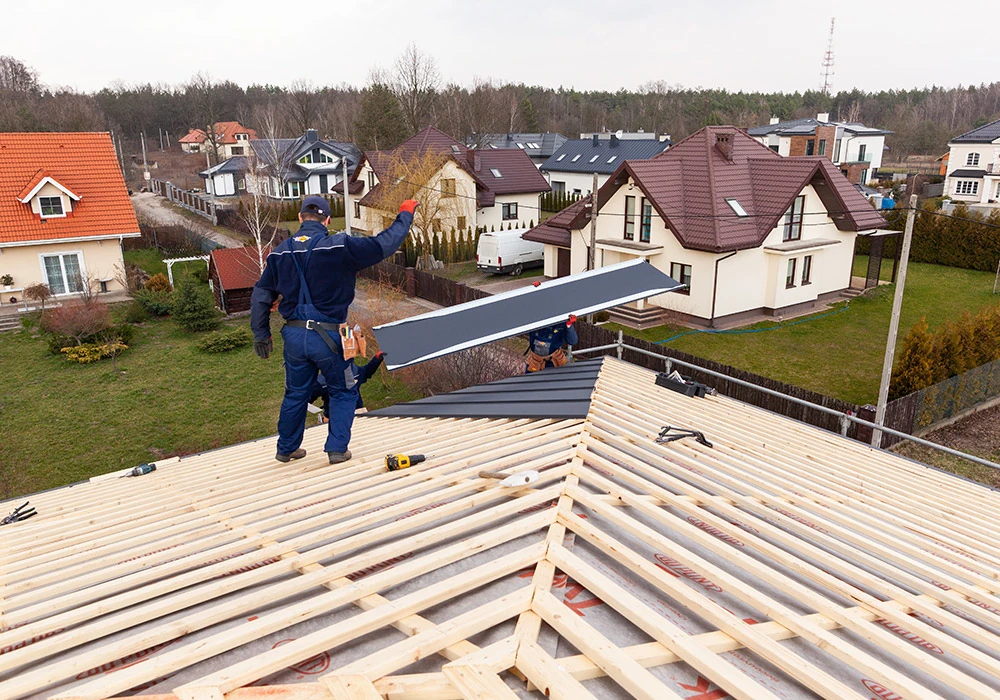
The first step is building the roof framing. This is when a roofer’s skills really matter. If the structure is built incorrectly, problems can arise very quickly—and repairs will be costly. That’s why it’s essential to thoroughly check the quality of the wood and the accuracy of the assembly at this stage.
The next step is the underlayment, or roof membrane. It protects the roof from water, snow, and wind. Its watertightness has a huge impact on the roof’s durability. It’s important to make sure it’s installed properly, especially around chimneys and at the bends in the roof.
Roof coverings are the first thing you notice, and they play a very important role. They are designed to protect the house from the elements and enhance the building’s appearance. The most popular options are trapezoidal sheets, metal roof tiles, ceramic roof tiles, concrete roof tiles, and asphalt shingles. The type of material should be chosen based on the design and local conditions.
Flashings are a very important part of the entire roof. It is precisely in these areas that leaks most often occur. This is especially true for roof windows, chimneys, and roof valleys.
Finally, the gutters are installed and the entire roof is inspected. This is the point at which a thorough quality check should be conducted and any defects corrected before the work is completed. This will spare the client costly repairs and ensure a beautiful roof for many years to come.
You don’t need to supervise the crew every day, but regular contact is very important. It’s best to check in every few days and be on site during key stages of the roof construction or renovation. This gives you real control over the progress of the work, allows you to verify compliance with the design on an ongoing basis, and enables you to respond quickly to any potential problems before they lead to delays or additional costs.
At every stage of roofing work, it’s important to focus not only on the workmanship itself, but above all on how the roofer plans to build the roof and what technical solutions they intend to use. It’s worth investing in reliable roofers—preferably from your local area. Choosing the right specialist—a good roofer—is the key to the success of your project.
The key is to clearly define the scope of the work and the construction methods to be used. It’s worth determining whether the roofing crew uses traditional methods or modern technologies that can increase the roof’s durability and watertightness.
An important factor is the materials that will be used—their type, specifications, and suitability for the structure. It is also crucial whether the materials comply with the manufacturer’s recommendations and how they affect the roof’s durability.
It’s worth asking what the Warranty covers and how long it lasts. This applies to both labor and materials. Well-chosen roofing systems are an investment that reduces the risk of future repairs. High-quality roof coverings can last for decades, but even the best materials require regular inspection. An inspection every 3–5 years is the minimum needed to maintain the Warranty and allow you to take action before a leak occurs.
A professional roofer should clearly explain their decisions and justify the choice of materials and techniques. This is one of the best ways to evaluate a contractor before and during the project.
Changes and delays are a common part of the entire investment process. Weather conditions—such as heavy rainfall, strong winds, or low temperatures—have a major impact here. They can significantly slow down work or even temporarily halt it. Every experienced roofer takes this into account, because safety and the quality of the roof’s construction are more important than the pace of the project.
Delays in material deliveries also affect the work schedule. This is especially true when the selected roof coverings or flashings are not immediately available. In such cases, the completion time may be extended. In such situations, it is most important to discuss the matter with the contractor to determine deadlines, additional costs, and the best solutions.
Photographic documentation of the roof is a key element in monitoring the work and provides the investor with real protection in the event of future claims and settlements with the contractor. It allows you to monitor the progress of the work on an ongoing basis, assess the quality of the workmanship, and verify whether the roofing crew is carrying out the scope of work as agreed.
This is particularly important for elements that are no longer visible once the work is complete. Photos allow you to verify the quality of the work and identify any defects in the future, which is important when filing claims and verifying Warranties.
The first visit should take place right at the start of the project. This is the time to verify your choice of roofer, discuss the stages of the work, and make sure the materials have been delivered as agreed.
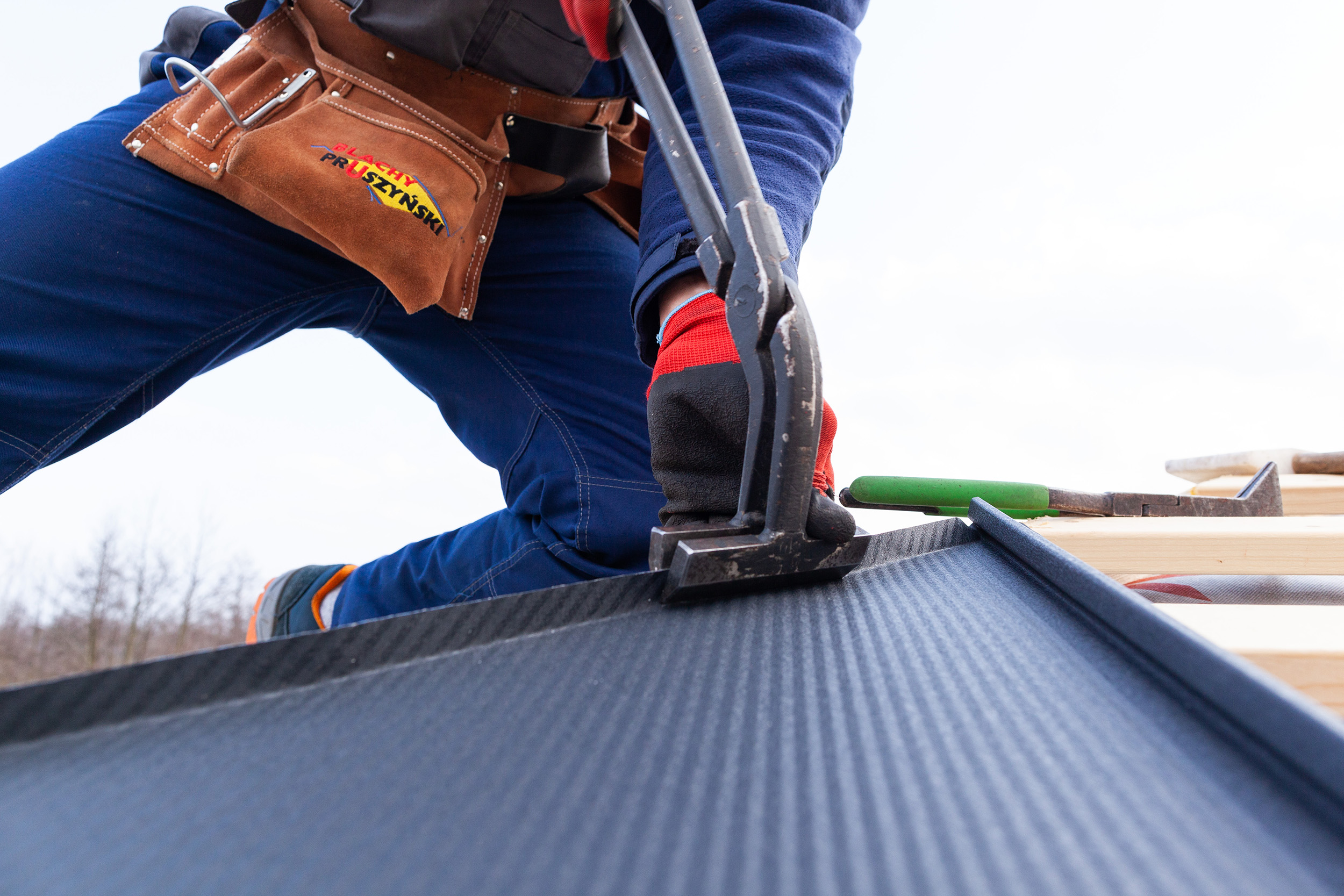
Another important step is the assembly of the roof coverings. Whether ceramic tiles, metal roofing, or asphalt shingles are used, this is where installation errors most often occur. It’s worth checking whether the material is being installed according to the manufacturer’s instructions and whether proper roof ventilation is maintained. At this stage, the roofer’s experience is particularly important, as mistakes can lead to leaks and shorten the roof’s lifespan.
A very important step is the assembly of finishing elements, such as gutters and roof windows. It is the flashings in these areas that determine the watertightness of the entire system. Improper assembly can lead to leaks and more serious damage in the future, which is why the investor’s presence allows for any potential issues to be quickly identified.
The final inspection should take place once the work is nearing completion. This is the time to thoroughly inspect the roof’s workmanship, assess its appearance, and check for any major damage that requires repair. It’s a good idea to make sure the contractor has inspected the roof. At this stage, you can also check whether all components were installed in accordance with the scope of work and whether there are any hidden defects that could reduce the roof’s durability and lead to serious consequences in the future.
Regular involvement at key stages of a roofing project enhances the project’s security, facilitates early detection of errors, and allows for better collaboration with the roofer and his team.
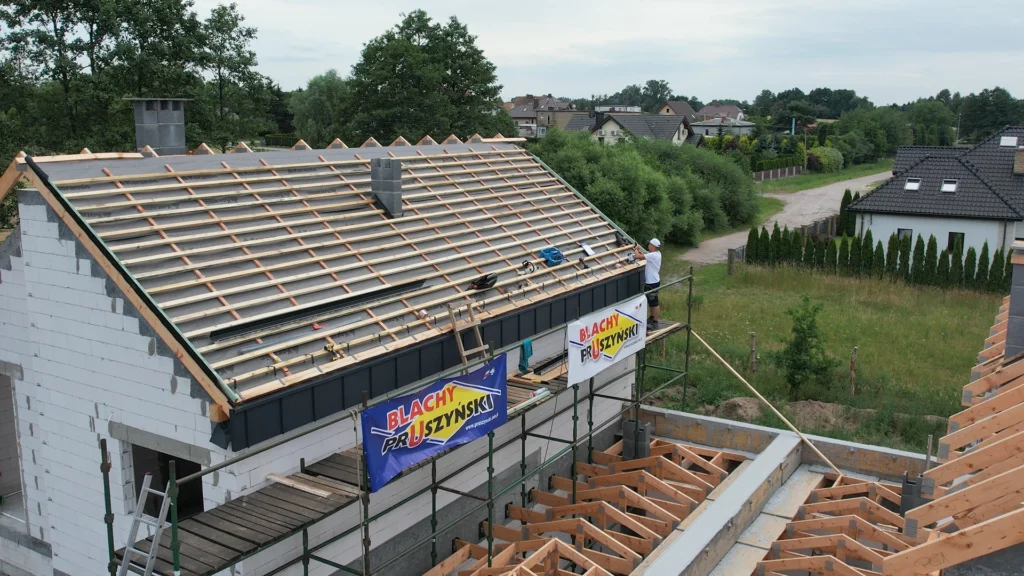
The choice of a professional should be based on their experience, knowledge of the industry, skills, and reviews from previous clients. It’s a good idea to check out their past projects, ask friends, or browse websites to choose a roofer who has the right skills
A roofer should operate as a business, issue VAT invoices, and offer a Warranty on their work. It’s also a good idea to look at their previous projects and ask for contact information for past clients.
Good communication with the roofer is essential. It’s important to clearly agree on key aspects such as the total cost and payment terms. Regular communication and monitoring of the work are also very important. A professional roofer should clearly explain to the client what they are doing and why.
Ask about their experience with a specific type of roofing, references from similar projects, the scope of work included in the quote, the type and brand of materials used, and the Warranty terms—separately for labor and materials.
You don’t have to be there every day, but you should be present during key stages: laying the membrane, assembly of the roofing material and flashings, and before the final inspection. It’s a good idea to stay in touch with the contractor every few days.
Agree to any changes in materials in writing and verify that the replacement meets the same technical specifications as the original. Do not agree to changes verbally—this is essential for protection in the event of any complaints.
The roofer is responsible for the proper assembly of the roofing material, membrane, and flashings in accordance with the manufacturer’s instructions. However, the roofer is not responsible for design errors, defective roof framing constructed by others, or materials imposed by the client contrary to the roofer’s recommendations.
Photos of each stage (membrane, lathing, flashings) serve as evidence in the event of a complaint and are helpful for any future repairs. It’s a good idea to take photos of stages that will be hidden once covered—such as the installation of the pre-covering underlayment.
Na pierwszy rzut oka dach to po prostu warstwa pokrycia chroniąca dom przed deszczem, śniegiem i […]
Read moreKupując pokrycie dachowe i usługi dekarskie osobno, inwestor przejmuje większą odpowiedzialność za dobór materiałów oraz koordynację […]
Read moreKosztorys dekarski to jeden z najważniejszych dokumentów podczas realizacji dachu – zarówno podczas budowy domu, jak […]
Read moreWybór dekarza to jedna z kluczowych decyzji podczas budowy domu lub remontu dachu – nieprawidłowo wykonane […]
Read morePierwsze spotkanie z dekarzem w dużej mierze decyduje o dalszym przebiegu inwestycji. Świadome przygotowanie się do […]
Read moreDobrze przygotowany inwestor łatwiej podejmuje decyzje przy wyborze dekarza i ogranicza ryzyko błędów organizacyjnych, które mogą […]
Read more