Roof construction is a time when the homeowner spends tens of thousands of zlotys, often trusting the contractor more than their own knowledge and intuition. This is where the most common scams occur: inflated cost estimates, substitution of materials, or fictitious “defects.” Check out these practical tips on how to recognize the risks and protect yourself effectively.

In this post, you’ll learn about the most common problems:
The “Investor’s Guide” series is a practical compendium of knowledge on the investor–contractor relationship. The articles guide readers through the entire construction process—from thorough preparation for the first meeting, through a detailed analysis of cost estimates, to a substantive technical inspection. The series clarifies the division of responsibilities on the construction site, defining the scope of a roofer’s work and the standards for project documentation. Effective communication is key—the guide teaches how to ask the right questions at every stage of the project to avoid misunderstandings and unforeseen expenses. Together, this guide enables you to build a roof based on mutual trust, clear guidelines, and the highest quality of workmanship.
In this article, you’ll learn about the most common scams that occur during roof construction and how to effectively protect yourself against them. Investors most often encounter inflated cost estimates, the substitution of materials with cheaper alternatives, the concealment of workmanship errors, or the charging of additional costs for work that should be included in the contract. It’s therefore important to know how to recognize warning signs, monitor the quality of workmanship, and verify materials and documentation as early as the construction phase. You’ll also learn what to do if you discover any irregularities and how to avoid problems that often only come to light after the roof is completed.
A separate category of scams worth being aware of involves so-called “fake roofers.” The scammers arrive at the house in a delivery van and strike up a conversation with the homeowner, claiming that they’ve just finished a job in the neighborhood and have some leftover materials—so they can repair the roof or gutters quickly and cheaply. After performing a shoddy job, they demand a sum many times higher than what was initially suggested. The police regularly report such cases, and the losses suffered by victims can amount to tens of thousands of zlotys. The rule is simple: never hire contractors who knock on your door unannounced without prior contact.
One of the most common mistakes investors make when building a roof is accepting large advance payments. Scammers demand as much as 50% of the project’s value, and then either disappear or drag out the work. The most common scams also involve artificially inflating costs by citing alleged structural problems, such as sudden “defects” in the roof framing.
It is common practice to use low-quality materials instead of those specified in the contract. This applies in particular to low-quality wood, roof coverings, roof membranes, and insulation materials. In construction designs, architects typically specify the use of certified C24-grade lumber. In practice, unscrupulous contractors order cheaper, fresh, and improperly treated lumber—which is only superficially painted. This results in warping, cracking, and twisting of structural elements, which occur relatively soon after construction is completed. Consequently, the roof’s durability is reduced, and its aesthetic appeal is difficult to maintain over the years. That is why it is worth requiring the contractor to provide documentation confirming the grade and certification of the wood used even before work begins.
After heavy rain or strong winds, companies offering quick repairs start popping up. Such work often results in a makeshift assembly of the roofing material or improperly installed flashings.
Sometimes, a contractor deliberately uses an unsuitable roof covering, guided solely by the lower cost of the material or the ease of assembly. The homeowner pays for a solution tailored to the type of roof, but in reality receives a product that does not meet technical requirements. An example is the use of bituminous shingles without a proper underlayment or the incorrect assembly of metal roofing—without maintaining the proper overlaps and assembly guidelines. Such practices lead to roof leaks, accelerated material wear, and a reduction in the roof structure’s durability. This is one of the mistakes resulting not from ignorance, but from deliberate actions intended to increase the contractor’s profit.
Unscrupulous contractors ignore the provisions of the local zoning plan, building codes, and the manufacturer’s recommendations. Failure to take local conditions—such as snow loads and wind forces—into account can lead to serious problems with the roof structure.
Choosing a low-ball estimate is one of the most common mistakes made when building a roof. Poor-quality materials and workmanship often go hand in hand with an attractive offer. In practice, this means subsequent repairs and additional costs.
Inadequate roof ventilation causes moisture condensation and mold growth. A lack of proper thermal insulation, adequate ventilation, and proper sealing results in significant heat loss and the formation of thermal bridges.
Mistakes made during roof construction also include the lack of expansion joints in the roof framing where it meets partition walls, structural weakening, and improperly sealed roof windows. In the case of flat roofs, there is often an insufficient slope, which leads to improper water drainage and, consequently, to the deterioration of the roof covering.
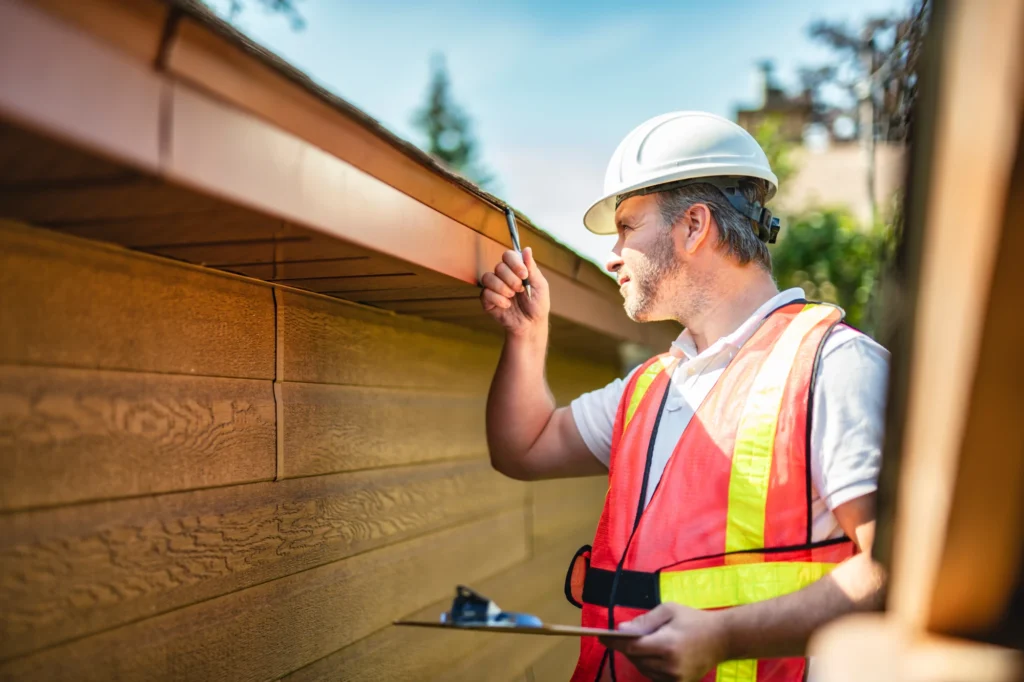
The key is to thoroughly vet the company. You should check reviews, its registered office, and the required insurance coverage. It will be more difficult to recover money from a company without liability insurance to cover the costs of any future repairs. It’s worth noting that Polish construction law does not require a formal technical acceptance of roof coverings—unlike the acceptance of building systems or the final acceptance of the entire building. This means that any defects may go unnoticed for a long time, and the client loses a strong formal argument in a dispute with the contractor. To compensate for this, it’s a good idea to check the quality of the work yourself—or with the help of an independent inspector—immediately after it’s completed, before you settle the final payment with the crew.
The contract should clearly specify the scope of work, the type of roof coverings, and the payment schedule. During roof construction, it is a good idea to compare the delivered materials with the invoices to avoid the substitution of wooden components, roof membranes, or roof windows with lower-quality alternatives.
A safe down payment should not exceed 20–25% of the investment’s value. This is crucial for avoiding financial mistakes and minimizing the risk of losing funds.
Before starting work, it is important to ensure that the roof construction design is complete and takes local conditions into account—including the snow load zone and wind speeds, which vary significantly by region in Poland. The design should precisely specify the type and grade of materials, the layering scheme, and construction details for chimneys, roof windows, and flashings. The more detailed the design, the less room there is for interpretation by the contractor and the lower the risk of intentional simplifications. Constant supervision of the work allows errors to be caught before they are covered by subsequent layers of the structure.
If, after the roof is completed, you notice the first warning signs—such as damage to the roof coverings, leaks, or noticeable heat loss—don’t put off taking action. This is often a sign that construction errors have occurred or that materials of questionable quality were used, which will only exacerbate the problem over time.
To start, carefully check where the problems are occurring. Pay attention to leaks at joints, the condition of the flashings, the areas around roof windows, and the points where the roof structure meets other parts of the building. Even minor defects can indicate larger problems, such as improper installation of insulation layers or structural flaws.
The next step is to document everything—take photos, gather the contract, invoices, and all correspondence with the contractor. This is very important if you want to effectively assert your rights. Next, contact the contractor and demand that they fix the defects. If they failed to comply with the contract, you have grounds to demand that they repair the roof at their own expense.
When a contractor avoids taking responsibility or disputes the issue, it’s a good idea to seek an independent opinion. A good solution is to contact an expert from the Polish Roofers’ Association. Such a technical assessment allows for the precise identification of errors in the roof structure, irregularities in the assembly of the roofing material, and the impact of the materials used on the structure’s durability. The expert will assess whether the problem stems from design errors, improper assembly, or damage caused by weather conditions. Importantly, such an opinion can serve as the basis for requiring the contractor to make repairs or even for pursuing legal claims.
In extreme cases, when there has been clear fraud in the construction of a roof—such as receiving an advance payment without performing the work or knowingly using substandard materials—it is advisable to report the matter to the police or the prosecutor’s office.
Keep in mind that a quick response limits the extent of the damage. Moisture and changing weather conditions can quickly lead to deterioration of the structure and increase repair costs. Therefore, the sooner you take action, the greater the chance that you will avoid serious problems and restore the roof to proper working order.
Completing the roof does not mean the end of responsibility for its condition. In practice, it is often after acceptance that shortcomings and roofing errors—which were previously difficult to notice—come to light. The most common mistake is the lack of regular inspections and the assumption that a new roof does not require maintenance.
To minimize the risk of problems, it’s a good idea to regularly inspect key areas—especially roof framing components, the areas around flashings, and roof windows. These are the spots where improper assembly most often occurs, which over time leads to leaks and a decline in performance. Keep in mind that the roof is constantly exposed to the elements, so even minor errors can quickly worsen.
If you have any doubts about the quality of the work, the best solution is to entrust the task to professionals. An independent assessment allows you to accurately determine the condition of the roof and plan any necessary repairs.
In summary, responsible use, regular inspections, and a quick response are key to ensuring that the roof remains durable and does not incur unnecessary costs in the future.

Roof inspection is a crucial step after construction is complete, allowing the developer to ensure that […]
Read moreA roof isn’t a simple job—it’s a complex system of layers, details, and decisions that are […]
Read moreThe roof is one of the most demanding parts of a building—exposed to the elements, structural […]
Read moreAt first glance, a roof is simply a layer of covering that protects a house from […]
Read moreA roofing estimate is one of the most important documents during a roofing project—whether you’re building […]
Read moreThe first meeting with a roofer largely determines how the project will proceed. Preparing thoroughly for […]
Read moreA well-prepared investor finds it easier to make decisions when choosing a roofer and reduces the […]
Read more