Choosing the right structural material is a critical decision in any construction project. As a fundamental structural element, the beam plays a vital role in ensuring the stability and safety of a building. Construction profiles and BSH (Brettschichtholz) glued laminated timber are two popular solutions, each with its own unique applications.
In this post, you’ll learn about:
In our new series, “Cold-Formed Profiles,” we’ll present practical information about this technology. We’ll discuss the key advantages of these profiles, their limitations, and tips on how to avoid common installation mistakes. We’ll also show how cold-formed profiles affect project timelines, construction costs, and a building’s energy efficiency. With this knowledge, every investor and contractor will be able to make an informed decision about whether this solution is right for their project.
In this article , we compare various types of structural beams—both steel and wood—taking into account their strength, technical specifications, and applications in construction and industry. While structural timber is ideal where aesthetics and a natural appearance are important, steel structural beams offer exceptional strength and resistance to weather conditions.
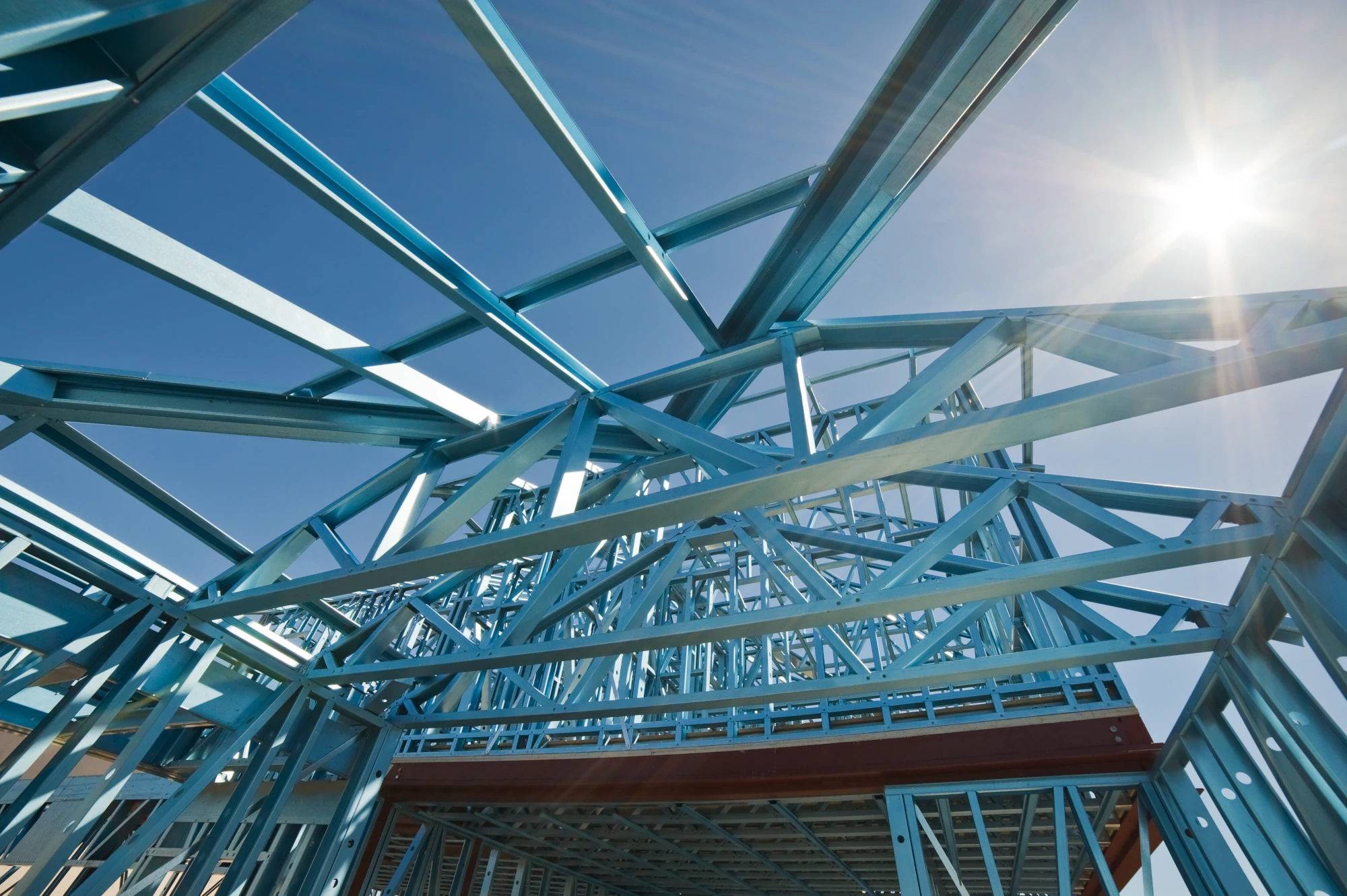
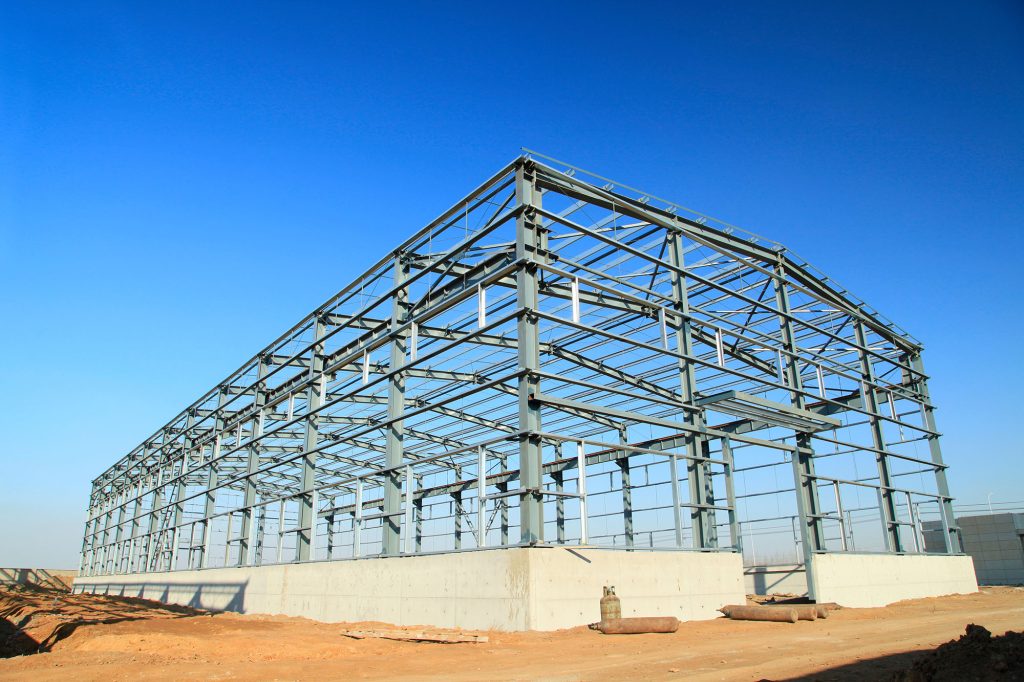
Cold-formed steel profiles are a modern material that makes it possible to carry out projects on an impressive scale. The Blachy Pruszyński Company offers sections up to 12 meters long (longer lengths can also be manufactured upon request), which opens up a wide range of design possibilities for the construction of industrial halls, warehouses, sports facilities, and terrace and pergola structures. When selecting steel profiles, it is essential to prepare a detailed structural design that specifies the technical and strength requirements for a given project.
Steel profiles are available in various heights—from 100 mm to 400 mm (for Z, C, and U profiles) and from 140 mm to 350 mm (for Σ profiles). Designations such as Z150, C200, or Σ300 indicate the profile height in millimeters, which allows for precise adaptation of the components to the specific requirements of the project, as well as the load-bearing capacity and span of the structure.
Compared to alternative solutions—such as structural lumber, BSH glued laminated timber, laminated timber, or KVH timber—steel beams stand out for the following characteristics:
BSH glued laminated timber is a material produced from lamellas approximately 40 mm thick, which are planed on all four sides and have chamfered edges (cut at an angle). This finish not only improves the aesthetics but also the functionality of the structural elements. The most important characteristics of BSH glued laminated timber are its dimensional stability and its natural, attractive appearance.
BSH lumber is distinguished by its superior strength properties compared to traditional structural lumber.
BSH structural lumber is mainly used in:
BSH lumber is used to manufacture girders and joists, as well as for decking.
However, laminated wood requires regular maintenance and treatment, and is susceptible to weather conditions. Popular species include larch and pine, which, when properly treated, can last for many years.
BSH glued laminated timber does not require additional treatment if it is kiln-dried.
BSH wood is an eco-friendly material that aligns with the principles of sustainable development, and it is available in various quality grades, which highlights its wide range of applications and influences the aesthetic appeal of the finish.
Whether waterproofing is required depends on the assembly location:

The structural steel beams offered by the Blachy Pruszyński Company are certified products made of S350GD steel (or S390GD upon prior agreement) with a zinc-magnesium coating (ZM-120), which ensures long-lasting corrosion resistance.
Available construction profiles:
Z-shaped with two symmetrical arms. Used in wall, roof, and ceiling structures. Available sizes: Z100, Z150, Z180, Z200, Z250, Z300, Z350, Z400.
The C profile is characterized by good bending stiffness. The C+ version, with additional “wings,” increases load-bearing capacity while maintaining a lower weight. Sheet thickness: 1.5–3.5 mm (C) and 1.5–2.5 mm (C+).
Its “S”-shaped design provides high bending stiffness and resistance to deflection. Ideal for floor beams and roof structures. Dimensions: from Σ140 to Σ350.
The simple design allows for the use of thicker sheet metal (up to 3.5 mm). Lower weight and a competitive price while maintaining the required load-bearing capacity.
The greatest advantage of steel beams is their strength and ability to bear heavy loads. Thanks to joining technologies and precision manufacturing, components of various dimensions can be produced, precisely tailored to the needs of the structure.
Unlike wood, which requires regular maintenance, steel profiles with a zinc-magnesium coating retain their properties for decades without the need for additional protection. Their resistance to moisture, UV radiation, and temperature fluctuations makes them an ideal material for outdoor applications.
Steel does not swell, shrink, or deform in response to changes in humidity. This dimensional stability is crucial in precision structures and large-scale projects.
The profiles are prefabricated components, which shortens construction time and ensures greater precision. The ability to create perforations during the manufacturing stage (holes Ø10–22 mm, notches 14×18 mm to 19×25 mm) further speeds up assembly.
Steel is a non-combustible material, which is a huge advantage in industrial construction. Steel profiles do not spread fire, which directly translates to a higher level of safety for the facility. This is crucial for fire safety inspections and often allows for more favorable insurance terms for large-scale buildings, such as warehouses or manufacturing facilities.
Long structural members are the foundation of modern construction; without them, it would be difficult to imagine today’s industrial buildings or warehouses. Their purpose is to support the weight of the roof, ensure the stability of the entire building, and allow for the creation of vast, open spaces without the need for dense rows of columns.
Using cold-formed steel sections, engineers can design structures with spans of up to 40 meters. However, they do not do this using a single, heavy beam. Instead, they use clever systems to join lighter profiles up to 12 meters long. Thanks to the use of special overlaps and gussets (i.e., reinforcements where the sections meet), strong structural spans are created. This technology makes it possible to build structures that are lightweight, cost-effective, and highly durable, while utilizing high-strength steel, which, despite its thin gauge, is exceptionally robust.
Steel profiles can be used in structures that are then clad with sandwich panels, which affects their weight and strength.
When it comes to exterior structures, steel profiles work well both outside and inside buildings.
Steel profiles can also be used in residential construction, especially in modern prefabricated building methods.
In this type of construction, steel beams are used when strength, long spans, and maximum durability are essential. Structural timber—especially BSH timber—is ideal, however, in situations where aesthetics and a natural appearance are just as important as functionality.
Steel profiles are produced through a cold-forming process, in which steel strip is shaped on rollers without heating the material. Although the name may sound unusual, this technology is a true masterpiece of precision that ensures:
The Blachy Pruszyński Company uses certified materials from reputable European steel manufacturers. Each production batch is inspected to ensure compliance with standards and technical specifications.
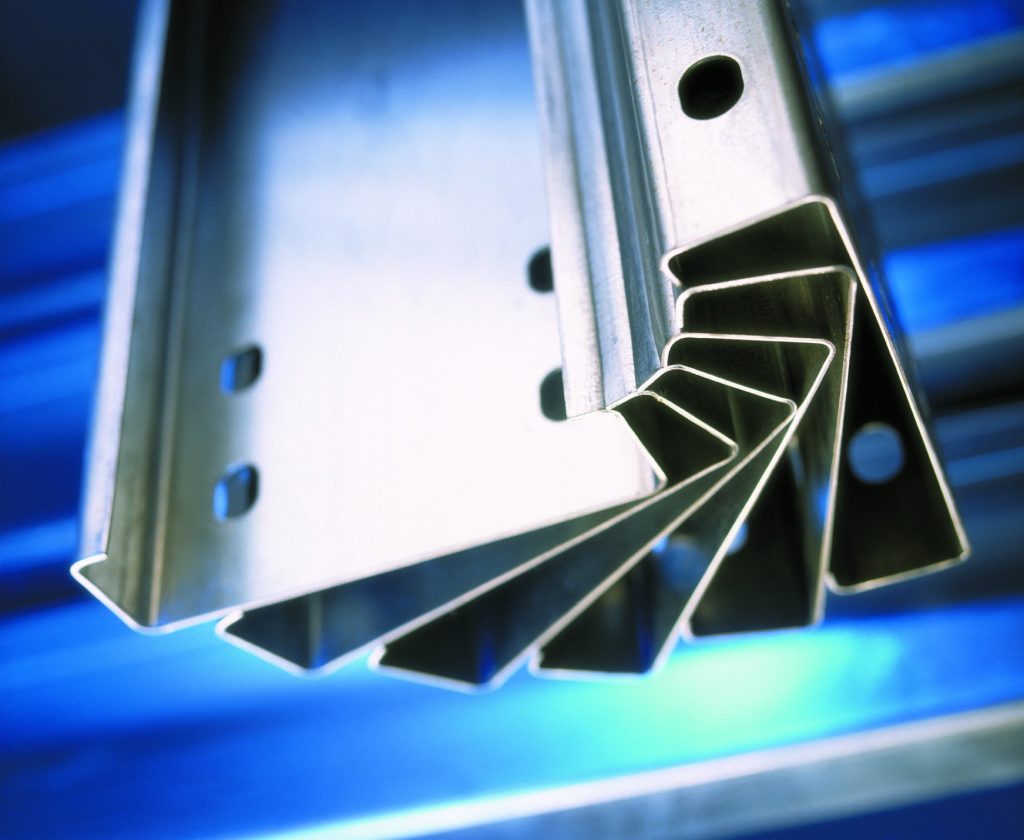
Steel profiles are characterized by:
The table below will help you quickly compare the two materials and choose the solution that best suits the nature of your project.
| Feature | Steel profiles (Z, C, Σ) | BSH glued laminated timber |
| Load Capacity and Strength | Extremely high despite its low weight | High (better than solid wood) |
| Dimensional stability | Solid (does not react to moisture) | Good (minimal material deformation) |
| Maintenance | None (the ZM-120 coating provides years of protection) | Regular maintenance required (oiling/varnishing) |
| Fire resistance | Non-flammable material | Flammable (but highly resistant) |
| Aesthetics | Modern, industrial | Natural, warm, decorative |
| Assembly | Very fast (prefabrication and drilling) | Fast, but requires heavier tools |
| Main Application | Halls, warehouses, light-frame structures | Houses, pergolas, decorative structures |
| Ecology | 100% recyclable steel | Renewable material, negative carbon footprint |
Z, C, Σ, and U construction profiles offer a modern alternative to traditional solutions made of BSH glued laminated timber. Thanks to cold-forming technologies, certified production, and the use of high-quality materials, these steel beams offer:
As a certified manufacturer, the Blachy Pruszyński Company ensures the highest quality of steel profiles, guaranteeing durability, safety, and construction efficiency. The wide range of available profiles, dimensions, and customization options (perforation) makes it possible to carry out even the most demanding structural projects.

Farmy fotowoltaiczne stają się jednym z kluczowych kierunków rozwoju produkcji energii elektrycznej w Polsce i coraz […]
Read moreNowoczesna konstrukcja hali stalowej opiera się na profilach zimnogiętych wykonanych z taśmy stalowej S350GD o grubości […]
Read moreZa pozornie prostymi oznaczeniami Z, C i SIGMA kryją się jedne z najważniejszych elementów współczesnego budownictwa […]
Read moreW nowoczesnym budownictwie konstrukcje stalowe to już nie tylko hale produkcyjne czy magazyny. Elastyczność projektowa i […]
Read moreNowoczesne domy stalowe to szybkie, wygodne i ekonomiczne rozwiązanie na każdą działkę, w budownictwie mieszkaniowym i […]
Read moreStal i beton to dwa materiały, które ukształtowały oblicze nowoczesnego budownictwa. Bez nich trudno wyobrazić sobie […]
Read more