The roof influences the proportions of the building and how it is perceived within its surroundings. Choosing the right roof covering allows you to create a cohesive design, utilize modern products, and highlight a unique style, while also ensuring the structure’s durability and functionality. The roof’s aesthetics determine how the entire building is perceived.
In this post, you’ll learn about:
The “Knowledge Around the Roof” series is a practical guide to roof maintenance and renovation. The articles go beyond simply discussing material selection, offering solutions to real-world problems faced by homeowners. The series covers legal formalities, budget planning, and modern technologies such as Photovoltaics and energy efficiency. Safety is a key focus—from protection against storms and martens to roof access systems. The series is rounded out with advice on aesthetics and durability, ensuring thermal comfort for decades to come.
This article analyzes the impact of roof aesthetics on the character of the entire building, explaining how to match the roofing to the architectural style—from classic to minimalist. It explains the principles of selecting colors and material formats, taking into account the building’s form, facade, and surroundings. It includes tips on how to visually shape the building’s proportions using the roof surface and emphasizes the role of details that determine the visual coherence and timeless appearance of the project.
A roof is not just a structural element—its shape, appearance, and form are crucial to how the entire building is perceived. Details such as color, the way light reflects off it, the shape of individual elements, and the surface texture determine the building’s proportions, its harmony with the surroundings, and its attractive appearance. Choosing the right roof covering affects both the aesthetics and functionality of the entire project.
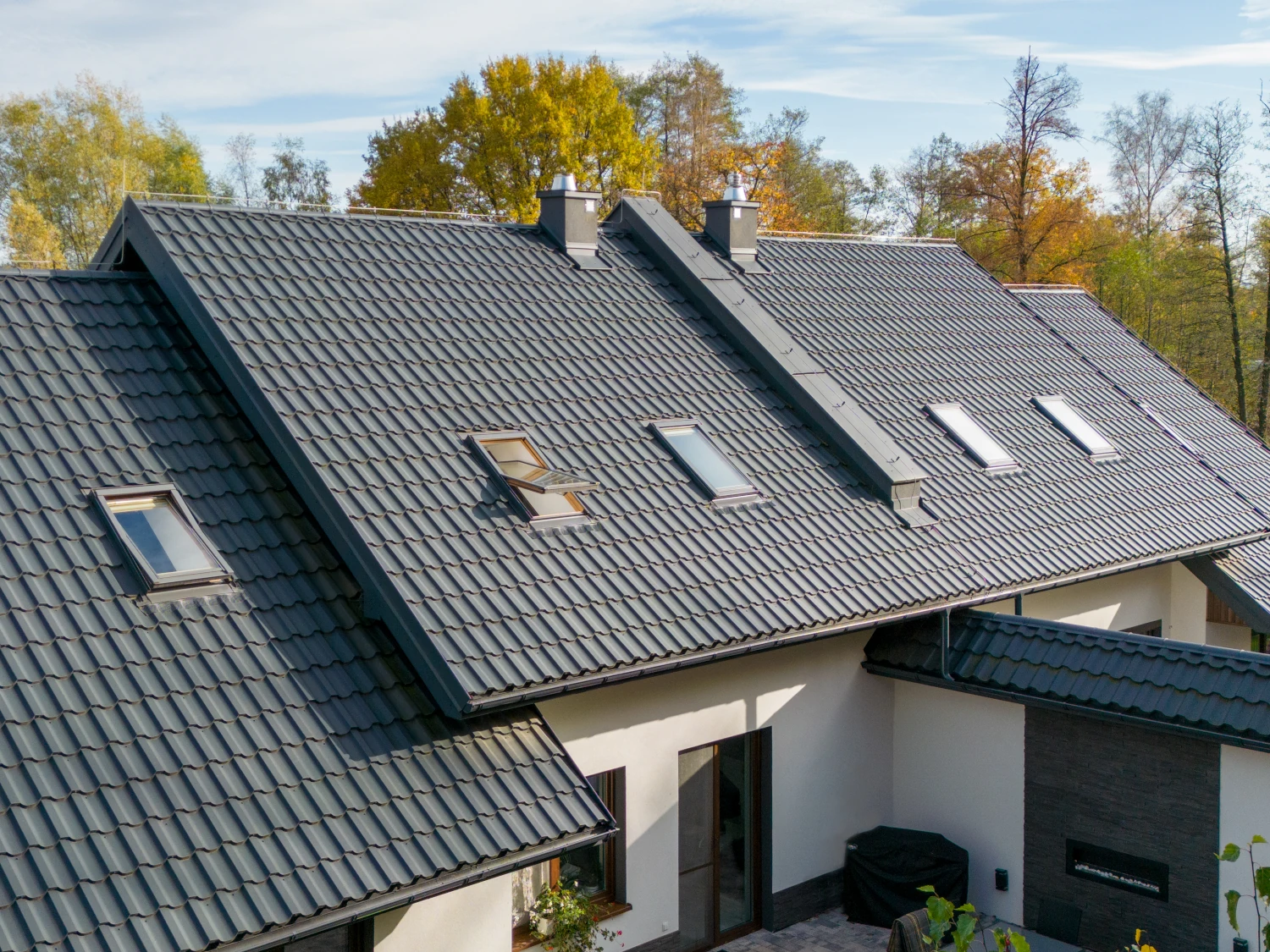
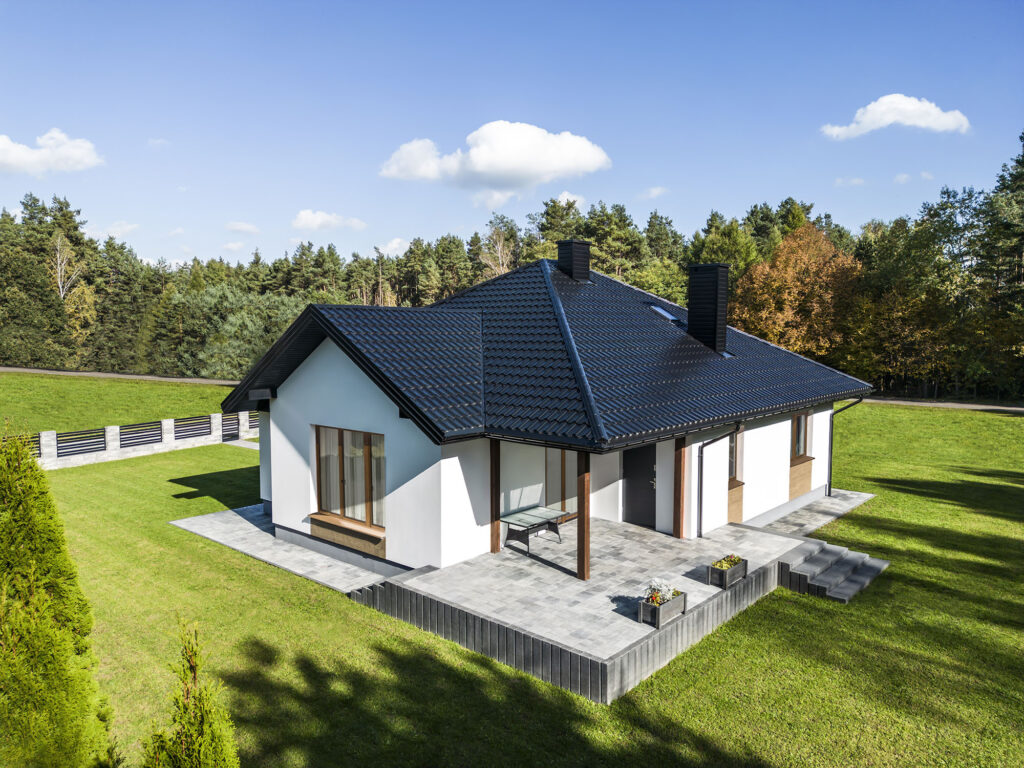
The color of the roof coverings is crucial to the building’s appearance and how it is perceived in its surroundings. Dark ceramic tiles or metal roofing tiles lend the structure a sense of solidity and stability, which works well for traditional homes and gable roofs with large slopes. In contrast , light shades make the roof appear “lighter,” giving the structure a sense of lightness and harmony with its surroundings— a solution often used in modern architecture.
Matching the color to the facade, gutters, and window frames helps create a project with a unique character. It’s also worth taking the client’s individual aesthetic preferences into account. Modern roof covering production technologies offer a wide range of weather-resistant colors, ensuring durability and an attractive appearance for many years to come.
Tip! A roof in a contrasting color can become a dominant visual element, while muted colors allow the building to blend harmoniously into its surroundings. Popular colors include RAL 9005 (black), RAL 7016 (anthracite), and RAL 8017 (chocolate brown).
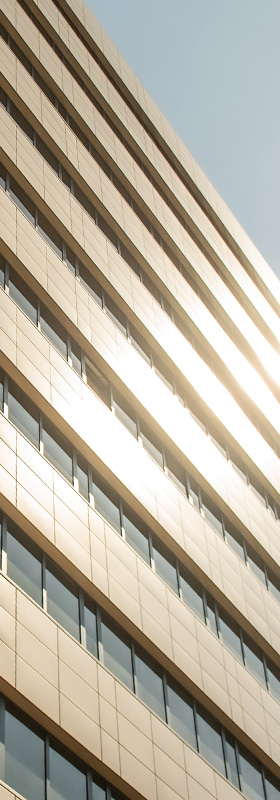
The sheen of the roofing material subtly yet noticeably affects the building’s appearance and plays a key role in both the aesthetics and functionality of the roof. Matte surfaces give the roof a subdued character and harmonize perfectly with natural facade materials. As a result, the roof serves as a backdrop for the building’s structure, and architectural details do not compete with the roof for attention. In contrast, glossy roofing materials—such as metal roof tiles, ceramic roof tiles, or standing seam metal roofing —reflect light, which helps highlight the roof’s geometric forms and showcase finishing elements, emphasizing the roof’s proportions and giving the building a cohesive, contemporary appearance. The reflection of light also enhances the impression of lightness and dynamism, particularly in the case of gable roofs with large roof surfaces.
Remember! A glossy finish increases resistance to UV radiation, which can extend the material’s lifespan and reduce color fading. On the other hand, glossy surfaces are more difficult to maintain—dust, deposits, and minor mechanical damage are more visible than on matte roofs.
The profile of the roof covering determines the roof’s functionality and appearance. Ceramic tiles or metal roof tiles with a classic, corrugated profile best complement traditional styles. Flat metal roof tiles and trapezoidal sheets, on the other hand, harmonize with contemporary architecture, emphasizing the building’s geometric shapes and giving it a distinct, minimalist character. For roofs of various shapes, the profile influences the building’s proportions and its attractive appearance, and also makes it easier to keep the roofing in good condition for many years.
The texture of the roofing material has a significant impact on the visual appearance of the roof and the unique character of the entire building. Smooth surfaces, such as trapezoidal sheets or standing seam sheets, give the roof a modern look, emphasizing the geometric shapes of the roof slopes and the minimalism of the building’s form. In such cases, light reflects evenly, which can further accentuate the roof’s proportions and highlight architectural details, creating an effect of lightness and elegance.
Rough-textured materials, such as cement roof tiles or asphalt shingles, give the roof a traditional look, adding visual depth and warmth while concealing minor dirt and minimizing the visibility of mechanical damage.
Inappropriately chosen roof coverings can disrupt the proportions of a building and distort its appearance. The negative effects include:
Matching the roof coverings to the type of building requires an analysis of its architectural style, roof shape, functionality, and surroundings, as well as the client’s individual needs. Each type of building has its own aesthetic and practical requirements, which determine which materials will be the ideal choice.
In classic buildings, ceramic or cement roof tiles work well, as they emphasize the traditional character of the roof and give it a unique look. At the same time, metal roof tiles—especially those with profiles that mimic classic roof tiles—can be a good choice if their color, profile, and texture harmonize with the facade, window frames, gutters, and flashings. This solution combines a traditional appearance with the durability of the roofing in harsh climatic conditions.
They pair best with flat metal roof tiles, trapezoidal sheets, or standing-seam metal sheets. Such roof coverings give the roof a modern look and emphasize the building’s geometric proportions, while also allowing for the creation of unique designs on roof surfaces of various shapes. The material’s properties are also important: UV resistance, durability in harsh weather conditions, and the ease of maintaining the roof in good condition for many years.
Gable roofs are characterized by a simple, symmetrical design. Both ceramic roof tiles and lightweight metal sheets or metal roof tiles can be used, though the material should be chosen based on the size of the roof surface and the desired style of the roof. In this case, the profile, color, and texture determine the proportions of the structure and the building’s aesthetics.
Buildings with complex roof geometries—such as multi-sloped, mansard, or irregularly shaped roofs—require lightweight and versatile materials, such as metal roof tiles, trapezoidal sheets, or standing seam metal roofing. When choosing roof coverings, it’s worth considering the proportions of the roof slopes and the building’s structure—light colors “lighten” complex slopes, while dark colors emphasize the building’s massiveness. Other important elements include roof windows, flashings, and the gutter system, all of which affect the roof’s functionality and aesthetics.
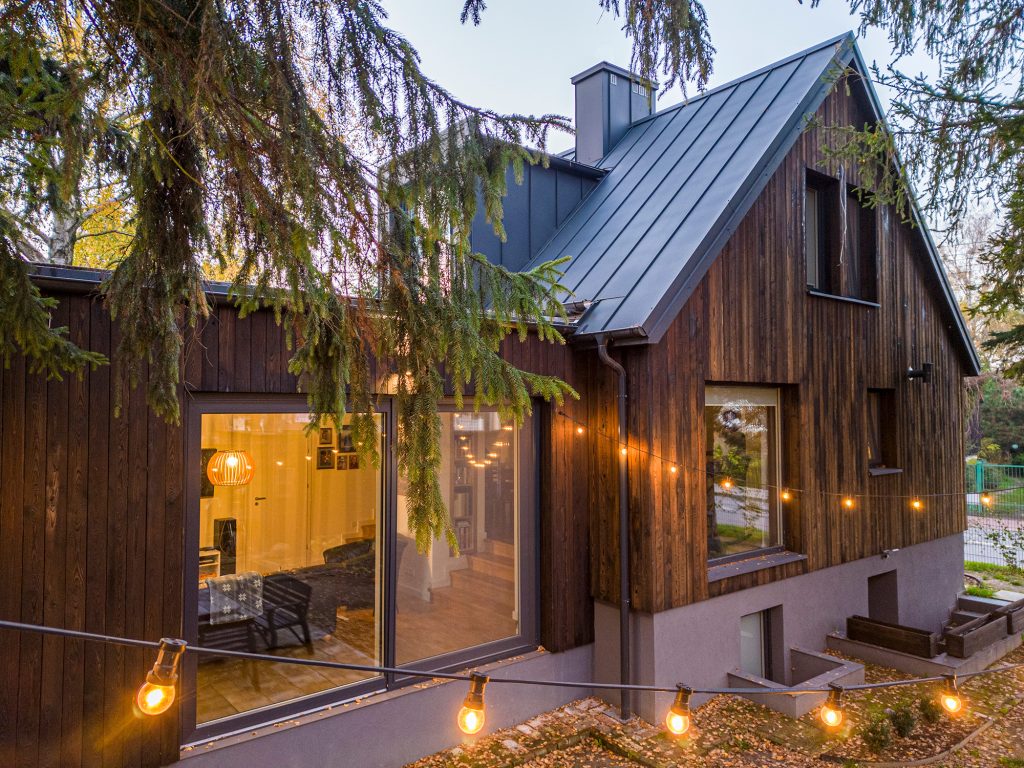
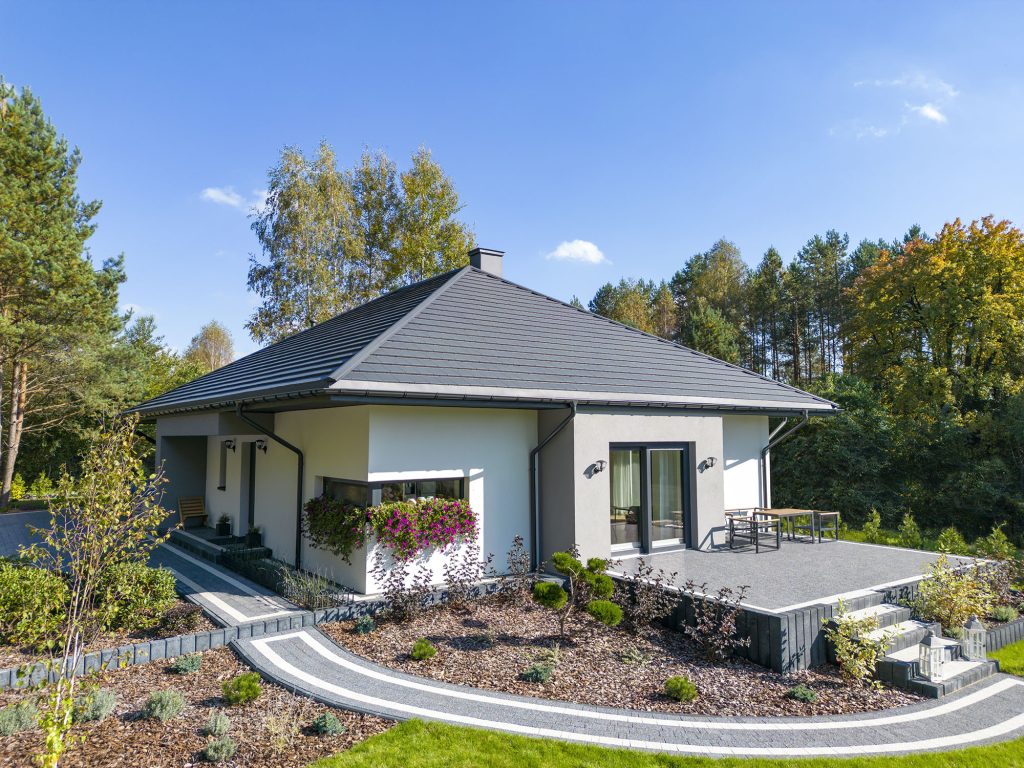
The harmony between the roof, the facade, and the window frames is crucial to the building’s aesthetics and the clarity of its form. By matching the color and profile of the roof coverings to the facade and gutters, you can deliberately emphasize the building’s traditional or modern style while maintaining the uniform character of the entire structure. Finishing elements are equally important—roof windows, chimneys, and flashings should be consistent in both material and color so as not to disrupt the proportions of the roof surface. In classical architecture, ceramic roof tiles pair well with plastered or clinker facades and wooden elements. In modern buildings, however, trapezoidal sheets and metal roof tiles are more commonly used, as they emphasize the roof’s simple geometry. While maintaining the proper proportions and high quality, it is also possible to incorporate individual aesthetic preferences, such as by combining light-colored roof tiles with a gray facade and wooden trim, or by using dark sheet metal in combination with large glazed areas. This approach results in a durable, aesthetically pleasing, and cohesive solution in which the roof harmoniously complements the rest of the building.
Practical examples:
In 2026 , solutions are available on the market that combine modern technologies, high quality, and aesthetic appeal, meeting both architectural and functional needs. Minimalist roofing materials, such as flat metal roof tiles and standing seam metal sheets in neutral shades of graphite and anthracite, are becoming increasingly popular; they give buildings a modern look while ensuring high durability and weather resistance. At the same time, interest in more classic products remains strong—roof tiles and bituminous shingles in shades of red, brown, and graphite harmonize with their surroundings and help preserve a building’s timeless, distinctive style.
Another significant trend is the integration of roof coverings with innovative technologies. Products designed for the assembly of roof windows, solar panels, and ventilation systems simplify the execution of details, improve the roof’s performance, and minimize the risk of mechanical damage. Unique combinations are also becoming increasingly common, involving the mixing of different types of roofing materials or the pairing of contrasting colors and textures, which allows for striking, personalized solutions while maintaining consistency with the facade.
Modern roof coverings in 2026 must therefore combine durability, aesthetic appeal, and versatility. The right choice of material is crucial for the roof’s proportions, its harmony with the facade and window and door frames, as well as for preserving the building’s harmonious, striking form and its unique character for many years to come.




The roof determines not only the appearance of a building, but above all its safety, durability, […]
Read moreWork carried out on a building’s roof involves not only significant costs but also the need […]
Read moreChoosing the right roof covering is one of the key decisions when building or renovating a […]
Read moreInnowacyjne rozwiązania sprawiły, że nowoczesne powłoki ochronne blachy dachowe nie pełnią już wyłącznie funkcji zabezpieczającej, ale […]
Read moreDynamiczny rozwój rynku energii słonecznej sprawia, że dach przestaje być wyłącznie elementem budynku, a staje się […]
Read moreWybór odpowiedniej izolacji termicznej to jedna z najważniejszych decyzji podczas budowy lub remontu. Materiały izolacyjne wpływają […]
Read more