MENU
Roof construction is one of the key stages of a construction project, as it affects the building’s durability, energy efficiency, and safety. Inspection is essential at every stage, because a roof functions properly only when it operates as a system.
In this post, you’ll learn about the most common problems:
The “Investor’s Guide” series is a practical compendium of knowledge on the investor–contractor relationship. The articles guide readers through the entire construction process—from thorough preparation for the first meeting, through a detailed analysis of cost estimates, to a substantive technical inspection. The series clarifies the division of responsibilities on the construction site, defining the scope of a roofer’s work and the standards for project documentation. Effective communication is key—the guide teaches you how to ask the right questions at every stage of the project to avoid misunderstandings and unforeseen expenses. Together, this guide enables you to build a roof based on mutual trust, clear guidelines, and the highest quality of workmanship.
In this article, you’ll learn what to check before starting roof construction, during roofing work, and when inspecting the finished roof. We’ve prepared practical checklists for homeowners to help you monitor the quality of workmanship, ensure materials meet specifications, and verify that each stage of the project is completed correctly. This will make it easier for you to avoid costly mistakes, oversights, and problems that often don’t come to light until after the roofing work is finished.
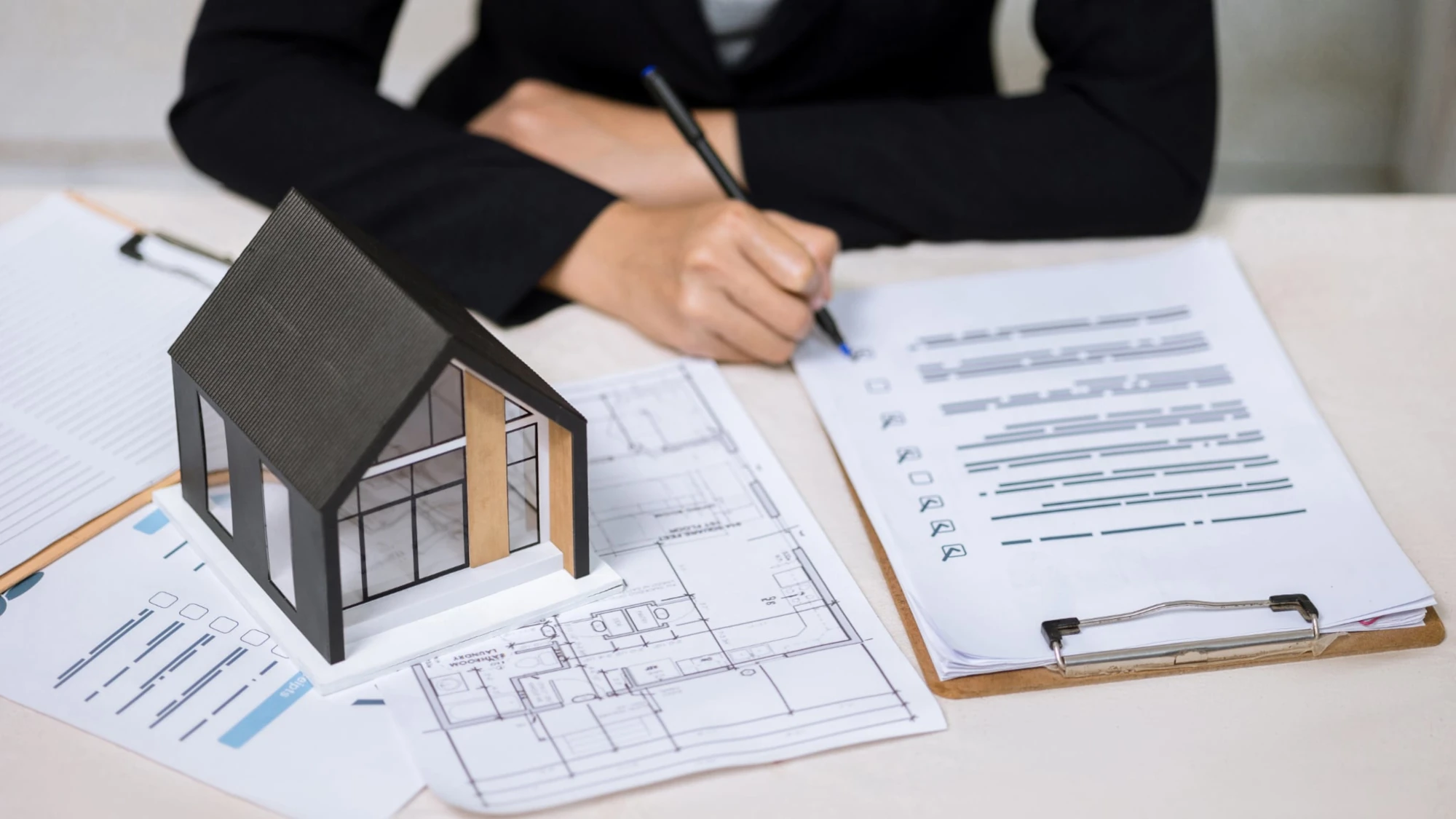
An investor’s checklist for roof construction helps evaluate bids, the scope of work, and the quality of workmanship. Using this checklist for planning is particularly useful when analyzing quotes and discussing the project with the contractor.
Planning involves analyzing documentation, designs, and materials.
Check it out:
It is important to ask the roofer about the specific materials and techniques that will be used.
During the work, the quality of workmanship and compliance with the design must be monitored
Check it out:
Before beginning the insulation work, you should thoroughly inspect the roof framing, remove any moisture or damage, and ensure proper ventilation.
Acceptance is the point at which the quality of the entire project is verified.
Check it out:
During the technical inspection of the roof, special attention should be paid to protecting it from moisture, especially in the case of flat roofs, which require particular care when installing the insulation and drainage system.
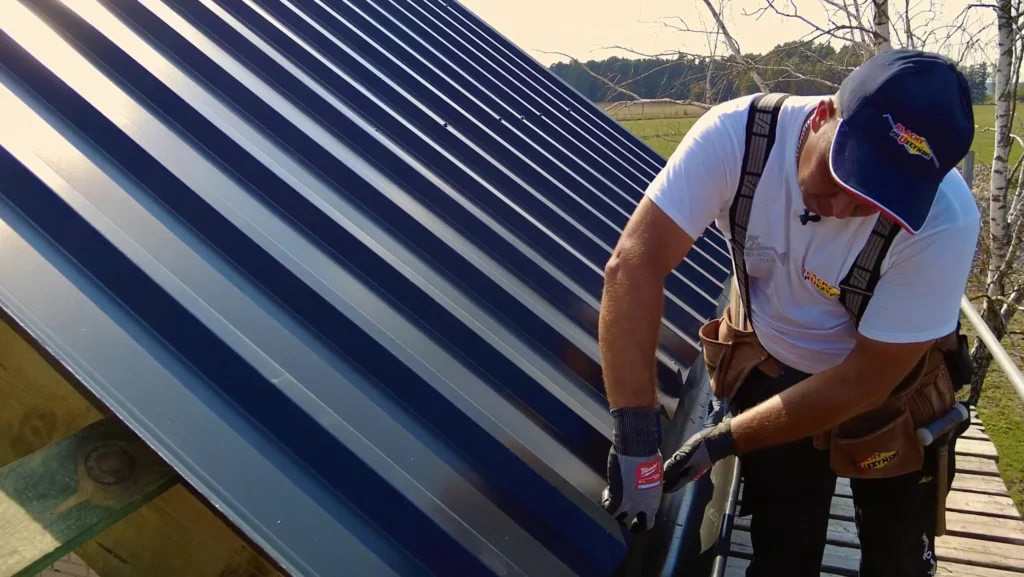
Once the project is complete, the roof requires regular inspections.
Check it out:
A well-prepared checklist helps organize the entire process—from planning to use.
Yes, the investor can conduct the final inspection themselves, but for larger projects, it is advisable to seek the assistance of an independent construction inspector. Having a specialist perform the final inspection minimizes the risk of overlooking construction defects that are invisible to the layperson.
Upon completion of the work, the contractor should submit the as-built documentation: declarations of performance for materials (roof coverings, membrane, insulation), warranty certificates, and the final acceptance report. This documentation serves as the basis for any claims under the warranty and Warranty.
It is recommended to have at least two inspections per year—in the spring (after winter) and in the fall (before the frost season). It is a good idea to conduct an additional inspection after every severe storm or gale, especially to check for leaks and the condition of the roof coverings.
A partial inspection is an inspection of a specific stage of construction before it is covered by the next layer. Inspecting the roof framing, membrane, and insulation before the assembly of the roofing material allows for the detection of defects that would be very costly—or even impossible—to repair after the work is completed without dismantling the roof.
Any defect must be reported to the contractor immediately in writing (by email or certified mail), describing the nature and location of the defect and requesting a deadline for its repair. The investor is protected by a 5-year warranty against physical defects in accordance with the Civil Code. Document defects with photographs—dated photographic documentation is crucial in the event of any disputes with the contractor.
Completing the roof does not mean the end of responsibility for its technical condition. In practice, it is often after acceptance that shortcomings and roofing errors—which were previously difficult to spot—come to light. The most common mistake is the lack of regular inspections and the assumption that a new roof does not require maintenance.
To minimize the risk of problems, it’s a good idea to regularly inspect key areas—especially roof framing components, the areas around flashings, and roof windows. These are the spots where improper assembly most often occurs, which over time leads to leaks and a decline in performance. Keep in mind that the roof is constantly exposed to the elements, so even minor errors can quickly worsen.
If you have any doubts about the quality of the work, the best solution is to entrust the task to professionals. An independent assessment allows you to accurately determine the condition of the roof and plan any necessary repairs.
In summary, responsible use, regular inspections, and a quick response are key to ensuring that the roof remains durable and does not incur unnecessary costs in the future.

Budowa dachu to moment, w którym inwestor wydaje dziesiątki tysięcy złotych, często ufając wykonawcy bardziej niż […]
Read moreDach to jeden z najbardziej wymagających elementów budynku – narażony na działanie warunków atmosferycznych, obciążenia i […]
Read moreNa pierwszy rzut oka dach to po prostu warstwa pokrycia chroniąca dom przed deszczem, śniegiem i […]
Read moreKosztorys dekarski to jeden z najważniejszych dokumentów podczas realizacji dachu – zarówno podczas budowy domu, jak […]
Read morePierwsze spotkanie z dekarzem w dużej mierze decyduje o dalszym przebiegu inwestycji. Świadome przygotowanie się do […]
Read moreDobrze przygotowany inwestor łatwiej podejmuje decyzje przy wyborze dekarza i ogranicza ryzyko błędów organizacyjnych, które mogą […]
Read more