Do you have any questions?
What kind of gutters should I use with metal roof tiles?
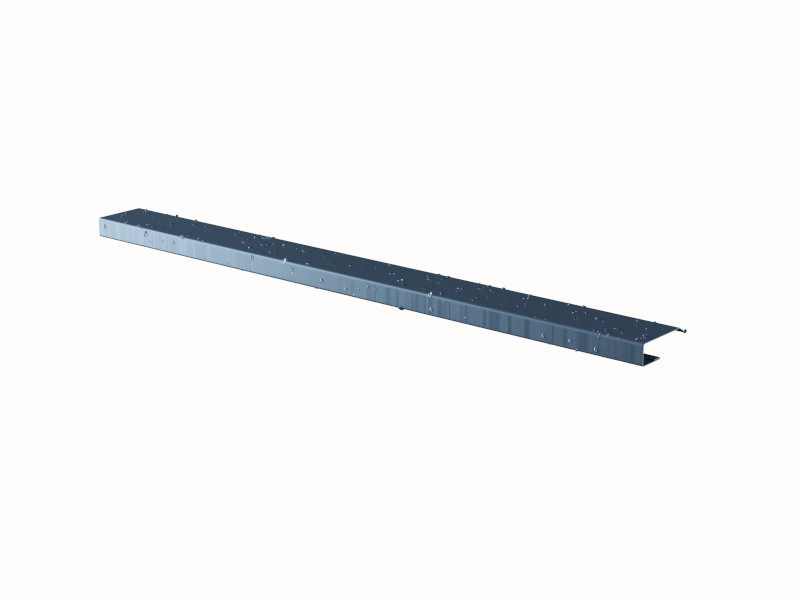
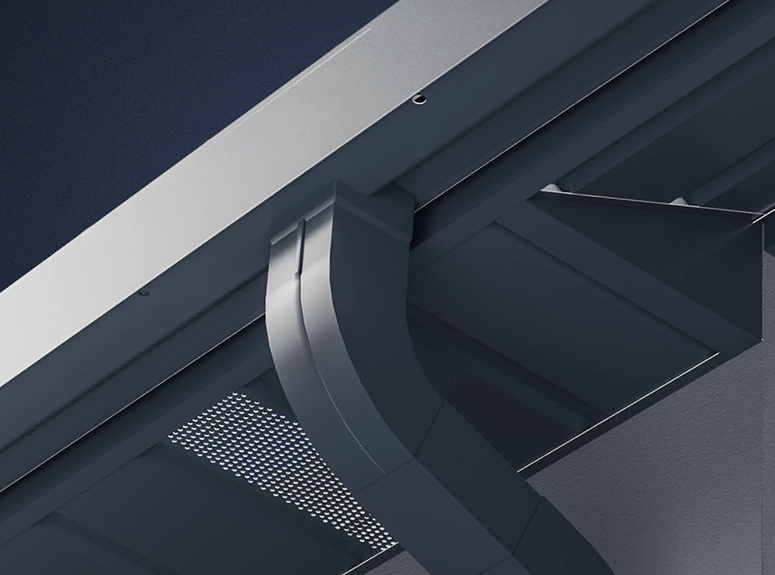
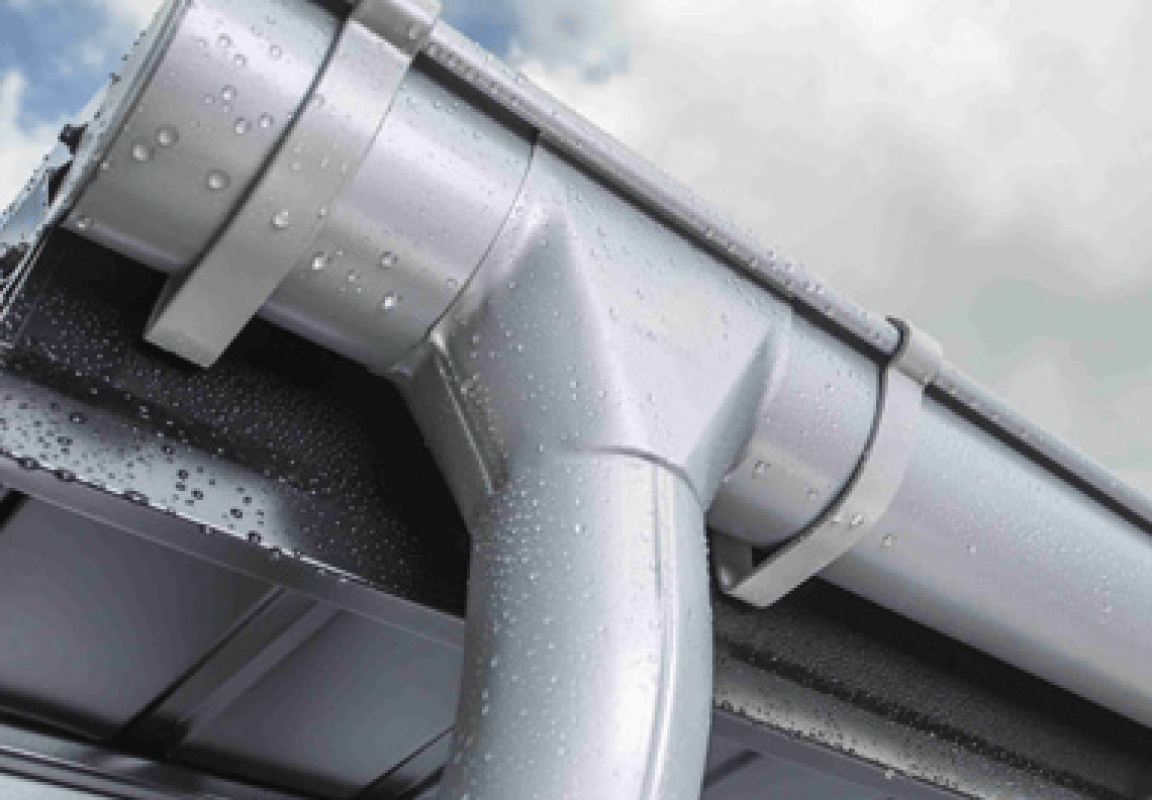
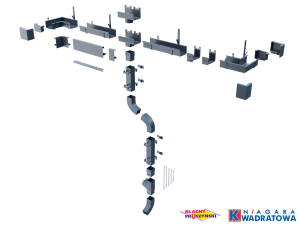
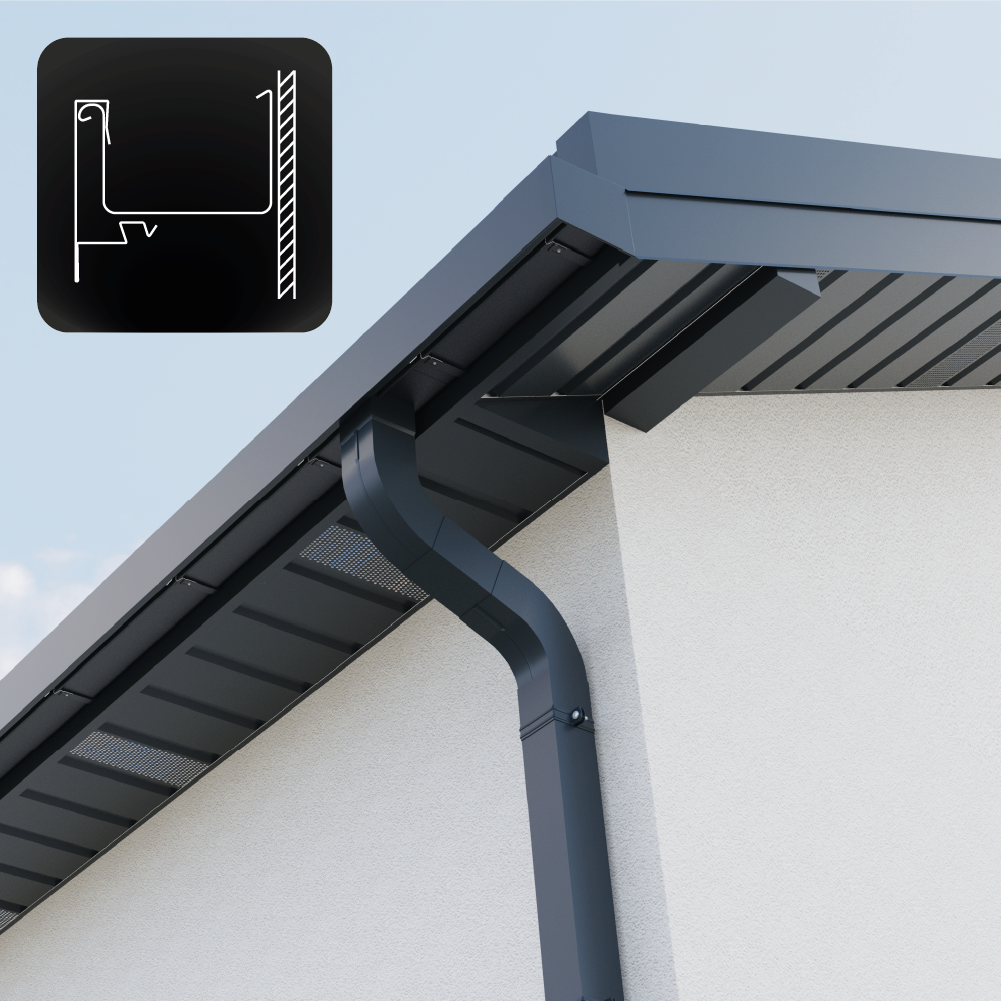
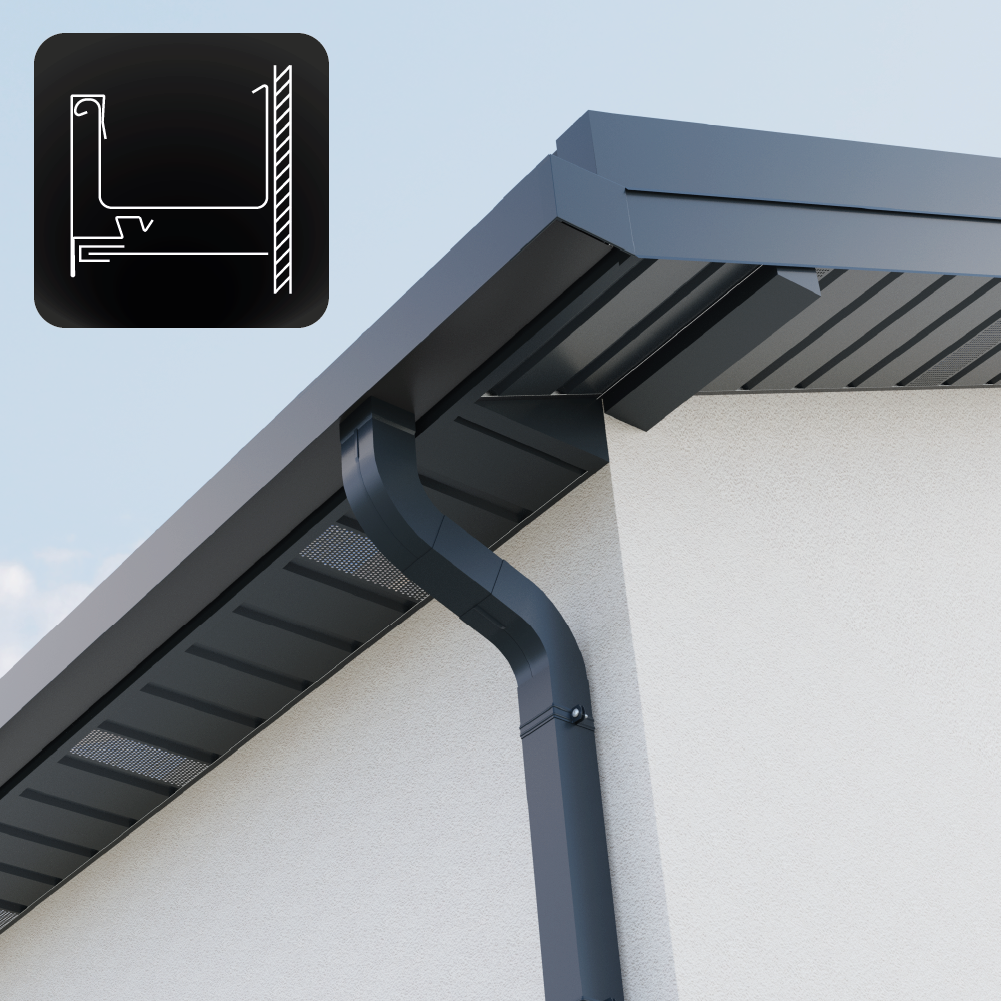
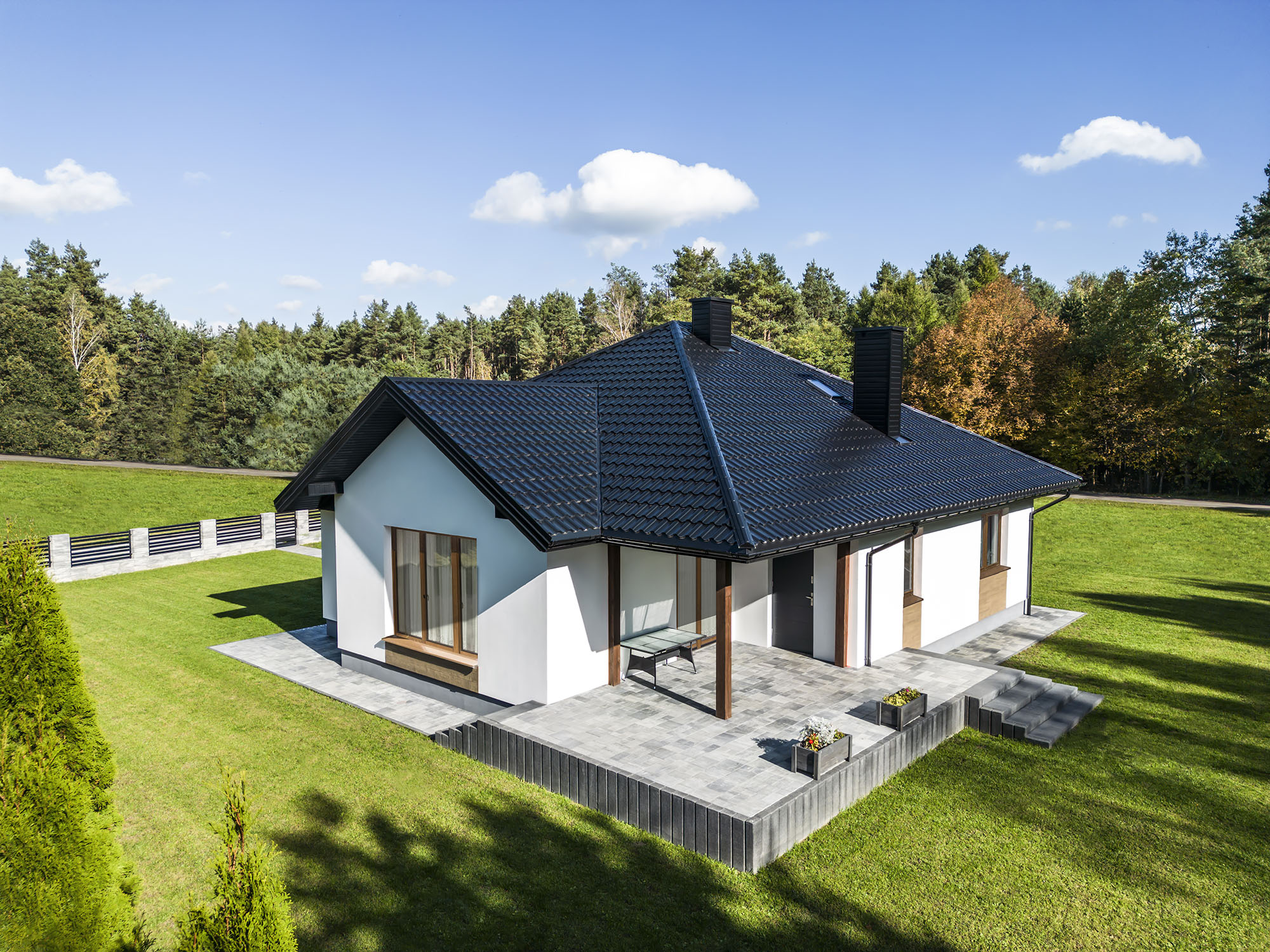
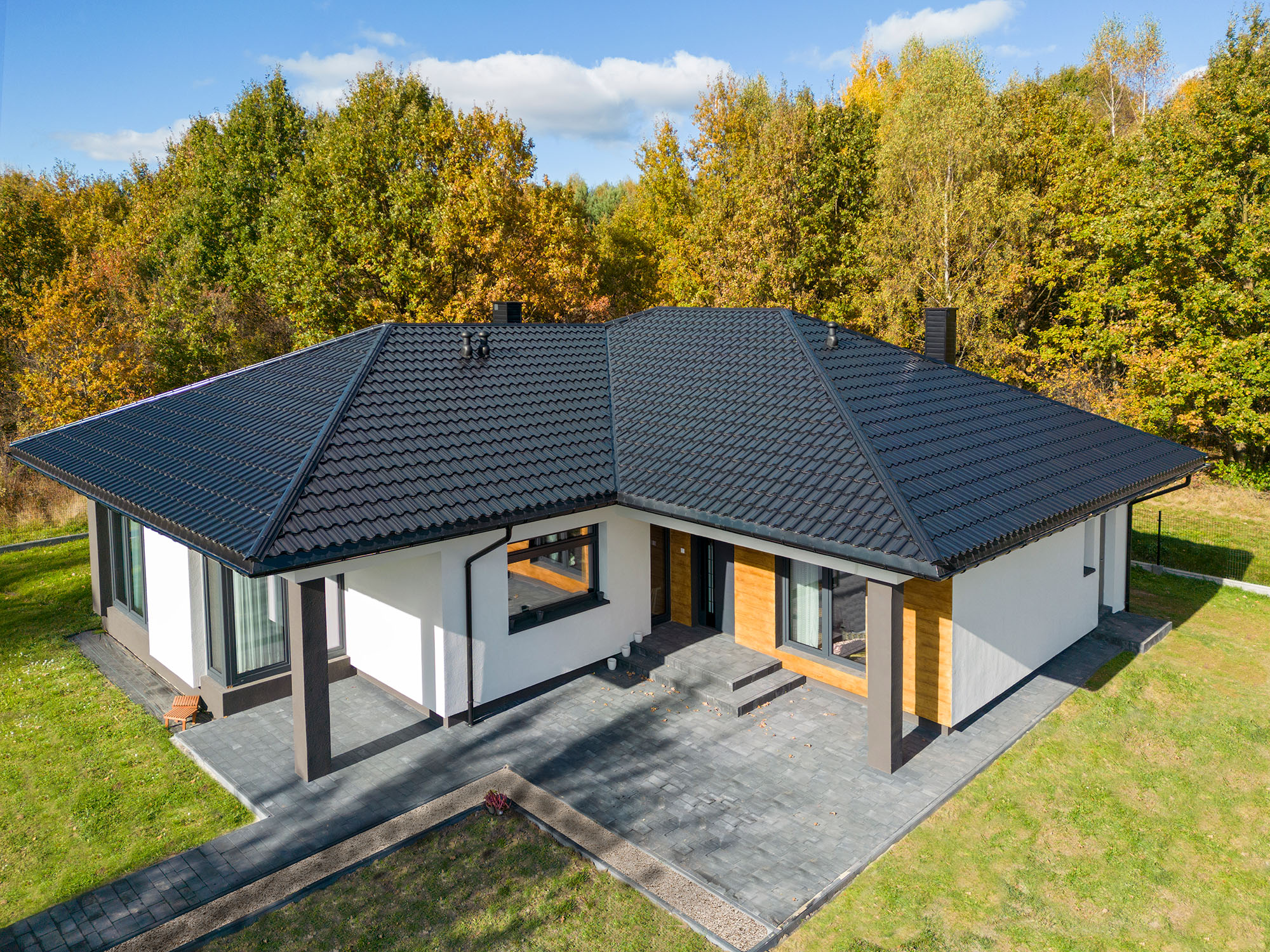
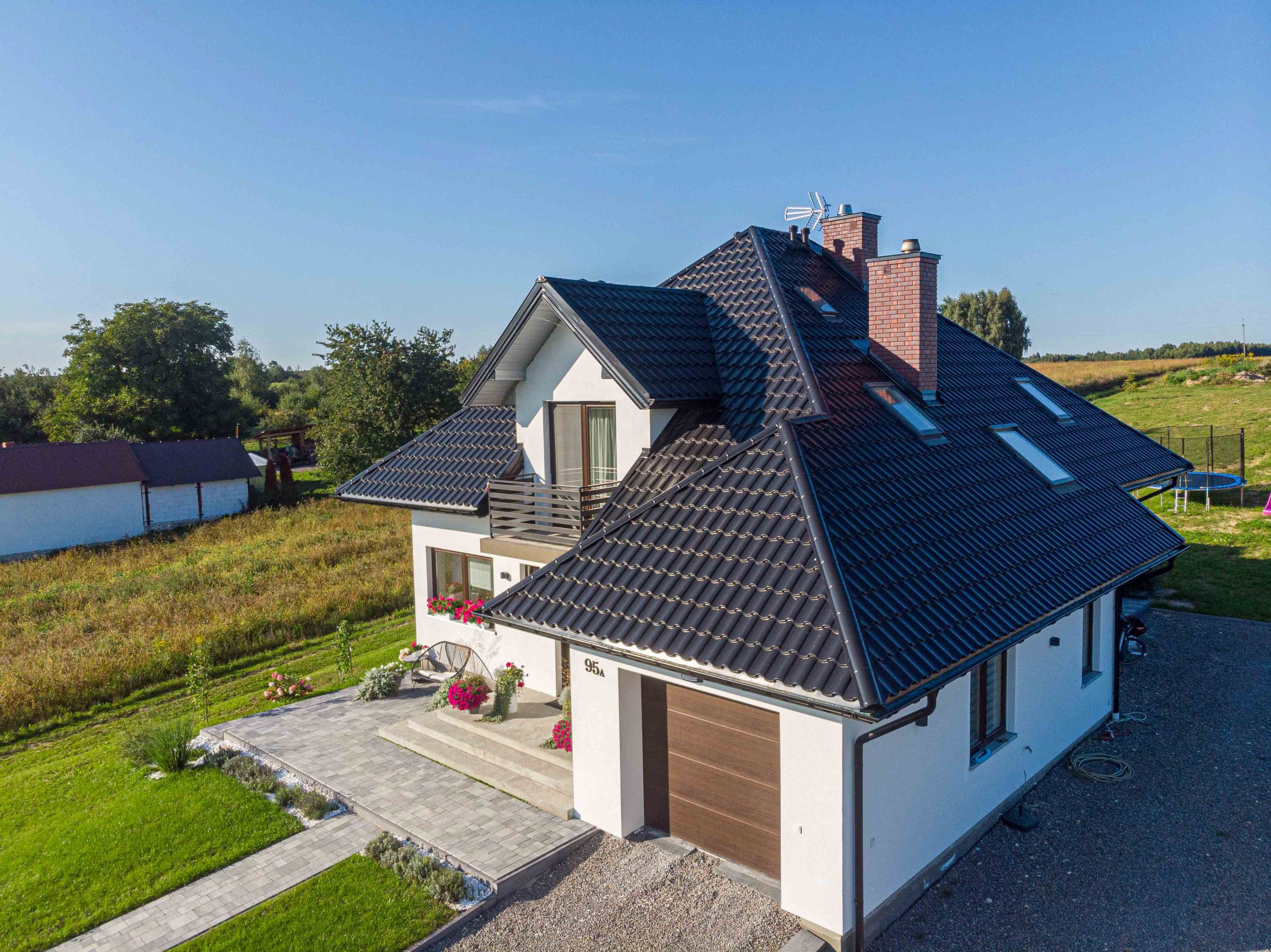
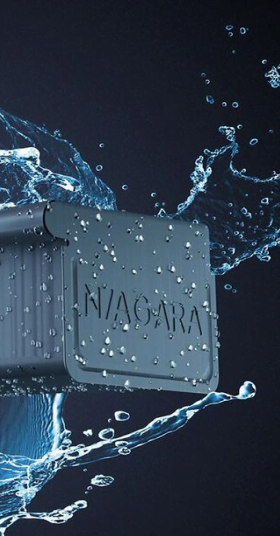
The choice of gutters for metal roof tiles depends mainly on the size (surface area) and pitch of the roof, as well as aesthetic preferences. The primary consideration is the material from which the gutters are made—PVC and metal gutters are available on the market. It’s worth noting that metal gutters, coated with protective finishes, are much more durable, resistant to changing weather conditions, and blend in more aesthetically with metal roofing. We encourage you to explore our selection of NIAGARA metal gutters:
NIAGARA METAL GUTTERS
What are the estimated costs of purchasing and installing facade sheets?
The price of elevation panels, depending on the type of protective coating, is available on our website in the "Price Lists" section, on the "Downloads" subpage. Regarding assembly costs, we recommend contacting a contractor. As a manufacturing company, we do not directly carry out projects using our products. However, for any project involving assembly and construction, we recommend using the services of experienced and professional contractors. The total price is certainly significantly influenced by factors such as the complexity of the project, the scope of work, and the number of custom elements and additional components required by the project, all of which can increase the final cost.
What are the methods for installing elevation panels made of sheet metal?
Many contractors are highly skilled at assembling PS panels. The Pruszyński Company conducts annual training sessions where participants can also deepen and refine their assembly techniques. On our website, www.pruszynski.com.pl, you’ll find assembly instructions that will help you install the facade professionally. An increasing number of different types of assembly components are appearing on the market, making it easier to properly install PS elevation panels.
What are the differences between painted sheet metal elevation panels and color-coated ones?
The coating process takes place at the steel mill itself, under very strictly controlled conditions and following a specific procedure that is essentially impossible to replicate even in a professional paint shop. As a result, sheets coated in a given color are exceptionally durable in terms of both UV resistance and weather resistance. An equally important advantage of using mill-coated sheet metal is a significant reduction in the production process, which means that the customer can receive their order much faster. However, this also means there are certain limitations regarding the availability of non-standard colors—which are restricted by current inventory levels. For large orders, it is possible to order sheet metal in any color and coating, but this significantly extends the lead time. In such cases, we very often use powder coating services. When it comes to powder coating, it is very important to provide recommendations in advance regarding the conditions of the structure on which the panels will be installed. In this way, even with powder coating, we can meet requirements for both corrosion resistance and UV resistance.
Can exterior metal panels be used on a single-family home?
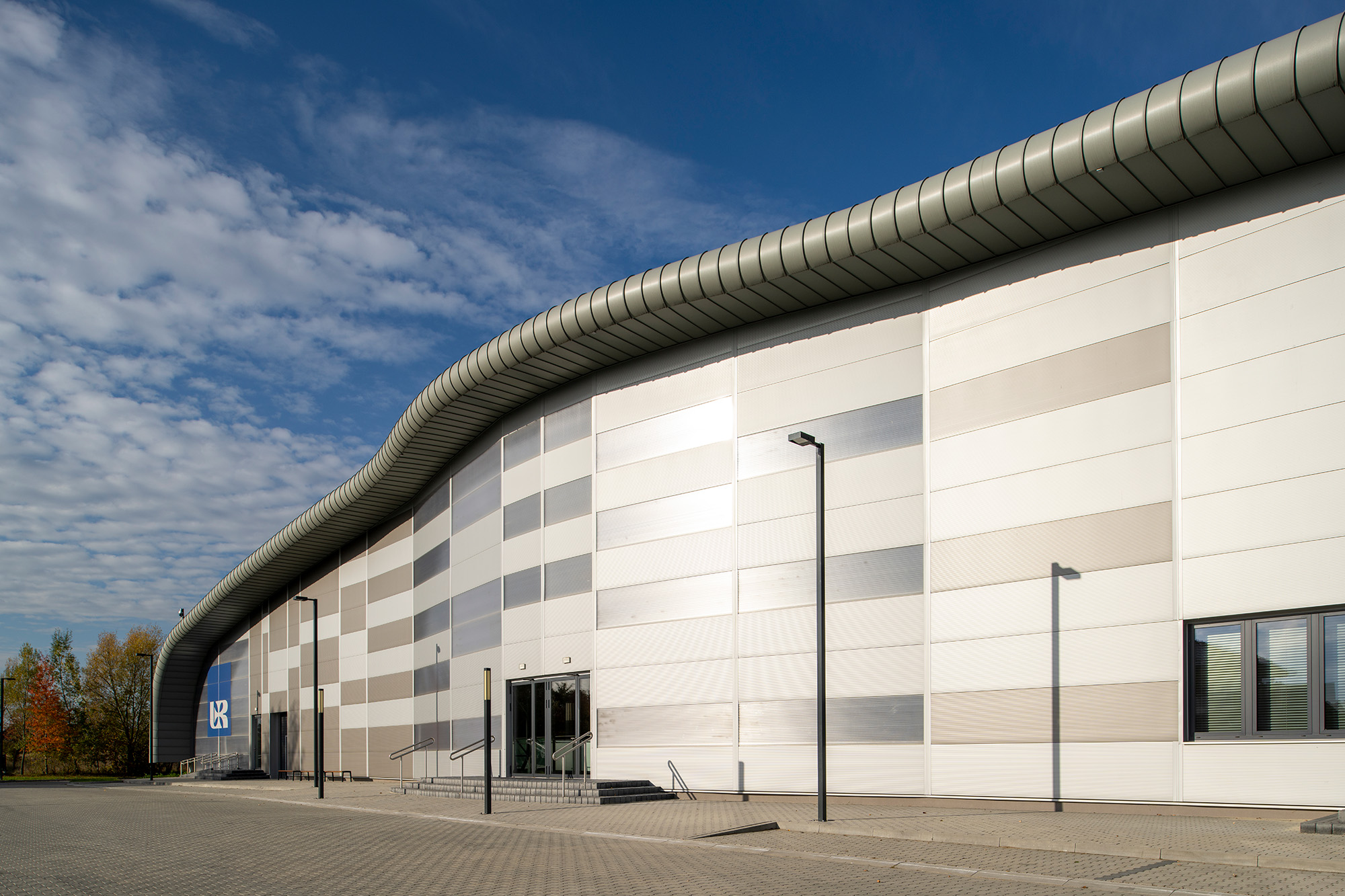
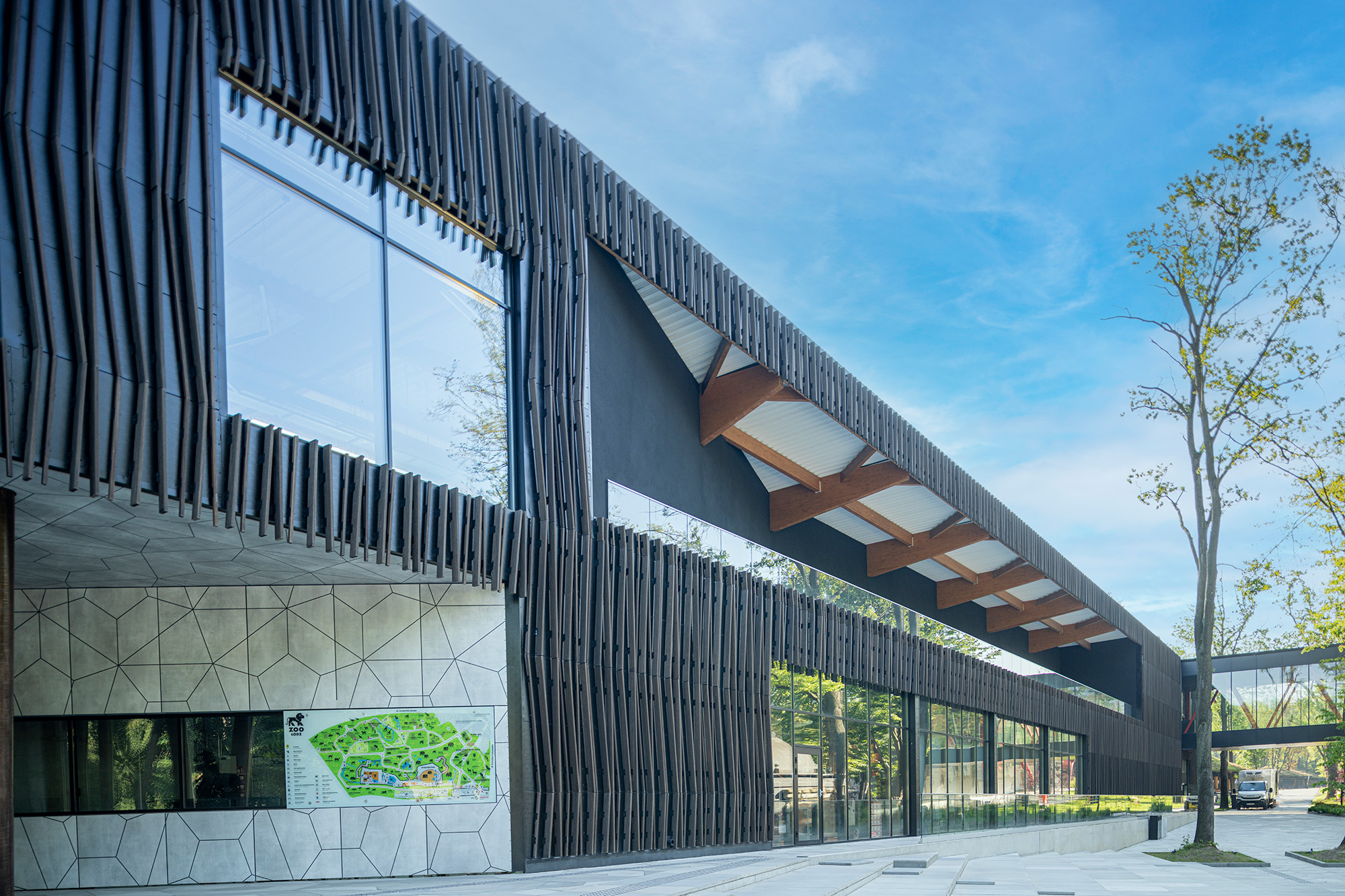
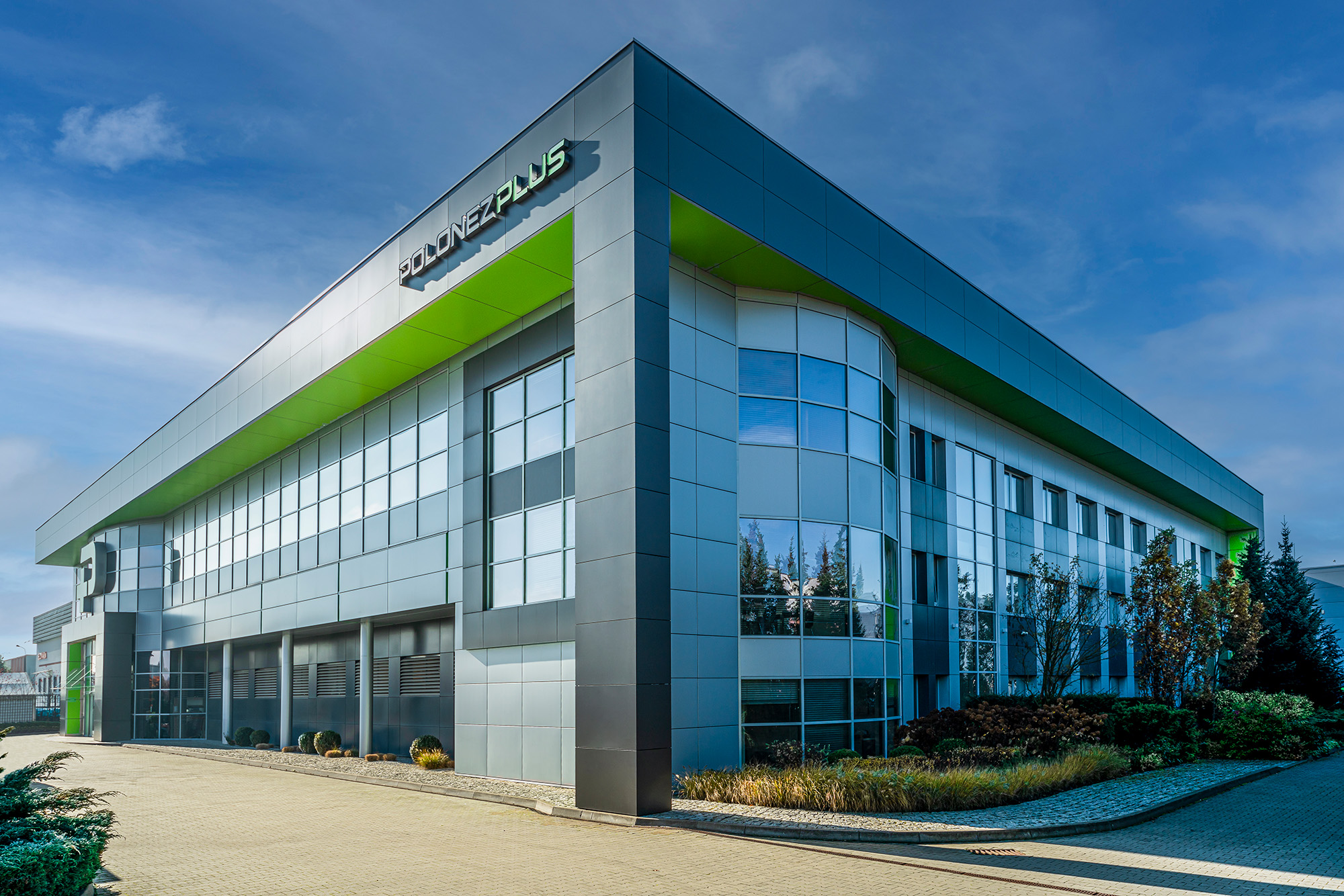
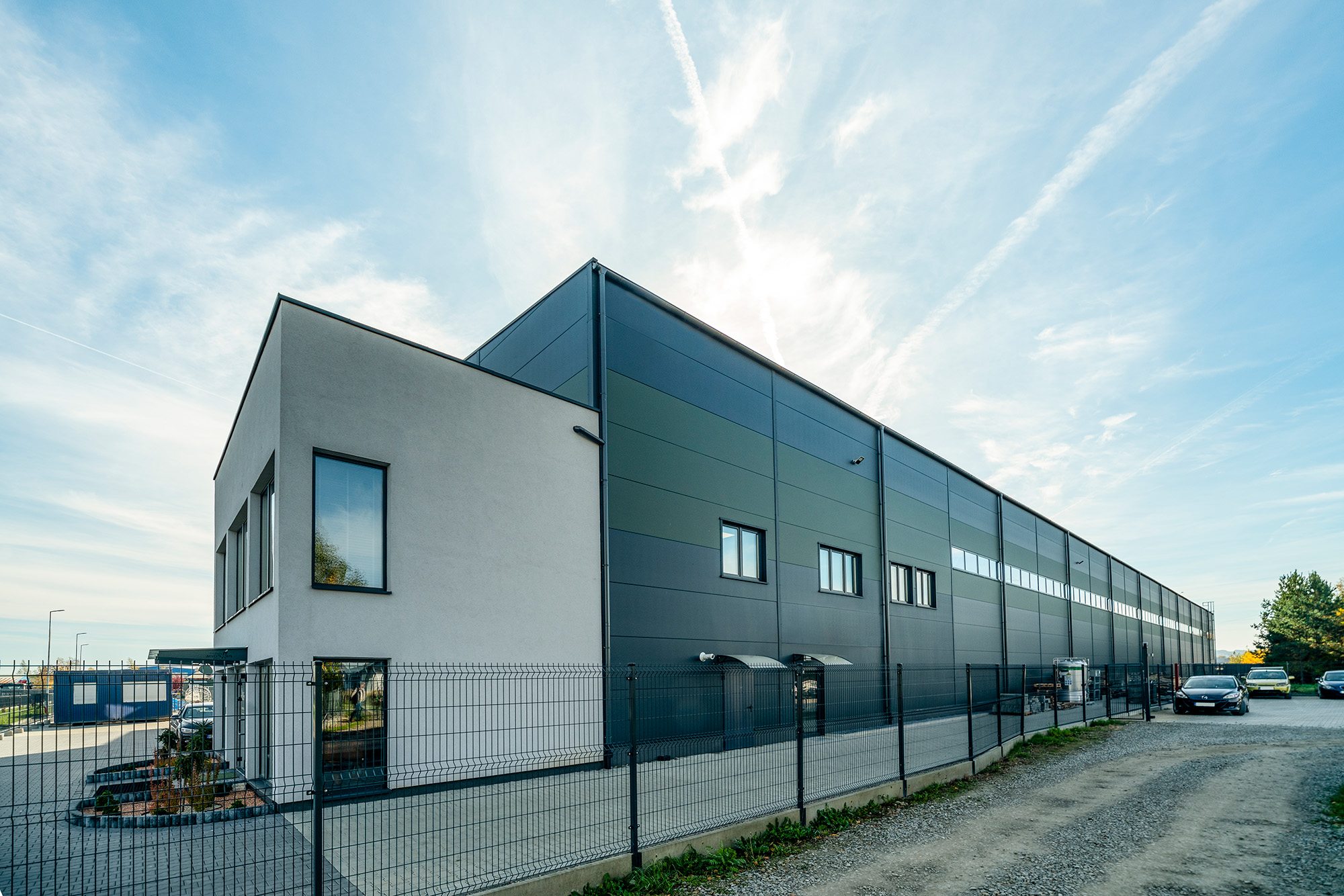
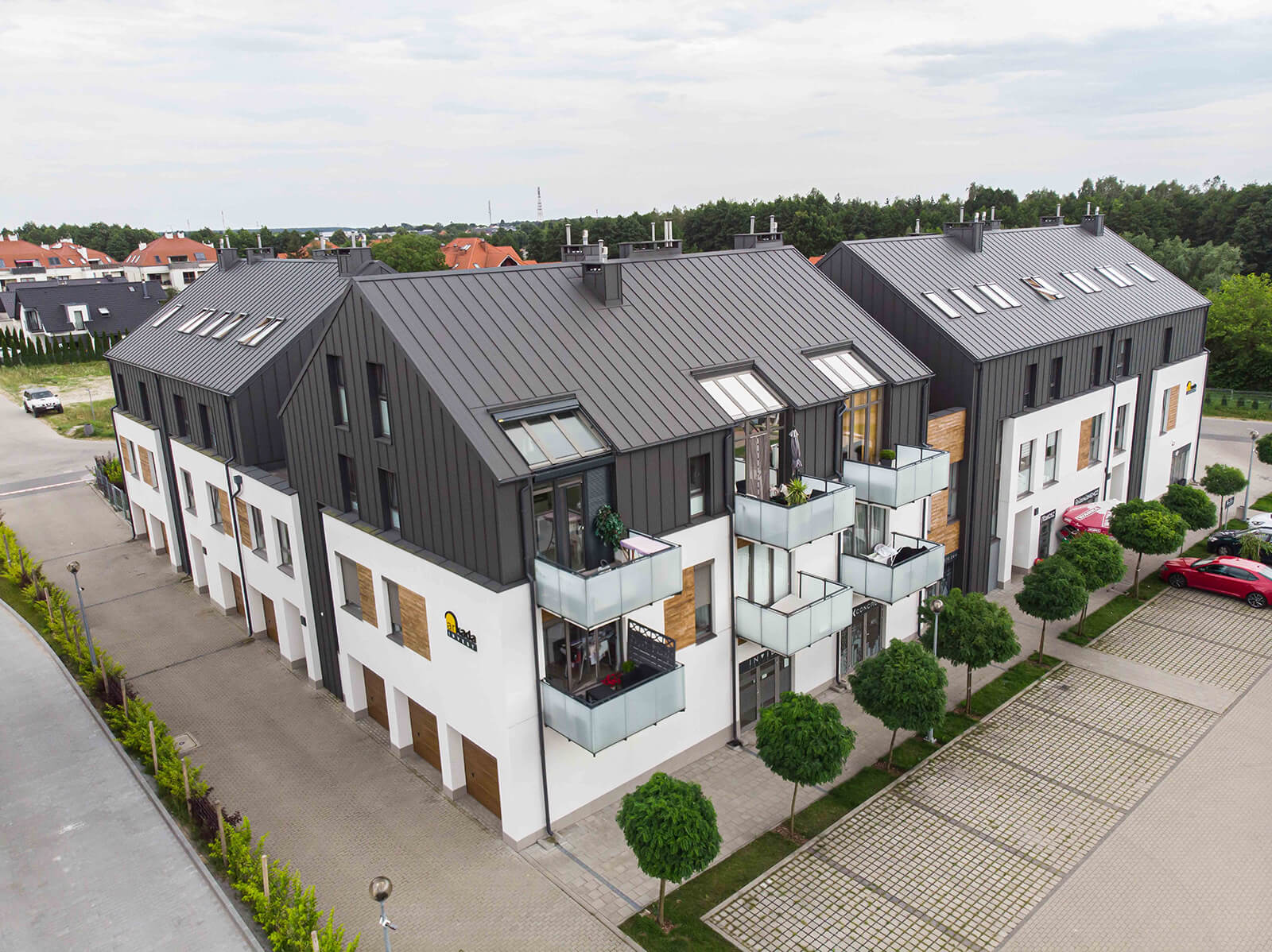
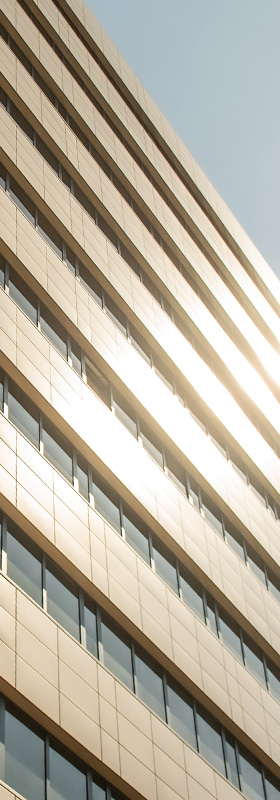
Elevation panels can be used in most building structures as facades. The elevation panels are also used as a finishing element for the facade—or even as a section of it—to highlight certain architectural features or as part of an architect’s design. They are ideal both as the main elements of a facade and as a complement to other facade materials. Therefore, there is no reason why they cannot be used on single-family homes, provided their assembly is carried out in accordance with best roofing practices.
What designs and finishes are available for sheet metal elevation panels?
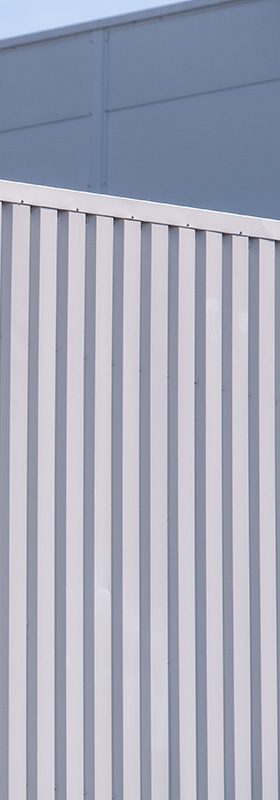
The Blachy Pruszyński Company offers one model of elevation panel— the PS Panel—which is available in two widths: 315 mm and 215 mm. The length of the panel is tailored to the facade’s geometry and manufactured according to the customer’s order. By pre-bending the panel during assembly, we not only achieve a visual effect but also prevent the panels from “waving” due to factors such as heat.
Additionally, depending on the selected coating, our panels offer a very wide range of colors, and for custom orders, we are able to supply panels in any color. An interesting solution is the use of sheet metal with a wood-grain coating to achieve the look of a wooden facade without the need for maintenance, as is the case with natural materials. However, this requires consultation with the technical and sales departments to confirm the conditions, production capabilities, and material availability.
How should the metal roof tile be stored until assembly?
If assembly is to take place within approximately 3–4 weeks of production, simply cut open the packaging and place the package at a slight angle so that any rainwater can drain off.
If this period is to be longer, it is absolutely necessary to cut open the packaging and insert spacer strips between the sheets to allow for free airflow. The package must not rest directly on the ground. The sheets should be stored in a dry and well-ventilated place.
Detailed storage instructions are always provided on the product label attached to the package.
Why is a gutter system so important for the entire building?
Gutters play a key role in maintaining the integrity of a building by draining rainwater from the roof and preventing damage to the structure and foundation. Furthermore, stormwater management is becoming an increasingly important issue, and a good gutter system makes it easy to collect rainwater for reuse. Nowadays, the choice of materials for a gutter system is no longer limited to traditional solutions. Metal gutter systems are gaining popularity, combining not only functionality but also aesthetics and durability.
Does a metal gutter system rust?
Metal gutter systems are exceptionally durable. In the case of steel systems, this is largely due to the modern polyurethane protective coatings used by leading manufacturers. Additionally, the modular design of these systems offers a full range of components necessary for proper assembly. These components are also factory-manufactured and properly protected. They are often made from the same top-quality materials as the gutters themselves. As a result, when assembled correctly, the lifespan of a metal gutter system is measured in decades, both in terms of rust resistance and UV resistance. However, this requires assembly by an experienced roofing team in accordance with the manufacturer’s recommendations.
Does a metal gutter system look good?
Metal gutter systems offer a wide range of styles and finishes, allowing building owners to customize their gutters to suit their individual tastes and the building’s architecture. Thanks to the variety of available shapes, profiles, and colors, metal gutters can be an integral part of a building’s design, adding elegance and a modern touch. By incorporating unique lines and details, metal gutter systems can also serve as a medium for creative expression for designers and architects.
Are metal gutter systems environmentally friendly?
Metal gutter systems not only offer durability but are also more environmentally friendly than some other materials. Many manufacturers of gutters made from other materials use recycling and low-carbon production methods, which help reduce the negative impact on the planet; however, even recycled plastic gutters have a greater environmental impact than metal ones. Their lifespan is also a factor, and it is typically shorter than that of metal gutters. Additionally, metal gutters can help collect and utilize rainwater, which is an eco-friendly solution that supports sustainable development and efficient water management.
.
How long does a gutter system last?
One of the key advantages of metal gutter systems is their exceptional durability. Metal is a material that is resistant to weather conditions, corrosion, and mechanical damage. Compared to traditional materials such as wood or PVC, metal gutters retain their appearance and functionality for longer, which translates into savings on maintenance and replacement. In regions with extreme climatic conditions, metal gutters are an indispensable solution. Their resistance to UV radiation, rain, snow, hail, and even strong winds ensures that these systems retain their properties for many years, minimizing the need for repairs or upgrades.
Is it possible to install copper flashings on a steel roof?
Caution must be exercised when using copper, as copper oxides are highly corrosive and cause corrosion of other metals. For this reason, it must not be combined with other types of metals on buildings (copper reacts upon contact and causes electrolytic corrosion of other metals).
Why are metal roof tiles recommended for renovating old roofs?
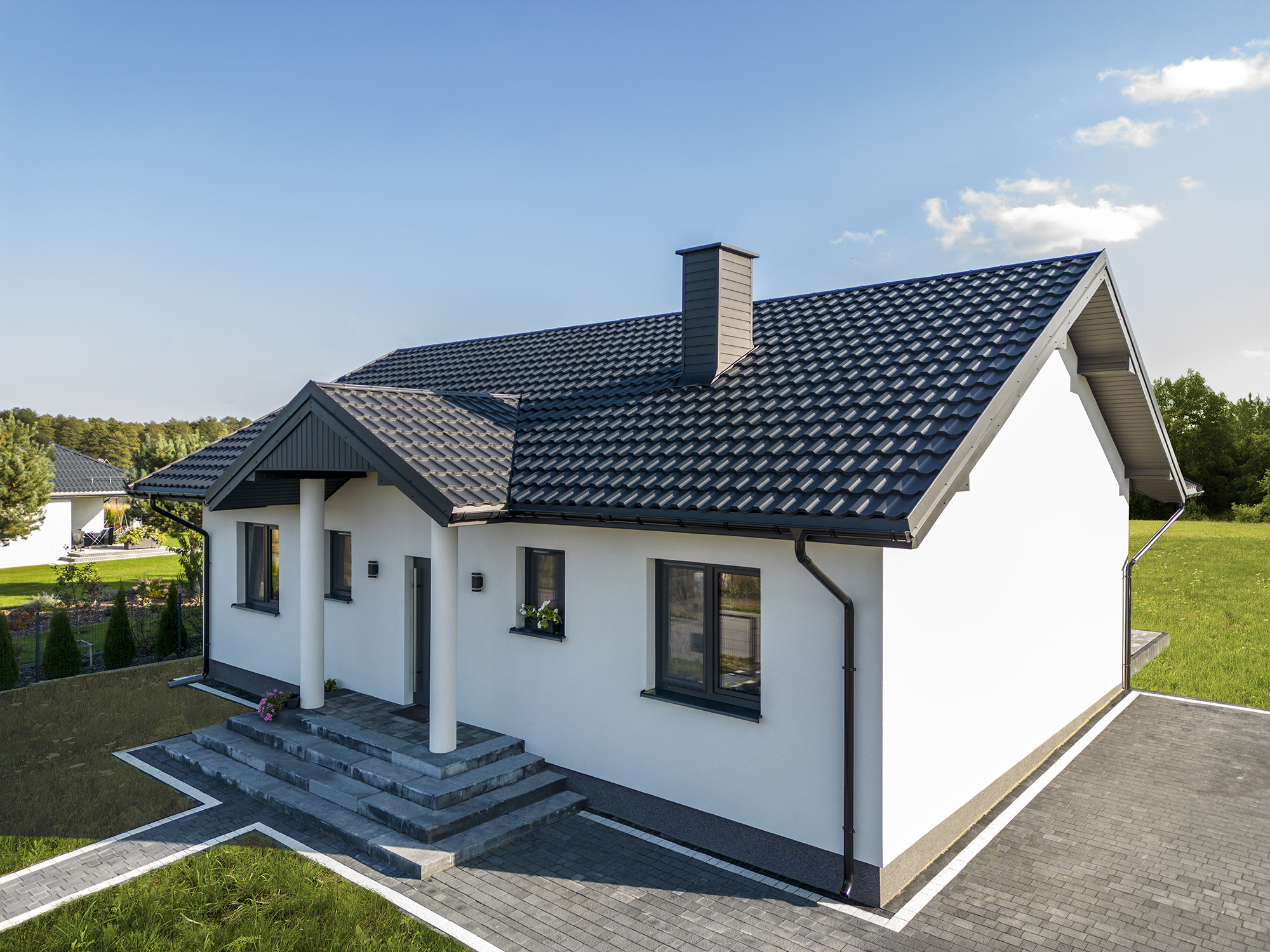
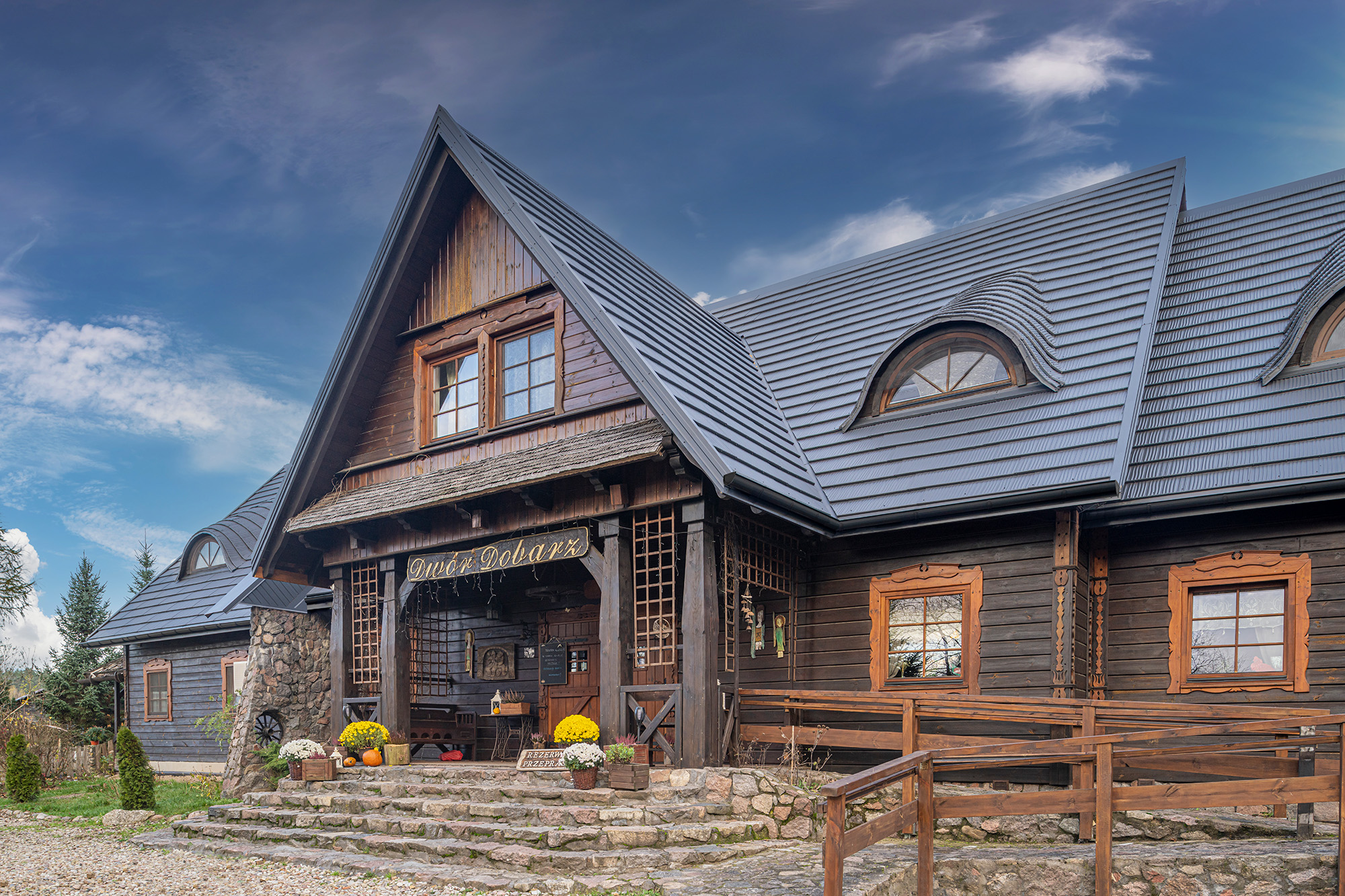
This is directly related to its light weight. In the case of old roofs, the roof trusses of renovated houses are often already somewhat worn down by time. Therefore, it is safer to use metal roof tiles, which weigh around 4.7 kg/m², rather than ceramic roof tiles, which are nearly ten times heavier. However, it’s always a good idea to have a specialist inspect the condition of the roof truss and confirm whether it requires renovation or replacement after all. In such cases, the safety of the building’s residents or employees, as well as the installation crew, is always the top priority. In most situations, however, the condition of the structure allows for the use of metal roof tiles without major issues, whereas the use of ceramic roof tiles would no longer be possible.
Can I use an angle grinder to cut sheets?
Modern roof coverings preclude the use of angle grinders for cutting. Using this method to cut the material will void the Warranty.
An angle grinder generates a great deal of heat during operation and cutting, which in turn damages the edges of the sheet metal as well as its protective coating. Additionally, the metal shavings produced during operation become embedded in the sheet metal’s surface, creating potential corrosion sites.
The proper way to cut sheet metal is to use automatic nibblers or hand shears. These tools use mechanical force to cut the sheet metal without exposing it to extreme temperature fluctuations. Additionally, it’s worth remembering that after cutting, it’s a good idea to protect the cut edges with a dedicated protective varnish or special paint.
W jaki sposób zabezpieczyć drobne uszkodzenia powłoki blachodachówki, które powstały przy montażu?
Most of the roof coverings in the Blachy Pruszyński Company’s product line offer a selection of specialized coatings using protective finishes. These are technologically advanced and modern materials that are applied to our products under special conditions. They are available in several variants, ensuring not only exceptional durability (covered by a Warranty) but also unique and interesting aesthetic effects for roof coverings. They are subject to very strict requirements and are under constant supervision through laboratory testing.
However, minor damage to the coating may sometimes occur during installation work. If the damage is not significant or is not located in a critical area of the roof, touch-up paints can be used to repair it. They provide a relatively easy way to protect the damaged area from external factors. This solution is often very cost-effective, as it does not require replacing the entire element—which would involve removing the old section and performing assembly with a new one. If you have any doubts about whether this solution is suitable for a specific case, we encourage you to contact our specialists or one of our partners who offer our products.
How can I advertise a product? Where can I find more information?
Complaints should be filed at the wholesale store where the purchase was made. If the wholesale store in question has closed (is no longer in business), the completed complaint form should be sent directly to Pruszyński Company at the following address: pruszynski@pruszynski.com.pl
A complaint form is available in the "Downloads / Forms" section or directly here: COMPLAINT FORM