The roof of the future is a solution that combines protection with energy production and modern design. Today’s roof is no longer just the crowning element of a building—it has become an active part of the structure that generates energy, influences the building’s appearance, and supports the needs of the natural environment.
In this post, you’ll learn about the most common problems:
The “Knowledge Around the Roof” series is a practical guide to roof maintenance and renovation. The articles go beyond simply discussing material selection, offering solutions to real-world problems faced by homeowners. The series covers legal formalities, budget planning, and modern technologies such as Photovoltaics and energy efficiency. Safety is a key focus—from protection against storms and martens to roof access systems. The series is rounded out with advice on aesthetics and durability, ensuring thermal comfort for decades to come.
The article focuses on the concept of the roof of the future as an element that combines a protective function with energy production and modern design, noting that roof coverings have become an active part of a building, influencing both its energy efficiency and appearance; describes the changing role of the roof in contemporary architecture, where it fulfills technological and environmental functions in line with 2026 trends based on the integration of materials, technology, and conscious design; emphasizes the importance of roofing systems integrated with Photovoltaics, which allow for energy production directly from the roof and increase the energy independence of buildings, and the report as a whole demonstrates that a comprehensive approach encompassing design, technology selection, and integration enables the full realization of the potential of the modern roof as a functional, aesthetic, and environmentally friendly element.
Until recently, a roof served primarily a protective function. Today, the roof is an integral part of the architectural design. It ensures safety, energy efficiency, and aesthetic appeal. Roofs are increasingly combining various functions—from protection to electricity generation.
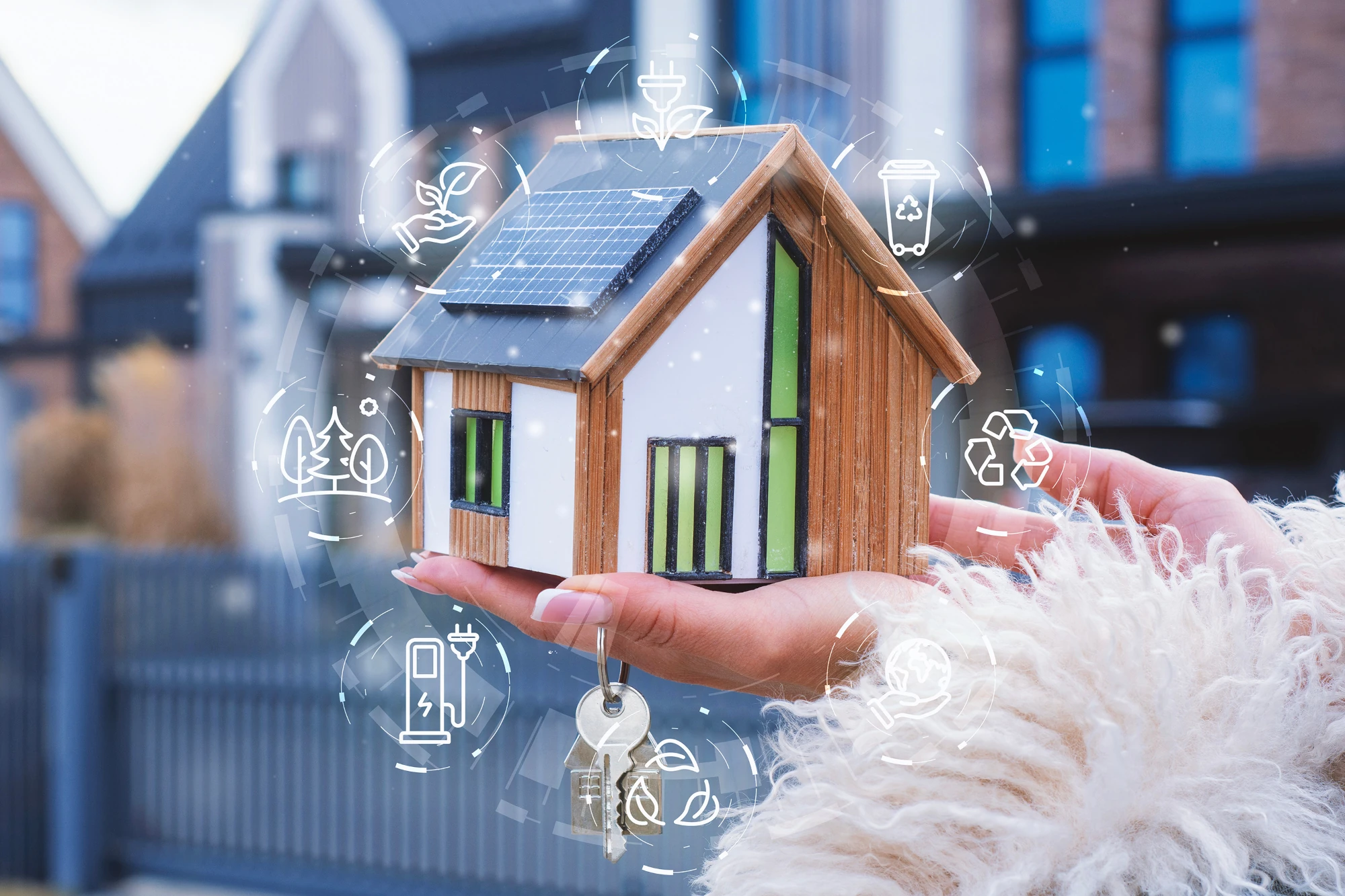
The roof of the future is also a response to the growing demands associated with minimizing the carbon footprint. By using technologies such as solar roofs and photovoltaic systems, it is possible to create sustainable infrastructure.
The role of the roof in modern construction is clearly expanding. It is no longer merely an element that protects against the elements, but an important part of the building’s overall system. It is an integral part of the building’s entire energy and thermal insulation system. A roof with an area of 100–150 m² (typical for a single-family home) can generate 10–15 kW of peak power, producing 10–12 MWh of energy annually.
First and foremost, the roof is increasingly responsible for a building’s energy efficiency. Photovoltaics integrated into the roof coverings allow electricity to be generated directly at the point of consumption, which eliminates transmission losses. For a single-family home, a 10-kW system can generate savings of 2,000–3,000 PLN per year (depending on electricity rates and consumption). The actual payback period is 8–12 years, and the lifespan of photovoltaic panels is 25–30 years.
At the same time, the importance of integration is growing. A modern roof is designed as a cohesive structural element that combines protective, energy-related, and aesthetic functions. Solutions such as the Solroof integrated panel system eliminate the need to install additional systems, which simplifies both the design and subsequent use.
The role of the roof in architecture is also changing. Increasingly, the roof determines the visual character of the entire building. Traditional photovoltaic panels were a visible element, attached to the roof with metal frames. Modern BIPV solutions (including photovoltaic panels that mimic the appearance of traditional roofing materials—such as slate or wood) allow for seamless integration. Contemporary architectural designs emphasize simplicity of form, consistency of materials, and timeless design—and the BIPV roof is becoming a key element of this concept.
Environmental issues are also significant. Roofs must support the EU’s carbon neutrality goals (by 2050). In practice, this means using durable materials sourced responsibly and technologies with a low carbon footprint during production. Modern photovoltaic panels have an energy payback time (EPBT) of 2–4 years—meaning that within 2–4 years of operation, the panel generates as much energy as was used to produce it.
As a result, the roof is no longer merely the crowning element of a building, but becomes an active and multifunctional part of it. Contemporary technologies offer nearly unlimited design possibilities.
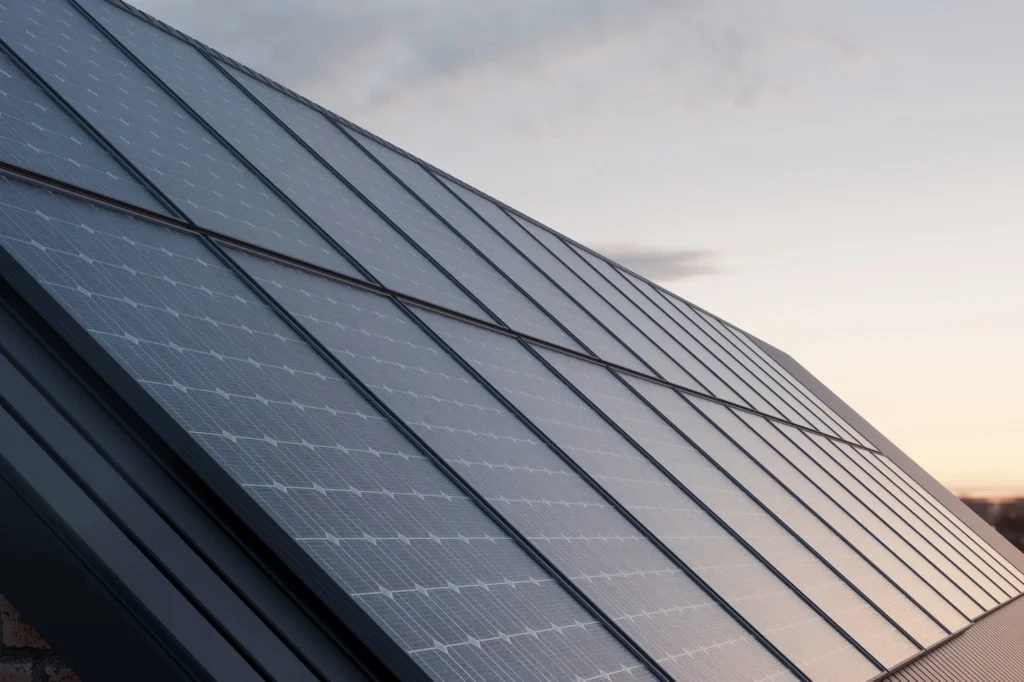
In 2026, roofs are increasingly viewed as a complete system. An integrated roof combines the roofing material with a photovoltaic system, eliminating the need for multiple independent solutions.
The Solroof system and the Solroof photovoltaic roof are examples of the integration of technology and aesthetics. The Solroof system simplifies assembly and ensures consistency across all components. Thanks to the Solroof system, users gain easier control over the installation.
A modern roof must combine durability with aesthetics. Its appearance and timeless design are becoming increasingly important.
Solutions based on metal panels create a minimalist look without visible mounting hardware. Modern systems integrated into the roof coverings demonstrate that it is possible to combine a cohesive aesthetic with energy production.
Unlike traditional installations, a solar roof eliminates visible mounting structures and replaces heavy photovoltaic panels with integrated modules.
In modern construction, the roof serves as a source of energy. Photovoltaic panels and FIT photovoltaic panels are designed as an integral part of the roof covering.
As a result, a photovoltaic roof can power the building and support the infrastructure for electric vehicles. Integrated roofing systems, which combine the functions of roof coverings and electricity generation, are becoming increasingly popular. These solutions create a uniform, aesthetically pleasing roof surface, eliminating the need for additional photovoltaic panel assembly. As a result, the roof becomes an active part of the building, contributing to its energy efficiency.
In addition, using the mobile app, users can monitor energy production and optimize the system’s performance.
One of the key trends is the reduction in project completion time. Roofs are built faster thanks to solutions such as modular “fit” roof panels, modular panels, and systems based on modular roof panels. Thanks to a comprehensive package, these solutions enable quick installation and minimize installation errors.
This modern solution also eliminates the need to identify contractors responsible for the various stages of the work. The roof is constructed as a single system, which simplifies the construction process.
A modern roof must meet high quality and environmental standards. The use of materials with a lower carbon footprint and high-quality components makes it possible to create durable solutions that are environmentally friendly.
The roof of the future supports the goal of achieving zero-emission buildings.
The use of advanced system components and modern energy management technologies increases the system’s efficiency and improves its performance over the long term.
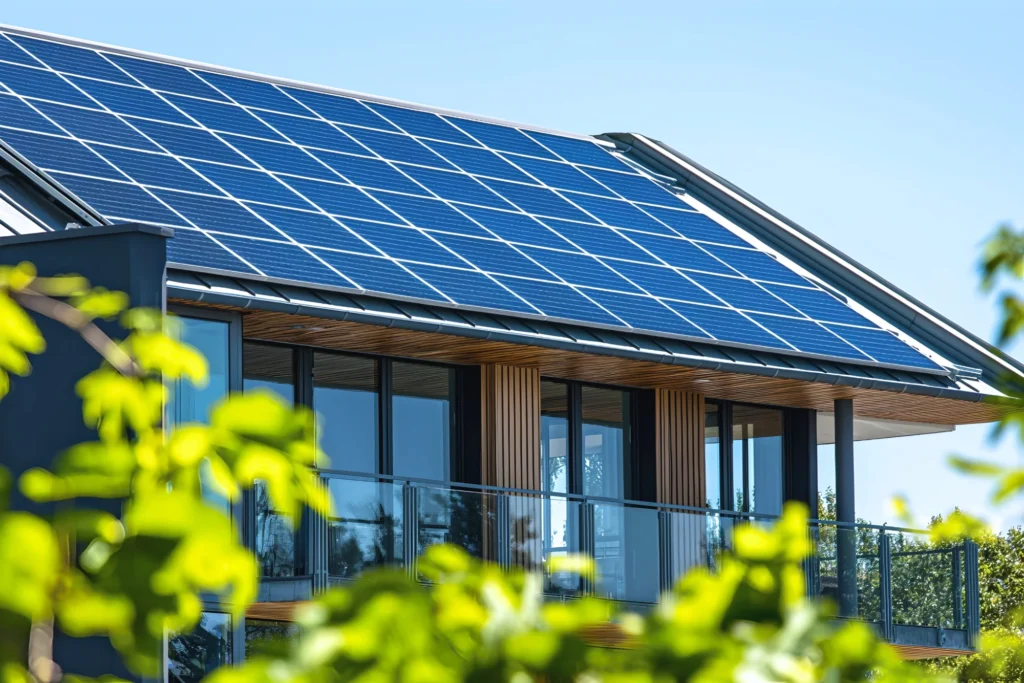
Contemporary architecture is more than just aesthetics—it is a pursuit of complete autonomy and harmony with nature. Blachy Pruszyński Company rises to these challenges by offering systems based on proprietary structural solutions that redefine traditional roofing. Our systems, supported by innovative technology, enable a seamless transition to green energy while ensuring the highest levels of airtightness and structural durability.
When you decide to modernize, you receive a comprehensive package of benefits. The right roof covering can serve as the foundation for a building’s thermal modernization, having a tangible impact on its energy balance. We support our clients through every stage of the project—from precise design to the final assembly of components integrated with photovoltaic technology. It’s not just a roof. It’s your home’s smart shield, working to secure its future.
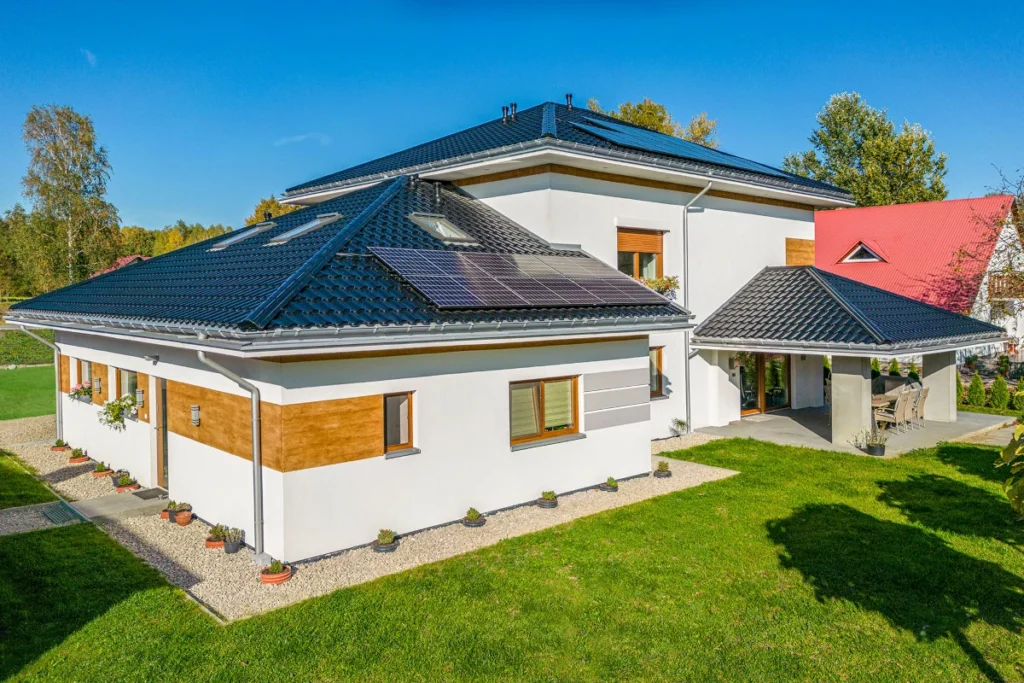
The roof influences the proportions of the building and how it is perceived within its surroundings. […]
Read moreStanding-seam roof panels combine modern design with exceptional functionality. Their elegant appearance, high watertightness, and durability […]
Read moreW obliczu zaostrzenia norm środowiskowych i rosnących oczekiwań inwestorów, wybór pokrycia dachu nabiera nowego znaczenia. Pokrycia […]
Read moreJeszcze nie tak dawno rynny były traktowane jak zło konieczne. Kojarzyły się wyłącznie z problemami, takimi […]
Read moreKrycie dachów blachą na rąbek stojący to jedna z najstarszych technologii stosowanych w budownictwie. Jednak ręczne […]
Read moreMinimalism is still in fashion. And it’s not just about interior design. This trend has also […]
Read more