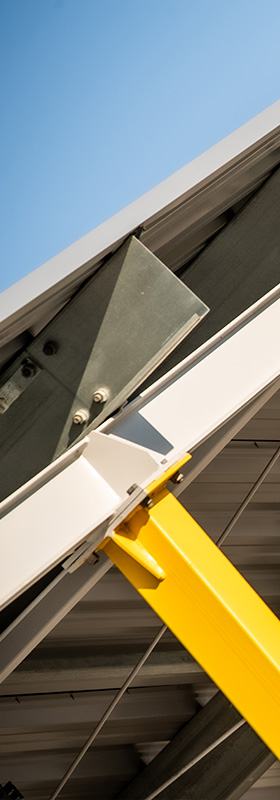
Poland is divided into three wind-prone zones. Which zone a given area belongs to depends on the intensity of the winds occurring there. The southern and southwestern parts of the country are most at risk, but unexpected severe weather events also occur in other regions, causing extensive damage to buildings. For this reason, it is important to ensure robust protection for the roof coverings and roof structure, tailored to the specific needs of each building. Flashings are helpful in this regard, as they also protect against other weather conditions and enhance the appearance of the roof.
In this post, you’ll learn about:
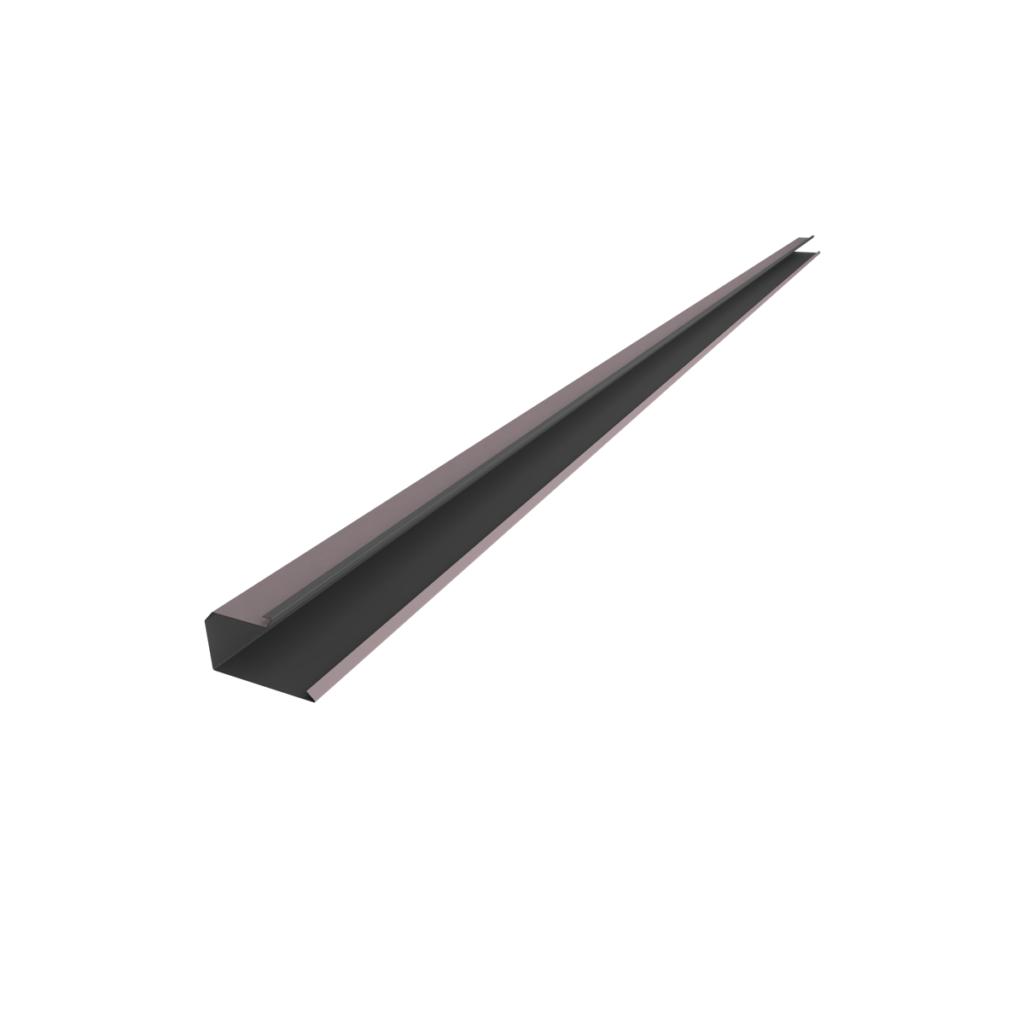
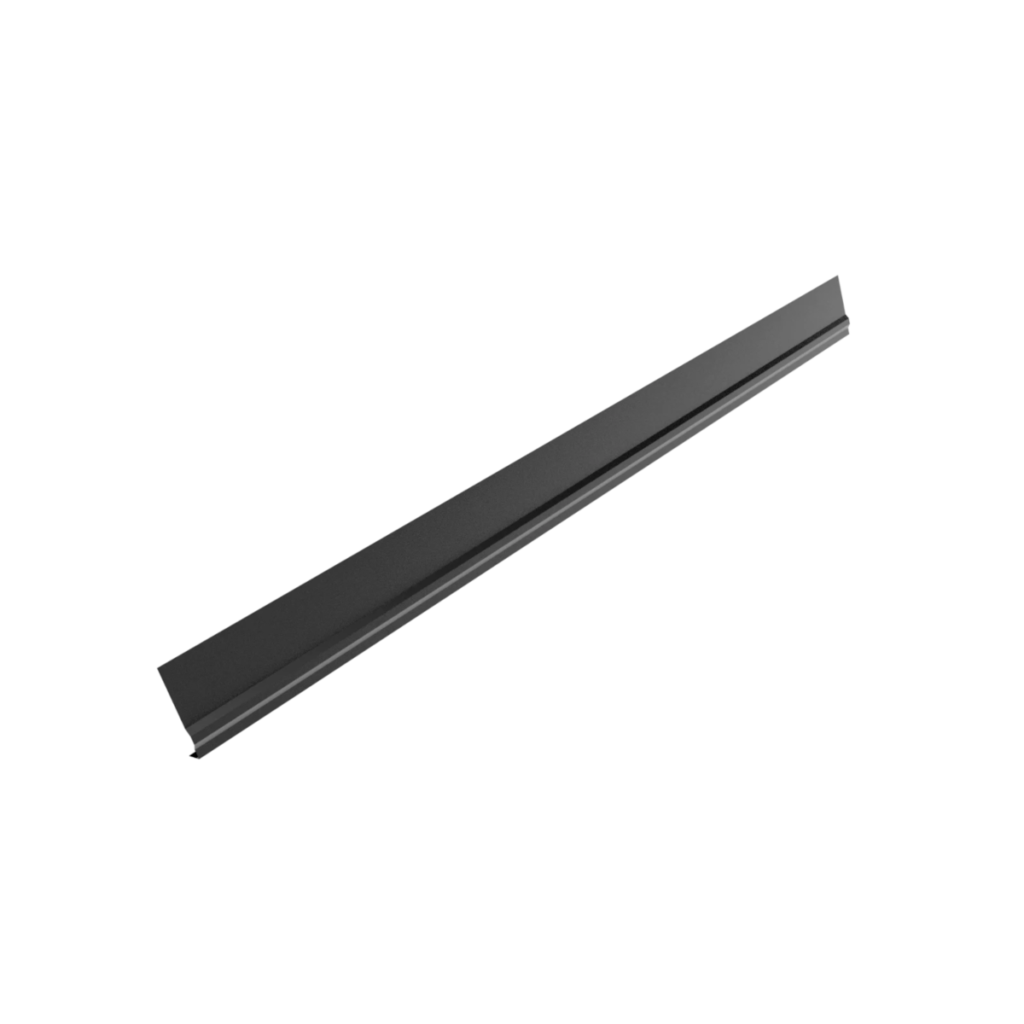
Flashings are flat metal components whose primary function is to protect all layers of the roof (and sometimes the facades as well) from harsh weather conditions, including rain, snow, and wind. They also serve an aesthetic function, ensuring that the roof and exterior walls look their best. Flashings are shaped to fit specific areas, thereby providing effective protection and always ensuring the building’s durability and longevity. They are used in all concave and convex areas, as well as around roof windows, chimneys, and dormers.
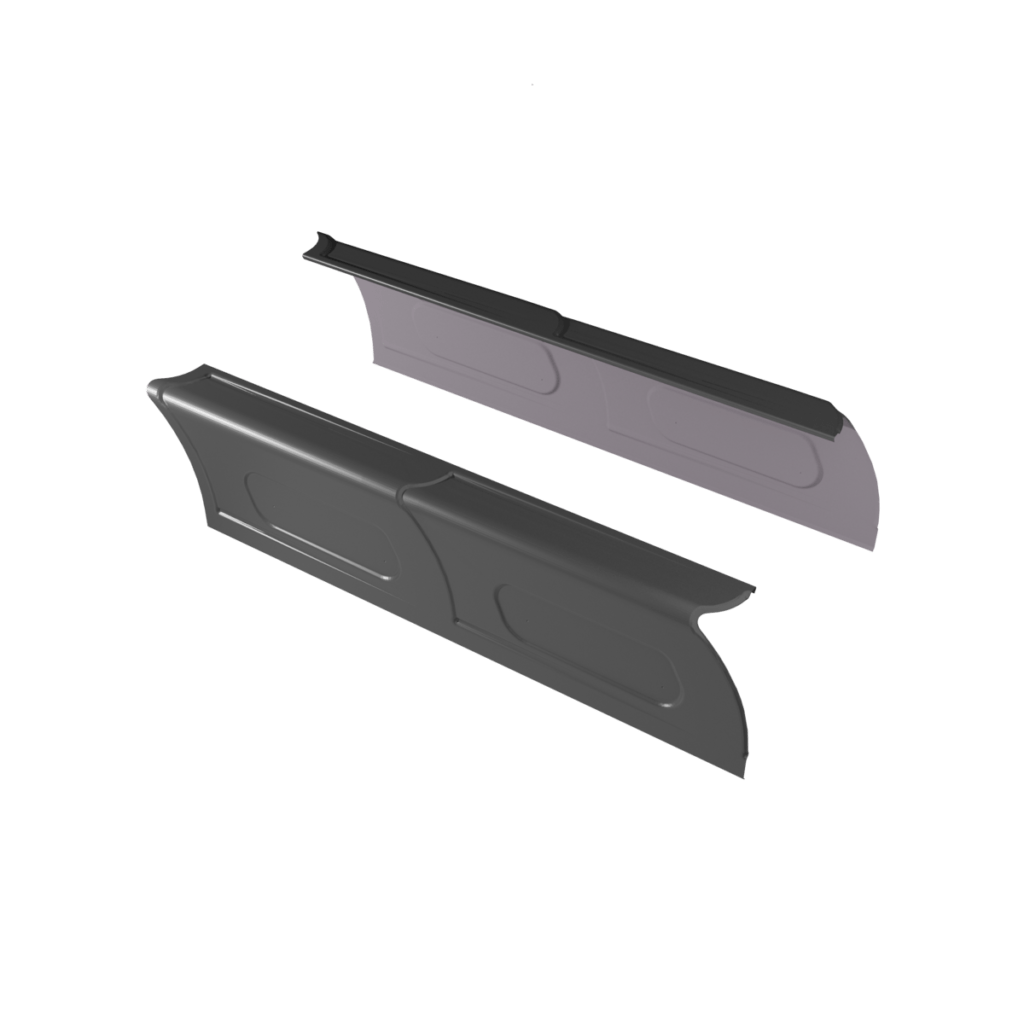
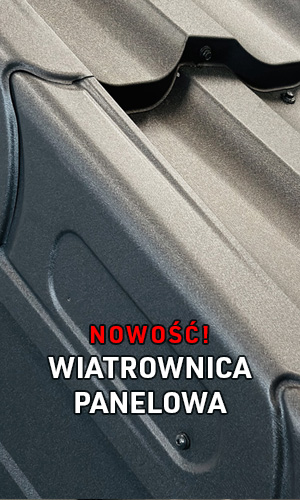
Every roof is exposed to damaging weather conditions, including very strong gusts of wind. Barge flashings— also known as wind guards or gable flashings—are used to protect the roof structure from this destructive force. They prevent the roofing material from being lifted by the wind. They also effectively keep out rainwater and snow. Additionally, they facilitate the assembly of other flashings. Although barge flashings primarily serve a protective function, they are visible elements, so if chosen poorly, they can ruin the appearance of even the best-installed roof covering. To ensure a durable and aesthetically pleasing roof covering, as well as to make the roofer’s job easier, reputable manufacturers—such as Blachy Pruszyński Company—offer ready-made barge flashing. They are available in many colours and coatings, and they also vary in size, shape, and intended use (for different types of roof coverings), so you can easily match them to your roof, ensuring the durability and watertightness of every joint.
Barge flashings are gable flashings and—as already mentioned—are designed to provide effective protection for the side edges of the roof, and thus for the roof structure itself, against the damaging effects of the elements, as well as to prevent the roofing material from being lifted by the wind. Barge flashings form the roof’s finish above the gable wall and are an essential element, as this is precisely where the roof is particularly vulnerable to being lifted by the wind and to rainwater blowing under the roofing material. Therefore, these flashings protect the roof from the damaging effects of wind coming from the gable end of the building.
Various techniques are used during assembly of barge flashing. Keep in mind that for structures with metal roofs, they are installed only after the roof coverings have been laid. Properly profiled sheet metal is fastened to the rafters or the ridge board of the roof structure using screws. However, both cement and ceramic roof tiles follow different rules. In these cases, the sheet metal flashings are installed before the roofing material is laid. As for roofs covered with asphalt shingles, assembly of the barge flashing should begin after the top layer of the roofing material has been laid. Barge flashinges are also installed under heat-weldable roofing felt.
It’s worth noting that, in addition to barge flashings, roof coverings also require the assembly of other flashings to protect them from rainwater, meltwater, and, of course, wind.
Flashings, although often unnoticed and neglected, are a very important finishing touch that determines not only the durability of the roof but also plays a crucial role in its aesthetics. This must not be forgotten! Metal flashings can also be fabricated on-site, but it’s important to remember to use the proper tools for cutting sheet metal—a nibbler or hand-held sheet metal cutting tools—and a bending machine for shaping. Cutting with an angle grinder is strictly prohibited!
Flashings not only protect the roof from strong winds but also effectively shield it from rainwater, meltwater, and snow—provided they are properly selected. When selecting them, the most important factor is choosing the right material. The most commonly used materials for flashings are galvanized steel, zinc, zinc-titanium, copper, and aluminum. The rule is this: the chosen material must not be less durable than the roof covering itself. In the past, flashings were fabricated directly on the construction site; fortunately, today roofing manufacturers offer ready-made solutions. It’s worth using the services of professionals to ensure that the best possible products are used and that they fit the roofing perfectly. The Blachy Pruszyński Company offers all the necessary accessories, available in various coatings and a wide range of colors. They are available in a standard length of 2 mb and are made of 0.5 mm thick sheet metal. The company can also produce custom-made flashings with varying specifications upon individual customer request. The maximum allowable length of a flashing is 6 meters, and the thickness of the sheet metal used can range from 0.5 to as much as 1.5 mm.
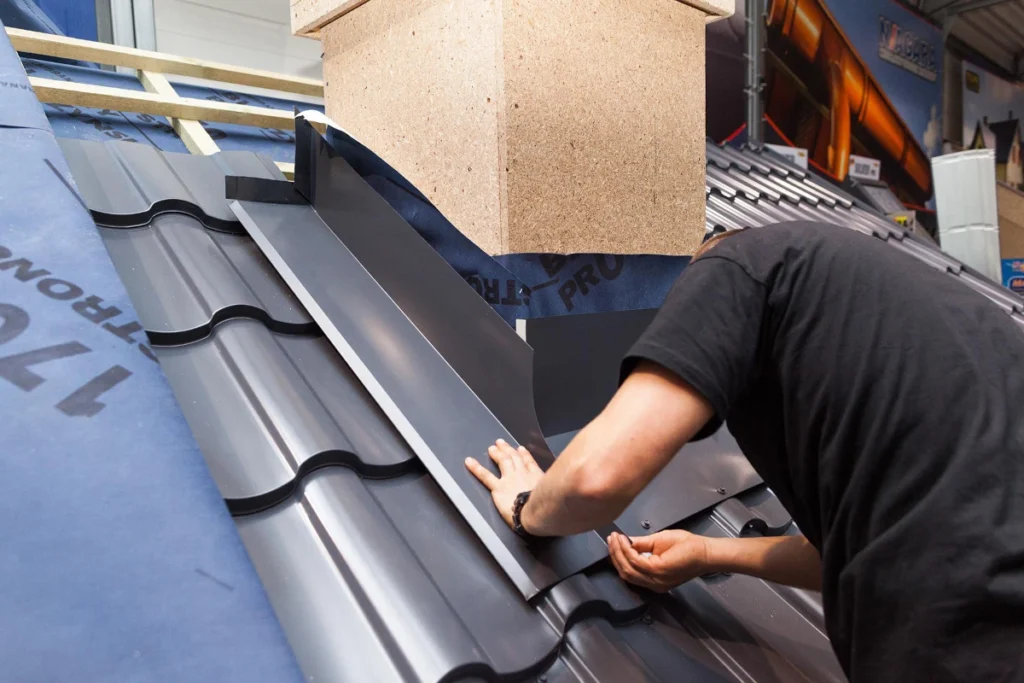
The absence of roof flashings means that the roof coverings—and thus the building—are inadequately protected from the outside. Rainwater that seeps under the roofing material poses a major threat to all layers of the roof, as it has no way to evaporate. Moisture can lead to the growth of mold and mildew, and even cause damp sections of the roof to freeze. Water beneath the roofing material also poses a high risk of leaks and moisture penetration into the building’s interior,and candamage both the wooden roof framing and the insulation layer. The absence of flashings can, of course, make the roof more susceptible to mechanical damage, such as from strong winds or hail. Furthermore, improperly protected metal roof components will corrode.
Contact our advisors via the contact form—we’ll help you choose the best solutions, perfectly tailored to your needs.
Znalezienie rzetelnej ekipy budowlanej jest sporym wyzwaniem. Warto za poszukiwania zabrać się minimum 2-3 miesiące przed […]
Read moreJak czyścić blachodachówkę Blachodachówka na dachach polskich domów jest spotykana najczęściej. Inwestorzy doceniają jej wysoką jakość, […]
Read moreWymiana starego pokrycia dachowego – na co warto zwrócić uwagę? Wymiana starego pokrycia to nie tylko […]
Read more