Choosing a roofer is one of the key decisions when building a house or renovating a roof—poorly executed roofing work can result in costly repairs, reduced durability of the roofing material, and Warranty issues. That’s why it’s important to know what criteria to consider and what questions to ask the contractor to ensure a thorough assessment of their competence and a decision that will serve you well in the future.
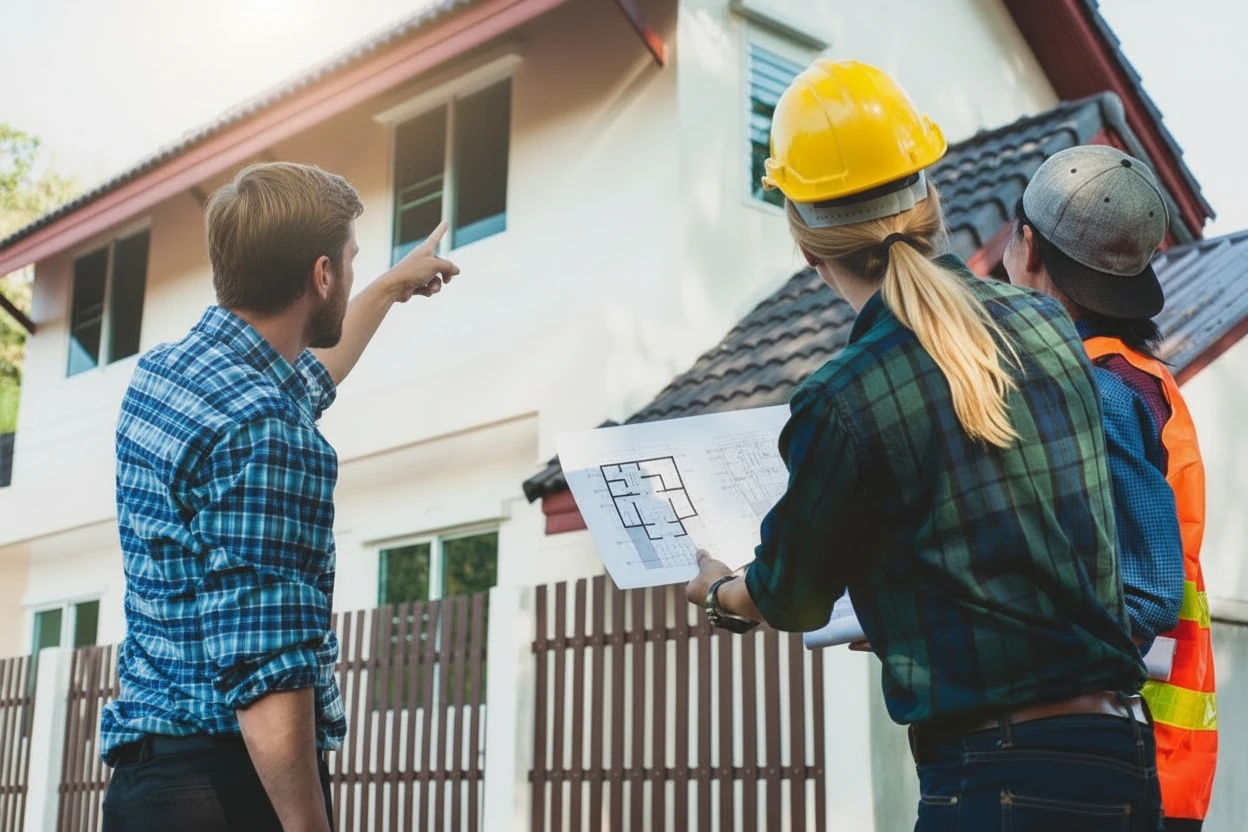
In this post, you’ll learn about the most common problems:
The “Investor’s Guide” series is a practical compendium of knowledge on the investor–contractor relationship. The articles guide readers through the entire construction process—from thorough preparation for the first meeting, through a detailed analysis of cost estimates, to a substantive technical inspection. The series clarifies the division of responsibilities on the construction site, defining the scope of a roofer’s work and the standards for project documentation. Effective communication is key—the guide teaches you how to ask the right questions at every stage of the project to avoid misunderstandings and unforeseen expenses. Together, this guide enables you to build a roof based on mutual trust, clear guidelines, and the highest quality of workmanship.
The article explains how to choose a roofer carefully before signing a contract to avoid costly mistakes, repairs, and problems with the roof’s durability —it emphasizes that it’s not just the price that matters, but above all the contractor’s competence, experience, and communication style right from the initial contact; it guides the reader from how to start looking for a professional, through 10 specific questions that help verify their reliability (including questions about past projects, materials, Warranty, and quote details), all the way to practical tips on how to evaluate the answers and spot so-called “red flags”—that is, warning signs indicating the risks of working with them; it also highlights what to watch out for before signing a contract, how to read a cost estimate, and where ambiguities most often arise, leading to a simple conclusion: choosing the right roofer from the start means less stress and lower costs throughout the project.
When looking for a roofer, it’s best to consult several reliable sources at the same time, as this allows you to compare contractors. Choosing a contractor at random increases the risk of problems during the construction and use of the roof, which is why it’s especially important to check their experience and areas of expertise in advance.
A good place to start is with recommendations from investors who have already completed the construction of a house or a roof renovation. The opinions of people who can show you the finished project and share their practical experiences are much more reliable than random comments on the internet.
If possible, it’s a good idea to look at roofs previously installed by the roofer you’ve chosen. This allows you to assess the quality of the materials used and the care taken in the roof’s construction. While you’re at it, you can ask about the roofer’s past projects: whether they stuck to the schedule, how they handled changes to the design, and whether they perform follow-up inspections after the work is completed.
Recommendations like these also give you the opportunity to get to know a roofer “from a practical perspective”—their professionalism, work organization, and communication style. Thanks to them, you can better anticipate how the roof construction process will go for your building and avoid potential problems in the future.
When looking for a roofer, it’s a good idea to check industry organizations related to roofing. Membership in such associations often means participation in training programs, access to up-to-date technical knowledge, and certification of qualifications. This is a sign that the roofer takes their work seriously and is committed to developing their skills.
In Poland, one of the most well-known organizations is the Polish Roofers’ Association, which brings together contractors, conducts technical training, and organizes exams to certify skills. Roofers who are members of the association work in accordance with current technical guidelines.
It is also worth noting membership in local craft guilds operating within the Polish Craft Association. In many cities, there are construction or roofing guilds that bring together professionals with formal vocational training. Membership in such a guild often requires passing a journeyman’s or master’s exam and adhering to craft standards.
Although membership in a trade association is not mandatory, it can facilitate the verification of a contractor and increase confidence that the work will be performed in accordance with technical guidelines.
Another source of information can be roofing manufacturers. Companies that offer roofing systems—including metal roof tiles, clay roof tiles, and gutters—often maintain lists of certified installation crews. These contractors are familiar with the technical requirements and assembly guidelines for specific materials, which is important for the roof’s durability and for maintaining the Warranty.
Local roofing material wholesalers are also a good place to find contacts. Salespeople work with many crews and can often recommend reliable contractors. In addition, a roofer who regularly buys products from a single wholesaler usually has experience working with various roofing systems and is familiar with practical solutions used during assembly.
Company websites where roofers showcase their completed roofing projects are also helpful. Photos of completed roofs, descriptions of the work, and information about the materials used allow you to assess the quality of workmanship and the scope of services. It’s worth noting whether the completed projects are diverse and include different types of roofs.
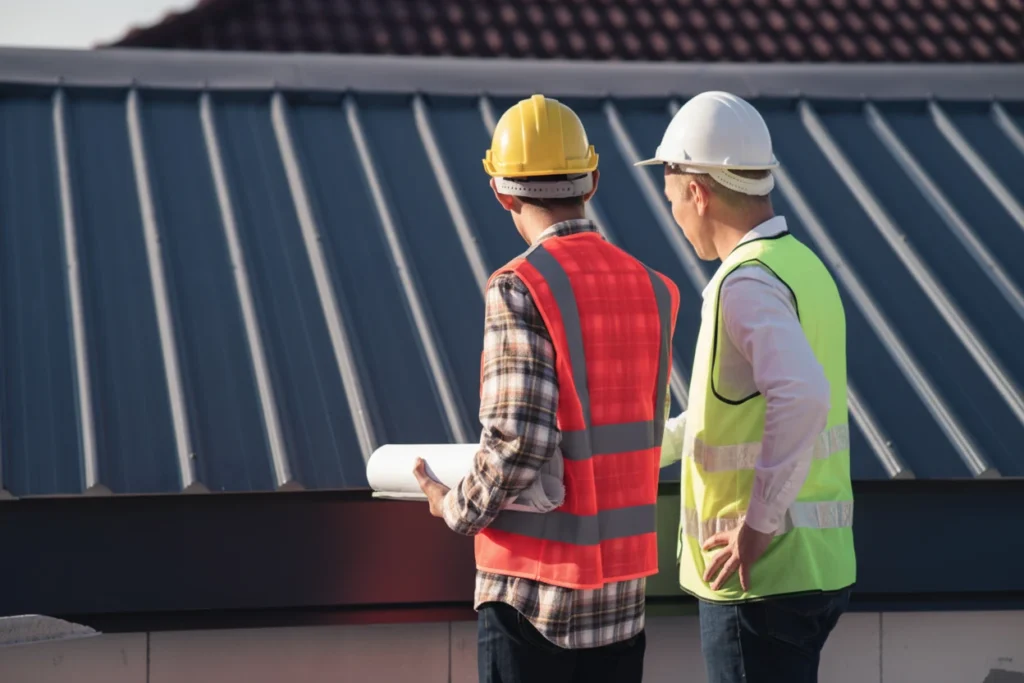
The list of questions should be practical and cover both the organization of the work and the quality of execution. The answers allow for an accurate assessment of the contractor’s competence, approach to the project, and knowledge of the technology.
This question helps you assess whether the roofer has performed similar jobs and is familiar with the specifics of the project—including the type of roofing material, flashings, and gutter assembly. It’s worth asking about specific projects, such as how many roofs larger than 200 m² they’ve completed in the last 2–3 years and whether those projects were of a similar level of complexity. Practical experience with larger roofs is crucial—for areas of 200 m² or more, the risk of installation errors increases, and the logistics of the work (joints, expansion joints, water drainage) require greater precision and organization. This is particularly important for roofs with unusual shapes or complex structures.
Reviewing previous work allows for a realistic assessment of the quality of workmanship, attention to detail, and consistency in work standards. It’s worth asking not only for photos but also for specific examples of completed projects—preferably from the last 2–3 years—along with information about the scope of work (e.g., roofing, flashings, gutter system). It’s also good practice to ask for contact information for 1–2 clients or the opportunity to inspect a roof in person. This allows you to verify how the work holds up over time—whether any issues have arisen with waterproofing, aesthetics, or water drainage.
It’s worth asking whether the offer includes a full range of services—roofing installation, flashings, gutters, as well as post-installation inspections and advice on selecting materials. Clearly defining the scope of services simplifies billing later on and helps avoid misunderstandings.
The answers demonstrate the roofer’s expertise and knowledge of roofing technologies. A professional contractor can explain the advantages of various materials—such as metal roof tiles or ceramic roof tiles—and recommend solutions suited to the local weather conditions and the building’s structure.
The answer gives you an idea of the roofer’s professionalism—having the right tools affects the quality of the work, safety, and durability of the finished product, especially on complex roofs.
It’s worth familiarizing yourself with the plan and the individual stages of the work. This allows you to estimate the completion time, assess the feasibility of the tasks, and anticipate any potential delays caused by weather conditions, as well as payment schedules, including advance payments and final payments.
Roofs are particularly vulnerable to the elements. A roofer who plans a flexible schedule and takes the weather into account minimizes the risk of damage to the roofing or the need for additional repairs.
One of the most important questions. Signing a contract is necessary to clearly define the scope of work, the materials to be used, the schedule, the Warranty terms, and the payment terms. Without a contract, it is difficult to assert your rights in the event of defective work or the need for corrections.
A good roofer looks out for the future of the project and plans for maintenance and periodic inspections. These are necessary to detect any potential defects in a timely manner and ensure the roof’s long-term durability.
It’s important to know the warranty period and exactly what it covers—both in terms of materials and workmanship. Having this information helps you avoid unpleasant surprises if problems arise.
A list of questions prepared in this way allows you to gain a thorough understanding of the roofer’s approach and assess his or her competence. It’s worth asking for details on each point—a qualified roofer isn’t afraid of questions, and their answers demonstrate not only technical knowledge but also practical experience in the trade and professionalism in organizing their work.
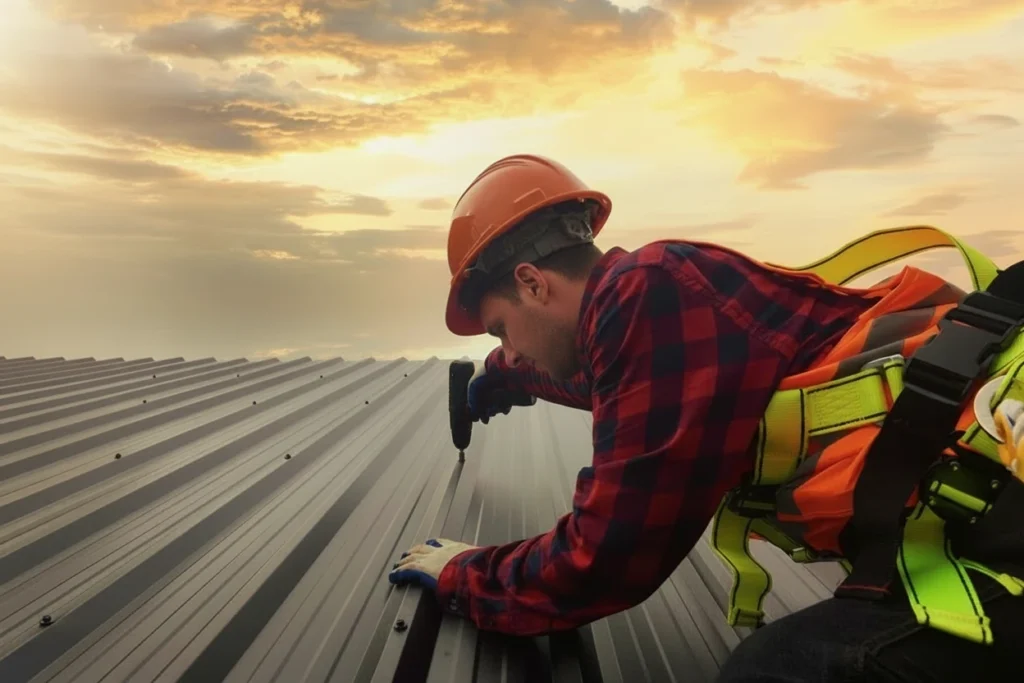
When evaluating a professional, you should consider several factors. Some of these steps allow you to verify the roofer’s practical experience, and it’s best to do this before signing the contract. It’s worth considering:
It’s also important to review the projects the contractor has completed. You can also conduct a practical knowledge test—ask about the details. Answers should be specific, not general—a competent roofer does not shy away from technical aspects and can demonstrate the experience gained in the profession. Furthermore, it is important to assess qualifications based on certificates, documents confirming training, and participation in industry-specific courses. Be sure to verify that the company has liability insurance—in the event of damage, the building will be covered.
Before signing any documents, it is advisable to thoroughly review the scope of services and the terms of the agreement. The contract should clearly identify the parties to the agreement—who is the investor and who is the contractor—as well as the following details:
It is important to pay close attention to the specific terms of the agreement—the absence of clear provisions may make it difficult to pursue claims or file a complaint. The agreement should not only specify the quality of workmanship and the components of the roofing, but also clearly identify the parties and their obligations.

During the first contact, you may notice some warning signs:
Such signals can help protect investors from problems.
When choosing a contractor, you should consider both cost and quality of service. The roofer is responsible for the roof’s durability, which is why their experience and expertise are particularly important. It’s worth noting that a reliable professional analyzes the design, selects materials, and takes site conditions into account.
Price shouldn’t be the only criterion. It is important to review the construction plan, obtain a Warranty, and ensure that follow-up inspections are possible. A responsible roofer provides expert advice and a reliable construction process, as well as clear procedures for payment based on the terms set forth in the contract.
Making an informed choice of contractor—based on asking the right questions—helps protect the investor from mistakes and ensures durable finishes. That’s why it’s worth taking the time to verify the contractor’s qualifications and thoroughly review their proposal—it’s an investment in the building’s safety for years to come.
A professional roofer should have documented experience in constructing various types of roofs—from simple gable roofs to complex designs with intricate geometry. It’s a good idea to ask for examples of projects similar to the one you’re planning. A reliable contractor will have no problem providing a photo portfolio and client references.
Yes—signing a contract is a key element of the collaboration. The document should precisely define the scope of work, the materials to be used, the project timeline, the Warranty terms, and the payment terms. The absence of a contract significantly hinders the enforcement of any claims and increases the risk of unforeseen costs.
The most important “red flags” include: a lack of project analysis, vague answers to technical questions, lack of documented experience, reluctance to sign a contract, lack of references, a suspiciously low quote without a detailed breakdown of materials, and a lack of technical advice and Warranty information. Such signs may indicate low-quality services.
The schedule depends on the size of the roof, its geometry, and weather conditions. It’s a good idea to ask the roofer about the planned completion date and how flexible the schedule is in case of bad weather. A professional contractor will factor in work stoppages and possible delays caused by weather conditions into the plan.
An experienced roofer can select the right materials—such as ceramic, concrete, or metal roof tiles—based on the building’s structure, local climate conditions, and the client’s budget. It is crucial to justify the choice of technology and materials. A lack of expert advice in this area should raise concerns.

The first meeting with a roofer largely determines how the project will proceed. Preparing thoroughly for […]
Read moreA well-prepared investor finds it easier to make decisions when choosing a roofer and reduces the […]
Read moreThe roof of the future is a solution that combines protection with energy production and modern […]
Read moreChoosing a roof covering is one of the most important decisions when building a house or […]
Read moreChoosing the right roofing metal sheets is crucial for the durability and aesthetic appeal that the […]
Read moreOne of the most common mistakes made during roof coverings installation is a lack of knowledge […]
Read moreThe roof influences the proportions of the building and how it is perceived within its surroundings. […]
Read more