High winds are one of the greatest stresses placed on a building’s roof. During strong winds, forces are generated that can lift the roofing material, weaken the structure, and lead to leaks. That is why it is so important for a roof to be well-designed and properly constructed. Regular maintenance of the entire roof is also essential. Proper assembly or renovation of the roof effectively protects it and reduces the risk of damage to the entire house.
In this post, you’ll learn about the most common problems:
The “Knowledge Around the Roof” series is a practical guide to roof maintenance and renovation. The articles go beyond simply discussing material selection, offering solutions to real-world problems faced by homeowners. The series covers legal formalities, budget planning, and modern technologies such as Photovoltaics and energy efficiency. Safety is a key focus—from protection against storms and martens to roof access systems. The series is rounded out with advice on aesthetics and durability, ensuring thermal comfort for decades to come.
This article focuses on preparing a roof to withstand strong winds, which pose one of the key threats to the durability of the roofing and the stability of the building structure. It explains the mechanisms by which wind forces can lift the roofing, leaks, and weakened fastenings, while also identifying the most common causes of damage, such as installation errors, improper material selection, or failure to comply with manufacturers’ guidelines. It discusses the principles of proper roof assembly and repair, with particular emphasis on protecting critical areas and selecting solutions resistant to wind loads, and emphasizes the importance of regular inspections and checks following storms. The report concludes that only a comprehensive approach—encompassing design, construction, and maintenance—can effectively reduce the risk of damage and increase a roof’s resilience to extreme weather conditions.
The air flowing around the building creates negative pressure that acts from beneath the roof covering. Minor damage and cracks appear first, followed by leaks and moisture in the ceiling and interior of the house. As a result, during strong storms, components may become dislodged, and the wind may begin to tear off roof tiles or deform metal roof tiles.
At wind speeds above 90–100 km/h, the loads can exceed 0.5 kN/m². If the fasteners are insufficient, the roofing material may even be torn from the roof framing.
The areas most at risk are those near chimneys, gutters, and the edges of the roof. That is where problems with waterproofing and water infiltration most often begin.
The manufacturer’s instructions are specific guidelines based on calculations. They specify how to arrange the fasteners on the roof, the type of materials to use, and the rules for assembly of the roofing.
In Poland, there are three wind load zones, so the number of fasteners must be adapted to the building’s location. More fastening points are used at the corners and along the edges of the roof surface than in the center of the roof. Failure to follow these guidelines reduces stability and increases the risk of damage during a storm.
Following these guidelines directly affects the durability, safety, and resilience of the roof.
The choice of materials is crucial to the durability of the roof. It’s not just the roofing material that matters, but the entire structure as well.
Roof tiles, especially ceramic ones, provide greater stability due to their weight. Metal roof tiles are lighter, so they require very careful assembly and secure fastenings.
An important component is the roof membrane, which protects the ceiling and attic from water, especially during heavy rainfall and when the roofing becomes compromised.
Durability is also influenced by bolts, screws, and carpentry joints, as well as wooden battens and the entire roof frame. These elements are ideal for transferring loads and ensuring the stability of the entire structure.
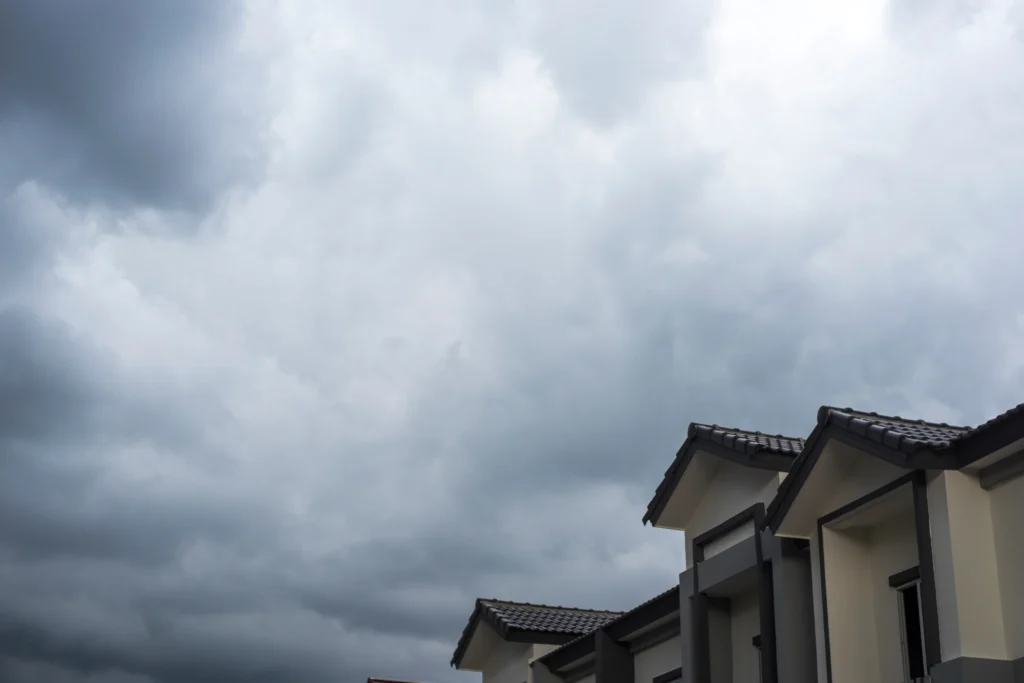
A roof’s resistance to strong winds depends not only on the roofing material itself, but also on the roof framing structure, the method of fastening the components, and the quality of the materials used during roof assembly or renovation. Each stage of the work requires planning and the application of specific technical solutions.
Before beginning roof repairs, carefully inspect the roof framing and the building’s structure. Strong winds generate significant stress, which can cause the rafters to warp and weaken the structure.
Practical solutions:
The choice of roof coverings affects the stability and safety of the entire roof. Heavier and smaller pieces are more resistant to being blown off than large sheets.
Practical tips:
Rafters ensure that the roof coverings are properly secured and that loads are distributed evenly. Improper placement of rafters increases the risk of roof tiles being blown off in strong winds.
Practical solutions:
Proper fastening is crucial for a roof’s resistance to high winds. Roof tiles and metal roof tiles require secure fastening with clips, brackets, and screws, which provide the best protection for the roof. For steep-sloped roofs, each tile should be fastened individually.
Practical solutions:
Additional fasteners for ridge tiles and over-gutter flashinges, along with a watertight installation of flashings, reduce the risk of leaks and increase the stability of the roof covering. It is advisable to use additional sealants at critical points.
During home renovations, exposed sections of the roof should be protected from rain and wind.
Practical solutions:
As early as the design phase, the roof should be tailored to the type of building and local weather conditions—this is a task for an experienced designer who will take into account all critical areas and potential loads. While the house is in use, special attention should be paid to any cracks or damage that may lead to leaks.
It’s best to entrust roof repairs to specialists who have experience replacing roof framing and roofing materials. In addition, using high-quality materials—such as roofing membrane, tape, screws, and sealants—significantly increases resistance to heavy rainfall and strong gusts of wind. If there is extensive damage, it may be necessary to replace the roof coverings or repair the roof framing. Homeowners should remember that regular maintenance and a quick response to the first signs of problems are key to keeping the roof in excellent condition for many years.
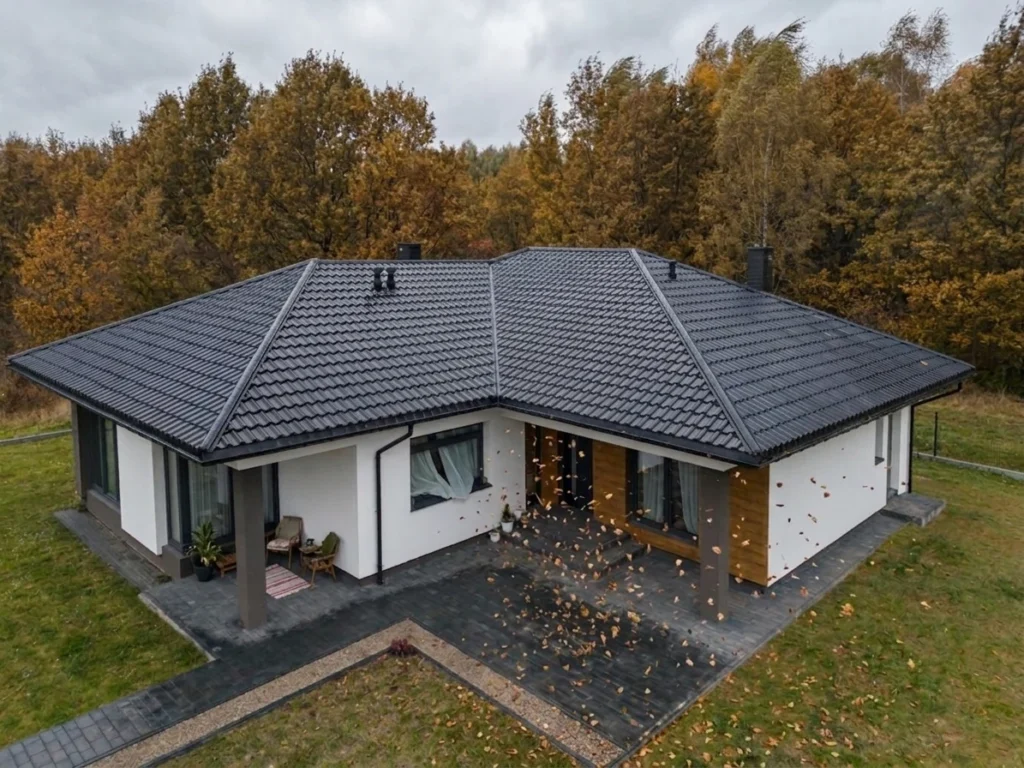
After a storm, it is essential to thoroughly inspect the condition of the roof, because even if there is no visible damage, there may be hidden damage that could lead to more serious problems over time.
The inspection should cover both the roofing and the associated components— gutters, Flashings, and the areas around chimneys—with particular attention to any displacement of components, cracks, and potential leaks caused by strong gusts of wind.
At the same time, the attic and ceiling should be inspected for moisture, as even slight traces of water may indicate damage to the roofing or pre-covering, and failure to respond promptly can lead to structural deterioration and higher repair costs.

One of the most common mistakes made during roof coverings installation is a lack of knowledge […]
Read moreWysokie temperatury oraz intensywne promieniowanie słoneczne wpływają na każdy dach, w tym także pokryty blachodachówką. I […]
Read moreDach jest jednym z najważniejszych elementów domu, który chroni wnętrza budynku przed wodą, wilgocią, zalegającym śniegiem, […]
Read moreBlachodachówka to jedno z najpopularniejszych pokryć dachowych w Polsce. Choć ceni się ją za estetykę, szybki […]
Read moreBlaszane pokrycia dachowe, takie jak blacha trapezowa czy blachodachówka, cieszą się dużą popularnością ze względu na […]
Read more