At first glance, a roof is simply a layer of covering that protects a house from rain, snow, and wind. In reality, it is a precisely engineered system of many components, involving several specialized trades. Where exactly does a roofer’s role begin and end in all of this—and who is responsible for key details such as the roof framing, flashings, or the assembly of roof windows?

In this post, you’ll learn about the most common problems:
The “Investor’s Guide” series is a practical compendium of knowledge on the investor–contractor relationship. The articles guide readers through the entire construction process—from thorough preparation for the first meeting, through a detailed analysis of cost estimates, to a substantive technical inspection. The series clarifies the division of responsibilities on the construction site, defining the scope of a roofer’s work and the standards for project documentation. Effective communication is key—the guide teaches how to ask the right questions at every stage of the project to avoid misunderstandings and unforeseen expenses. Together, this guide enables you to build a roof based on mutual trust, clear guidelines, and the highest quality of workmanship.
In this article , we outline the scope of a roofer’s work and explain where their responsibility ends and that of other trades begins, since a roofer “builds a roof” in the sense of installing the roofing material and protecting the building, but in practice, they are primarily responsible for the top layers and details, such as membranes, flashings, and sealants that ensure the system’s watertightness; they do not construct the roof framing—which is the carpenter’s job—nor do they select roof windows, though they are responsible for assembling and sealing them into the roof surface, which shows that a roof is built through the collaboration of several specialties, especially in more complex projects involving roof valleys, dormers, or roof penetrations, where a lack of coordination leads to errors and leaks; therefore, it is crucial to clearly define the scope of work as early as the planning stage, so that it is understood that the structure is the carpenter’s responsibility, the roofing and waterproofing are the roofer’s responsibility, and the roof windows are the supplier’s responsibility, with assembly carried out according to the client’s specifications, which reduces the risk of disputes and construction issues.
A roofer isn’t just someone who installs roofing— he’s a key specialist whose responsibilities include all aspects of roof finishing. In practice, their work begins once the roof framing structure is complete and ends only when the roof is fully watertight and prepared for changing weather conditions.
A roofer’s primary task is assembly of roof coverings—on both flat and sloped roofs. They work with various building materials, such as ceramic roof tiles, heat-weldable roofing felt, and metal roof tiles, selecting the appropriate assembly techniques based on the materials’ unique properties and the building’s design. Selecting the right materials and installing them properly is particularly important for the durability and functionality of the roof.
Equally important are the flashings, which protect areas particularly vulnerable to leaks—such as around chimneys, eaves, and roof valleys. The scope of work also includes the assembly of gutters and downspouts, which carry away rainwater and protect the structure from moisture. They ensure the durability of the entire structure.
Roofing services also include window assembly, which requires a thorough understanding of assembly techniques and the system’s compatibility with the roofing material. This is complemented by work related to the installation of roof accessories—such as ventilation chimneys and chimney ledges—which affect the safety and functionality of the roof.
Insulation, which protects the building from heat loss, is essential. In this regard, a roofer’s work includes installing membranes and thermal insulation layers in accordance with best construction practices. At a later stage, it is also important to maintain and repair the roof coverings, which includes fixing defects and inspecting the structure for any damage.
In the roofing trade, technical knowledge, familiarity with health and safety regulations, and the ability to work in varying weather conditions are essential. Roofers work at heights, so using the proper safety equipment and following safety protocols is absolutely critical to their safety.
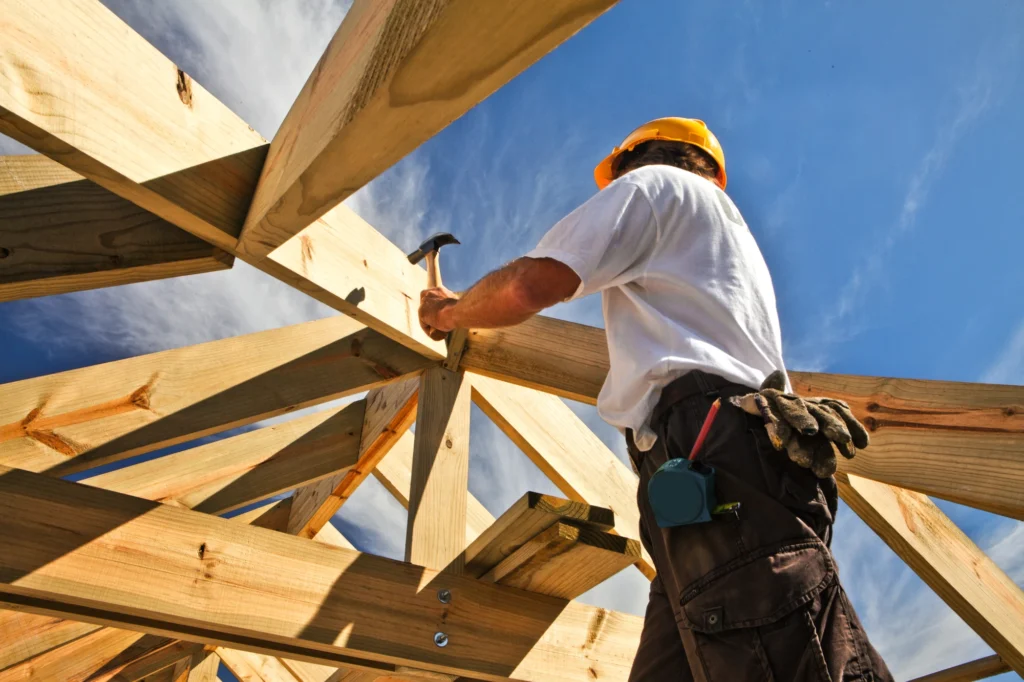
Although a roofer handles many aspects of roof construction, his or her responsibilities do not cover everything.
First and foremost, he is not responsible for constructing the roof—that is the carpenter’s job, who builds the roof framing according to the previously prepared plans.
Nor is it his responsibility to design the entire roof. The architect is responsible for structural solutions, the selection of materials, and their properties during the conceptual phase. Of course, a good roofer can provide expert advice, but formally, he is not responsible for the design.
The assembly of electrical systems or photovoltaic systems is not a roofer’s specialty. Although a roofer’s work often overlaps with other specialties in the construction industry, he or she is solely responsible for roof coverings and their proper functioning.
Roof construction is a multi-step process in which collaboration among specialists is of the utmost importance.
During the roof preparation phase, the roof structure is built—a task handled by a carpenter. This serves as the foundation for further roofing work.
Next, the roofer takes over the project and performs the assembly of roof coverings, gutters, and flashings. The roofer’s technical knowledge and manual skills are particularly important here, as they will determine the building’s final appearance.
When installing components such as snow guards or ventilation chimneys, coordination of the work is also necessary. Roofers are increasingly collaborating with renewable energy system installers, which demonstrates the wide range of collaboration that takes place under a single roof.
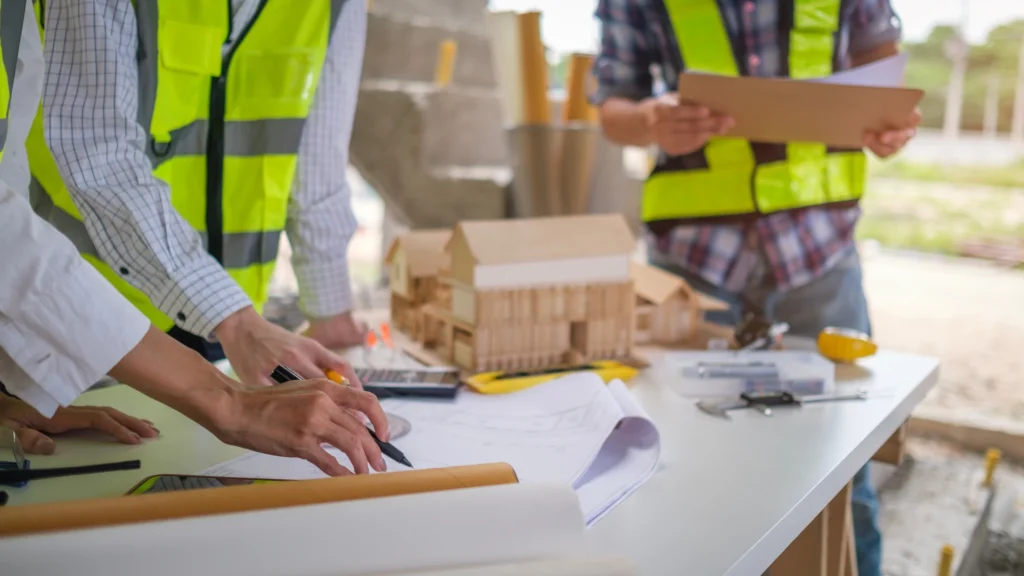
During the actual construction of roofs, conflicts often arise due to an unclear division of tasks among crews. Most often, disputes concern the sequence of work, the quality of materials used, or the coordination of activities among various specialists. For example, when a roofer cannot begin assembly of the roof coverings because the roof framing has not been properly prepared, delays and tensions arise on the construction site.
Another source of conflict is differences in the interpretation of the design or the assembly techniques used. Improper installation of flashings or inaccurate placement of ceramic roof tiles can lead to immediate disputes between roofers, carpenters, and the construction manager.
Problems with scheduling coordination also often arise—for example, when the assembly of gutters or roof windows conflicts with other work. A lack of coordination between crews can lead to delays and additional costs, which creates tension among contractors.
The most common conflicts stem from an unclear division of responsibility. When leaks or other problems arise, it is difficult to determine unequivocally whether the cause is a flaw in the roof’s construction or improper installation of the roof coverings.
Disputes also often involve aspects such as the assembly or installation of flashings and downspouts. Improper assembly can lead to structural damage and serious financial consequences.
To avoid these issues, it is essential to precisely define the scope of responsibilities for each crew at the contract stage. It is also crucial to hire an experienced roofer who has the appropriate qualifications obtained at a construction-focused school, knowledge of safety regulations, and practical experience working with various materials. Such contractors are members of the Polish Roofers’ Association, which has branches throughout Poland.
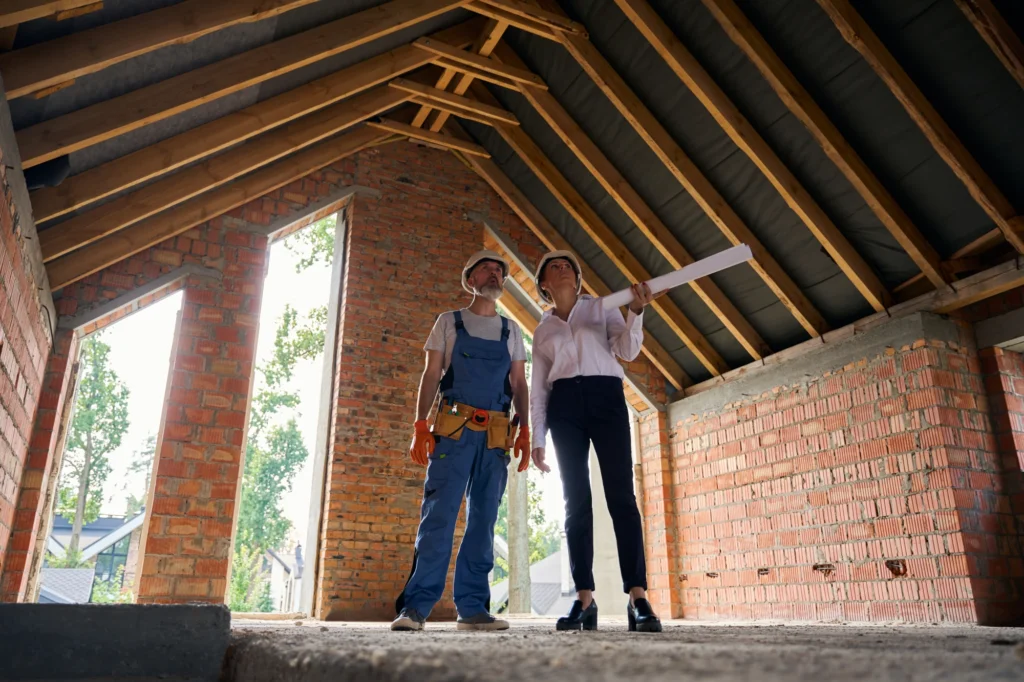
The division of roles in the construction process should be clear and unambiguous. The carpenter is responsible for the roof framing, the architect for the design, and the roofer handles the installation of roofing materials and subsequent roof maintenance.
It is good practice to prepare a work schedule that covers all stages—from the preparation of the roof structure, through the assembly of the roof coverings, to roof maintenance and service.
A professional roofer who offers comprehensive roofing services plays a crucial role in the final outcome of a project. Their work directly impacts the roof’s aesthetic appeal and its durability for years to come.
| Specialist | Scope of Responsibility | Typical Tasks |
|---|---|---|
| Architect | Design and Documentation | – Design of the roof and structure – Selection of roofing materials – Structural and load calculations – Preparation of technical schemes for contractors |
| Carpenter | Roof Support Structure | – Construction of roof framing (rafters, wall plates, purlins) – Assembly and fastening of wooden components – Wood preservation and moisture protection |
| By Collecting Points for Yourself – You Also Collect for Your Company! | Roof coverings and flashings | – Roof covering assembly (roof tiles, sheet metal, shingles) – Assembly of roofing membrane and battens – Assembly of flashings – Assembly of gutters and drainage components – Assembly of roof windows |
| Installer | Roof Installations | – Assembly of lightning protection systems – Assembly of photovoltaic panels |

When purchasing roof coverings and roofing services separately, the homeowner assumes greater responsibility for selecting materials […]
Read moreA roofing estimate is one of the most important documents during a roofing project—whether you’re building […]
Read moreChoosing a roofer is one of the key decisions when building a house or renovating a […]
Read moreThe first meeting with a roofer largely determines how the project will proceed. Preparing thoroughly for […]
Read moreA well-prepared investor finds it easier to make decisions when choosing a roofer and reduces the […]
Read more