Browse the page as: Customer
MENU
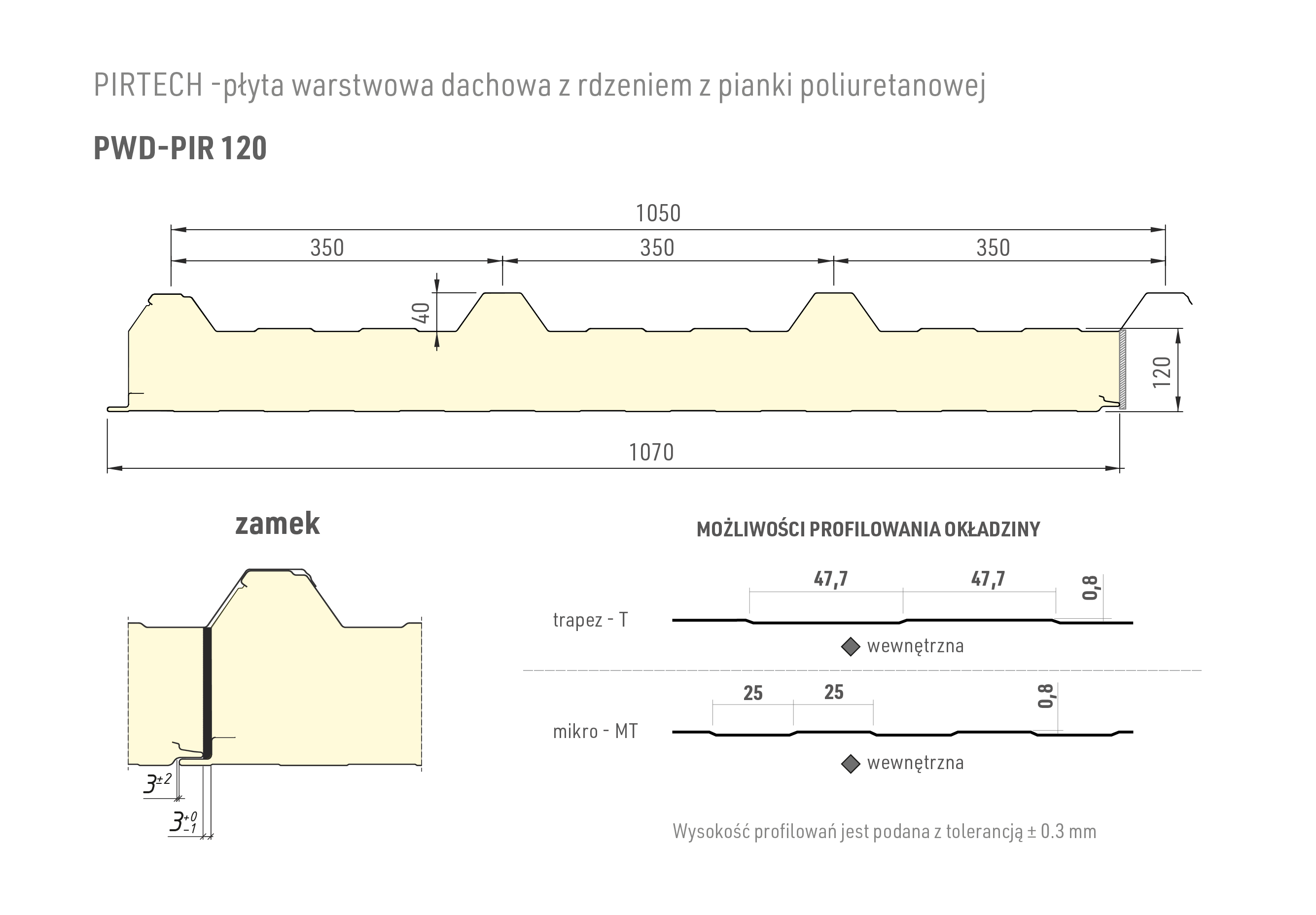
PWD-PIR-120 - Płyta warstwowa dachowa - pianka poliuretanowa - widoczne mocowanie

PWD -PIR -120 - ROOF Sandwich panel - Polyurethane foam - visible fastening

Product description

PIRTECH PLUS - PWS-PIR-PL-80 - plyta z ukrytym mocowaniem

Panel with visible fastening

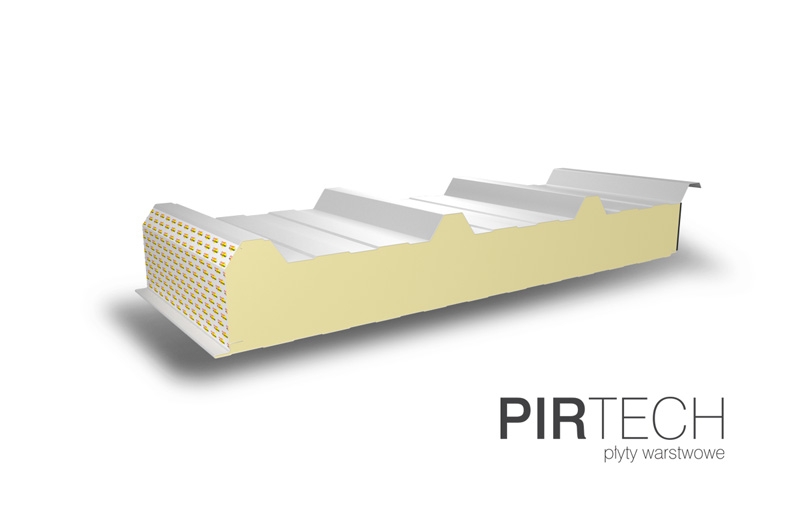
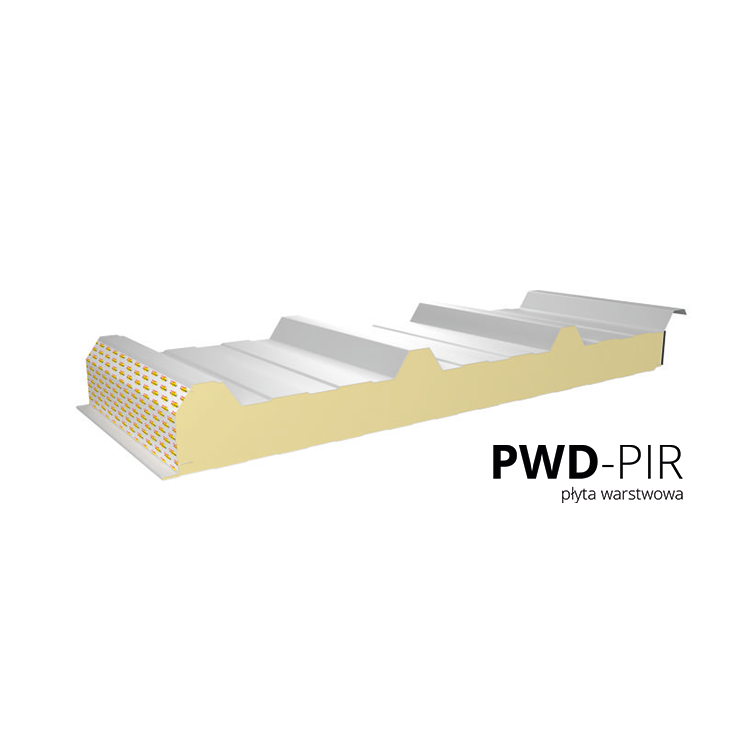
PIRTECH ROOK (visible mounting) boards with a maximum modular width of 1050 mm allow for simple and quick installation to various types of structures with the help of Kalotka and appropriate through fasteners.

The uniquely designed longitudinal contacts (locks) of the pen and wpust ensure very good tightness, fire resistance and quick assembly. The shape of the outer surface (trapezoidal profile) allows you to carry high loads as well as can be used in single -span and multi -span systems
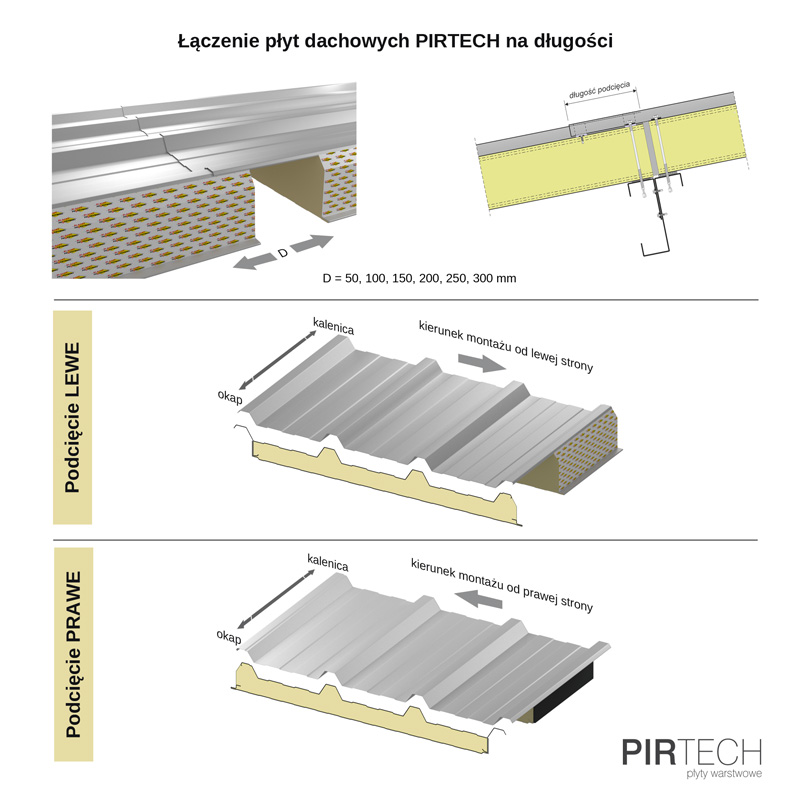
ŁĄCZENIE PŁYT DACHOWYCH PWD-PIR NA DŁUGOŚCI

When connecting roof slabs in length, it is necessary to cut the upper plate, i.e. the plate from the ridge side.
Pirtech roof plates can be produced with ready undercut in the range from mins 50 to max 300 mm.
Just choose the type of undercut (see Fig.), Which is determined by the direction of assembly:

  • Left undercut – assembly from the left
  • right undercut– assembly from the right

The undercut length can be: D = 50, 100, 150, 200, 250 and max 300 mm.

Note: The total length of the plate contains the selected undercut length regardless of its size.

For example, a 6000 mm long plate with a undercut of 200 mm = 6000 mm (5800 mm core + 200 mm sheet).

Blachy Pruszyński performs two types of undercuts:

– full undercut, i.e. an internal sheet cut, tape on the outer trapezoidal cladding, undercutting of foam along the entire thickness of the plate core,

– incomplete undercut, i.e. cutting the inner sheet, undercutting of foam along the entire thickness of the core of the plate.

Individual undercut widths (regarding the range only from 50 to 300 mm) are possible, but without a tape on the outer – trapezoidal cladding with undercut of foam along the entire thickness of the core of the plates.

For PWD-PIR 40, 60, 80, 100, 120 min. The length of the plates with full undercut is 5,000 mm. Plates in lengths below 5,000 mm can only be made without a tape on the outer – trapezoidal cladding.

For PWD-PIR panels 160 min. The minimum length of the panels with full undercut is 4,000 mm. The PWD -PIR 160 board in a length of below 4,000 mm can only be made without a tape on the outer – trapezoidal cladding.
Components

IZOPIR blachy pruszynski kategoria

Core

Rigid PIR polyurethane foam

The production process is carried out using a continuous method on a fully automated line, supplied by Hennecke, one of the industry leaders.

Bulk density: 40.0 kg/m3 ± 3 kg/m3

External steel cladding

Trapezoidal profile sheet

Steel sheet protected by a zinc layer, covered with an organic coating or an aluminium-zinc coating. Stainless steel claddings are also available. The standard thickness for the external cladding is 0.50 mm. Thicknesses ranging from 0.40 mm to 0.70 mm are also available. Trapezoidal profiling allows for high load-bearing capacity and application in single-span and multi-span systems.

Internal steel cladding

Internal steel cladding

High-quality galvanized steel, 0.40 mm – 0.50 mm thick. Standard profiling – Trapezoidal (T) profiling available, with the option of an additional lacquer coating in a color from the available palette.

Longitudinal fastening

Fastening

A special fastening design that limits thermal bridges. The absence of film on the joint and the presence of an additional tongue ensure tighter fit between the two panels, resulting in improved thermal insulation.

Choose a coating:
Protective coatings
PURMATpolyurethane, matt

Technical specification of the coating

thickness of coating
50 µm
corrosion resistance
Wysoka ★★★★
UV resistance
Wysoka ★★★★
możliwość obróbki
Wysoka ★★★☆
Gwarancja techniczna
do 30/50 lat

Available colours

PUM R011
PUM R011
PUM R028
PUM R028
PUM RR 033
PUM R033
PUM RR 750
PUM R750
PUM RAL 7016
PUM RAL 7016
PUM RAL 8017
PUM RAL 8017
PURLAKpolyurethane, glossy

Technical specification of the coating

thickness of coating
50 µm
corrosion resistance
High ★★★★
UV resistance
High ★★★☆
możliwość obróbki
High ★★★☆

Available colours

PU RAL 7016
PU RAL 7016
PU RAL 9005
PU RAL 9005
PMG35®Polyester, mat

Technical specification of the coating

thickness of coating
35 µm
corrosion resistance
High ★★★☆
UV resistance
Good ★★☆☆
possibility of bending
Good ★★☆☆

Available colours

PMG R011
PMG R011
PMG R028
PMG R028
PMG R032
PMG R032
PMG R033
PMG R033
PMG R750
PMG R750
PMG RAL 7016
PMG RAL 7016
PMG RAL 8017
PMG RAL 8017
PS25Polyester, glossy

Technical specification of the coating

thickness of coating
25 µm
corrosion resistance
High ★★★☆
UV resistance
Good ★★☆☆
possibility of bending
Good ★★☆☆

Available colours

R028
R028
R032
R032
RAL 1002
RAL 1002
RAL 1015
RAL 1015
RAL 1021
RAL 1021
RAL 3000 probka koloru
RAL 3000
RAL 3005
RAL 3005
RAL 3011
RAL 3011
RAL 3016
RAL 3016
RAL 5010
RAL 5010
RAL 6005
RAL 6005
RAL 6029
RAL 6029
RAL 7000
RAL 7000
RAL 7016
RAL 7016
RAL 7024
RAL 7024
RAL 7035
RAL 7035
RAL 8004
RAL 8004
RAL 8017
RAL 8017
RAL 9002
RAL 9002
RAL 9005
RAL 9005
RAL 9006<br><span style="font-size: 7pt;">SILVER</span>
RAL 9006
SILVER
RAL 9007<br><span style="font-size: 7pt;">SILVER METALLIC</span>
RAL 9007
SILVER METALLIC
RAL 9010
RAL 9010
R028
R028
R032
R032
RAL 1002
RAL 1002
RAL 1015
RAL 1015
RAL 1021
RAL 1021
RAL 3000 probka koloru
RAL 3000
RAL 3005
RAL 3005
RAL 3016
RAL 3016
RAL 5010
RAL 5010
RAL 6005
RAL 6005
RAL 6029
RAL 6029
RAL 7000
RAL 7000
RAL 7016
RAL 7016
RAL 7024
RAL 7024
RAL 7035
RAL 7035
RAL 8004
RAL 8004
RAL 8017
RAL 8017
RAL 9002
RAL 9002
RAL 9005
RAL 9005
RAL 9006<br><span style="font-size: 7pt;">SILVER</span>
RAL 9006
SILVER
RAL 9007<br><span style="font-size: 7pt;">SILVER METALLIC</span>
RAL 9007
SILVER METALLIC
RAL 9010
RAL 9010
RAL 1002
RAL 1002
RAL 3011
RAL 3011
RAL 3016
RAL 3016
RAL 5010
RAL 5010
RAL 6029
RAL 6029
RAL 7016
RAL 7016
RAL 7035
RAL 7035
RAL 8017
RAL 8017
RAL 9002
RAL 9002
RAL 9006<br><span style="font-size: 7pt;">SILVER</span>
RAL 9006
SILVER
RAL 9007<br><span style="font-size: 7pt;">SILVER METALLIC</span>
RAL 9007
SILVER METALLIC
RAL 9010
RAL 9010
Pruszyński Company guarantess realization of each order in one colour shade. Although due to technological process of covering paint to steel shets there is possibility for occuring difference in colour shade in different deliveries.

Regarding this please inform sales person if different delivery is continuation of previous orders.

Inspirations

Multi-storySingle-family home

Single-family home in Ostrava

PD-510 Standing Seam Roof Panels

Commercial Investments

University Sports Center in Rzeszów

University Sports Center in Rzeszów

Single-family home

Single-family home in Stąporków

MODUS Metal Roof Tile

Commercial Investments

Orientarium, Łódź Zoo

The Breeding and Exhibition Orientarium Building at the Łódź Zoo

Single-family home

A single-family home in the village of Tumlin

MODUS Metal Roof Tile

Multi-storySingle-family home

Single-family home in the village of Przeczów

OPTIMA Metal Roof Tile

Commercial Investments

Car dealership in Mikołów

BMW M Dealership in Mikołów

One-storySingle-family home

A single-family home and a garden shed in Wola Rzędzińska

SZAFIR Metal Roof Tile

One-storySingle-family home

Single-family home in Wola Rzędzińska

REN Metal Roof Tile

One-storySingle-family home

Single-family home in Rytwiany

MODUS Metal Roof Tile

Multi-storySingle-family home

Two-story single-family home in Józefów

STAND-UP SEAM ROOF PANELS

Single-family home

Single-family home in Białystok

REGLE Roof Panels

One-storySingle-family home

Single-family home in Bydgoszcz

STAND-UP SEAM ROOF PANELS

Commercial Investments

Polonez Plus in Kielce

The Polonez Plus manufacturing plant in Kielce

One-storySingle-family home

Single-family home in Końskie

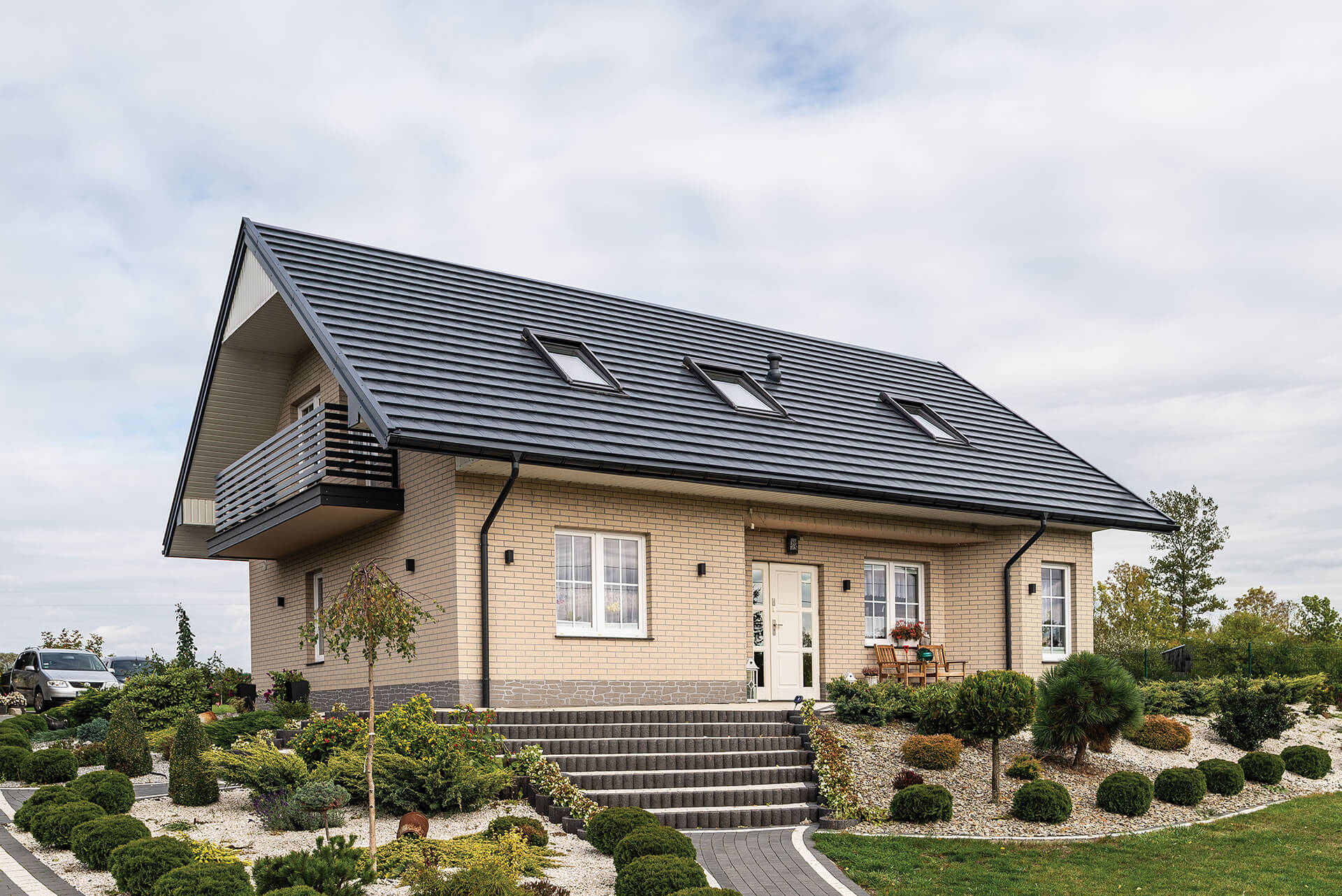
REN metal roof tiles combine durability and aesthetics

Commercial Investments

Pex-Pool Plus Dębica

Pex-Pool Plus Dębica

Commercial Investments

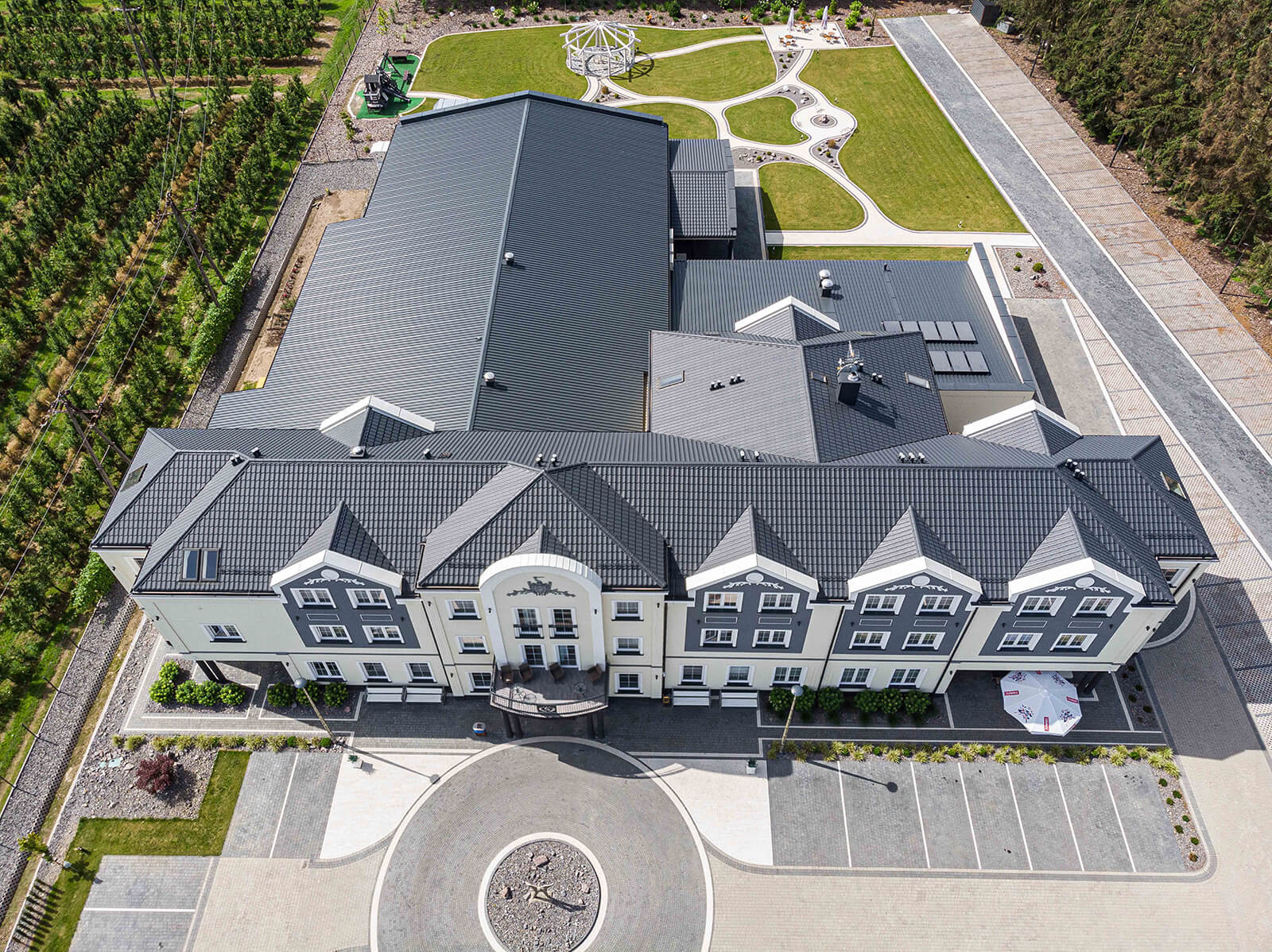
"Dwór Dobarz" Guesthouse

REGLE roof panels, imitation wood shingles, Zakopane style

One-storySingle-family home

Single-family home in Stąporków

The PŁASKA PLUS metal roof tile is an excellent choice for modern construction, and its flat surface is very popular among developers.

One-storySingle-family home

Single-family home in Wola Rzędzińska

TIGRA Metal Roof Tiles — the perfect solution for homeowners looking for a flat roof surface

One-storySingle-family home

Single-family home in Wymysłowo

The RUBIN metal roof tile is a harmonious blend of classic style and functionality.

One-storySingle-family home

Single-family home in Białystok

A classic with a modern twist. FIORD metal roof tiles used to cover a single-story house with a modern design.

Single-family home

Single -family House Tuczępa

Single-family home

A single -family house in Rytwiny

Single-family home

Single -family house, Staszów

Single-family home

Villa Niepołomice

Single-family home

Arkadia Investment housing estate

Commercial Investments

Sevilla Gold Hotel

Single-family home

Single-family home, Pliskowola

Commercial Investments

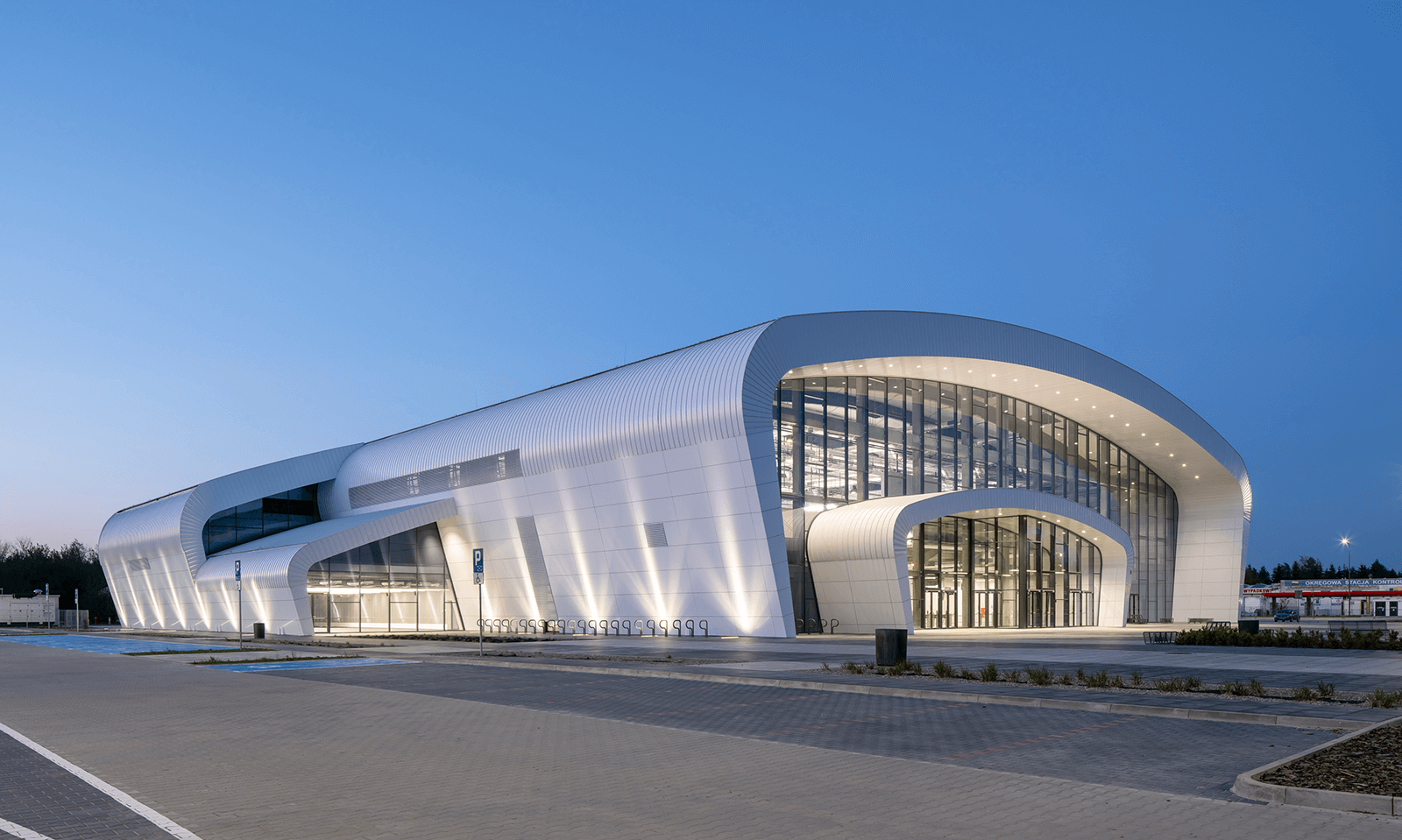
Arena Grupa Azoty in Puławy

Commercial Investments

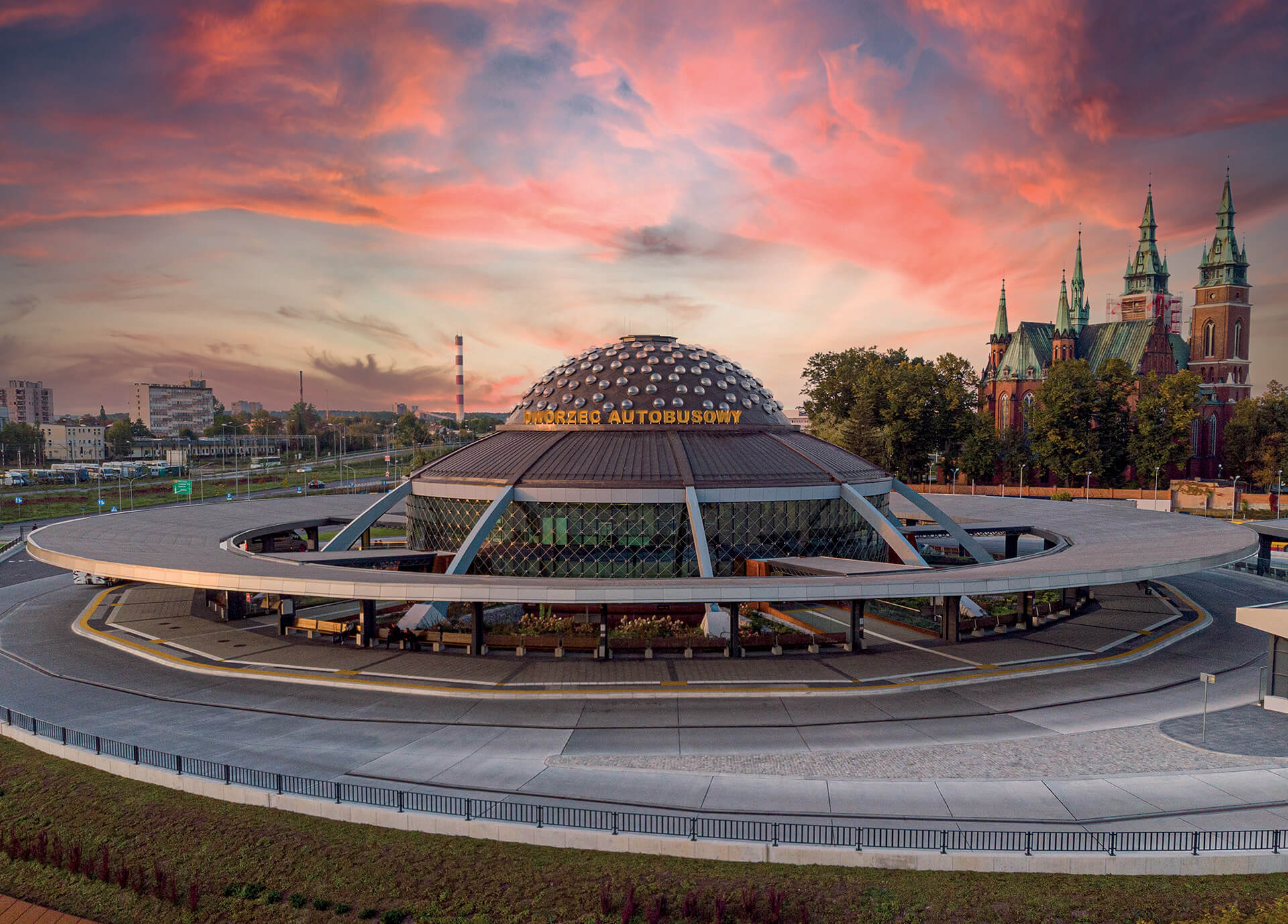
Kielce Bus Station

Avant-garde design in a public building

Single-family home

A single -family house in Rudna near Rzeszów

Flat metal sheet, single -family house in Rudna

Single-family home

Gable-roofed house in Końskie

Commercial Investments

Flat metal tile market, Orzysz

Single-family home

Trapeze

Single-family home

Modus

Single-family home

Detached house complex roof. Modus roof tile

Modus metal roof tile, multi -track roof

Commercial Investments

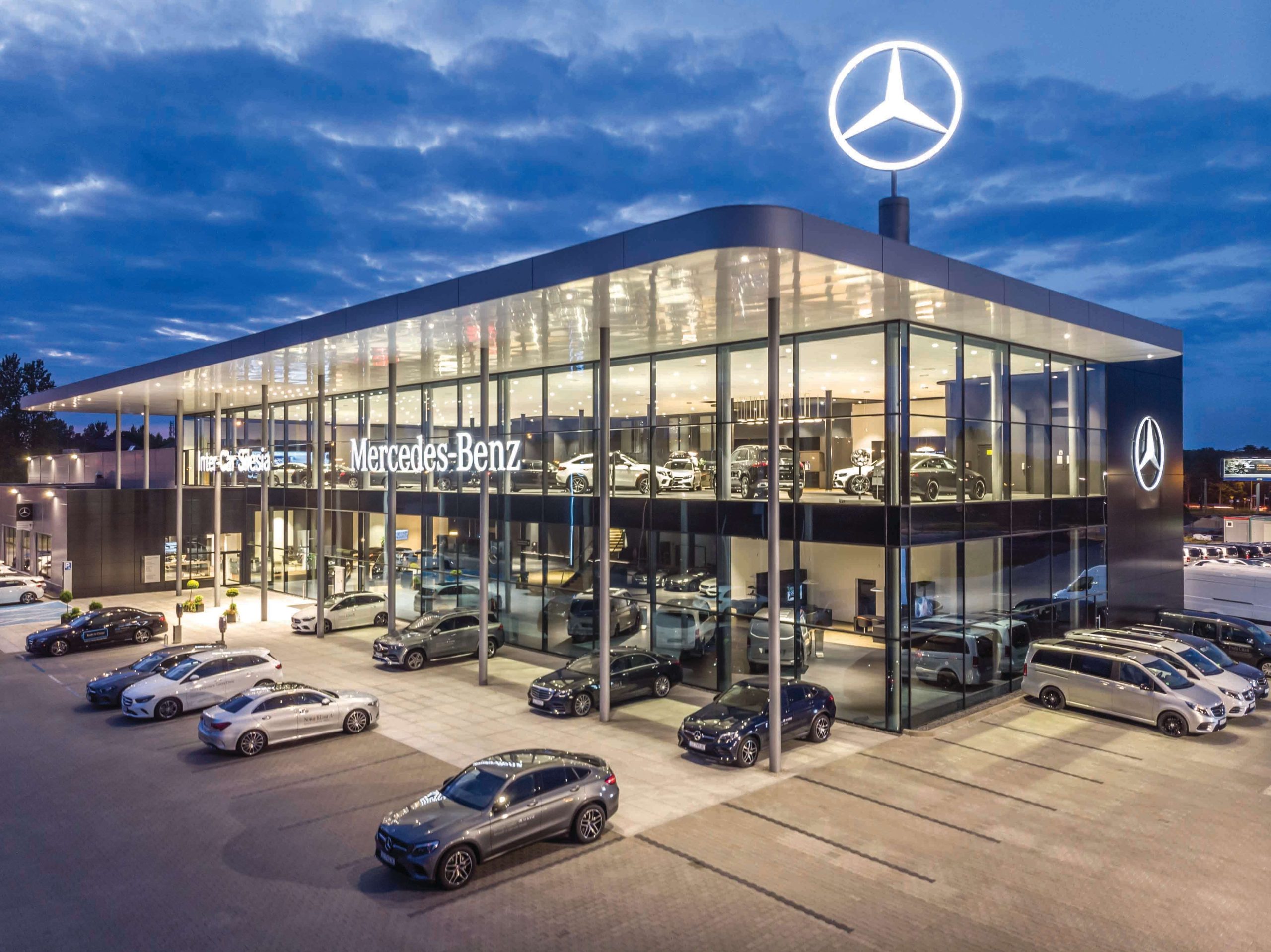
Mercedes

Mercedes

Commercial Investments

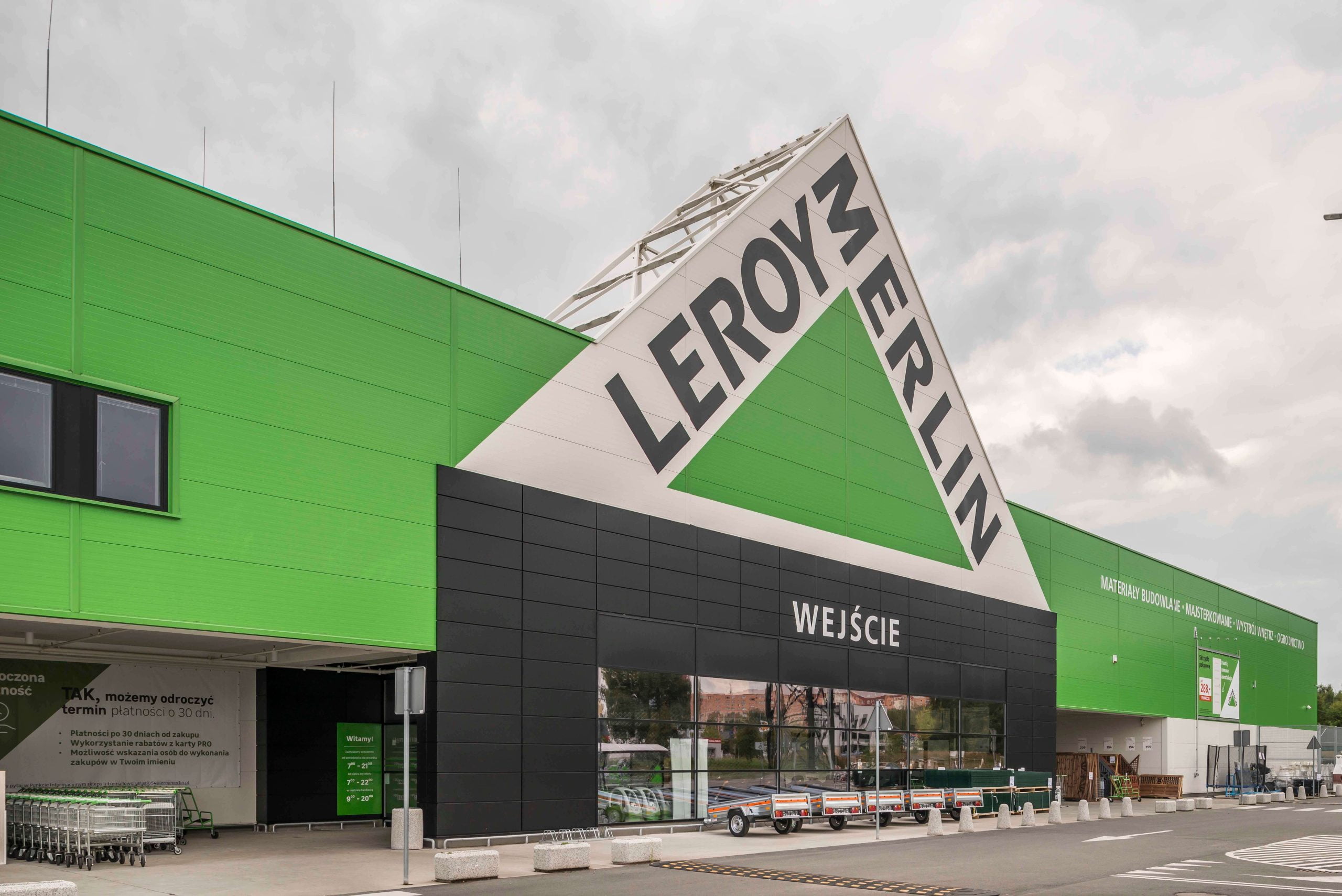
Leroy Merlin

Leroy Merlin

Technical specification

General information

The roof sandwich panel with a polyurethane foam core, manufactured by Blachy Pruszyński, is produced on a modern production line while maintaining the highest quality standards. It provides high thermal insulation parameters combined with a low surface weight. The PIR foam core is placed between two layers of galvanized, coated steel cladding. Our offer includes various types of coatings and colors to choose from. The trapezoidal roof profile of the external cladding ensures excellent water drainage.

Depending on the panel installation method, the following minimum roof slopes are recommended:
* for roofs made of continuous panels (without transverse joints along the length)
** for roofs made of panels joined transversely along the length

core
poliuretan PIRapolyurethane PIR
thickness of panel
120 mm
effective width
1050 mm
total width
1070 mm
mininimal roof slope *
5% (3º)
mininimal roof slope **
7% (4º)
weight of 1m2
13,09 kg
weight of 1mb
13,74 kg
min length of panel
2,0 mb
max length of panel
see Length of panel
thickness of steel sheet
0,5 mm
type of external profile
High trapezoidal
type of internal profile
trapezoidal - T
micro - M
coverings
polyester glossy/mat, polyurethane, HPS200, aluzinc
PWD-PIR-120 - Płyta warstwowa dachowa - pianka poliuretanowa - widoczne mocowanie - przekroj

Physical properties

Material properties
Lambda λD coefficient
0,022 W/mK
Coefficient of heat transfer UD,S
0,18 W/m2K
Core density
40 ±3 kg/m³
Weight
12,60 kg/m2
Mechanical resistance
Compressive strength
0,095 MPa
Ultimate tensile strength
0,070 MPa
Reduced shear strength at long -term load
0,04 MPa
Shear strength
0,075 MPa
Shear modulus
2,90 MPa
Flexural strength in span
Positive bending moment
10,22 kNm/m
Positive bending in higher temperature
10,22 kNm/m
Negative bending moment
5,71 kNm/m
Negative bending in higher temperature
5,71 kNm/m
Resistance to bending over the inner support
Positive bending moment
4,80 kNm/m
Positive bending in higher temperature
4,80 kNm/m
Negative bending moment
6,32 kNm/m
Negative bending in higher temperature
6,32 kNm/m
Creasing strength (external surface)
In the span
279 MPa
In the span, higher temperature
279 MPa
Over the central support
280 MPa
Over the central support, higher temperature
280 MPa
Creasing strength (internal surface)
In the span
129 MPa
Over the central support
102 MPa
Other properties
Reaction to fire (all usage)
B-s1,d0
Fire resistance
REI30/RE60
External exposure to fire
Broof
Water permeability
Class A 1200 Pa
Air permeability
+(C=0,0201, n=0,7506); -(C=0,3664, n=0,5099)
Resistance to point load
No deformation or damage of core and facings
Water vapour permeability
impermeable
Insulation of sound propagating in the air
24(-2;-4) dB
Sound absorption
0,20
Creep coefficient  t = 2000h
1,67
Creep coefficient t = 100000h
2,53
Durability
All colours

Length of panels

Permissible panel lengths depending on the color of the cladding (minimum length - 2.5 MB).

group I (very bright colors)

Maximum length

18 m

<span style="color:#e20a17">RAL 9001*</span>
RAL 9001*
RAL 9002
RAL 9002
RAL 9010
RAL 9010

group II (bright colors)

Maximum length

15 m

<span style="color:#e20a17">RAL 9022*</span>
RAL 9022*
<span style="color:#e20a17">RAL 7040*</span>
RAL 7040*
<span style="color:#e20a17">RAL 7037*</span>
RAL 7037*
<span style="color:#e20a17">RAL 6033*</span>
RAL 6033*
<span style="color:#e20a17">RAL 6021*</span>
RAL 6021*
<span style="color:#e20a17">RAL 6018*</span>
RAL 6018*
<span style="color:#e20a17">RAL 5024*</span>
RAL 5024*
<span style="color:#e20a17">RAL 5018*</span>
RAL 5018*
<span style="color:#e20a17">RAL 5012*</span>
RAL 5012*
<span style="color:#e20a17">RAL 2009*</span>
RAL 2009*
<span style="color:#e20a17">RAL 2008*</span>
RAL 2008*
<span style="color:#e20a17">RAL 2004*</span>
RAL 2004*
<span style="color:#e20a17">RAL 2003*</span>
RAL 2003*
<span style="color:#e20a17">RAL 2000*</span>
RAL 2000*
<span style="color:#e20a17">RAL 1035*</span>
RAL 1035*
<span style="color:#e20a17">RAL 1023*</span>
RAL 1023*
<span style="color:#e20a17">RAL 1019*</span>
RAL 1019*
<span style="color:#e20a17">RAL 1017* </span>
RAL 1017*
<span style="color:#e20a17">RAL 1014* </span>
RAL 1014*
<span style="color:#e20a17">RAL 1004*</span>
RAL 1004*
<span style="color:#e20a17">RAL 1003*</span>
RAL 1003*
RAL 1002
RAL 1002
RAL 1021
RAL 1021
RAL 7000
RAL 7000
RAL 9006<br><span style="font-size: 7pt;">SILVER</span>
RAL 9006
SILVER
RAL 1015
RAL 1015
RAL 7035
RAL 7035

group III (dark colors)

Maximum length

12 m

<span style="color:#e20a17">RAL 7022*</span>
RAL 7022*
<span style="color:#e20a17">RAL 7015*</span>
RAL 7015*
<span style="color:#e20a17">RAL 6020*</span>
RAL 6020*
<span style="color:#e20a17">RAL 6011*</span>
RAL 6011*
<span style="color:#e20a17">RAL 6003*</span>
RAL 6003*
<span style="color:#e20a17">RAL 6000*</span>
RAL 6000*
<span style="color:#e20a17">RAL 5022*</span>
RAL 5022*
<span style="color:#e20a17">RAL 5011*</span>
RAL 5011*
<span style="color:#e20a17">RAL 5009*</span>
RAL 5009*
<span style="color:#e20a17">RAL 5005*</span>
RAL 5005*
<span style="color:#e20a17">RAL 5002*</span>
RAL 5002*
<span style="color:#e20a17">RAL 3013*</span>
RAL 3013*
<span style="color:#e20a17">RAL 3003*</span>
RAL 3003*
<span style="color:#e20a17">RAL 3002*</span>
RAL 3002*
<span style="color:#e20a17">RAL 3000*</span>
RAL 3000*
<span style="color:#e20a17">RAL 8016*</span>
RAL 8016*
PUM R028
PUM R028
PMG R033
PMG R033
PMG R028
PMG R028
PMG R750
PMG R750
PMG R011
PMG R011
Dark Walnut
Dark Walnut
Golden Oak
Golden Oak
RAL 3011
RAL 3011
RAL 3005
RAL 3005
RAL 8023<br><span style="font-size: 7pt;">COPPER</span>
RAL 8023
COPPER
RAL 6005
RAL 6005
RAL 6029
RAL 6029
RAL 5010
RAL 5010
RAL 9005
RAL 9005
RAL 8017
RAL 8017
RAL 7016
RAL 7016
RAL 7024
RAL 7024
RAL 9007<br><span style="font-size: 7pt;">SILVER METALLIC</span>
RAL 9007
SILVER METALLIC
ATTENTION! Considering that dark colors from group III are subject to much larger thermal loads than boards in very light and light colors from group I and II should be assessed depending on the loads, what plates system on the wall is possible to be used.
* The colors marked with the star are not available in the standard offer. Please direct individual queries in terms of colors using the contact form.
Read more below.

Recommendations for the selection of plates in the context of thermal loads

During projecting it’s important to include difference in temperature of external and internal cladding of sandwich panels.Gradients of temperatues due to difference in external temperature T1 and internal temperature T2 are dependent on few factors:

Purpose of building (range of temperatures inside building T2)

localization of building – position due to sun

colour of external steel cladding (T1).

Depending on latitude, height above sea level and distance from sea on europe continent are use 4 different levels of winter temperature (T1 – external cladding):

0, -10oC,

0, -20oC, (for ex. Poland)

0, -30oC, (for ex. scandinavian countries)

Temperatures of external cladding of roof panel which is covered with snow layer is 0oC.

For calculation was assumed external temperature in winter of -20 oC.

Temperature of external cladding T1  has maximum value during summer and is depending of colour and grade of reflection of surface. Values T1, which are minmal for calculation bearing status (SGN) and are proper for calculations of limit status of use (SGU) are:

  • Very brigth colours  RG = 75-90    T1 = +55oC
  • Brigth colours             RG = 40-74    T1 = +65oC
  • Dark colours          RG = 8-39      T1 = +80oC

where RG – grade of reflextion in ratio of magnesium oxide = 100%

Zalecenia transportowe

Zalecane środki transportu dla płyt warstwowych:

  • samochód ciężarowy (ciągnik siodłowy + naczepa o dł. nie krótszej aniżeli dł. ładowanych płyt) z naczepą otwartą lub umożliwiająca załadunek boczny obustronny na całej swojej długości
  • masa ładunku nie może przekraczać dopuszczalnej ładowności zestawu,
  • pasy transportowe powinny być rozmieszczone na ładunku w odległości max. co 3 m, lecz nie mniej niż 2 pasy na jeden pakiet – naciąg pasów nie może powodować odkształcenia płyt.

Zalecenia sposobu składowania

Płyty warstwowe należy składować w pakietach (słupkach), dopuszcza się składowanie max dwóch pakietów jeden na drugim

W poniższej tabeli podane jest max. ilość płyt, która może zostać ułożona w jednym w pakiecie.

grubość płytyPWD-PIR
40 mm18 szt.
60 mm14 szt.
80 mm10 szt.
100 mm8 szt.
120 mm8 szt.
160 mm6 szt.


  • Zaleca się składowanie płyt na równej powierzchni (placu, hali) na legarach lub podkładach styropianowych, które muszą być rozstawione maksymalnie, co 2,5 m (przy płytach o całkowitej dł. do 2,5m należy zastosować min. 3 podkłady).
  • Dopuszcza się składowanie max dwóch pakietów płyt do 6mb jeden na drugim, w przypadku pakietów płyt powyżej mb należy składować pojedynczo. Wszystkie pakiety płyt muszą być przechowywane na równej powierzchni z możliwością odprowadzenia wody.
  • W czasie składowania płyt na placu budowy, należy chronić je przed uszkodzeniami mechanicznymi, narażeniem na działanie promieni UV, agresywnego środowiska ( kwasy, nawozy, sole i inne czynniki korozyjne), opadami atmosferycznymi, silnym wiatrem i innymi.
  • Zaleca się przechowywanie paczek pod zadaszeniem w pomieszczeniach wentylowanych
  • Składowanie płyt powinno odbywać się na równej powierzchni (placu, hali) na legarach, podkładach styropianowych lub drewnianych, które muszą być rozstawione maksymalnie, co 2,5 m (przy płytach o całkowitej dł. do 2,5 m należy zastosować min. 3 podkłady).
  • Folie ochronne stosowane są w celu dodatkowego zabezpieczenia powierzchni płyt przed uszkodzeniami mechanicznymi, naprężeniami i uderzeniami mogącymi wystąpić w czasie transportu lub przeładunku. Folie nigdy nie zwalniają z obowiązku właściwego zabezpieczenia płyt podczas magazynowania.
  • Zaleca się usuwanie folii ochronnej przed zamocowaniem elementów na elewacji bądź dachu budynku. Usuwanie folii powinno odbywać się przy dodatnich temperaturach powietrza, ponieważ przy ujemnych temperaturach następuje rozwarstwianie się kleju i niektóre jego składniki mogą pozostać na blasze.
  • Niewłaściwy sposób składowania blach może powodować utrudnienia w usuwaniu folii ochronnej oraz pozostawiać na powierzchni płyt ślady po kleju. W takich przypadkach reklamacje na pozostałości kleju po folii ochronnej nie będą uwzględniane przez Producenta.
  • W przypadku płyt z ukrytym mocowaniem, należy zwrócić uwagę by folia została usunięta z wnętrza dłuższego zamka jeszcze przed montażem.

UWAGA !!!

W przypadku płyt ściennych z widocznym mocowaniem (dot. płyt PIR) , strona górna płyt w pakiecie jest stroną elewacyjną, na co należy zwrócić szczególna uwagę!

Konserwacja i mycie

W celu przedłużenia okresu trwałości dachów i elewacji wykonanych z blach powlekanych należy regularnie je kontrolować i konserwować.

  • Przegląd – Raz w roku (najlepiej wiosną) należy dokonać przeglądu dachu/elewacji w celu wczesnego wykrycia ewentualnych uszkodzeń.
  • Czyszczenie blachy – Dachy/elewacje wykonywane z blachy powlekanej wymagają czyszczenia co najmniej raz w roku. Osadzający się na blasze brud może spowodować nierównomierne odbarwianie się koloru (wynik nierównomiernego oddziaływania promieni UV), a także do zmniejszenia odporności na korozję (brud zatrzymuje wilgoć na blasze stopniowo ją uszkadzając). Zabrudzone i poplamione miejsca mogą być czyszczone przy pomocy miękkiej szczotki i wody (temp. max. 60°C). Jeśli jest to konieczne dopuszcza się dodanie do wody łagodnego detergentu (pH 6÷7, max. 10% roztwór). Do czyszczenia może być także użyta woda pod ciśnieniem (max. 100 bar), jednakże strumień wody nie może być stosowany zbyt blisko powierzchni płyty (min. 30 cm), a także nie może być skierowany prostopadle do powierzchni . Przy łącznikach strumień wody powinien być skierowany ku dołowi tak, aby uniknąć wnikania wody pod ciśnieniem w szczeliny wokół łączników. Ze starymi powłokami płyt należy obchodzić się z wyjątkową ostrożnością. Mycie należy przeprowadzać od góry ku dołowi i zawsze oczyszczone miejsce należy niezwłocznie dokładnie opłukać czystą wodą.
  • Nie wolno stosować proszków do szorowania, rozpuszczalników nitro, roztworów chlorowych, aromatycznych środków, jak również środków zawierających salmiak (chlorek amonu) lub sole sodowe.
  • Uszkodzenia – Ewentualne uszkodzenia w trakcie trwania okresu gwarancji muszą być konsultowane z Wykonawcą dachu/elewacji i mogą być wykonywane tylko za jego pisemną zgodą. Naprawa szkód na małych powierzchniach odbywa się przy pomocy lakierów do napraw schnących na powietrzu, natomiast malowanie dużych powierzchni jest z zasady możliwe tylko za pomocą specjalnych farb przemysłowych dostosowanych do renowacji pokryć. Powierzchnię do malowania należy ograniczyć tylko do miejsc tego wymagających (zadrapania do warstwy metalu, ogniska korozji itp.). Przygotowanie powierzchni do malowania należy wykonać wg ogólnie przyjętych zasad. Należy zawsze dokładnie usunąć wszelkie ślady korozji – najlepiej za pomocą specjalnych szczotek lub drobnoziarnistego papieru ściernego. Następnie trzeba naprawianą powierzchnię dokładnie odpylić, odtłuścić i oczyścić. Do odtłuszczenia powierzchni można użyć benzyny ekstrakcyjnej lub wody z dodatkiem środków powierzchniowo-czynnych (najlepiej z dodatkiem 1-2% roztworu amoniaku). Naprawiane strefy mogą wykazywać różnice w kolorze w porównaniu z oryginalnymi kolorami blach z powodu naturalnego oddziaływania zjawisk atmosferycznych (starzenie się lakieru pod wpływem działania promieniowania UV).
  • UWAGA– W trakcie przeglądu, czyszczenia, konserwacji i napraw należy bezwzględnie przestrzegać zasad BHP.

Firma Pruszyński Sp. z o.o. nie odpowiada za ewentualne wypadki powstałe w wynikuwykonywania powyższych czynności.

Recommendations

Transport i składowanie

  • W przypadku odbioru własnym środkiem transportu, samochód powinien posiadać otwartą platformę załadunkową umożliwiającą swobodny załadunek jak i rozładunek.
  • Rozładunek “ręczny” powinien być przeprowadzony przez odpowiednią liczbę osób tzn. przy długich arkuszach (ok. 6 mb) powinno uczestniczyć 6 osób, po 3 z każdej strony, zwracając szczególną uwagę, aby nie przesuwać po sobie blach, nie odginać bocznych krawędzi oraz ich nie rozciągać. Deformacja blach podczas rozładunku i przenoszenia powoduje późniejsze problemy z ich prawidłowym montażem (szpary na zamkach).
  • Najodpowiedniejszy jest rozładunek w opakowaniach producenta przy użyciu urządzeń mechanicznych.
  • Na placu budowy arkusze powinny byś składowane w fabrycznym opakowaniu, pod zadaszeniem. Magazynowanie w takich warunkach nie powinno trwać dłużej niż 3 tygodnie od daty produkcji. Po tym czasie opakowanie należy rozciąć, a arkusze przełożyć przekładkami umożliwiającymi swobodną cyrkulację powietrza. Maksymalny czas magazynowania nie powinien być dłuższy niż 6 miesięcy licząc od daty produkcji pod rygorem utraty gwarancji.
  • Folie ochronne stosowane są, aby dodatkowo zabezpieczyć blachy powlekane przed uszkodzeniami mechanicznymi, naprężeniami i uderzeniami mogącymi wystąpić w czasie transportu, przeładunku czy profilowania. Folie ochronne nigdy nie zwalniają z obowiązku właściwego zabezpieczenia blach podczas magazynowania ani przed szkodliwym działaniem czynników chemicznych podczas procesu ich przetwarzania. Zaleca się stopniowe usuwanie folii z gotowych profili, element po elemencie, przed zamocowaniem elementów ściennych i dachowych na budynku. Usunięcie folii ochronnej z powierzchni blachy powinno nastąpić w ciągu trzech tygodni od daty wyprodukowania blachy jeśli towar przechowywany jest we właściwy sposób, tj. z zachowaniem dodatniej temperatury, braku dużej wilgotności, bez bezpośredniego działania promieni słonecznych. Brak zachowania odpowiednich warunków przechowywania towaru może skrócić czas usuwania folii do trzech dni licząc od daty dostawy towaru.
  • Niewłaściwy sposób składowania może powodować utrudnienia w usuwaniu folii ochronnej oraz pozostawiać na arkuszach ślady po kleju.

Konserwacja i mycie

  • W celu przedłużenia okresu trwałości dachów i elewacji wykonanych z blach powlekanych należy regularnie je kontrolować i konserwować.
  • Przegląd – Raz w roku (najlepiej wiosną) należy dokonać przeglądu dachu/elewacji w celu wczesnego wykrycia ewentualnych uszkodzeń.
  • Czyszczenie blachy – Dachy/elewacje wykonywane z blachy powlekanej wymagają czyszczenia co najmniej raz w roku. Osadzający się na blasze brud może spowodować nierównomierne odbarwianie się koloru (wynik nierównomiernego oddziaływania promieni UV), a także do zmniejszenia odporności na korozję (brud zatrzymuje wilgoć na blasze stopniowo ją uszkadzając). Zabrudzone i poplamione miejsca mogą być czyszczone przy pomocy miękkiej szczotki i wody (temp. max. 60°C). Jeśli jest to konieczne dopuszcza się dodanie do wody łagodnego detergentu (pH 6÷7, max. 10% roztwór). Do czyszczenia może być także użyta woda pod ciśnieniem (max. 100 bar), jednakże strumień wody nie może być stosowany zbyt blisko powierzchni arkusza (min. 30 cm), a także nie może być skierowany prostopadle do powierzchni . Przy łącznikach strumień wody powinien być skierowany ku dołowi tak, aby uniknąć wnikania wody pod ciśnieniem w szczeliny wokół łączników. Ze starymi powłokami należy obchodzić się z wyjątkową ostrożnością. Mycie należy przeprowadzać od góry ku dołowi i zawsze oczyszczone miejsce należy niezwłocznie dokładnie opłukać czystą wodą.
  • Nie wolno stosować proszków do szorowania, rozpuszczalników nitro, roztworów chlorowych, aromatycznych środków, jak również środków zawierających salmiak (chlorek amonu) lub sole sodowe.
  • Uszkodzenia – Naprawianie ewentualnych uszkodzeń w trakcie trwania okresu gwarancji powinno być konsultowane z Wykonawcą dachu/elewacji i może być wykonywane tylko za jego aprobatą. Naprawa szkód na małych powierzchniach odbywa się przy pomocy lakierów do napraw, schnących na powietrzu. Malowanie dużych powierzchni jest z zasady możliwe tylko za pomocą specjalnych farb przemysłowych dostosowanych do renowacji pokryć. Powierzchnię do malowania należy ograniczyć tylko do miejsc tego wymagających (zadrapania do warstwy metalu, ogniska korozji itp.). Przygotowanie powierzchni do malowania należy wykonać wg ogólnie przyjętych zasad. Należy zawsze dokładnie usunąć wszelkie ślady korozji – najlepiej za pomocą specjalnych szczotek lub drobnoziarnistego papieru ściernego. Następnie trzeba naprawianą powierzchnię dokładnie odpylić, odtłuścić i oczyścić. Do odtłuszczenia powierzchni można użyć benzyny ekstrakcyjnej lub wody z dodatkiem środków powierzchniowo-czynnych (najlepiej z dodatkiem 1-2% roztworu amoniaku). Naprawiane strefy mogą wykazywać różnice w kolorze w porównaniu z oryginalnymi kolorami blach z powodu naturalnego oddziaływania zjawisk atmosferycznych (starzenie się lakieru pod wpływem działania promieniowania UV).
  • Nie wolno stosować blach stalowych powlekanych organicznie w:
    • środowisku o stałym kontakcie z wodą o dużym stopniu zasolenia,
    • kontakcie z chemią budowlaną, w tym beton, tynk, mokre drewno itp.,
    • w środowisku narażonym na występowanie agresywnych chemikaliów
    • połączeniu z materiałami o innym potencjale elektrochemicznym
  • UWAGA– W trakcie przeglądu, czyszczenia, konserwacji i napraw należy bezwzględnie przestrzegać zasad BHP.
  • Firma Pruszyński Sp. z o.o. nie odpowiada za ewentualne wypadki powstałe w wynikuwykonywania powyższych czynności

Do you have questions?

Is it possible to install copper flashings on a steel roof?
Caution must be exercised when using copper, as copper oxides are highly corrosive and cause corrosion of other metals. For this reason, it must not be combined with other types of metals on buildings (copper reacts upon contact and causes electrolytic corrosion of other metals).
Why are metal roof tiles recommended for renovating old roofs?
This is directly related to its light weight. In the case of old roofs, the roof trusses of renovated houses are often already somewhat worn down by time. Therefore, it is safer to use metal roof tiles, which weigh around 4.7 kg/m², rather than ceramic roof tiles, which are nearly ten times heavier. However, it’s always a good idea to have a specialist inspect the condition of the roof truss and confirm whether it requires renovation or replacement after all. In such cases, the safety of the building’s residents or employees, as well as the installation crew, is always the top priority. In most situations, however, the condition of the structure allows for the use of metal roof tiles without major issues, whereas the use of ceramic roof tiles would no longer be possible.
Can I use an angle grinder to cut sheets?
Modern roof coverings preclude the use of angle grinders for cutting. Using this method to cut the material will void the Warranty.

An angle grinder generates a great deal of heat during operation and cutting, which in turn damages the edges of the sheet metal as well as its protective coating. Additionally, the metal shavings produced during operation become embedded in the sheet metal’s surface, creating potential corrosion sites.
The proper way to cut sheet metal is to use automatic nibblers or hand shears. These tools use mechanical force to cut the sheet metal without exposing it to extreme temperature fluctuations. Additionally, it’s worth remembering that after cutting, it’s a good idea to protect the cut edges with a dedicated protective varnish or special paint.
Does the roof need maintenance?
Yes, every roof requires periodic inspections to check for any damage. Most products offered by the Blachy Pruszyński Company are available with various types of specialized coatings (covered by Warranty) that increase the service life and durability of metal roofing. Maintenance mainly involves removing soot and chimney dust, which, if left for an extended period, can damage the metal sheeting. Particular attention should be paid to the areas around chimneys, which are critical due to more demanding operating conditions. If localized damage to the paint coating is noticed during an inspection of the roofing, touch-up painting should be performed. In such situations, the best solution is to use dedicated touch-up paints matched to the specific coating. The Blachy Pruszyński Company offers such paints as part of its regular product line, and it is strongly recommended to use the company’s products that are recommended for the specific coating.
How to register and how does the warranty work?
In order to register the warranty, download the warranty registration available in files for download / printing or directly:
Warranty registration and send it completed to the following address: guarantee@pruszynski.eu

The warranty begins to apply on the day of purchase of the goods. Registration of warranty is necessary to quickly identify the purchased batch of goods.
How can I advertise a product? Where can I find more information?
Complaints should be filed at the wholesale store where the purchase was made. If the wholesale store in question has closed (is no longer in business), the completed complaint form should be sent directly to Pruszyński Company at the following address: pruszynski@pruszynski.com.pl

A complaint form is available in the "Downloads / Forms" section or directly here: COMPLAINT FORM

See our offer of accessories

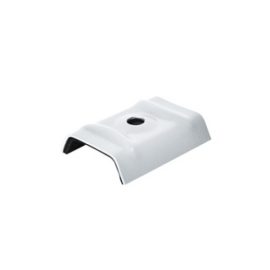
Calotte Calotte
Connecting roof sandwich panels
See product
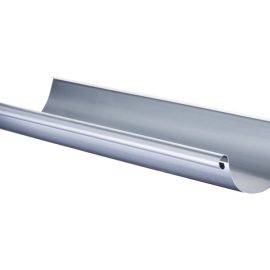
System rynnowy NIAGARA Tytan-cynk natura miniature Gutter
NIAGARA Titan-Zinc - gutter
See product

News

CSR, Sponsoring sportowy
A Fierce Battle Between Byśkiniewicz and Siatkowski for Victory in the Małopolska Rally

Łukasz Byśkiniewicz and Daniel Siatkowski took 2nd place in the Valvoline Małopolska Rally. After a fierce battle and nearly 150 km of special stages, the TVN TURBO RALLY TEAM crew finished just 7.3 seconds behind the winners, solidifying their position as runners-up in the RSMP.

Read more
CSR, Sponsoring sportowy
Ultra Duch Puszczy 2026 – The Blachy Pruszyński Team on the Courses of the Podlasie Ultramarathon

The Białowieża Forest, hundreds of kilometers of challenging routes, and the unique atmosphere of a cycling adventure. Our company was well represented at the Ultra Duch Puszczy 2026. Blachy Pruszyński was a partner of the event, actively supporting one of the most recognizable ultra-cycling events in Poland.

Read more
Business, Training
Sales Training – An Investment in Knowledge, Skills, and Effective Sales

Today, a professional salesperson must combine sales skills with technical knowledge. That is why the training courses organized at the Training Center in Sokołów help develop skills that lead to better customer service, more effective sales, and the building of long-term business relationships.

Read more