
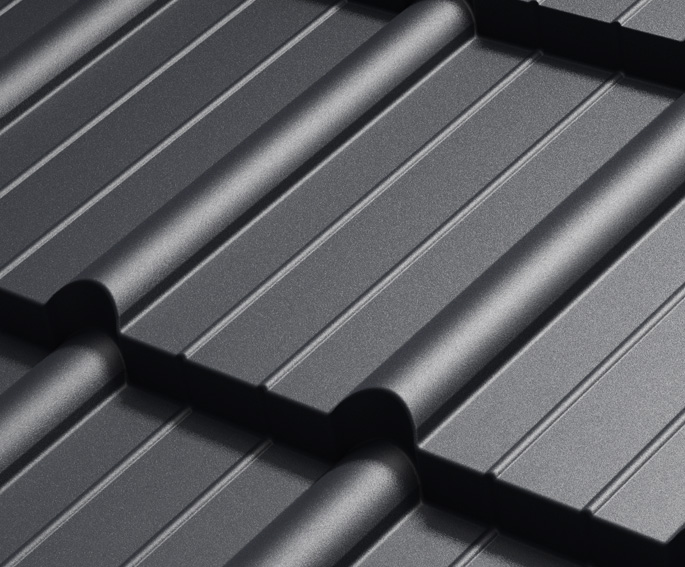
Fiord - modular roof tile - panel
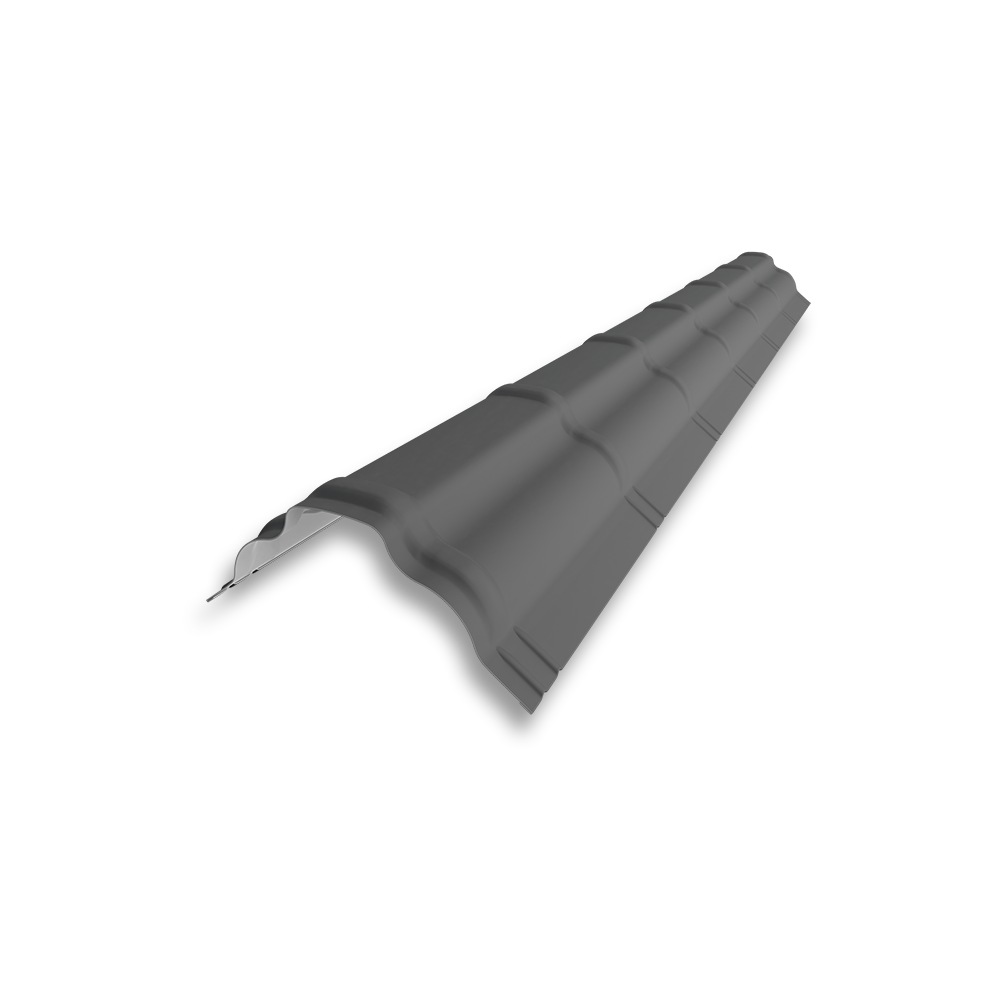
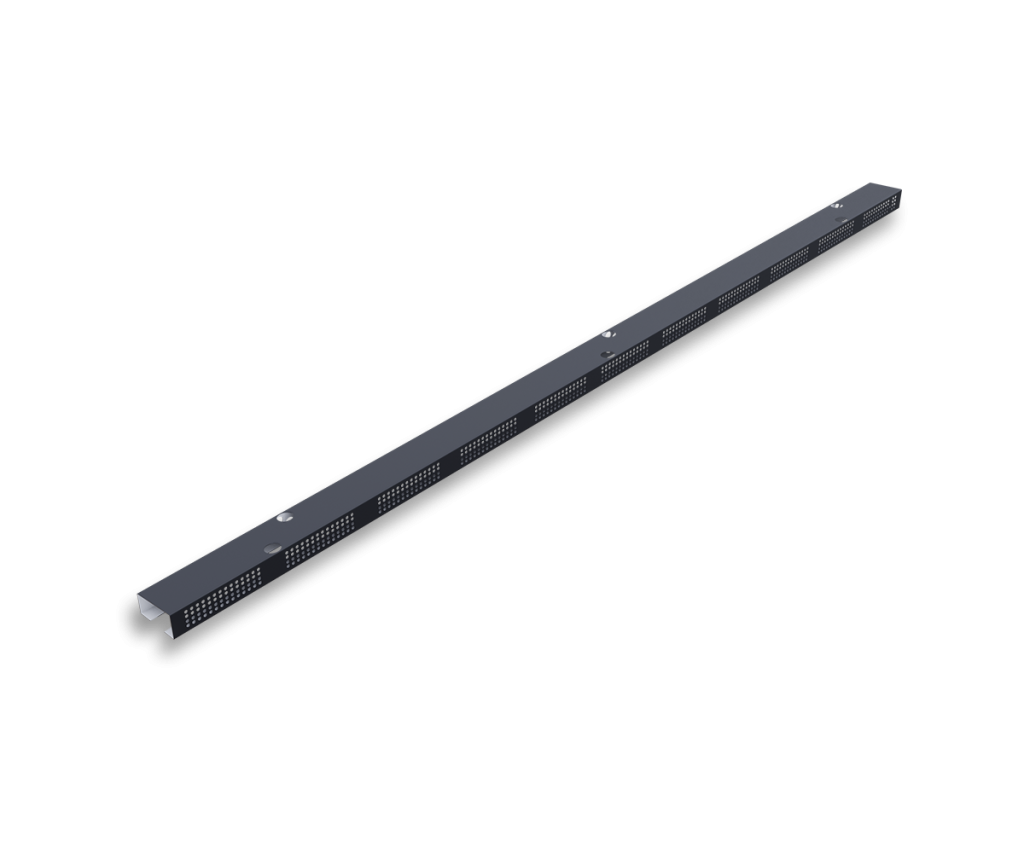
Components

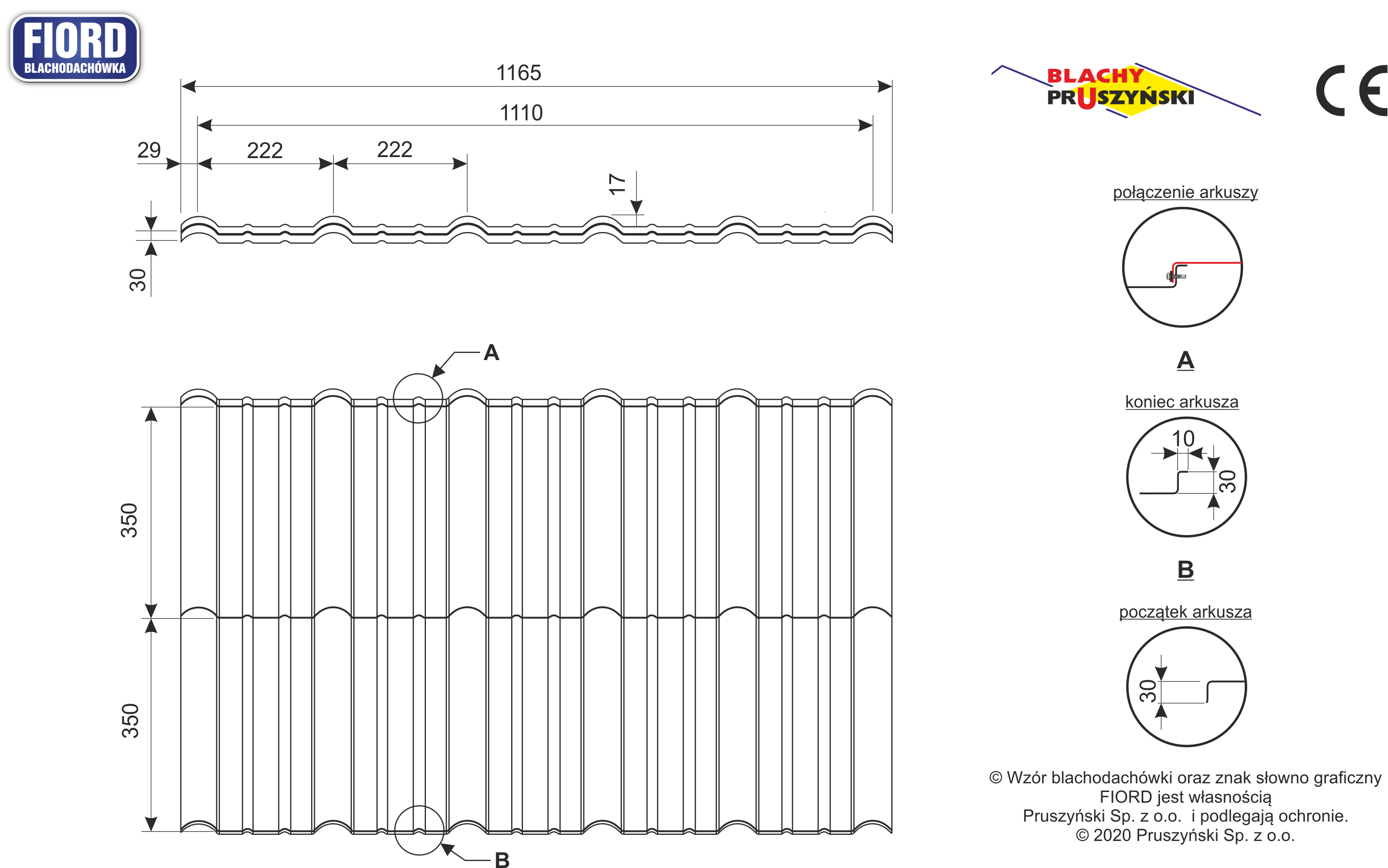
Technical specification
General information
total width:
Recommendations
Transport i składowanie
- W przypadku odbioru własnym środkiem transportu, samochód powinien posiadać otwartą platformę załadunkową umożliwiającą swobodny załadunek jak i rozładunek.
- Na placu budowy panele powinny byś składowane w fabrycznym opakowaniu, pod zadaszeniem. Magazynowanie w takich warunkach nie powinno trwać dłużej niż 3 tygodnie od daty produkcji. Po tym czasie opakowanie należy rozciąć, a arkusze przełożyć przekładkami umożliwiającymi swobodną cyrkulację powietrza. Maksymalny czas magazynowania nie powinien być dłuższy niż 6 miesięcy licząc od daty produkcji pod rygorem utraty gwarancji.
- Folie ochronne stosowane są, aby dodatkowo zabezpieczyć blachy powlekane przed uszkodzeniami mechanicznymi, naprężeniami i uderzeniami mogącymi wystąpić w czasie transportu, przeładunku czy profilowania. Folie ochronne nigdy nie zwalniają z obowiązku właściwego zabezpieczenia blach podczas magazynowania ani przed szkodliwym działaniem czynników chemicznych podczas procesu ich przetwarzania. Zaleca się stopniowe usuwanie folii z gotowych profili, element po elemencie, przed zamocowaniem elementów ściennych i dachowych na budynku. Usunięcie folii ochronnej z powierzchni blachy powinno nastąpić w ciągu trzech tygodni od daty wyprodukowania blachy jeśli towar przechowywany jest we właściwy sposób, tj. z zachowaniem dodatniej temperatury, braku dużej wilgotności, bez bezpośredniego działania promieni słonecznych. Brak zachowania odpowiednich warunków przechowywania towaru może skrócić czas usuwania folii do trzech dni licząc od daty dostawy towaru.
- Niewłaściwy sposób składowania może powodować utrudnienia w usuwaniu folii ochronnej oraz pozostawiać na arkuszach ślady po kleju.
- W przypadku odbioru własnym środkiem transportu, samochód powinien posiadać otwartą platformę załadunkową umożliwiającą swobodny załadunek jak i rozładunek.
- Na placu budowy panele powinny byś składowane w fabrycznym opakowaniu, pod zadaszeniem. Magazynowanie w takich warunkach nie powinno trwać dłużej niż 3 tygodnie od daty produkcji. Po tym czasie opakowanie należy rozciąć, a arkusze przełożyć przekładkami umożliwiającymi swobodną cyrkulację powietrza. Maksymalny czas magazynowania nie powinien być dłuższy niż 6 miesięcy licząc od daty produkcji pod rygorem utraty gwarancji.
- Folie ochronne stosowane są, aby dodatkowo zabezpieczyć blachy powlekane przed uszkodzeniami mechanicznymi, naprężeniami i uderzeniami mogącymi wystąpić w czasie transportu, przeładunku czy profilowania. Folie ochronne nigdy nie zwalniają z obowiązku właściwego zabezpieczenia blach podczas magazynowania ani przed szkodliwym działaniem czynników chemicznych podczas procesu ich przetwarzania. Zaleca się stopniowe usuwanie folii z gotowych profili, element po elemencie, przed zamocowaniem elementów ściennych i dachowych na budynku. Usunięcie folii ochronnej z powierzchni blachy powinno nastąpić w ciągu trzech tygodni od daty wyprodukowania blachy jeśli towar przechowywany jest we właściwy sposób, tj. z zachowaniem dodatniej temperatury, braku dużej wilgotności, bez bezpośredniego działania promieni słonecznych. Brak zachowania odpowiednich warunków przechowywania towaru może skrócić czas usuwania folii do trzech dni licząc od daty dostawy towaru.
- Niewłaściwy sposób składowania może powodować utrudnienia w usuwaniu folii ochronnej oraz pozostawiać na arkuszach ślady po kleju.
Konserwacja i mycie
- W celu przedłużenia okresu trwałości dachów i elewacji wykonanych z blach powlekanych należy regularnie je kontrolować i konserwować.
- Przegląd – Raz w roku (najlepiej wiosną) należy dokonać przeglądu dachu/elewacji w celu wczesnego wykrycia ewentualnych uszkodzeń.
- Czyszczenie blachy – Dachy/elewacje wykonywane z blachy powlekanej wymagają czyszczenia co najmniej raz w roku. Osadzający się na blasze brud może spowodować nierównomierne odbarwianie się koloru (wynik nierównomiernego oddziaływania promieni UV), a także do zmniejszenia odporności na korozję (brud zatrzymuje wilgoć na blasze stopniowo ją uszkadzając). Zabrudzone i poplamione miejsca mogą być czyszczone przy pomocy miękkiej szczotki i wody (temp. max. 60°C). Jeśli jest to konieczne dopuszcza się dodanie do wody łagodnego detergentu (pH 6÷7, max. 10% roztwór). Do czyszczenia może być także użyta woda pod ciśnieniem (max. 100 bar), jednakże strumień wody nie może być stosowany zbyt blisko powierzchni arkusza (min. 30 cm), a także nie może być skierowany prostopadle do powierzchni . Przy łącznikach strumień wody powinien być skierowany ku dołowi tak, aby uniknąć wnikania wody pod ciśnieniem w szczeliny wokół łączników. Ze starymi powłokami należy obchodzić się z wyjątkową ostrożnością. Mycie należy przeprowadzać od góry ku dołowi i zawsze oczyszczone miejsce należy niezwłocznie dokładnie opłukać czystą wodą.
- Nie wolno stosować proszków do szorowania, rozpuszczalników nitro, roztworów chlorowych, aromatycznych środków, jak również środków zawierających salmiak (chlorek amonu) lub sole sodowe.
- Uszkodzenia – Naprawianie ewentualnych uszkodzeń w trakcie trwania okresu gwarancji powinno być konsultowane z Wykonawcą dachu/elewacji i może być wykonywane tylko za jego aprobatą. Naprawa szkód na małych powierzchniach odbywa się przy pomocy lakierów do napraw, schnących na powietrzu. Malowanie dużych powierzchni jest z zasady możliwe tylko za pomocą specjalnych farb przemysłowych dostosowanych do renowacji pokryć. Powierzchnię do malowania należy ograniczyć tylko do miejsc tego wymagających (zadrapania do warstwy metalu, ogniska korozji itp.). Przygotowanie powierzchni do malowania należy wykonać wg ogólnie przyjętych zasad. Należy zawsze dokładnie usunąć wszelkie ślady korozji – najlepiej za pomocą specjalnych szczotek lub drobnoziarnistego papieru ściernego. Następnie trzeba naprawianą powierzchnię dokładnie odpylić, odtłuścić i oczyścić. Do odtłuszczenia powierzchni można użyć benzyny ekstrakcyjnej lub wody z dodatkiem środków powierzchniowo-czynnych (najlepiej z dodatkiem 1-2% roztworu amoniaku). Naprawiane strefy mogą wykazywać różnice w kolorze w porównaniu z oryginalnymi kolorami blach z powodu naturalnego oddziaływania zjawisk atmosferycznych (starzenie się lakieru pod wpływem działania promieniowania UV).
- Nie wolno stosować blach stalowych powlekanych organicznie w:
- środowisku o stałym kontakcie z wodą o dużym stopniu zasolenia,
- kontakcie z chemią budowlaną, w tym beton, tynk, mokre drewno itp.,
- w środowisku narażonym na występowanie agresywnych chemikaliów
- połączeniu z materiałami o innym potencjale elektrochemicznym
- UWAGA– W trakcie przeglądu, czyszczenia, konserwacji i napraw należy bezwzględnie przestrzegać zasad BHP.
- Firma Pruszyński Sp. z o.o. nie odpowiada za ewentualne wypadki powstałe w wynikuwykonywania powyższych czynności
- W celu przedłużenia okresu trwałości dachów i elewacji wykonanych z blach powlekanych należy regularnie je kontrolować i konserwować.
- Przegląd – Raz w roku (najlepiej wiosną) należy dokonać przeglądu dachu/elewacji w celu wczesnego wykrycia ewentualnych uszkodzeń.
- Czyszczenie blachy – Dachy/elewacje wykonywane z blachy powlekanej wymagają czyszczenia co najmniej raz w roku. Osadzający się na blasze brud może spowodować nierównomierne odbarwianie się koloru (wynik nierównomiernego oddziaływania promieni UV), a także do zmniejszenia odporności na korozję (brud zatrzymuje wilgoć na blasze stopniowo ją uszkadzając). Zabrudzone i poplamione miejsca mogą być czyszczone przy pomocy miękkiej szczotki i wody (temp. max. 60°C). Jeśli jest to konieczne dopuszcza się dodanie do wody łagodnego detergentu (pH 6÷7, max. 10% roztwór). Do czyszczenia może być także użyta woda pod ciśnieniem (max. 100 bar), jednakże strumień wody nie może być stosowany zbyt blisko powierzchni arkusza (min. 30 cm), a także nie może być skierowany prostopadle do powierzchni . Przy łącznikach strumień wody powinien być skierowany ku dołowi tak, aby uniknąć wnikania wody pod ciśnieniem w szczeliny wokół łączników. Ze starymi powłokami należy obchodzić się z wyjątkową ostrożnością. Mycie należy przeprowadzać od góry ku dołowi i zawsze oczyszczone miejsce należy niezwłocznie dokładnie opłukać czystą wodą.
- Nie wolno stosować proszków do szorowania, rozpuszczalników nitro, roztworów chlorowych, aromatycznych środków, jak również środków zawierających salmiak (chlorek amonu) lub sole sodowe.
- Uszkodzenia – Naprawianie ewentualnych uszkodzeń w trakcie trwania okresu gwarancji powinno być konsultowane z Wykonawcą dachu/elewacji i może być wykonywane tylko za jego aprobatą. Naprawa szkód na małych powierzchniach odbywa się przy pomocy lakierów do napraw, schnących na powietrzu. Malowanie dużych powierzchni jest z zasady możliwe tylko za pomocą specjalnych farb przemysłowych dostosowanych do renowacji pokryć. Powierzchnię do malowania należy ograniczyć tylko do miejsc tego wymagających (zadrapania do warstwy metalu, ogniska korozji itp.). Przygotowanie powierzchni do malowania należy wykonać wg ogólnie przyjętych zasad. Należy zawsze dokładnie usunąć wszelkie ślady korozji – najlepiej za pomocą specjalnych szczotek lub drobnoziarnistego papieru ściernego. Następnie trzeba naprawianą powierzchnię dokładnie odpylić, odtłuścić i oczyścić. Do odtłuszczenia powierzchni można użyć benzyny ekstrakcyjnej lub wody z dodatkiem środków powierzchniowo-czynnych (najlepiej z dodatkiem 1-2% roztworu amoniaku). Naprawiane strefy mogą wykazywać różnice w kolorze w porównaniu z oryginalnymi kolorami blach z powodu naturalnego oddziaływania zjawisk atmosferycznych (starzenie się lakieru pod wpływem działania promieniowania UV).
- Nie wolno stosować blach stalowych powlekanych organicznie w:
- środowisku o stałym kontakcie z wodą o dużym stopniu zasolenia,
- kontakcie z chemią budowlaną, w tym beton, tynk, mokre drewno itp.,
- w środowisku narażonym na występowanie agresywnych chemikaliów
- połączeniu z materiałami o innym potencjale elektrochemicznym
- UWAGA– W trakcie przeglądu, czyszczenia, konserwacji i napraw należy bezwzględnie przestrzegać zasad BHP.
- Firma Pruszyński Sp. z o.o. nie odpowiada za ewentualne wypadki powstałe w wynikuwykonywania powyższych czynności
Technical specification of the coating
Available colours


Technical specification of the coating
Available colours


Technical specification of the coating
Available colours


Technical specification of the coating
Available colours


Technical specification of the coating
Available colours





SILVER

SILVER METALLIC

Technical specification of the coating
Available colours
Product description
Roofing tile with character
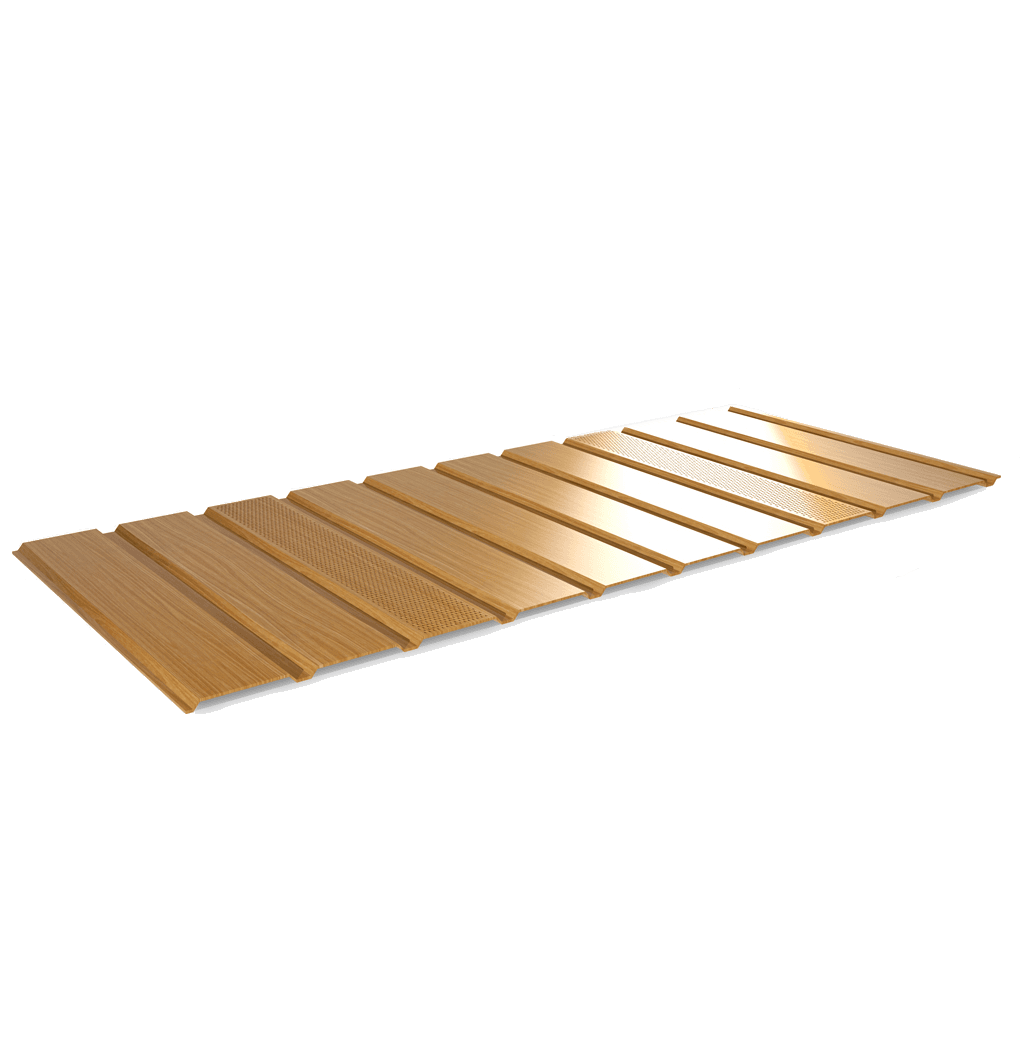
FIORD® panel metal roof tile is a novelty in the company’s offer.
The expressive shape impresses with a decisive embossing resembling a Scandinavian design style. Small embossing on flattens improve the stiffness of the panel, thanks to which we avoid unsightly wavy sheet metal. The symmetry of the roof tile is a great facilitation of roof mounting. Designed primarily for roofs of houses in modern construction.
Tags
See our offer of accessories
Choose the best accessories for your roof!
Pruszyński Sp. z o.o
Sokołów, 05-806 Komorów
ul. Sokołowska 32b
Tel. (48-22) 738 60 00
Fax (48-22) 738 61 01
Infolinia: 880 222 444