
 NEW
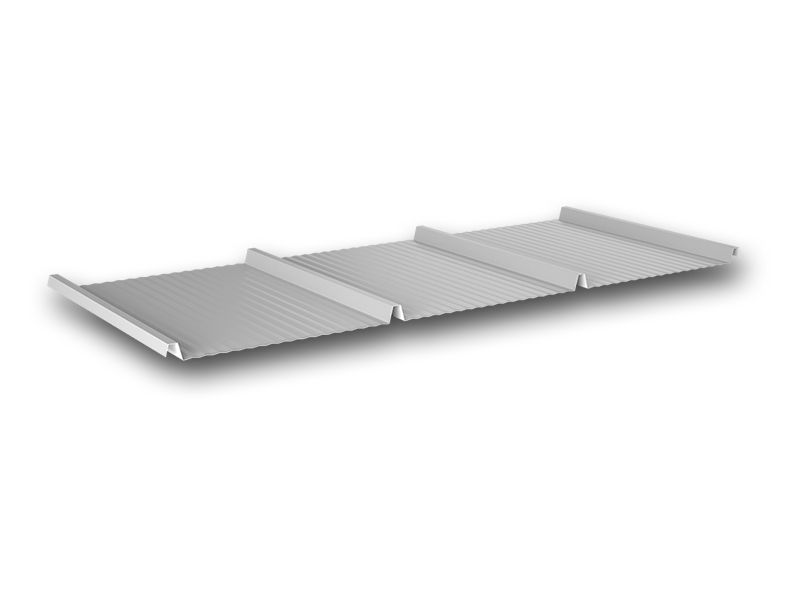
NEW TP26 SUPER - trapezoidal sheet for roof
NEW - Innovative approach to trapezoidal sheets on the roof
Technical specification
General information
TP26 Super is available in all the most popular coatings and colors.
NOTE: The TP26 SUPER trapezoidal roof sheet is available exclusively with micro-corrugation profiling.
We encourage you to familiarize yourself with recommendations regarding assembly and cutting in the section below.
0,70 mm - 7 mb
0,7 mm - only Aluzync

Cutting and assembly
ASSEMBLY
- Supporting structure made of wooden battens 40×50 mm, 40×60 mm, 32×100 mm installed at a maximum spacing of 350 mm measured from the same edges.
- The structure should be checked and, if necessary, leveled to ensure right angles on the roof slope and an even plane.
- The minimum recommended assembly temperature for TP26 SUPER trapezoidal sheets is +5°C.
- In the eave area, it is recommended to use a pull-over eave flashing as a supporting element for sheet installation. The sheets should be prepared by making a so-called “pull-over” (fold) in their starting part, acting as a hook element for the flashing.
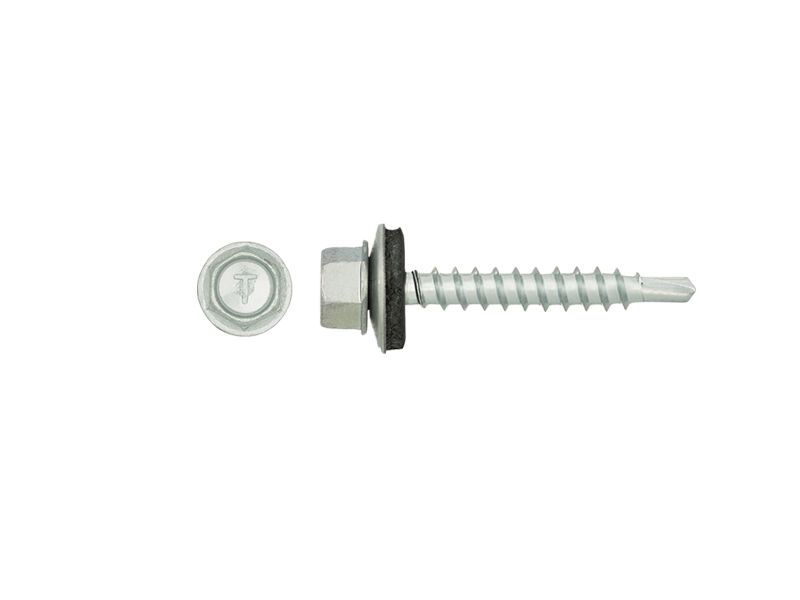
- Fastening of the sheets should be done through the top of the rib at a screw spacing of no more than 700 mm, using TORX 4.8 x 60 mm self-drilling screws in the color of the coating. Attention should be paid to the tightening force; it should ensure proper adhesion of the sheet to the sub-structure without denting the top of the rib. The screw tightening force should be properly adjusted using, for example, the screwdriver’s clutch.
- It is recommended to provide an intake ventilation gap at the eave with a cross-section of min. 200 cm²/1rm and, to protect it against insects and rodents, to install a special perforated metal flashing.
- The recommended outlet ventilation gap should have a cross-section four times smaller than the intake gap per side of the slope (50 cm²/1rm). This is ensured by leaving a 60 mm gap between the sheets of opposite slopes at the ridge and the bilateral installation of a under-ridge strip, in which specially designed perforation ensures optimal airflow while protecting the ridge against wind-blown rain and snow. The sub-ridge strip for TP26 SUPER also serves as a supporting element for the installation of ridge capping, e.g., PROSTA PLUS.
CUTTING
- Electric shears with a rotating head should be used for cutting the sheets. After installation is complete, it is mandatory to clean the surface of any metal filings, screws, etc. In case of surface damage, necessary (spot) retouching should be performed as soon as possible using a paint matching the original color of the sheets.
- The use of an angle grinder to cut coated sheets—or other materials within range of the hot filing stream generated by such cutting—will result in the loss of warranty. Complaints will not be considered.
Other information can be found in the installation instructions dedicated to specific products.
Recommendations
Transport recommendations
- Transport of trapezoidal sheets should be done with special vehicle which shall have an open loading platform allowing easy loading and unloading, with the length suitable for ordered sheets. The sheets shall not extend beyond the platform otherwise it may cause damage and in consequence loss of the guarantee . The steel sheets must be protected against drifting and soaking.
- Unloading shall be carried out by the proper number of people, that is in the case of long sheets (ca. 6linear metre) the sheets shall be unloaded by 6 people, three on each side.
- Special attention shall be paid not to friction one sheet against the other, bend the side edges or stretch the sheet. Steel sheet deformation during the unloading and moving can result in problems with proper installation (chinks in clamps). It is of course the best to unload in original manufacturer packaging , using mechanical unloading equipment.
- Special carefulness should be maintained during unloading in winter and during storing in heated warehouses.
- Transport of trapezoidal sheets should be done with special vehicle which shall have an open loading platform allowing easy loading and unloading, with the length suitable for ordered sheets. The sheets shall not extend beyond the platform otherwise it may cause damage and in consequence loss of the guarantee . The steel sheets must be protected against drifting and soaking.
- Unloading shall be carried out by the proper number of people, that is in the case of long sheets (ca. 6linear metre) the sheets shall be unloaded by 6 people, three on each side.
- Special attention shall be paid not to friction one sheet against the other, bend the side edges or stretch the sheet. Steel sheet deformation during the unloading and moving can result in problems with proper installation (chinks in clamps). It is of course the best to unload in original manufacturer packaging , using mechanical unloading equipment.
- Special carefulness should be maintained during unloading in winter and during storing in heated warehouses.
- Transport of trapezoidal sheets should be done with special vehicle which shall have an open loading platform allowing easy loading and unloading, with the length suitable for ordered sheets. The sheets shall not extend beyond the platform otherwise it may cause damage and in consequence loss of the guarantee . The steel sheets must be protected against drifting and soaking.
- Unloading shall be carried out by the proper number of people, that is in the case of long sheets (ca. 6linear metre) the sheets shall be unloaded by 6 people, three on each side.
- Special attention shall be paid not to friction one sheet against the other, bend the side edges or stretch the sheet. Steel sheet deformation during the unloading and moving can result in problems with proper installation (chinks in clamps). It is of course the best to unload in original manufacturer packaging , using mechanical unloading equipment.
- Special carefulness should be maintained during unloading in winter and during storing in heated warehouses.
- Transport of trapezoidal sheets should be done with special vehicle which shall have an open loading platform allowing easy loading and unloading, with the length suitable for ordered sheets. The sheets shall not extend beyond the platform otherwise it may cause damage and in consequence loss of the guarantee . The steel sheets must be protected against drifting and soaking.
- Unloading shall be carried out by the proper number of people, that is in the case of long sheets (ca. 6linear metre) the sheets shall be unloaded by 6 people, three on each side.
- Special attention shall be paid not to friction one sheet against the other, bend the side edges or stretch the sheet. Steel sheet deformation during the unloading and moving can result in problems with proper installation (chinks in clamps). It is of course the best to unload in original manufacturer packaging , using mechanical unloading equipment.
- Special carefulness should be maintained during unloading in winter and during storing in heated warehouses.
Storage
- Oiling and passivation of galvanised steel sheets is a form of protection against white corrosion only during the transport.
- Steel sheets stored in packages and coils cannot be stored outside or in premises with high humidity and changing temperatures. Zinc and aluzinc coats, especially if they have not been exposed to atmospheric conditions and thus without securing it protection layer, are vulnerable to water condensate if the access of air is limited (steel sheets stored in stacks). Special attention should be paid to unloading in winter and storing in heated warehouses. As a result of significant difference of temperature, the water arrives between the sheets.
- Sheets which got wet during transport or storing shall be dried, next the sheets shall be separated with washers allowing free air circulation. When dry, the galvanized (aluzinc) sheets shall be inspected and oiled with preservative oil.
- Steel sheets to be stored for a long time shall be inspected and covered with a layer of machine oil ( zinc and aluzinc covered steel sheets) and protected against humidity (all types of steel sheets).
- If the above instructions are not followed, the zinc or aluzinc corrosion – white layers loosely adhered to the sheet , which are not the protection against the steel corrosion – may arrive (in the case of galvanized and aluzinc sheets even within a couple of days).
- The coated steel sheets in manufacturer packaging shall not be stored for more than 3 weeks from the date of manufacturing. After that the packaging shall be opened and the sheets separated with washers allowing for free air circulation. The maximum period of storage shall not exceed 6 months from the date of manufacturing under the pain of loss of guarantee.
- Protective films are applied as additional protection of steel sheets against mechanical damage, stress and impact possible during transport, reloading or forming. Protective films do not exempt the customer from the obligation to protect the sheets properly during their storage or against harmful impact of chemical factors during the processing. It is recommended that the film is removed from each ready to use profile soon before it is to be installed on the wall or the roof.
- Oiling and passivation of galvanised steel sheets is a form of protection against white corrosion only during the transport.
- Steel sheets stored in packages and coils cannot be stored outside or in premises with high humidity and changing temperatures. Zinc and aluzinc coats, especially if they have not been exposed to atmospheric conditions and thus without securing it protection layer, are vulnerable to water condensate if the access of air is limited (steel sheets stored in stacks). Special attention should be paid to unloading in winter and storing in heated warehouses. As a result of significant difference of temperature, the water arrives between the sheets.
- Sheets which got wet during transport or storing shall be dried, next the sheets shall be separated with washers allowing free air circulation. When dry, the galvanized (aluzinc) sheets shall be inspected and oiled with preservative oil.
- Steel sheets to be stored for a long time shall be inspected and covered with a layer of machine oil ( zinc and aluzinc covered steel sheets) and protected against humidity (all types of steel sheets).
- If the above instructions are not followed, the zinc or aluzinc corrosion – white layers loosely adhered to the sheet , which are not the protection against the steel corrosion – may arrive (in the case of galvanized and aluzinc sheets even within a couple of days).
- The coated steel sheets in manufacturer packaging shall not be stored for more than 3 weeks from the date of manufacturing. After that the packaging shall be opened and the sheets separated with washers allowing for free air circulation. The maximum period of storage shall not exceed 6 months from the date of manufacturing under the pain of loss of guarantee.
- Protective films are applied as additional protection of steel sheets against mechanical damage, stress and impact possible during transport, reloading or forming. Protective films do not exempt the customer from the obligation to protect the sheets properly during their storage or against harmful impact of chemical factors during the processing. It is recommended that the film is removed from each ready to use profile soon before it is to be installed on the wall or the roof.
Maintenance and cleaning
- In order to extend durability of roofs and elevations it’s recommended to check and conservative it.
- Inspection – One time a year (it’s best in spring) there should be inspection of roof/elevation in order to early detection of possible damage.
- Cleaning of steel sheet – Roof and elevation made of steel sheets require cleaning at least once a year. Stratifying dirt on steel sheet may cause uneven discoloration of lacquer (because of uneven impact of UV beams), and lower protection to corrosion(dust traps humidity on steel sheets which causes damage). Dirty and stained spots can be cleaned by soft brush and water (temp. max. 60c). If it is necessary it is permitted to use some light detergent (ph 6/7, max 10% solution). There also can be used pressed water(max. 100bar) to cleaning, however the beam of water cannot be applicated too near of surface of sheets(min. 30 cm), also it shouldn’t be perpendicularly to surface. Near the connections water beam should be directed to bottom, to avoid water of entering cracks near connections. With old surfaces of steel sheets we should deal with high cautiously. Cleaning should be conducted from top to bottom, and cleaned spots should be rinsed out immediately.
- It is not permitted to use scouring powders, nitro solvent, chlorine liquor, aromatised substances, substances with Amon chloride or sodium.
- Damages – Possible damages during guarantee should be consulted with Contractor of roof/elevation and can be repaired only with his written permission.Repair of damages on small surfaces is done with quick-drying varnish. However painting big surfaces should be done with special industrial paints to renovating coverings. Painting should be limited only to special damaged spots (scratches to steel, centres of corrosion etc.)Preparation of surface to painting should be done with generally accepted rules. It is necessary to precisely remove all signs of corrosion – best with special brush or close-grained sandpaper. Then that surface should be undusted, degreased and cleaned. To degrease extraction naptha or water with addition of surfactant(best with 1-2%solution of ammoniac) can be used. Repaired spots may be different in colour compared to original steel sheets because of natural impact of atmospheric phenomenon (ageing of varnish due to impact of UV radiation)
- ATTENTION!– During inspecting, cleaning, conservation and repair all work safety regulations should be obeyed.Pruszyński Sp. z o.o. is not in charge of possible accidents during carrying out all following actions.
- In order to extend durability of roofs and elevations it’s recommended to check and conservative it.
- Inspection – One time a year (it’s best in spring) there should be inspection of roof/elevation in order to early detection of possible damage.
- Cleaning of steel sheet – Roof and elevation made of steel sheets require cleaning at least once a year. Stratifying dirt on steel sheet may cause uneven discoloration of lacquer (because of uneven impact of UV beams), and lower protection to corrosion(dust traps humidity on steel sheets which causes damage). Dirty and stained spots can be cleaned by soft brush and water (temp. max. 60c). If it is necessary it is permitted to use some light detergent (ph 6/7, max 10% solution). There also can be used pressed water(max. 100bar) to cleaning, however the beam of water cannot be applicated too near of surface of sheets(min. 30 cm), also it shouldn’t be perpendicularly to surface. Near the connections water beam should be directed to bottom, to avoid water of entering cracks near connections. With old surfaces of steel sheets we should deal with high cautiously. Cleaning should be conducted from top to bottom, and cleaned spots should be rinsed out immediately.
- It is not permitted to use scouring powders, nitro solvent, chlorine liquor, aromatised substances, substances with Amon chloride or sodium.
- Damages – Possible damages during guarantee should be consulted with Contractor of roof/elevation and can be repaired only with his written permission.Repair of damages on small surfaces is done with quick-drying varnish. However painting big surfaces should be done with special industrial paints to renovating coverings. Painting should be limited only to special damaged spots (scratches to steel, centres of corrosion etc.)Preparation of surface to painting should be done with generally accepted rules. It is necessary to precisely remove all signs of corrosion – best with special brush or close-grained sandpaper. Then that surface should be undusted, degreased and cleaned. To degrease extraction naptha or water with addition of surfactant(best with 1-2%solution of ammoniac) can be used. Repaired spots may be different in colour compared to original steel sheets because of natural impact of atmospheric phenomenon (ageing of varnish due to impact of UV radiation)
- ATTENTION!– During inspecting, cleaning, conservation and repair all work safety regulations should be obeyed.Pruszyński Sp. z o.o. is not in charge of possible accidents during carrying out all following actions.
Technical specification of the coating
Available colours


Technical specification of the coating
Available colours


Technical specification of the coating
Available colours
Technical specification of the coating
Available colours

Technical specification of the coating
Available colours
Product description
Roof trapezoids
Trapezoidal sheets are an economical material for covering roofs and facades.
A wide selection of profiles – from a height of 6 mm to 200 mm – and types of sheet metal (galvanized, coated) allows for various applications on roofs and facades, gates and fences as well as load -bearing structures in individual and industrial construction.
The latest version of our trapezoidal roof sheets is the TP26 SUPER. It features a profile that significantly differs from typical trapezoidal sheets. The TP26 SUPER trapezoidal roof sheet is currently available in our offer with micro-corrugation profiling.
Despite its originality, TP26 SUPER is easy to install and compatible with most accessories in our range. We encourage you to explore our AURA roof windows, available with dedicated flashing. For the TP26 SUPER trapezoidal sheet, we recommend using the KRS flashing designed for standing seam panels, which is available in our offer.
.
Tags
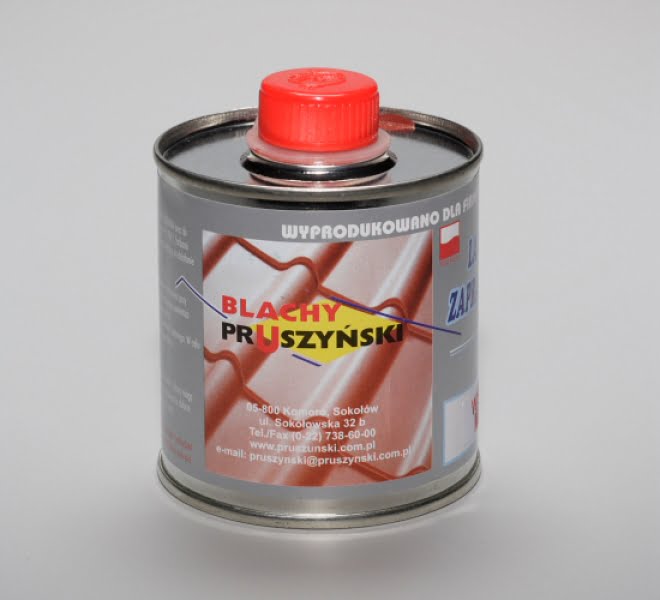
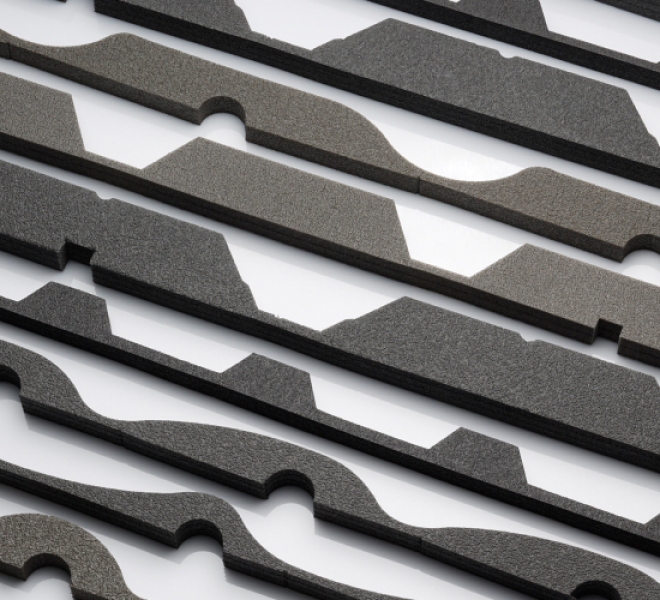
See our offer of accessories
Choose the best accessories for your roof!


Pruszyński Sp. z o.o
Sokołów, 05-806 Komorów
ul. Sokołowska 32b
Tel. (48-22) 738 60 00
Fax (48-22) 738 61 01
Infolinia: 880 222 444