
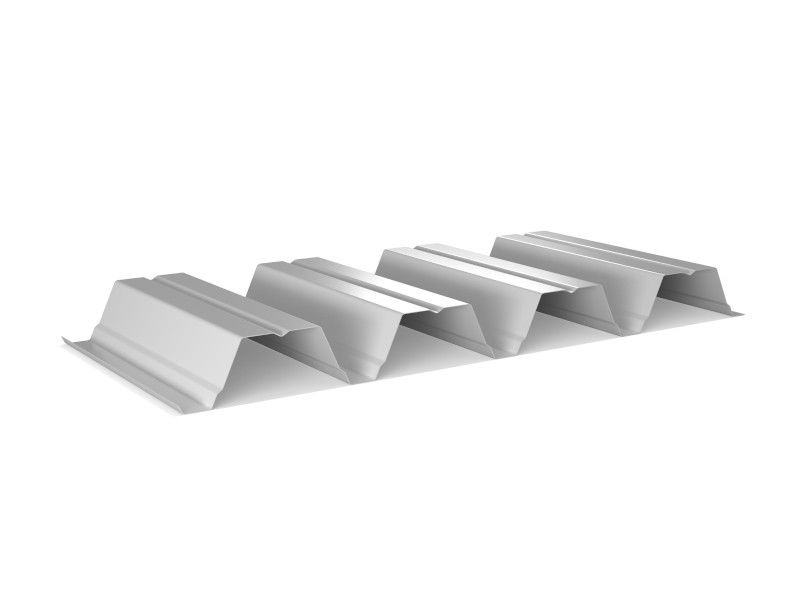
T94 - Construction trapezoidal sheet
Technical specification
General information
Material:
Min. length of sheets:
Thickness:

Recommendations
Zalecenia transportowe
- W przypadku odbioru własnym środkiem transportu, samochód powinien posiadać otwartą platformę załadunkową umożliwiającą swobodny załadunek jak i rozładunek.
- Blachy ocynkowane i aluzynkowe należy bezględnie zabezpieczyć przed zamoczniem!
- Rozładunek “ręczny” powinien być przeprowadzony przez odpowiednią liczbę osób tzn. przy długich arkuszach (ok. 6 mb) powinno uczestniczyć 6 osób, po 3 z każdej strony, zwracając szczególną uwagę, aby nie przesuwać po sobie blach, nie odginać bocznych krawędzi oraz ich nie rozciągać. Deformacja blach podczas rozładunku i przenoszenia powoduje późniejsze problemy z ich prawidłowym montażem (szpary na zamkach).
- Najodpowiedniejszy jest rozładunek w opakowaniach producenta przy użyciu urządzeń mechanicznych.
- W przypadku odbioru własnym środkiem transportu, samochód powinien posiadać otwartą platformę załadunkową umożliwiającą swobodny załadunek jak i rozładunek.
- Blachy ocynkowane i aluzynkowe należy bezględnie zabezpieczyć przed zamoczniem!
- Rozładunek “ręczny” powinien być przeprowadzony przez odpowiednią liczbę osób tzn. przy długich arkuszach (ok. 6 mb) powinno uczestniczyć 6 osób, po 3 z każdej strony, zwracając szczególną uwagę, aby nie przesuwać po sobie blach, nie odginać bocznych krawędzi oraz ich nie rozciągać. Deformacja blach podczas rozładunku i przenoszenia powoduje późniejsze problemy z ich prawidłowym montażem (szpary na zamkach).
- Najodpowiedniejszy jest rozładunek w opakowaniach producenta przy użyciu urządzeń mechanicznych.
Zalecenia sposobu składowania
- Oliwienie i pasywowanie blach ocynkowanych stanowi zabezpieczenie przed białą korozją jedynie na czas transportu.
- Blachy składowane w pakietach i kręgach nie mogą być przechowywane na wolnym powietrzu lub w pomieszczeniach narażonych na działanie wilgoci i zmiennych temperatur. Powłoki cynkowe i aluzynkowe w szczególności niepoddane jeszcze wpływom warunków atmosferycznych, a więc bez zabezpieczającej je strefy ochronnej, są wrażliwe na kondensat wodny przy ograniczonym dostępie powietrza (blacha składowana w sztaplach). Szczególną uwagę należy zwrócić na rozładunek w warunkach zimowych i magazynowanie w ogrzewanych magazynach. Na skutek znacznej różnicy temperatur pomiędzy arkuszami wytrąca się woda.
- Blachy zamoczone w czasie transportu lub składowania należy wysuszyć, następnie przełożyć arkusze przekładkami umożliwiającymi swobodną cyrkulację powietrza. Po wysuszeniu blachy ocynkowane (aluzynkowe) należy przejrzeć i pokryć warstwa oleju konserwującego.
- Blachy przeznaczone do dłuższego składowania należy przejrzeć, a następnie pokryć warstwą oleju maszynowego (dot. blach ocynkowanych i aluzynkowych), a przede wszystkim zabezpieczyć przed wilgocią (dot. wszystkich blach).
- Efektem nie przestrzegania powyższych zaleceń jest powstanie stosunkowo szybko (dla blach ocynkowanych i aluzynkowych może to być zaledwie kilka dni) korozji cynku – czyli białych, luźno związanych z podłożem warstw, nie stanowiących zabezpieczenia przed korozją.
- Blachy powlekane w opakowaniach fabrycznych nie powinny być składowane dłużej niż 3 tygodnie od daty produkcji. Po tym czasie opakowanie należy rozciąć, a arkusze przełożyć przekładkami umożliwiającymi swobodną cyrkulację powietrza. Maksymalny czas magazynowania nie powinien być dłuższy niż 6 miesięcy licząc od daty produkcji pod rygorem utraty gwarancji.
- Folie ochronne stosowane są, aby dodatkowo zabezpieczyć blachy powlekane przed uszkodzeniami mechanicznymi, naprężeniami i uderzeniami mogącymi wystąpić w czasie transportu, przeładunku czy profilowania. Folie ochronne nigdy nie zwalniają z obowiązku właściwego zabezpieczenia blach podczas magazynowania ani przed szkodliwym działaniem czynników chemicznych podczas procesu ich przetwarzania. Zaleca się stopniowe usuwanie folii z gotowych profili, element po elemencie, przed zamocowaniem elementów ściennych i dachowych na budynku. Usunięcie folii ochronnej z powierzchni blachy powinno nastąpić w ciągu trzech tygodni od daty wyprodukowania blachy jeśli towar przechowywany jest we właściwy sposób, tj. z zachowaniem dodatniej temperatury, braku dużej wilgotności, bez bezpośredniego działania promieni słonecznych. Brak zachowania odpowiednich warunków przechowywania towaru może skrócić czas usuwania folii do trzech dni licząc od daty dostawy towaru.
- Niewłaściwy sposób składowania może powodować utrudnienia w usuwaniu folii ochronnej oraz pozostawiać na arkuszach ślady po kleju.
- Oliwienie i pasywowanie blach ocynkowanych stanowi zabezpieczenie przed białą korozją jedynie na czas transportu.
- Blachy składowane w pakietach i kręgach nie mogą być przechowywane na wolnym powietrzu lub w pomieszczeniach narażonych na działanie wilgoci i zmiennych temperatur. Powłoki cynkowe i aluzynkowe w szczególności niepoddane jeszcze wpływom warunków atmosferycznych, a więc bez zabezpieczającej je strefy ochronnej, są wrażliwe na kondensat wodny przy ograniczonym dostępie powietrza (blacha składowana w sztaplach). Szczególną uwagę należy zwrócić na rozładunek w warunkach zimowych i magazynowanie w ogrzewanych magazynach. Na skutek znacznej różnicy temperatur pomiędzy arkuszami wytrąca się woda.
- Blachy zamoczone w czasie transportu lub składowania należy wysuszyć, następnie przełożyć arkusze przekładkami umożliwiającymi swobodną cyrkulację powietrza. Po wysuszeniu blachy ocynkowane (aluzynkowe) należy przejrzeć i pokryć warstwa oleju konserwującego.
- Blachy przeznaczone do dłuższego składowania należy przejrzeć, a następnie pokryć warstwą oleju maszynowego (dot. blach ocynkowanych i aluzynkowych), a przede wszystkim zabezpieczyć przed wilgocią (dot. wszystkich blach).
- Efektem nie przestrzegania powyższych zaleceń jest powstanie stosunkowo szybko (dla blach ocynkowanych i aluzynkowych może to być zaledwie kilka dni) korozji cynku – czyli białych, luźno związanych z podłożem warstw, nie stanowiących zabezpieczenia przed korozją.
- Blachy powlekane w opakowaniach fabrycznych nie powinny być składowane dłużej niż 3 tygodnie od daty produkcji. Po tym czasie opakowanie należy rozciąć, a arkusze przełożyć przekładkami umożliwiającymi swobodną cyrkulację powietrza. Maksymalny czas magazynowania nie powinien być dłuższy niż 6 miesięcy licząc od daty produkcji pod rygorem utraty gwarancji.
- Folie ochronne stosowane są, aby dodatkowo zabezpieczyć blachy powlekane przed uszkodzeniami mechanicznymi, naprężeniami i uderzeniami mogącymi wystąpić w czasie transportu, przeładunku czy profilowania. Folie ochronne nigdy nie zwalniają z obowiązku właściwego zabezpieczenia blach podczas magazynowania ani przed szkodliwym działaniem czynników chemicznych podczas procesu ich przetwarzania. Zaleca się stopniowe usuwanie folii z gotowych profili, element po elemencie, przed zamocowaniem elementów ściennych i dachowych na budynku. Usunięcie folii ochronnej z powierzchni blachy powinno nastąpić w ciągu trzech tygodni od daty wyprodukowania blachy jeśli towar przechowywany jest we właściwy sposób, tj. z zachowaniem dodatniej temperatury, braku dużej wilgotności, bez bezpośredniego działania promieni słonecznych. Brak zachowania odpowiednich warunków przechowywania towaru może skrócić czas usuwania folii do trzech dni licząc od daty dostawy towaru.
- Niewłaściwy sposób składowania może powodować utrudnienia w usuwaniu folii ochronnej oraz pozostawiać na arkuszach ślady po kleju.
Cięcie i montaż
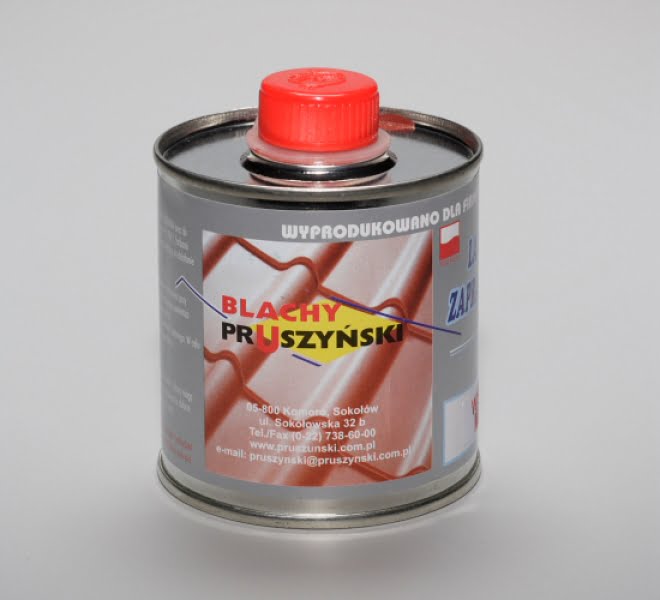
- Do cięcia blach należy używać nożyc elektrycznych z głowicą rotującą. Po zakończeniu montażu bezwzględnie oczyścić powierzchnię z opiłków, wkrętów itp. W przypadku uszkodzenia powierzchni należy jak najszybciej wykonać niezbędny (punktowy) retusz, przy zastosowaniu lakieru odpowiedniego z oryginalnym kolorem blach.
- W przypadku użycia szlifierki reklamacje nie będą uwzględniane.Pozostałe informację znajda Państwo w instrukcjach montażu dedykowanych poszczególnym produktom.
- Do cięcia blach należy używać nożyc elektrycznych z głowicą rotującą. Po zakończeniu montażu bezwzględnie oczyścić powierzchnię z opiłków, wkrętów itp. W przypadku uszkodzenia powierzchni należy jak najszybciej wykonać niezbędny (punktowy) retusz, przy zastosowaniu lakieru odpowiedniego z oryginalnym kolorem blach.
- W przypadku użycia szlifierki reklamacje nie będą uwzględniane.Pozostałe informację znajda Państwo w instrukcjach montażu dedykowanych poszczególnym produktom.
Konserwacja i mycieW celu przedłużenia okresu trwałości dachów i elewacji wykonanych z blach powlekanych należy regularnie je kontrolować i konserwować.
- Przegląd – Raz w roku (najlepiej wiosną) należy dokonać przeglądu dachu/elewacji w celu wczesnego wykrycia ewentualnych uszkodzeń.
- Czyszczenie blachy – Dachy/elewacje wykonywane z blachy powlekanej wymagają czyszczenia co najmniej raz w roku. Osadzający się na blasze brud może spowodować nierównomierne odbarwianie się koloru (wynik nierównomiernego oddziaływania promieni UV), a także do zmniejszenia odporności na korozję (brud zatrzymuje wilgoć na blasze stopniowo ją uszkadzając). Zabrudzone i poplamione miejsca mogą być czyszczone przy pomocy miękkiej szczotki i wody (temp. max. 60°C). Jeśli jest to konieczne dopuszcza się dodanie do wody łagodnego detergentu (pH 6÷7, max. 10% roztwór). Do czyszczenia może być także użyta woda pod ciśnieniem (max. 100 bar), jednakże strumień wody nie może być stosowany zbyt blisko powierzchni arkusza (min. 30 cm), a także nie może być skierowany prostopadle do powierzchni . Przy łącznikach strumień wody powinien być skierowany ku dołowi tak, aby uniknąć wnikania wody pod ciśnieniem w szczeliny wokół łączników. Ze starymi powłokami należy obchodzić się z wyjątkową ostrożnością. Mycie należy przeprowadzać od góry ku dołowi i zawsze oczyszczone miejsce należy niezwłocznie dokładnie opłukać czystą wodą.
- Nie wolno stosować proszków do szorowania, rozpuszczalników nitro, roztworów chlorowych, aromatycznych środków, jak również środków zawierających salmiak (chlorek amonu) lub sole sodowe.
- Uszkodzenia – Naprawianie ewentualnych uszkodzeń w trakcie trwania okresu gwarancji powinno być konsultowane z Wykonawcą dachu/elewacji i może być wykonywane tylko za jego aprobatą. Naprawa szkód na małych powierzchniach odbywa się przy pomocy lakierów do napraw, schnących na powietrzu. Malowanie dużych powierzchni jest z zasady możliwe tylko za pomocą specjalnych farb przemysłowych dostosowanych do renowacji pokryć. Powierzchnię do malowania należy ograniczyć tylko do miejsc tego wymagających (zadrapania do warstwy metalu, ogniska korozji itp.). Przygotowanie powierzchni do malowania należy wykonać wg ogólnie przyjętych zasad. Należy zawsze dokładnie usunąć wszelkie ślady korozji – najlepiej za pomocą specjalnych szczotek lub drobnoziarnistego papieru ściernego. Następnie trzeba naprawianą powierzchnię dokładnie odpylić, odtłuścić i oczyścić. Do odtłuszczenia powierzchni można użyć benzyny ekstrakcyjnej lub wody z dodatkiem środków powierzchniowo-czynnych (najlepiej z dodatkiem 1-2% roztworu amoniaku). Naprawiane strefy mogą wykazywać różnice w kolorze w porównaniu z oryginalnymi kolorami blach z powodu naturalnego oddziaływania zjawisk atmosferycznych (starzenie się lakieru pod wpływem działania promieniowania UV).
- Nie wolno stosować blach stalowych powlekanych organicznie w:
- środowisku o stałym kontakcie z wodą o dużym stopniu zasolenia,
- kontakcie z chemią budowlaną, w tym beton, tynk, mokre drewno itp.,
- w środowisku narażonym na występowanie agresywnych chemikaliów
- połączeniu z materiałami o innym potencjale elektrochemicznym
- UWAGA– W trakcie przeglądu, czyszczenia, konserwacji i napraw należy bezwzględnie przestrzegać zasad BHP.
Firma Pruszyński Sp. z o.o. nie odpowiada za ewentualne wypadki powstałe w wynikuwykonywania powyższych czynności.
W celu przedłużenia okresu trwałości dachów i elewacji wykonanych z blach powlekanych należy regularnie je kontrolować i konserwować.
- Przegląd – Raz w roku (najlepiej wiosną) należy dokonać przeglądu dachu/elewacji w celu wczesnego wykrycia ewentualnych uszkodzeń.
- Czyszczenie blachy – Dachy/elewacje wykonywane z blachy powlekanej wymagają czyszczenia co najmniej raz w roku. Osadzający się na blasze brud może spowodować nierównomierne odbarwianie się koloru (wynik nierównomiernego oddziaływania promieni UV), a także do zmniejszenia odporności na korozję (brud zatrzymuje wilgoć na blasze stopniowo ją uszkadzając). Zabrudzone i poplamione miejsca mogą być czyszczone przy pomocy miękkiej szczotki i wody (temp. max. 60°C). Jeśli jest to konieczne dopuszcza się dodanie do wody łagodnego detergentu (pH 6÷7, max. 10% roztwór). Do czyszczenia może być także użyta woda pod ciśnieniem (max. 100 bar), jednakże strumień wody nie może być stosowany zbyt blisko powierzchni arkusza (min. 30 cm), a także nie może być skierowany prostopadle do powierzchni . Przy łącznikach strumień wody powinien być skierowany ku dołowi tak, aby uniknąć wnikania wody pod ciśnieniem w szczeliny wokół łączników. Ze starymi powłokami należy obchodzić się z wyjątkową ostrożnością. Mycie należy przeprowadzać od góry ku dołowi i zawsze oczyszczone miejsce należy niezwłocznie dokładnie opłukać czystą wodą.
- Nie wolno stosować proszków do szorowania, rozpuszczalników nitro, roztworów chlorowych, aromatycznych środków, jak również środków zawierających salmiak (chlorek amonu) lub sole sodowe.
- Uszkodzenia – Naprawianie ewentualnych uszkodzeń w trakcie trwania okresu gwarancji powinno być konsultowane z Wykonawcą dachu/elewacji i może być wykonywane tylko za jego aprobatą. Naprawa szkód na małych powierzchniach odbywa się przy pomocy lakierów do napraw, schnących na powietrzu. Malowanie dużych powierzchni jest z zasady możliwe tylko za pomocą specjalnych farb przemysłowych dostosowanych do renowacji pokryć. Powierzchnię do malowania należy ograniczyć tylko do miejsc tego wymagających (zadrapania do warstwy metalu, ogniska korozji itp.). Przygotowanie powierzchni do malowania należy wykonać wg ogólnie przyjętych zasad. Należy zawsze dokładnie usunąć wszelkie ślady korozji – najlepiej za pomocą specjalnych szczotek lub drobnoziarnistego papieru ściernego. Następnie trzeba naprawianą powierzchnię dokładnie odpylić, odtłuścić i oczyścić. Do odtłuszczenia powierzchni można użyć benzyny ekstrakcyjnej lub wody z dodatkiem środków powierzchniowo-czynnych (najlepiej z dodatkiem 1-2% roztworu amoniaku). Naprawiane strefy mogą wykazywać różnice w kolorze w porównaniu z oryginalnymi kolorami blach z powodu naturalnego oddziaływania zjawisk atmosferycznych (starzenie się lakieru pod wpływem działania promieniowania UV).
- Nie wolno stosować blach stalowych powlekanych organicznie w:
- środowisku o stałym kontakcie z wodą o dużym stopniu zasolenia,
- kontakcie z chemią budowlaną, w tym beton, tynk, mokre drewno itp.,
- w środowisku narażonym na występowanie agresywnych chemikaliów
- połączeniu z materiałami o innym potencjale elektrochemicznym
- UWAGA– W trakcie przeglądu, czyszczenia, konserwacji i napraw należy bezwzględnie przestrzegać zasad BHP.
Firma Pruszyński Sp. z o.o. nie odpowiada za ewentualne wypadki powstałe w wynikuwykonywania powyższych czynności.
Technical specification of the coating
Available colours

Technical specification of the coating
Available colours
Technical specification of the coating
Available colours
Product description

Construction trapezoids
High embossing profiles are structural elements and due to their high strength they are used on roofs with large spans.
High strength parameters mean that they are used in the construction of large industrial and commercial facilities. These sheets can be used in load -bearing constructions with large span and for ceilings.
Tags
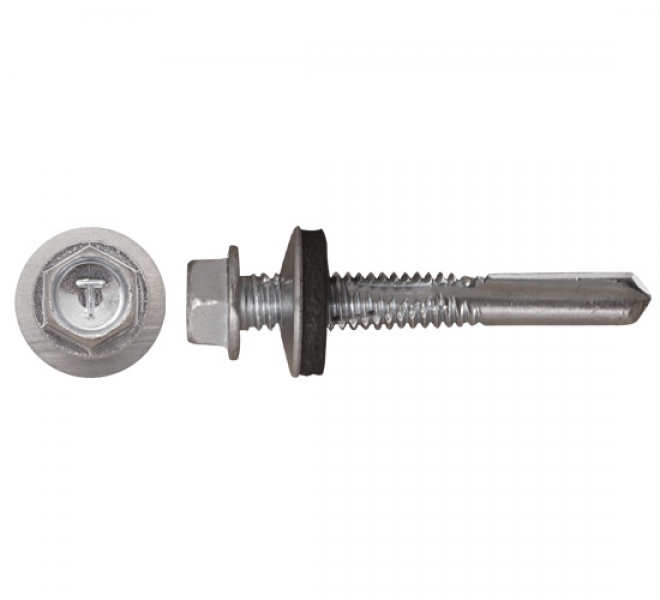
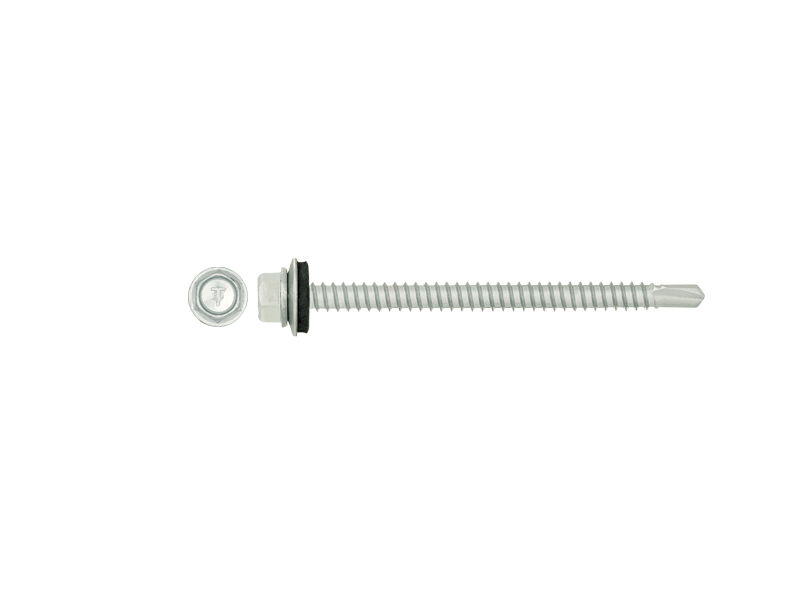
See our offer of accessories
Pruszyński Sp. z o.o
Sokołów, 05-806 Komorów
ul. Sokołowska 32b
Tel. (48-22) 738 60 00
Fax (48-22) 738 61 01
Infolinia: 880 222 444