
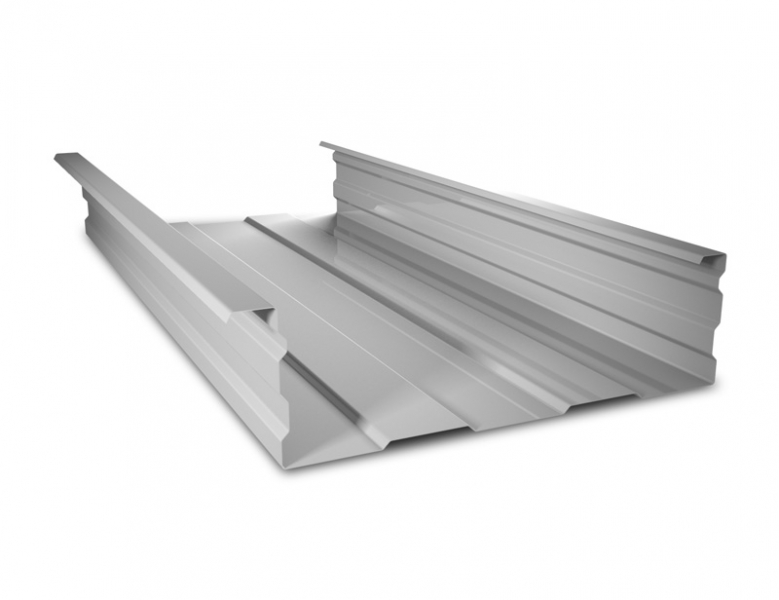
500/180P Wall Cassette
Technical specification
Technical Information
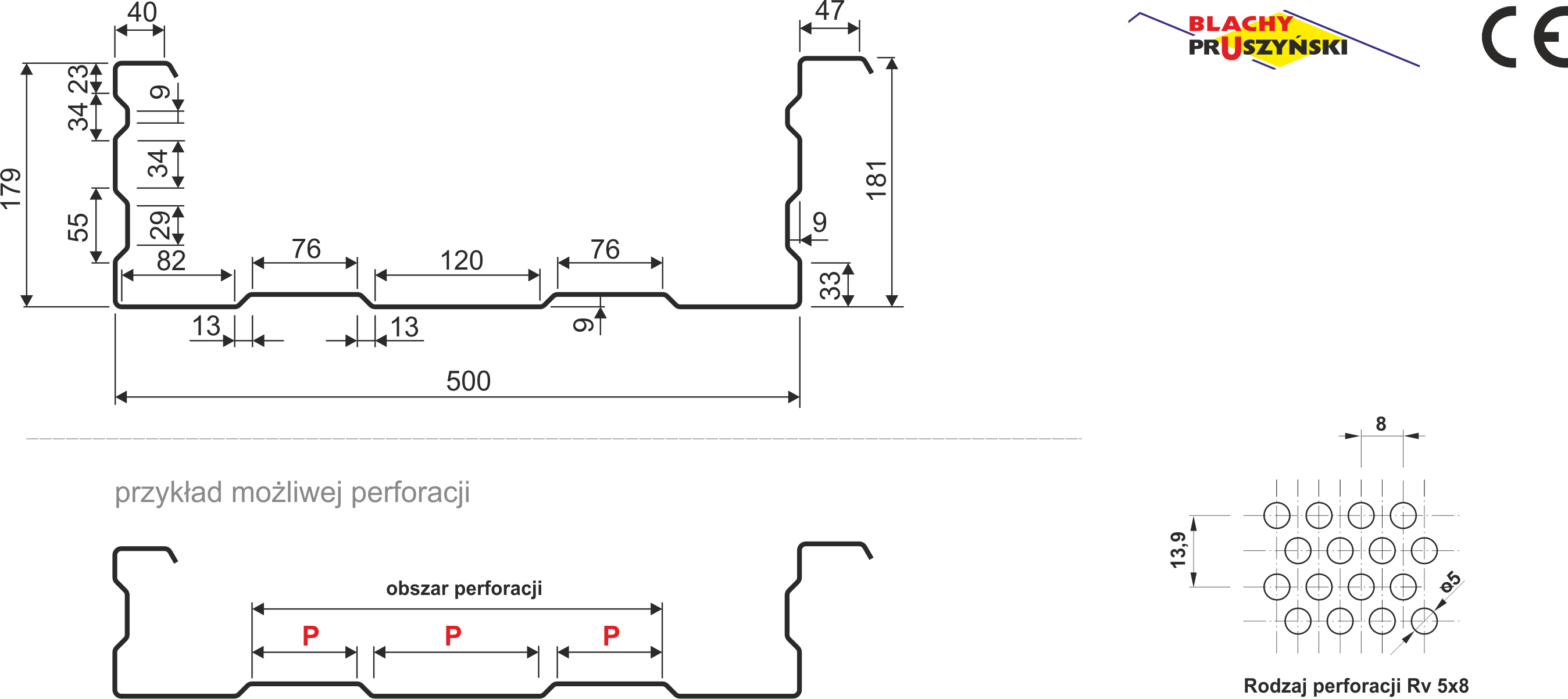
Overall width:
Overall height:
material:
min. length:
thickness [mm]:
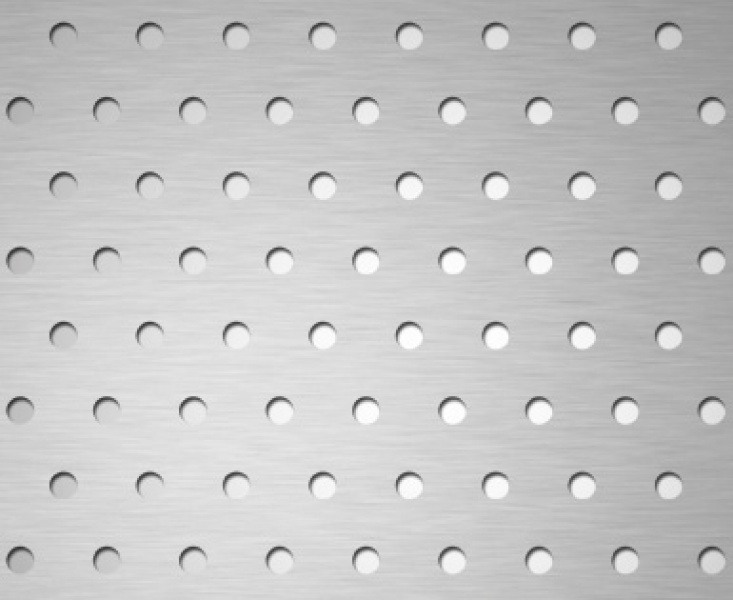
Perforation options:
Recommendations
Shipping Recommendations
- If you are picking up the goods with your own vehicle, the vehicle should have an open loading platform that allows for easy loading and unloading.
- Galvanized and aluzinc sheets must be protected from getting wet at all costs!
- “Manual” unloading should be performed by an adequate number of people; that is, for long sheets (approx. 6 mb), 6 people should be involved, 3 on each side, taking special care not to slide the sheets over one another, not to bend the side edges, and not to stretch them. Deformation of the sheets during unloading and handling causes subsequent problems with their proper assembly (gaps at the seams).
- The most appropriate method is to unload the goods in the manufacturer’s packaging using mechanical equipment.
Storage Recommendations
- Oiling and passivating galvanized sheet metal provides protection against white corrosion only during transport.
- Sheets stored in bundles and coils must not be kept outdoors or in areas exposed to moisture and fluctuating temperatures. Zinc and aluminum-zinc coatings, particularly those that have not yet been exposed to atmospheric conditions—and thus lack a protective layer—are sensitive to water condensation when air circulation is limited (sheets stored in stacks). Special attention should be paid to unloading in winter conditions and storage in heated warehouses. Due to the significant temperature difference between the sheets, water condenses.
- Sheets that have become wet during transport or storage should be dried; then, separate the sheets with spacers that allow for free air circulation. After drying, galvanized (aluminum-zinc) sheets should be inspected and coated with a layer of preservative oil.
- Sheets intended for long-term storage should be inspected and then coated with a layer of machine oil (for galvanized and aluzinc sheets), and, above all, protected from moisture (for all sheets).
- Failure to follow the above recommendations results in the relatively rapid formation (for galvanized and aluzinc sheets, this can take as little as a few days) of zinc corrosion —that is, white layers loosely attached to the substrate that do not provide protection against corrosion.
- Coated sheets in their original factory packaging should not be stored for more than 3 weeks from the date of manufacture. After this time, the packaging must be opened, and the sheets must be separated with spacers that allow for free air circulation. The maximum storage period should not exceed 6 months from the date of manufacture, under penalty of voiding the Warranty.
- Protective films are used to provide additional protection for coated sheet metal against mechanical damage, stress, and impacts that may occur during transportation, handling, or forming. Protective films never exempt the user from the obligation to properly secure the sheets during storage or to protect them from the harmful effects of chemicals during processing. It is recommended to gradually remove the film from the finished profiles, one piece at a time, shortly before installing the wall and roof components on the building.
- Improper storage can make it difficult to remove the protective film and leave adhesive residue on the sheets.
Cutting and Assembly
- Use electric shears with a rotating head to cut sheet metal. After completing the assembly, be sure to clean the surface of any metal shavings, screws, etc. If the surface is damaged, perform the necessary (spot) touch-up as soon as possible, using paint that matches the original color of the sheet metal.
- If a grinder is used, complaints will not be accepted. For additional information, please refer to the assembly instructions for each specific product.
Maintenance and CleaningTo extend the service life of roofs and facades made of coated sheet metal, they should be inspected and maintained regularly.
- Inspection – Once a year (preferably in the spring), you should inspect the roof and exterior walls to detect any damage early on.
- Cleaning Sheet Metal – Roofs and facades made of coated sheet metal require cleaning at least once a year. Dirt that accumulates on the sheet metal can cause uneven discoloration (due to uneven exposure to UV rays) and reduce corrosion resistance (dirt traps moisture on the sheet metal, gradually damaging it). Dirty and stained areas can be cleaned with a soft brush and water (max. 60°C). If necessary, a mild detergent may be added to the water (pH 6–7, max. 10% solution). Pressurized water (max. 100 bar) may also be used for cleaning; however, the water jet must not be directed too close to the sheet’s surface (min. 30 cm), nor should it be directed perpendicular to the surface. At the fasteners, the water jet should be directed downward to prevent pressurized water from entering the gaps around the fasteners. Old coatings must be handled with extreme caution. Cleaning should be performed from top to bottom, and the cleaned area must always be thoroughly rinsed with clean water immediately afterward.
- Do not use scouring powders, nitro solvents, chlorine-based solutions, aromatic cleaning agents, or products containing ammonium chloride (salmiak) or sodium salts.
- Damage — Any repairs to damage that may occur during the Warranty period should be discussed with the roof/facade contractor and may be performed only with the contractor’s approval. Repairs to small areas are performed using air-drying touch-up paints. Painting large areas is generally only possible using special industrial paints designed for the renovation of coatings. The area to be painted should be limited only to those spots that require it (scratches down to the metal layer, corrosion spots, etc.). Surface preparation for painting must be performed in accordance with generally accepted principles. Always thoroughly remove all traces of corrosion—preferably using special brushes or fine-grit sandpaper. Then, the surface to be repaired must be thoroughly dusted, degreased, and cleaned. To degrease the surface, you can use extraction gasoline or water with added surfactants (preferably with 1–2% ammonia solution). The repaired areas may show color differences compared to the original sheet metal colors due to natural weathering (aging of the paint under the influence of UV radiation).
- CAUTION—Health and safety rules must be strictly observed during inspections, cleaning, maintenance, and repairs.
The Pruszyński Company is not liable for any accidents that may result from performing the above activities.
To extend the service life of roofs and facades made of coated sheet metal, they should be inspected and maintained regularly.
- Inspection – Once a year (preferably in the spring), you should inspect the roof and exterior walls to detect any damage early on.
- Cleaning Sheet Metal – Roofs and facades made of coated sheet metal require cleaning at least once a year. Dirt that accumulates on the sheet metal can cause uneven discoloration (due to uneven exposure to UV rays) and reduce corrosion resistance (dirt traps moisture on the sheet metal, gradually damaging it). Dirty and stained areas can be cleaned with a soft brush and water (max. 60°C). If necessary, a mild detergent may be added to the water (pH 6–7, max. 10% solution). Pressurized water (max. 100 bar) may also be used for cleaning; however, the water jet must not be directed too close to the sheet’s surface (min. 30 cm), nor should it be directed perpendicular to the surface. At the fasteners, the water jet should be directed downward to prevent pressurized water from entering the gaps around the fasteners. Old coatings must be handled with extreme caution. Cleaning should be performed from top to bottom, and the cleaned area must always be thoroughly rinsed with clean water immediately afterward.
- Do not use scouring powders, nitro solvents, chlorine-based solutions, aromatic cleaning agents, or products containing ammonium chloride (salmiak) or sodium salts.
- Damage — Any repairs to damage that may occur during the Warranty period should be discussed with the roof/facade contractor and may be performed only with the contractor’s approval. Repairs to small areas are performed using air-drying touch-up paints. Painting large areas is generally only possible using special industrial paints designed for the renovation of coatings. The area to be painted should be limited only to those spots that require it (scratches down to the metal layer, corrosion spots, etc.). Surface preparation for painting must be performed in accordance with generally accepted principles. Always thoroughly remove all traces of corrosion—preferably using special brushes or fine-grit sandpaper. Then, the surface to be repaired must be thoroughly dusted, degreased, and cleaned. To degrease the surface, you can use extraction gasoline or water with added surfactants (preferably with 1–2% ammonia solution). The repaired areas may show color differences compared to the original sheet metal colors due to natural weathering (aging of the paint under the influence of UV radiation).
- CAUTION—Health and safety rules must be strictly observed during inspections, cleaning, maintenance, and repairs.
The Pruszyński Company is not liable for any accidents that may result from performing the above activities.
Technical specification of the coating
Available colours

Product Description – Wall cassette made of profiled sheet metal. Depth: 500 mm
Wall cassettes
The new, deeper wall cassette is an excellent material for quickly constructing walls, primarily in industrial and warehouse facilities.
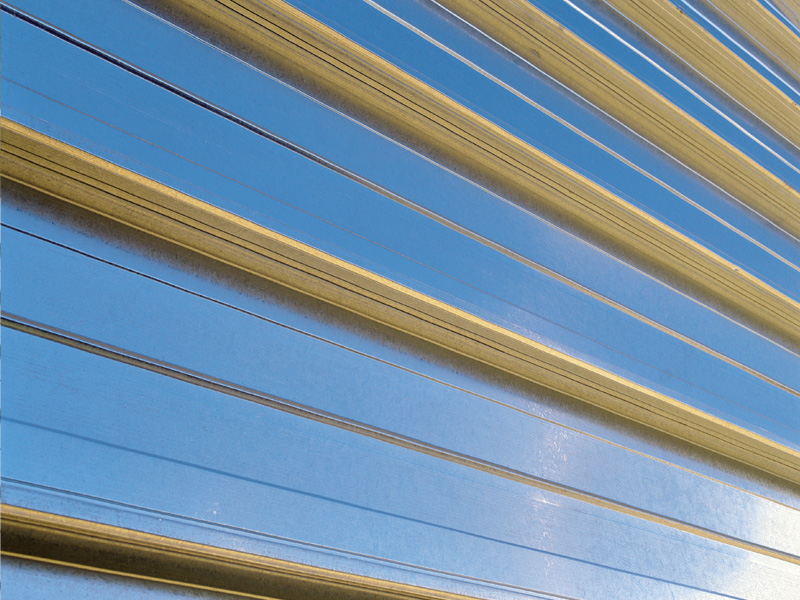
This component is mounted directly to the load-bearing structures, and an insulation layer is then placed inside the cassette, which is enclosed on the outside by a facade element (such as Prolfile PS, facade trapezoidal, or Facade cassettes), thereby forming a wall element of the structure. This system offers many advantages, the main ones being speed of assembly and high rigidity, combined with a relatively low wall weight, which has a significant impact on cost-effectiveness. Additionally, wall cassettes can be perforated, which significantly improves their acoustic performance. Our company offers wall cassettes with widths ranging from 500 to 600 mm.
Tags
Explore our selection of accessories
Pruszyński Sp. z o.o
Sokołów, 05-806 Komorów
ul. Sokołowska 32b
Tel. (48-22) 738 60 00
Fax (48-22) 738 61 01
Infolinia: 880 222 444